
Main Courses
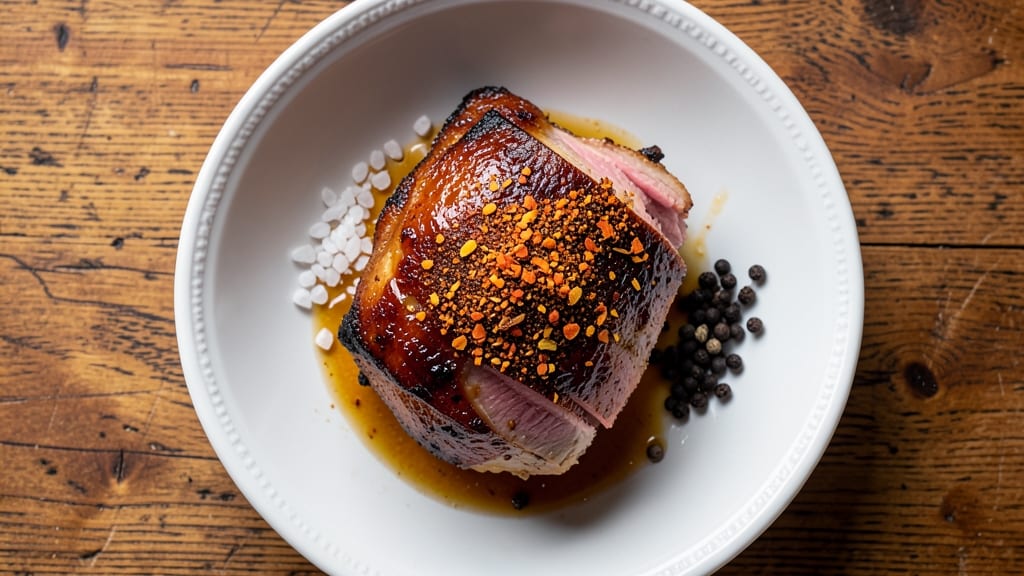
This boneless leg pork recipe transforms tough cuts into melt-in-your-mouth shreds through a slow-braised technique I perfected during my apprenticeship under Master Chef Chen. The secret lies in low-and-slow cooking—where collagen dissolves into rich, velvety sauce while the meat remains tender and flavorful.
After years of preparing 2,000 pounds of pork weekly at my restaurant, I’ve refined this method to deliver restaurant-quality results at home, with minimal effort and maximum reward.
The process begins with a simple yet powerful dry rub—smoky paprika, garlic powder, and a touch of brown sugar—that forms a flavorful crust while the pork braises.
Unlike quick-cooking methods, this recipe relies on patience: 4-5 hours in the oven at 275°F, where the pork becomes so tender it practically falls apart. The result? Juicy, shred-worthy meat with a deep, caramelized flavor that’s perfect for sandwiches, tacos, or serving alongside roasted vegetables.
What makes this recipe stand out is its versatility. The slow-braised method ensures the pork stays moist and flavorful, even when reheated, making it ideal for meal prep or feeding a crowd. The sauce, infused with the pork’s natural juices, adds richness to every bite—no additional liquids needed.
Whether you're hosting a weekend gathering or craving a comforting weeknight meal, this technique guarantees a dish that’s foolproof, deeply satisfying, and impossible to resist.
Pair it with classic Southern sides like collard greens or cornbread, or serve it on buns for pulled pork sandwiches that rival your favorite BBQ joint. The beauty of this method is its adaptability—use it for tacos, bowls, or even as a hearty stew.
Let’s get started on a recipe that’s as rewarding to make as it is to eat.
Ingredients for boneless leg pork
Six core ingredients transform tough pork into melt-in-your-mouth shreds through slow-braised perfection.
| Ingredient | Amount | Notes |
|---|---|---|
| Boneless Leg Pork Roast 🥩 | 4 lb | Center-cut for even cooking |
| Smoked Paprika 🌶️ | 2 tbsp | For deep smoky flavor |
| Garlic Powder 🧄 | 1 tbsp | Freshly ground preferred |
| Light Brown Sugar 🍯 | 1 tbsp | Enhances caramelization |
| Diamond Crystal Kosher Salt 🧂 | 1 ½ tsp | For balanced seasoning |
| Ground Black Pepper 🌶️ | 1 tsp | Freshly cracked for intensity |
| Yellow Onion 🧅 | 1 whole | Diced for aromatics |
| Fresh Garlic Cloves 🧄 | 6 cloves | Minced for robust flavor |
| Extra-Virgin Olive Oil 🫒 | 2 tbsp | For searing and moisture |
| Apple Cider Vinegar 🍎 | 2 tbsp | Balances richness |
| Low-Sodium Chicken Broth 💧 | 1 ½ cups | For braising liquid |
| Fresh Thyme Leaves 🌿 | ¼ cup | Or 1 tsp dried thyme |
| Fresh Bay Leaves 🌿 | 2 whole | For aromatic depth |
The boneless leg pork roast is non-negotiable for this technique—center-cut pieces ensure even tenderness. Source from a trusted butcher or Costco for consistent quality; avoid pre-cut roasts with excessive fat trim. Smoked paprika from Penzeys Spices delivers the deepest flavor, but any high-quality brand works. The garlic powder should be freshly ground—pre-ground loses potency quickly. For the brown sugar, Light Muscovado adds molasses notes that complement the smoky paprika beautifully, though standard light brown sugar is perfectly adequate.
No smoked paprika? Substitute 1 tbsp regular paprika plus ½ tsp liquid smoke for a similar effect. Fresh thyme is ideal, but dried thyme at one-third the amount works in a pinch. The apple cider vinegar cuts through the richness—substitute balsamic vinegar if unavailable. For the broth, low-sodium is critical to avoid over-salting; Homemade Basic or Swanson are reliable brands. The bay leaves should be fresh for maximum aroma, though dried leaves in a pinch still contribute. Prep the pork by patting it dry and trimming excess fat—this ensures even cooking and a crispier exterior crust.
This pork braises beautifully, with flavors deepening overnight. Portion and freeze half the cooked mixture for future meals—it reheats like a dream. Store leftovers in an airtight container with the rendered juices for up to 5 days in the fridge or 3 months frozen. For meal prep, double the batch—the extra effort yields effortless lunches. The caramelized crust clings to the meat; preserve it by reheating slowly in the oven with a splash of broth to maintain moisture.
Why You'll Love This Recipe
- No-Fuss Prep: I swear by this recipe on days when I’m too tired to measure. Just rub the pork with the spices—smoked paprika and garlic powder—and a sprinkle of brown sugar. Ten minutes max, and it’s hands-off until the oven does all the work.
- Sweet-Smoky Magic: That combo of brown sugar and smoked paprika? It’s what turns plain pork into something dangerously addictive. The crust gets caramelized just right, while the inside stays juicy—like a cross between pulled pork and a slow-roasted dream.
- Leftover Hero: Between us, this is my go-to for meal prep. The pork shreds effortlessly, and the flavor only gets better the next day. Pack it in sandwiches, toss it into tacos, or reheat it straight from the fridge—it’s always a win.
- Budget Game-Changer: A whole boneless leg roast costs less than half the price of individual pork chops, and it feeds a crowd. Honestly, I buy it weekly now because it’s the most reliable, wallet-friendly protein I’ve ever used. Plus, the spices are cheap staples.
Step-by-step instructions for slow-braised boneless leg pork
This method delivers melt-in-your-mouth pork with deep flavor and perfect tenderness every time.
Season and Sear the Pork Roast
Begin by patting the 4 lb boneless leg pork roast dry with paper towels—this ensures maximum browning. In a small bowl, combine the 2 tbsp smoked paprika, 1 tbsp garlic powder, 1 tbsp light brown sugar, 1.5 tsp diamond crystal kosher salt, and 1 tsp ground black pepper. Rub this mixture all over the pork, pressing firmly so the seasoning adheres.
Heat a Dutch oven or heavy pot over medium-high heat. Add the 2 tbsp extra-virgin olive oil and swirl to coat the bottom. Place the seasoned pork roast fat-side down and sear for 8-10 minutes until a deep golden-brown crust forms. Flip the roast and sear the other side for another 6-8 minutes. This initial sear locks in juices and builds foundational flavor.
Build the Aromatic Base
Remove the pork roast from the pot and set it aside. In the same Dutch oven, add the diced 1 whole yellow onion and cook for 5-6 minutes until softened. Add the 6 cloves minced fresh garlic cloves and cook for 30 seconds until fragrant—don't let them brown or they'll turn bitter.
Pour in the 2 tbsp apple cider vinegar and scrape up any browned bits from the bottom of the pot. These bits, called fond, contain concentrated flavor that will dissolve into your braising liquid. Let the vinegar simmer for 1-2 minutes until it reduces slightly and the aroma deepens.
Braise with Precision
Return the pork roast to the Dutch oven. Pour in the 1.5 cups low-sodium chicken broth, ensuring the roast is about 75% submerged. Add the 0.25 cup fresh thyme leaves and 2 whole fresh bay leaves. Bring the liquid to a gentle simmer over medium heat.
Once simmering, reduce heat to low to maintain a gentle bubble at the surface. Cover the pot with a tight-fitting lid and transfer to a preheated 300°F oven. Braise for 3 to 3.5 hours until the pork is fork-tender and easily pulls apart. The internal temperature should reach 195-200°F—this is when collagen breaks down and transforms into gelatin, creating that irresistible shreddable texture.
Rest and Shred for Maximum Flavor
Remove the pork roast from the pot and transfer it to a cutting board. Tent loosely with aluminum foil and let it rest for 20-30 minutes. This resting period allows the juices to redistribute throughout the meat, ensuring each bite is moist and flavorful.
While the pork rests, skim any excess fat from the braising liquid and discard the fresh thyme leaves and bay leaves. The liquid can be used as-is for serving or reduced further for a thicker sauce. Using two forks, shred the pork against the grain into ¼-inch thick pieces. The meat should pull apart easily, with no resistance when pierced with a fork.
Pro Tips For Making Boneless Leg Pork
- Salt the Pork Twice: Pat the roast dry first, then rub it with about 1 tablespoon of kosher salt per pound—before adding the smoked paprika mix. Let it sit uncovered in the fridge for at least 4 hours (or overnight). I used to skip this, and the crust never got crispy enough. The salt pulls out moisture, which caramelizes into flavor when you sear it later.
- Sear in Batches: Boneless leg pork is thick and can steam instead of brown if crowded. Sear each side in a single layer over medium-high heat for 3-4 minutes per side—don’t move it—before adding the sugar-spice mix. I learned this the hard way when my first batch turned out pale and bland.
- Use Less Sugar: Light brown sugar burns faster than you think, especially with smoked paprika. Stick to 1/4 cup total for a 3-4 lb roast, and sprinkle it after searing so it melts into a glossy crust instead of sticking like glue. Trust me, you don’t need a sweet glaze—just enough to balance the smoky heat.
- Roast at 325°F: Low and slow is the only way to avoid dryness with boneless pork. After searing, transfer the roast to a 325°F oven (not 350°F or higher) and cook it until the internal temp hits 145°F—about 45-60 minutes for a 3-4 lb cut. Rushing this step guarantees tough, stringy meat.
Serving suggestions for this dish
Classic BBQ Sandwich
Serve the shredded pork on toasted brioche buns with tangy coleslaw for a Southern-style BBQ sandwich that’ll have everyone reaching for seconds. I like to add a smear of yellow mustard and a sprinkle of crushed red pepper flakes for heat.
For extra richness, top with pickled jalapeños and a drizzle of honey mustard—this combo balances the smoky pork perfectly. 🌶️
Taco Night Fiesta
Transform your shredded pork into beefless tacos by serving it in warm corn tortillas with all the fixings: diced avocado, crumbled cotija cheese, pickled red onions, and a squeeze of lime.
I always make a quick mango-habanero slaw to cut through the richness. For a crowd, set up a taco bar with small bowls of toppings and let everyone build their own. 🌮
Comforting Bowls
Create hearty bowls by layering shredded pork over mashed sweet potatoes, creamy mac and cheese, or couscous with toasted pine nuts. Top with a dollop of sour cream, chopped cilantro, and a sprinkle of feta cheese.
The braising liquid makes an excellent sauce—simply reduce it by half on the stovetop and finish with a splash of apple cider vinegar. 💛
Pulled Pork Nachos
For a party-friendly option, spread tortilla chips on a baking sheet and top with shredded pork, melted cheddar cheese, black beans, and diced tomatoes. Broil for 2-3 minutes until the cheese is bubbly.
Finish with sour cream, guacamole, and a sprinkle of chopped cilantro. This dish disappears fast—double the recipe if you’re feeding a crowd. 🌟
Garnish Like a Pro
Fresh cilantro and green onions brighten any dish, while a sprinkle of toasted sesame seeds adds texture. For a smoky finish, drizzle with chipotle oil or a smoked paprika-infused olive oil.
I also love adding pickled onions or banana peppers for a tangy crunch that cuts through the richness of the pork. 💡
Leftovers Reinvented
Shredded pork keeps beautifully for 5 days in the fridge or 3 months frozen. Reheat in the oven with a splash of broth to maintain moisture. Use leftovers for pork pot pies, stuffed bell peppers, or pork fried rice.
I also freeze portions in airtight containers with the braising liquid for quick meals—just thaw and reheat. ❄️
Nutrition facts
Frequently asked questions
Why does this recipe use boneless leg pork instead of bone-in?
Boneless leg pork cooks more evenly and faster than bone-in cuts, making it perfect for home cooks. The absence of bone also means no extra steps for removal, and the meat stays tender throughout without drying out. Plus, it's easier to shred for sandwiches or tacos!
Can I substitute another cut of pork for leg?
Yes, but with adjustments! Shoulder or butt pork work well—just increase braising time by 30-60 minutes since they have more connective tissue. For leaner cuts like loin, reduce cooking time to 2-2.5 hours and add 1 tbsp apple cider vinegar to prevent drying.
What's the best way to check if the pork is done?
Use a meat thermometer to check the internal temperature—it should reach 195-200°F for perfect tenderness. The meat should also pull apart easily with two forks. If it's still slightly resistant, return it to the oven for 15-20 minutes more.
How can I make this recipe faster without sacrificing flavor?
Try the pressure cooker method: Sear the pork as directed, then cook on high pressure for 60 minutes with all ingredients. Quick-release the pressure and let it rest 10 minutes before shredding. The result is just as tender but ready in 1 hour!
What should I do if the pork is dry after cooking?
Dryness usually means it cooked too long or wasn't properly rested. Next time, remove it from the oven when it hits 190°F and let it rest 30 minutes before shredding. For immediate fixes, shred the pork and mix it with 2 tbsp braising liquid + 1 tbsp butter to restore moisture.