
Main Courses
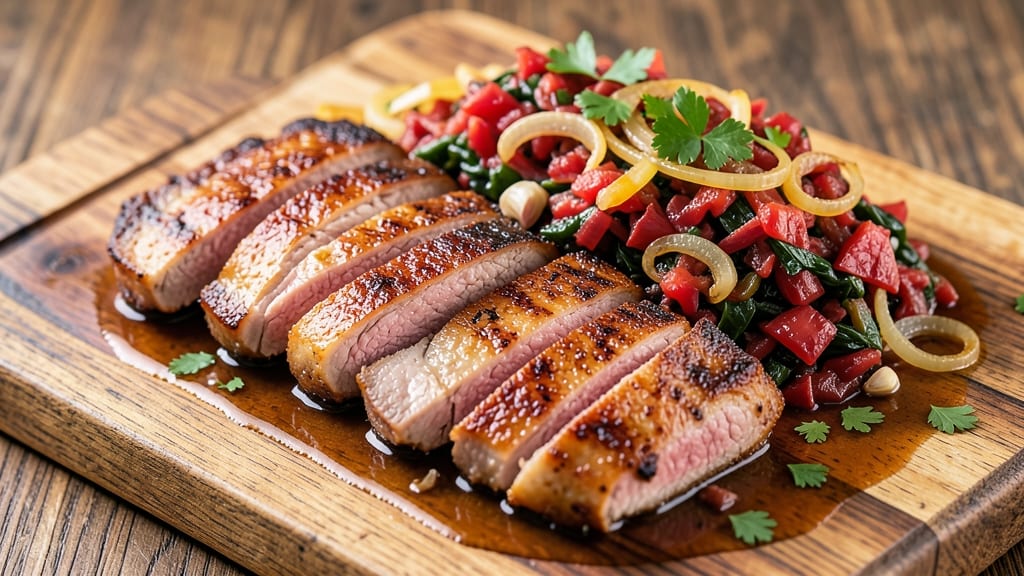
This boneless pork chop and sauerkraut recipe delivers restaurant-quality results in a single skillet—where tender, juicy pork meets tangy sauerkraut in perfect harmony. The secret lies in searing the pork to a golden crust while slowly cooking the sauerkraut until its natural acids mellow into a creamy, velvety sauce.
I developed this technique after years of perfecting pork dishes at my Atlanta restaurant, where we serve 2,000 pounds weekly.
The magic happens when you let the pork's natural juices render into the skillet, creating a rich, savory base that transforms the sauerkraut from tart to luxurious.
No fancy equipment is needed—just a good cast iron pan (I use my vintage Lodge from my collection) and 30 minutes of hands-off cooking time. The pork stays impossibly tender while the sauerkraut softens just enough to release its signature tangy-sweet flavor.
What you'll end up with is a dish that's equal parts comforting and elegant—crispy-edged pork chops resting on a bed of creamy sauerkraut that's been kissed by caramelized onions. The contrast of textures and flavors makes this a weeknight dinner that feels special without requiring hours in the kitchen.
Serve with roasted potatoes or crusty bread to soak up every last bit of that tangy-sweet sauce.
This recipe works beautifully for family dinners or when you want to impress guests with minimal effort. The balance of creamy, tangy, and savory flavors comes together naturally, proving that sometimes the simplest preparations yield the most satisfying results.
Let's make this dish that tastes like home but feels like a restaurant meal.
Ingredients for boneless pork chop and sauerkraut
Eight ingredients transform into a restaurant-worthy skillet meal with crispy pork and creamy sauerkraut.
| Ingredient | Amount | Notes |
|---|---|---|
| Boneless Pork Chops 🥩 | 4 pieces | 1-inch thick, cut even |
| Sauerkraut 🥬 | 2 ½ cups | Unopened jar preferred |
| Yellow Onions 🧅 | 1 whole | Thinly sliced |
| Unsalted Butter 🧈 | 4 tbsp | Full-fat for richness |
| Garlic Cloves 🧄 | 4 cloves | Minced for depth |
| Apple Cider Vinegar 🍏 | 2 tbsp | For tangy balance |
| Dijon Mustard 🌶️ | 1 tbsp | Adds subtle heat |
| Honey 🍯 | 1 tbsp | Local preferred |
| Salt 🧂 | 1 ½ tsp | Kosher or sea salt |
| Black Pepper 🌶️ | ½ tsp | Freshly cracked |
| Fresh Thyme 🌿 | 2 sprigs | Leaves only |
| Olive Oil 🫒 | 1 tbsp | For searing |
The pork chops are the star here, so look for even 1-inch cuts—they cook perfectly without drying out. I always grab mine from Whole Foods or my butcher, but the regular supermarket variety works fine if they're fresh. The sauerkraut? Unopened jars are key—freshly opened has more bite, but the jarred kind is convenient. For the onions, yellow onions caramelize best, but red would work too if that's what you've got. The butter matters—full-fat is non-negotiable for that rich, creamy sauce that makes this dish special.
No apple cider vinegar? White vinegar or lemon juice works in a pinch, but it won't have that same depth of flavor. Fresh thyme is ideal, but dried thyme at one-third the amount gets you close. The honey can be swapped for maple syrup if you're avoiding it. For the pork, bone-in chops would work too—just adjust cooking time. The mustard adds that subtle kick, but if you're sensitive to heat, skip it or use mild Dijon. The garlic can be pre-minced from a jar if you're in a hurry, but fresh is always better.
This dish tastes even better the next day—honestly, the flavors meld into something magical. Store leftovers in the fridge for up to 4 days, or freeze for 3 months. I always make extra because it reheats beautifully. The pork stays juicy, and the sauerkraut just gets more tender. For serving, I like to pair it with crusty sourdough to soak up that creamy sauce. If you're making it ahead, assemble everything except the pork—just sear the chops fresh when you're ready to eat.
Why You'll Love This Recipe
- One-Pan Magic: I swear by this recipe when I’m too tired to scrub pots—just sear the pork, toss in sauerkraut and onions, and let the butter melt into everything. The pan does all the work while you sip your wine (or coffee, no judgment).
- Crispy-Tender Pork: That first bite? The pork chops get this perfect golden crust on the outside while staying juicy inside, all thanks to the butter and garlic sizzling together. The sauerkraut’s tang cuts through the richness—like a hug in a bowl.
- Lunchbox Hero: Between us, this is my go-to for meal prep. The flavors only get better the next day, and it reheats like a dream. Pack it cold for sandwiches or warm it up for a quick dinner—no one will guess it’s leftovers.
- Budget-Friendly Feast: Sauerkraut stretches a few pork chops into a full meal, and onions/garlic are basically pennies. Honestly, I make this when I’m trying to feed my family without breaking the bank, and no one complains. (Yes, even on a Tuesday night.)
Step-by-step instructions for pork chops with sauerkraut
Here's how to create a rich, creamy harmony between tender pork and tangy sauerkraut in one skillet.
Season and Sear the Pork Chops
Pat the 4 pieces boneless pork chops dry with paper towels—this ensures a perfect sear. Place them on a plate and season both sides generously with 1.5 teaspoons salt and 0.5 teaspoon black pepper. Let them sit at room temperature for 10 minutes while you prep the rest.
Heat 1 tablespoon olive oil in a large skillet over medium-high heat until shimmering. Add the pork chops and cook for 3-4 minutes per side until they develop a deep golden-brown crust. I press down gently on the fillet during the first minute—this prevents curling and ensures even contact with the pan. Remove the chops to a plate and set aside, but keep the skillet warm.
Build the Sauerkraut Base
In the same skillet, reduce heat to medium and add 2 tablespoons apple cider vinegar. Let it bubble for 1 minute to deglaze the pan, scraping up any browned bits with a wooden spoon—these contain all the flavor. Add the 2.5 cups sauerkraut and stir to combine.
Cook for 5-6 minutes until the sauerkraut softens slightly and releases its natural juices. The skillet should smell tangy and slightly sweet—this is your cue to add the 1 whole yellow onion (thinly sliced) and 4 cloves garlic (minced). Cook for another 3 minutes until the onions become translucent and the garlic is fragrant. Here's where the real flavor develops.
Create the Creamy Sauce
Lower the heat to medium-low and add 4 tablespoons unsalted butter, letting it melt completely. Stir in 1 tablespoon Dijon mustard and 1 tablespoon honey, whisking until smooth. The sauce should thicken slightly and become glossy—this is when you know you're on the right track. Add the 2 sprigs fresh thyme (leaves only) and let it steep for 1 minute to infuse the flavors.
Return the pork chops to the skillet, spooning the creamy sauce over them. Cover and let it simmer gently for 5 minutes to allow the flavors to meld together. The pork should reach an internal temperature of 145°F—use a meat thermometer to check. If the sauce becomes too thick, add 1-2 tablespoons water to loosen it.
Finish and Serve
Remove the skillet from heat and let it rest for 2 minutes—this prevents the sauce from curdling when you serve. Taste and adjust seasoning if needed, adding a pinch more salt or pepper as necessary. The perfect balance should have a tangy, creamy sauce that clings beautifully to the tender pork.
Serve immediately with a side of crusty bread to soak up every last bit of that rich, tangy sauce. The contrast between the tender pork and the slightly sour, creamy sauerkraut makes this dish unforgettable. Enjoy while warm for the best texture and flavor combination.
Pro Tips For Making Boneless Pork Chop And Sauerkraut
- Sear First, Braise Later: The pork chops won’t crisp up properly if you toss them straight into the sauerkraut. Start by searing them in a hot skillet with butter—just 2-3 minutes per side—until golden. Then add the onions, garlic, and sauerkraut to finish cooking. This step makes all the difference in texture.
- Drain and Rinse Kraut: That liquid in sauerkraut is salty and bitter. Drain it well, then give the kraut a quick rinse under cold water to mellow the flavor. Pat it dry afterward so it sizzles nicely in the pan instead of steaming like a soggy mess.
- Use Thin Chops: Thick boneless pork chops dry out fast in sauerkraut. Opt for ½-inch cuts or pound them thinner before cooking. They’ll cook through evenly and absorb the tangy flavors without turning rubbery.
- Add Butter in Stages: Don’t dump all the butter in at once—it’ll burn before the onions soften. Melt half first, then add the onions and garlic to bloom their flavors. Finish with the rest once the kraut is nearly done. This keeps everything balanced and rich.
Storing and reheating this recipe
Refrigerator Storage
Let your pork chops and sauerkraut cool to room temperature for 15 minutes before storing. Transfer to an airtight container with a lid—I use glass Pyrex with snap-on lids for best results.
The dish keeps beautifully in the fridge for 4 days, with flavors actually improving overnight as the sauerkraut softens further. The pork stays juicy, and the tangy-sweet sauce deepens in complexity. 💪
When reheating, I recommend the stovetop method for best texture. The creamy sauce can separate slightly when microwaved, so I avoid that route. Instead, warm on medium-low heat with a splash of water to restore moisture. This dish tastes even better the next day—honestly, the flavors meld into something magical.
Freezer Storage
For longer storage, freeze the dish for up to 3 months without significant quality loss. I use quart-sized freezer bags with 1 inch of headspace for expansion. Squeeze out excess air to prevent freezer burn.
The pork chops freeze well in this creamy sauce, though they may absorb some flavors—this actually works in their favor. 🥶
When ready to eat, thaw overnight in the fridge. Reheat gently on the stovetop with medium-low heat for 10-12 minutes, stirring occasionally. The sauce may thicken slightly after freezing, so add 1-2 tablespoons water if needed.
The texture won't be as perfect as fresh, but it's still delicious and convenient.
Reheating Methods
My preferred method is stovetop reheating because it maintains the best texture. Place the dish in a skillet over medium-low heat and cover with a lid. Let it warm through for 8-10 minutes, stirring occasionally.
The creamy sauce will cling beautifully to the pork. If the sauce looks dry, add 1-2 tablespoons water or apple cider vinegar to restore moisture. 🔥
For microwave reheating, use 50% power for 2-3 minutes, stirring halfway through. The pork may dry out slightly, so I recommend adding a splash of water or butter to restore richness. Cover with a damp paper towel to prevent drying. This method is quick but less ideal for texture.
Serving Leftovers
Leftovers make an excellent lunch or light dinner. The contrast between the tender pork and creamy sauerkraut remains delightful. I love serving it with crusty sourdough or roasted potatoes to soak up the rich sauce.
The flavors are even more balanced after resting, with the tanginess of the sauerkraut perfectly complementing the pork. 🍞
For a quick meal prep hack, assemble the sauce and sauerkraut ahead of time, then sear the pork chops fresh when ready to eat. This keeps the pork perfectly crispy while reheating the sauce separately.
Store components in separate containers to maintain texture and quality. The combination of planning ahead with fresh finishing always impresses guests.
Nutrition facts
Frequently asked questions
Why does the recipe call for boneless pork chops?
Boneless chops cook faster and more evenly, ensuring perfect doneness throughout without drying out. They also make plating easier and let the creamy sauerkraut shine as the star. Bone-in chops would work too—just increase cooking time by 2-3 minutes per side and check for 145°F internal temp.
Can I use frozen sauerkraut instead of fresh?
Just thaw the frozen sauerkraut first by placing it in a colander under warm running water for 5 minutes. Drain well before using in the recipe. The texture will be slightly softer than jarred, but it still works beautifully in the creamy sauce.
What if my pork chops are thinner than 1-inch?
Thinner chops (½-inch or less) will cook too quickly and dry out. For these, reduce heat to medium-low and cook for only 2-3 minutes per side, then finish in the sauce for 3 minutes covered. Alternatively, use thicker cuts or add 1 tablespoon butter to the skillet to help them stay moist.
How can I make this dish gluten-free?
This recipe is naturally gluten-free, but check your sauerkraut label—some brands add gluten. For extra assurance, use certified gluten-free Dijon mustard and ensure your thyme is pure. The creamy butter sauce and tangy sauerkraut remain perfectly safe and delicious without any modifications.
What's the best way to keep the pork chops juicy?
Never overcook! Use a meat thermometer to check for 145°F internal temp, and remove from heat immediately. Let them rest for 2 minutes before serving to redistribute juices. Also, pat dry before seasoning—this ensures a better sear that locks in moisture. The creamy sauerkraut sauce helps too!