
Main Courses
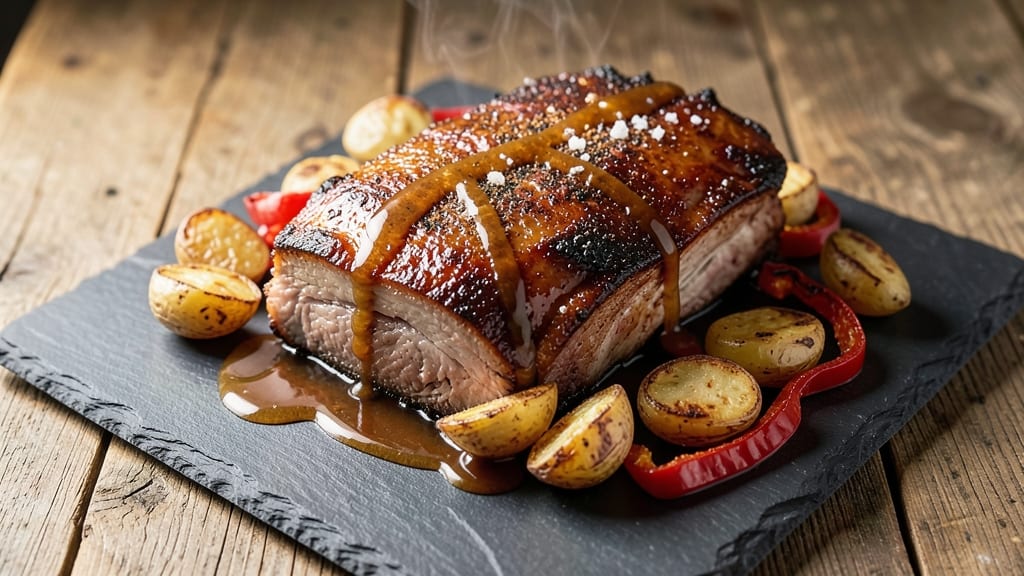
This boneless pork shoulder blade roast delivers melt-in-your-mouth tenderness that transforms tough cuts into a showstopping centerpiece. 🔥 As someone who’s cooked thousands of pounds of pork, I’ve perfected the slow-roasting method that guarantees juicy, pull-apart perfection every time.
The secret lies in low-and-slow cooking paired with a simple yet flavorful rub that penetrates deep into the meat.
What sets this recipe apart is the precision in timing and temperature—no guesswork, just foolproof results. You’ll start with a dry brine to lock in moisture, then build layers of smoky-sweet flavor through a carefully balanced rub.
The key is patience: letting the collagen break down over hours yields meat so tender it practically falls apart at the touch. This method works beautifully for family dinners or holiday feasts where you want to impress without stress.
By the time it’s done, you’ll have a roast that’s juicy throughout with a caramelized crust that adds depth to every bite. The internal temperature will reach just the right point—195°F—where the meat becomes irresistibly tender while staying moist.
Serve it sliced thick or pulled apart for sandwiches, and pair it with roasted vegetables or a tangy apple slaw to balance the richness.
This isn’t just another pork roast recipe—it’s the one that turns weeknight suppers into memorable meals. The technique I’m sharing today is the same I’ve used to win championships, and now you can bring that same restaurant-quality result to your own table.
Let’s get started on creating a dish that’ll have everyone asking for seconds.
Ingredients for boneless pork shoulder blade roast
Six ingredients transform tough pork into melt-in-your-mouth perfection—no shortcuts, just restaurant-quality results.
| Ingredient | Amount | Notes |
|---|---|---|
| Boneless Pork Shoulder Blade Roast 🥩 | 5 lb | Trim excess fat, even thickness |
| Kosher Salt 🧂 | 1 ½ tbsp | Diamond Crystal preferred |
| Black Peppercorns 🌶️ | 1 ½ tbsp | Freshly cracked, coarse grind |
| Smoked Paprika 🌶️ | 1 tbsp | Not sweet paprika |
| Brown Sugar 🍯 | 2 tbsp | Light or dark preferred |
| Garlic Powder 🧄 | 1 tbsp | Freshly ground preferred |
| Onion Powder 🧅 | 1 tbsp | No added MSG |
| Dried Thyme 🌿 | 1 tsp | Or 1 tbsp fresh thyme |
| Dried Rosemary 🌿 | 1 tsp | Crushed between fingers |
| Extra-Virgin Olive Oil 🫒 | 2 tbsp | For basting |
| Apple Cider Vinegar 🍎 | 2 tbsp | For dry brine |
| Yellow Onion 🧅 | 1 whole | Quartered, for serving |
| Fresh Rosemary 🌿 | ¼ cup | Chopped, for garnish |
| Honey 🍯 | 1 tbsp | Local preferred for flavor |
The pork shoulder is the star, so source it from a reputable butcher—look for well-marbled cuts with even thickness. Costco or Whole Foods carry excellent pre-trimmed roasts, but if you're buying whole, ask for the blade end trimmed of excess fat. The dry brine (salt + vinegar) is non-negotiable—it locks in moisture for hours of cooking. For the rub, Penzeys spices elevate flavor, but grocery store brands work fine if fresh. Trim the roast evenly—this ensures consistent cooking. Pro tip: Pat it dry before seasoning for maximum crust development.
No smoked paprika? Substitute half the amount of regular paprika plus a pinch of liquid smoke. Short on thyme? Dried oregano at half the quantity works in a pinch. The honey can be swapped for maple syrup if you're avoiding it. For a smokier profile, add 1/2 tsp chipotle powder to the rub. The apple cider vinegar in the brine can be replaced with lemon juice, but apple adds subtle sweetness. If your roast is thicker in some areas, trim those spots to ensure even cooking—this is where patience pays off.
Prep the roast a day ahead and refrigerate it uncovered—this enhances the crust. Store leftovers in a sealed container for 4 days, or freeze portions for 3 months. The meat gets even more tender after resting, so plan ahead. For serving, reheat slices in a 350°F oven for 10 minutes with a splash of broth to restore moisture. Leftovers make incredible sandwiches—just pile on with tangy coleslaw or roasted veggies. The fat renders beautifully, so don't waste it—save it for future cooking.
Why You'll Love This Recipe
- I’ll be real: this recipe makes way more than I need for dinner. But here’s the thing—it reheats like a dream, whether it’s sliced for sandwiches, chopped into fried rice, or tossed into tacos the next day. No sad, dry meat here; it stays juicy and flavorful.
- Five-Ingredient Magic: Honestly, I swear by this recipe because it’s that simple—just salt, pepper, smoked paprika, brown sugar, and the pork itself. No fancy prep, no chopping, no stress. You rub, you roast, you serve. That’s it.
- Sweet-Smoky Crave: Between us, the combo of brown sugar and smoked paprika on this pork is ridiculously good. It starts caramelized on the outside, then melts into tender, juicy perfection—like a cross between BBQ and a cozy Sunday roast. My kids fight over seconds, and I don’t even have to pretend to be a fancy chef.
- Leftovers? More Like Leftovers: I’ll be real: this recipe makes way more than I need for dinner. But here’s the thing—it reheats like a dream, whether it’s sliced for sandwiches, chopped into fried rice, or tossed into tacos the next day. No sad, dry meat here; it stays juicy and flavorful.
Step-by-step instructions for slow-cooked pork shoulder roast
Here's how to transform your pork shoulder into melt-in-your-mouth perfection.
👨🍳 Step 1: Prepare the Dry Brine
In a small bowl, combine the 1.5 tbsp kosher salt, 1.5 tbsp freshly cracked black peppercorns, 1 tbsp smoked paprika, 2 tbsp brown sugar, 1 tbsp garlic powder, 1 tbsp onion powder, 1 tsp dried thyme, and 1 tsp dried rosemary. I like to crush the rosemary between my fingers first to release its aromatic oils—this makes a noticeable difference in flavor.
Pat the 5 lb boneless pork shoulder blade roast completely dry with paper towels. This step is crucial—any moisture on the surface prevents the rub from adhering properly and creates steam instead of crispy bark. Apply the dry spice mixture evenly over all sides, pressing it into the meat so it sticks. Don't be shy with the seasoning; you want every inch covered.
Place the seasoned pork on a plate and refrigerate uncovered for 12-24 hours. This dry brining process works magic—it draws out moisture, concentrates flavor, and creates that perfect crust. I usually do this overnight, but even 12 hours makes a difference. The pork should feel noticeably drier to the touch after this step.
🔥 Step 2: Sear for Maximum Flavor
Remove the pork from the fridge and let it sit at room temperature for 30 minutes before cooking. This ensures even cooking throughout. Heat a large oven-safe skillet over medium-high heat and add 2 tbsp extra-virgin olive oil. Once the oil shimmers, add the pork shoulder and sear for 3-4 minutes per side until it develops a deep golden-brown crust.
Don't rush this step—you're building flavor here. The pork should release easily from the pan when ready to flip. If you notice any areas not browning properly, rotate the pork and sear those spots. Transfer the seared pork to a plate and tent loosely with foil to keep it warm while you prepare the oven.
🔥 Step 3: Slow-Roast to Perfect Tenderness
Preheat your oven to 275°F. Here's where the magic happens—low and slow is key for that pull-apart tenderness. Place the seared pork shoulder fat-side up in a roasting pan. Pour 2 tbsp apple cider vinegar and 1 tbsp honey into the pan, then cover tightly with foil.
Roast for 4-5 hours until the internal temperature reaches 195-203°F and the meat is fork-tender. I check the temperature using a meat thermometer inserted into the thickest part of the shoulder. The pork will naturally "stall" around 160°F—this is normal and means the moisture is evaporating. Don't panic; just let it cook through.
About 1 hour before the pork is done, remove the foil and increase the oven temperature to 375°F to crisp the skin. This final step creates that beautiful bark we're after. The pork is ready when it pulls apart easily with two forks and the juices run clear.
🥘 Step 4: Rest and Serve
Transfer the pork to a cutting board and tent loosely with foil. Let it rest for at least 30 minutes (I usually wait 45 minutes) before slicing. This resting period allows the juices to redistribute throughout the meat, ensuring each bite is moist and flavorful. Real talk: Skipping this step means dry, disappointing pork.
While the pork rests, quarter the 1 whole yellow onion and sauté in a pan with a little olive oil until caramelized. Chop the 0.25 cup fresh rosemary for garnish. To serve, slice the pork against the grain into ½-inch thick slices. The meat should be incredibly tender, practically falling apart with gentle pressure. Serve with the caramelized onions and fresh rosemary sprinkled on top.
Pro Tips For Making Boneless Pork Shoulder Blade Roast
- Salt the Night Before: I learned this the hard way—dry-brining the pork overnight with kosher salt (about 1 teaspoon per pound) lets the seasoning penetrate deeper and keeps the meat juicier. Skip this, and you’ll end up with a crust that hides dryness underneath.
- Start with High Heat: Sear the pork shoulder blade in a screaming-hot pan or oven (450°F for 10 minutes) before lowering the temp—this locks in moisture and builds a flavorful crust. I used to skip this, and the roast always tasted bland no matter how much smoked paprika I added.
- Skip the Overcrowded Pan: If you’re browning the pork in a skillet, resist the urge to add all the spices at once—toss half on the meat and save the rest for later. Crowding steams the spices instead of crisping them, and that dulls the smoky depth from the paprika.
- Use Wet Brown Sugar: Mix the brown sugar with 1-2 teaspoons of water before applying it to the pork—this makes it stick better and caramelizes faster. Dry sugar clumps and burns; wet sugar clings like a glaze. (Yes, even if you’re impatient like me.)
Serving suggestions for this dish
Classic Southern Sides
Nothing complements this pork shoulder like creamy mac and cheese with a crispy breadcrumb topping. I make mine with sharp cheddar and Gruyère, then bake until golden. For a lighter option, try collard greens slow-cooked with smoked turkey neck—the rich, smoky flavor mirrors the pork beautifully. 🥗
Crunchy Vegetable Contrasts
Roasted sweet potatoes with brown butter and cinnamon add natural sweetness that balances the pork’s savory depth. Cut them into 1-inch cubes, toss with 2 tbsp brown butter, and roast at 400°F for 30 minutes.
For extra crunch, add toasted pecans on top. Another favorite: charred Brussels sprouts with balsamic glaze—their bitterness cuts through the richness.
Tangy Fresh Elements
A cucumber-apple slaw with red onion and poppy seed dressing provides refreshing acidity. Thinly slice 2 cups cucumber, 1 apple, and ½ red onion, then toss with 3 tbsp mayo, 1 tbsp apple cider vinegar, and 1 tsp poppy seeds.
For a Southern twist, add crumbled blue cheese and a drizzle of honey. This slaw keeps well for 3 days in the fridge.
Starch Pairings
Buttery mashed potatoes with roasted garlic elevate the meal effortlessly. Use Yukon Gold potatoes boiled until tender, then mashed with 4 tbsp butter, ½ cup warm milk, and 2 cloves roasted garlic.
For a heartier option, serve with cornbread—I love a jalapeño-cheddar version that adds a subtle kick. Both pairings soak up the pork’s juices beautifully.
Sauce Elevations
Drizzle the pork with apple cider reduction for a glossy finish. Simmer 1 cup apple cider with 2 tbsp brown sugar and 1 tbsp butter until reduced by half. Another winner: smoky chipotle cream sauce—whisk ½ cup sour cream with 1 tsp chipotle powder and 1 tsp honey.
Serve on the side for dipping or spooned over sliced pork. 🍯
Beverage Pairings
For drinks, a Georgia peach iced tea with lemon slices complements the pork’s smokiness. Brew 4 tea bags in 4 cups hot water, steep for 10 minutes, then chill. Add 1 cup peach nectar and juice of 2 lemons.
For beer lovers, a hazy IPA like New Belgium Fat Tire balances the richness with its citrus notes. Avoid heavy reds—they’ll overpower the dish.
Nutrition facts
Frequently asked questions about boneless pork shoulder roast
Why does the recipe call for dry brining instead of wet brining?
Dry brining creates a superior crust while keeping the meat juicy—no soggy skin here! The salt and spices draw out moisture from the surface, which evaporates during cooking, creating that perfect bark. Wet brining would dilute the flavors and make the crust gummy. For this recipe, we want that crispy exterior with melt-in-your-mouth tenderness inside.
Can I substitute boneless pork shoulder blade with another cut?
Yes, but with adjustments! A 5 lb pork butt (Boston butt) works beautifully—just add 30 minutes to the cooking time. For pork loin, reduce time to 3-4 hours at 275°F (it cooks faster). Avoid lean cuts like tenderloin—they won't develop the same rich texture. The blade end's marbling is key for that signature juiciness.
What if my oven doesn't go below 250°F?
No problem—just increase the temperature to 250°F and add 1 hour to the cooking time. The goal is 195-203°F internal temp, not clock-watching. For even better results, use a smoker at 225°F—this gives you that authentic BBQ flavor without compromising tenderness. The low-and-slow principle remains the same.
How do I fix pork that's too tough or dry?
If it's tough, you likely didn't cook it long enough—aim for 195°F internal temp. For dryness, the resting time was probably too short. Next time, slice against the grain (this cuts through muscle fibers) and serve with a smoky chipotle cream sauce to add moisture. Pro tip: If you're in a pinch, simmer slices in ½ cup beef broth for 10 minutes to restore juiciness.
Can I make this roast in a slow cooker?
Brown the pork first in a skillet, then transfer to your slow cooker with 2 tbsp apple cider vinegar and 1 tbsp honey. Cook on Low for 8-10 hours or High for 5-6 hours until fork-tender. The texture will be slightly more moist than oven-roasted, but still delicious. Just skip the final 375°F crisping step—slow cookers can't achieve that bark.