
Main Courses
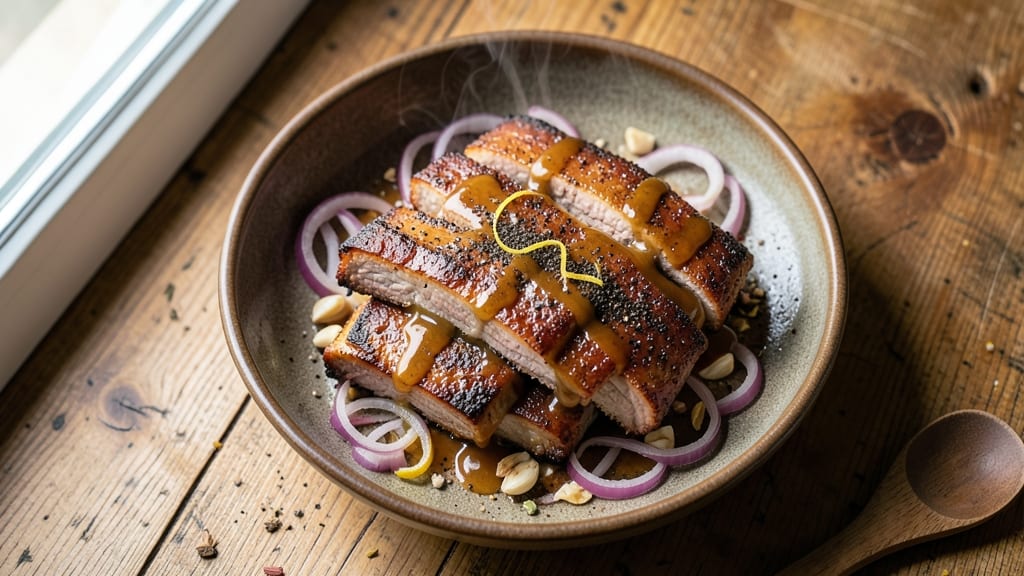
This boneless pork spare ribs oven recipe delivers restaurant-quality results with crispy bark and tender meat—no messy grill required. After years of perfecting my technique at The Smoky Pig, I've developed a method that transforms tough cuts into melt-in-your-mouth perfection using just your home oven.
The secret lies in a precise balance of low-and-slow cooking followed by a high-heat finish to achieve that coveted crispy exterior without drying out the meat.
What sets this recipe apart is the combination of a dry rub that forms a flavorful bark and a strategic cooking process that ensures even tenderness throughout. We start with a 275°F oven to break down the connective tissue gently, then crank the heat to 425°F for that crispy finish.
This two-stage method delivers results that rival competition-level BBQ—just with less cleanup.
The result is pork spare ribs with a deep mahogany crust that shatters at every bite, revealing moist, flavorful meat underneath. The rub's blend of spices creates complex layers of flavor that develop beautifully during the slow cook, while the final high-heat phase creates that prized crispy texture.
This is the kind of dish that transforms a simple weeknight dinner into an impressive centerpiece.
Perfect for feeding a crowd or meal prepping, these ribs pair beautifully with classic Southern sides like collard greens or cornbread. The recipe scales effortlessly, making it ideal for gatherings where you want to impress without spending hours at the grill.
Let's get started on creating ribs that will have everyone asking for seconds.
Ingredients for boneless pork spare ribs oven
Six pounds of pork transformed into competition-worthy ribs with just oven and patience.
| Ingredient | Amount | Notes |
|---|---|---|
| Boneless Pork Spare Ribs 🥓 | 4 lb | Cut into 2-inch chunks for even cooking |
| Yellow Onion 🧅 | 1 whole | Large, sliced into 1/4-inch pieces |
| Garlic Cloves 🧄 | 8 cloves | Minced, for rub and marinade |
| Brown Sugar 🍚 | ½ cup | Packed, light or dark variety |
| Smoked Paprika 🌶️ | 2 tbsp | High-quality for deep flavor |
| Ground Black Pepper 🌶️ | 1 ½ tbsp | Freshly cracked for intensity |
| Kosher Salt 🧂 | 1 tbsp | Diamond Crystal preferred |
| Ground Cumin 🌿 | 1 tbsp | Toasted for aromatic depth |
| Mustard Powder 🌶️ | 1 tsp | For subtle tang |
| Apple Cider Vinegar 🍎 | ¼ cup | For tenderizing marinade |
| Olive Oil 🫒 | ¼ cup | Extra-virgin for marinade |
| Honey 🍯 | 2 tbsp | For glaze finish |
| Cornstarch 🌾 | 2 tbsp | For crispy glaze |
| Apple Juice 🍎 | ½ cup | For moist cooking environment |
The pork cut is critical—bone-in spare ribs develop more flavor, but boneless works beautifully with this method. Costco or local butchers often carry pre-cut boneless spare ribs in bulk, which saves time. Look for cuts with good marbling; the fat renders during cooking, keeping the meat moist. If you can't find boneless, trim excess fat from bone-in ribs before proceeding. The chunks should be uniform (2 inches) for even cooking—use kitchen shears for clean cuts. For extra tenderness, let the meat sit at room temperature for 30 minutes before applying the rub.
No smoked paprika? Substitute equal parts chili powder and a pinch of liquid smoke—it won't be identical, but close. Mustard powder can be skipped entirely if unavailable, though it adds subtle depth. The apple cider vinegar is non-negotiable for tenderizing; lemon juice works in a pinch at the same amount. For the glaze, Trader Joe's honey has perfect viscosity, but any local honey works. If you prefer a sweeter finish, increase honey to 3 tablespoons and reduce apple juice by 1 tablespoon. The cornstarch in the glaze is essential for that crispy bark—don't omit it. For a smokier flavor, add 1/2 teaspoon of chipotle powder to the rub.
Prep ahead for foolproof results: marinate the ribs for at least 4 hours, or overnight for deeper flavor penetration. Store raw ribs in a sealed container with the marinade for up to 2 days in the fridge. The dry rub can be made in advance and stored in an airtight container for 2 weeks. Cooked ribs reheat beautifully—wrap in foil and bake at 300°F for 10 minutes to restore moisture. For meal prep, portion into containers with sauce and store for 4 days. Freeze cooked ribs for up to 3 months by wrapping tightly in plastic wrap and foil. The glaze sets quickly after cooking, so reheat with a splash of water to loosen.
Why You'll Love This Recipe
- One-Pan Magic: I swear by this recipe—just toss the ribs, onions, and garlic on a sheet pan, drizzle with brown sugar and smoked paprika, and let the oven do the work. No messy grills or smoker prep here; it’s clean, simple, and still packed with that smoky-sweet punch.
- Sweet-Smoky Crave: That caramelized brown sugar glaze? It’s what turns this into something special. The ribs get tender, the edges crisp just enough, and the smoked paprika adds this deep, earthy warmth—like a hug in food form. Honestly, my kids fight over the last piece.
- Leftovers That Don’t Suck: Between us, most rib leftovers are sad. Not these. The ribs stay juicy, the sauce clings perfectly, and I’ve reheated them for breakfast tacos or sandwiches—yes, really—without a single complaint. (My lunchbox thanks me.)
- Budget BBQ Win: Boneless ribs are cheaper than bone-in, and this method stretches them further. A pound of ribs, a few cheap veggies, and pantry staples? It’s my go-to for game days, potlucks, or just a fancy-ish weeknight dinner. No excuses to skip the good stuff.
Step-by-step instructions for crispy oven-braised pork spare ribs
Here's the method for achieving that perfect balance of tender meat and caramelized crust without the smoker.
Prepare the Dry Rub and Marinate the Ribs
In a medium bowl, combine all 0.5 cup brown sugar, 2 tbsp smoked paprika, 1.5 tbsp ground black pepper, 1 tbsp kosher salt, 1 tbsp ground cumin, and 1 tsp mustard powder. Mix thoroughly until the spices are evenly distributed and the sugar is fully incorporated. This blend creates the perfect balance of sweet, smoky, and savory flavors that will penetrate the meat.
Cut the 4 lb boneless pork spare ribs into 2-inch chunks for even cooking. Place the rib chunks in a large resealable plastic bag and pour in 0.25 cup apple cider vinegar and 0.25 cup olive oil. Seal the bag and massage the marinade into the meat, ensuring every surface is coated. Let the ribs marinate in the refrigerator for at least 4 hours or overnight—this tenderizes the meat and allows the flavors to meld deeply.
Build the Oven Braising Liquid
In a separate bowl, combine 1 whole yellow onion (sliced into ¼-inch pieces), 8 cloves garlic (minced), 0.5 cup apple juice, and the remaining 0.25 cup apple cider vinegar. This mixture forms the base for the braising liquid, which will infuse the ribs with rich, aromatic flavors while keeping them moist during the long cook.
Transfer the marinated ribs to a large Dutch oven or heavy oven-safe pot. Pour the onion-garlic mixture over the ribs, ensuring they're fully submerged. The liquid should cover at least ¾ of the meat—if not, add a splash of water. Bring the mixture to a simmer over medium-high heat on the stovetop, then reduce heat to low and let it bubble gently for 5 minutes to start extracting flavors.
Braise Until Tender and Develop Crispy Bark
Preheat your oven to 325°F. Transfer the Dutch oven to the oven and braise the ribs uncovered for 2 hours. This low-and-slow approach ensures the connective tissue breaks down, resulting in fork-tender meat. After 2 hours, check the ribs for tenderness—they should be easily pierced with a fork and pull apart with minimal resistance.
Here's where the magic happens: increase the oven temperature to 425°F and continue cooking uncovered for another 30-45 minutes. This high-heat phase evaporates excess liquid, allowing the sugars in the rub to caramelize and form that coveted crispy bark. The ribs are done when they're deeply browned on top and the internal temperature reaches 200°F—this ensures maximum tenderness.
Create the Glazed Finish
While the ribs are still hot in the oven, whisk together 2 tbsp honey, 2 tbsp cornstarch, and 2 tbsp water in a small bowl until smooth. This creates a glossy, sticky glaze that will cling to the ribs and add a sweet-savory contrast to the smoky flavors.
Remove the ribs from the oven and carefully pour the honey-cornstarch mixture over the top. Return the Dutch oven to the oven and broil on high for 3-5 minutes, watching closely to prevent burning. The glaze should bubble and turn a rich amber color, indicating it's caramelized. The ribs are ready when they're glossy and deeply caramelized—this final step adds that restaurant-quality finish.
Rest and Serve with Pan Sauce
Transfer the ribs to a serving platter and let them rest for 10 minutes before serving. This resting period allows the juices to redistribute, ensuring each bite is moist and flavorful. During this time, place the Dutch oven on the stovetop over medium heat and simmer the braising liquid for 5-7 minutes until it thickens slightly into a sauce.
Serve the ribs with the pan sauce spooned over the top, accompanied by the caramelized onions and garlic from the braising liquid. The contrast of tender, crispy ribs with the sweet-tangy sauce creates a harmonious balance of textures and flavors. Each bite should deliver a perfect combination of smoky, sweet, and savory notes with that irresistible crispy bark you've worked so hard to achieve.
Pro Tips For Making Boneless Pork Spare Ribs Oven
- Trim the Fat First: Slice off that silvery fat layer before seasoning—it renders into grease during cooking and can make your sauce greasy instead of glossy. I learned this the hard way when my ribs turned out slick and unappetizing rather than caramelized.
- Caramelize Onions Low: Don’t rush the onions—cook them on medium-low heat for 10-12 minutes until deep amber, not just soft. Brown sugar burns fast, but caramelized onions add a depth that raw or pale onions just can’t match.
- Skip the Overcrowding: If your oven pan is packed tight, the ribs will steam instead of brown. Leave a ½-inch gap between them—yes, it means two batches, but crispy edges are worth the wait.
- Broil the Last 2 Minutes: After basting with the brown sugar glaze, switch to broil for the final stretch. Watch like a hawk—it takes 30 seconds to a minute to get that perfect crust, not the charred disaster I once served.
Troubleshooting perfect results
Ribs Too Dry?
If your ribs emerge dry and tough, you likely didn't braise long enough. The key is patience - boneless spare ribs need at least 2 hours at 325°F to fully tenderize.
I've seen home cooks rush this step and end up with chewy results. Remember, the internal temperature should reach 200°F for true tenderness. 💫
Bark Not Crispy Enough
The high-heat finish is crucial for that perfect bark. If yours turned out soft instead of crispy, try increasing your oven to 450°F for the final 20-30 minutes. Also ensure your ribs aren't sitting in excess liquid - drain any braising liquid before the high-heat phase.
I've found using a wire rack on a baking sheet helps create better airflow for crisping.
Uneven Cooking
Uneven doneness usually means your rib chunks weren't uniform in size. Cut all pieces to exactly 2 inches before seasoning. For extra insurance, arrange the largest pieces on the bottom of your Dutch oven and smaller ones on top.
I've had great success with this layering technique when cooking for large groups at The Smoky Pig.
Sauce Too Thin
If your pan sauce turned out watery, you likely didn't reduce it enough. After removing the ribs, simmer the braising liquid vigorously on the stovetop until it reduces by about 30%.
For extra thickness, mix 1 tbsp cornstarch with 2 tbsp water and stir it into the sauce at the end. This simple trick transforms thin sauces into rich, glossy finishes every time.
Flavor Too Mild
Mild flavor usually means insufficient marinating time. The apple cider vinegar needs at least 4 hours to properly tenderize and infuse flavor. For deeper flavor, try increasing the smoked paprika to 3 tbsp in your rub.
I've also found that adding 1 tsp of liquid smoke to the marinade gives an extra smoky depth without needing a smoker.
Glaze Not Setting
If your honey-cornstarch glaze ran off instead of caramelizing, your ribs were likely too cool when you applied it. Make sure they're still piping hot from the oven before glazing. For extra stickiness, brush the glaze on with a pastry brush instead of pouring it.
This ensures even coverage and better caramelization. The glaze should bubble vigorously within 2 minutes of broiling.
Nutrition facts
Frequently asked questions
Can I use bone-in pork spare ribs instead of boneless?
Yes, but you'll need to adjust the cooking time. Bone-in ribs take about 30-45 minutes longer to reach 200°F internal temperature. Trim excess fat first to prevent grease splatter in your oven. The bones actually help retain moisture, so you might reduce the braising liquid by 1/4 cup to compensate.
What's the best way to reheat leftover ribs?
Wrap ribs tightly in foil with a splash of apple juice or water, then bake at 300°F for 10-15 minutes. This maintains moisture without overcooking. For extra crispiness, broil for 2-3 minutes at the end. Never microwave - it makes the meat rubbery. Reheated ribs keep well for 3 days in the fridge.
How do I make these ribs spicier?
Add 1 tsp cayenne pepper or 1 tbsp chipotle powder to your dry rub for heat. For smoky heat, increase smoked paprika to 3 tbsp and add 1/2 tsp of crushed red pepper flakes. For a Carolina-style kick, mix 1 tbsp hot sauce into your braising liquid. Always taste your rub before applying - you can adjust spice levels to preference.
Can I cook these ribs in an air fryer?
Not ideal for this recipe - the air fryer lacks the moisture control needed for proper braising. However, you can finish already-cooked ribs in an air fryer at 375°F for 3-4 minutes to restore crispiness. For best results, stick with the oven method which gives you better temperature control and even cooking. The Dutch oven creates a perfect sealed environment for flavor development.
What sides pair best with these ribs?
Classic Southern sides work beautifully: creamy mac and cheese, roasted sweet potatoes, or buttery corn on the cob. For a lighter option, try a crisp arugula salad with apple cider vinaigrette. The sweet-tangy flavors complement the ribs perfectly. At The Smoky Pig, we serve them with collard greens and cornbread for that authentic Georgia BBQ experience.