
Main Courses
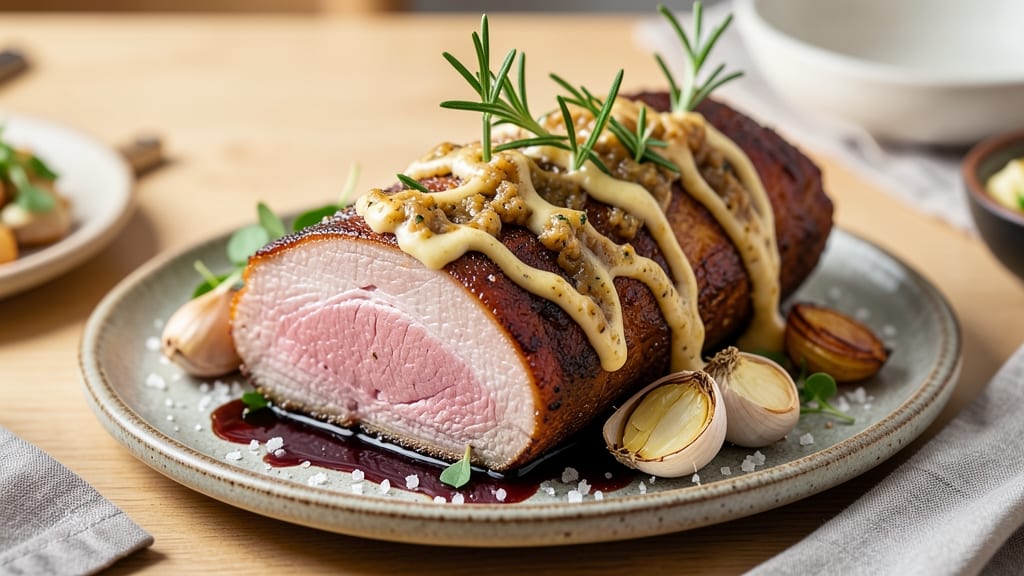
This boneless rolled pork loin roast recipe delivers juicy cores and a herb-crusted exterior without the fuss of traditional roasting. After years of perfecting this technique—first in Charleston kitchens, then at my Atlanta smokehouse—I’ve refined it to a foolproof one-pan method that guarantees tender, flavorful results every time.
The secret lies in the rolling process, which creates a compact roast that cooks evenly while sealing in moisture.
What sets this recipe apart is the balance between traditional butchery and modern efficiency. You’ll start with a whole pork loin, carefully rolled and tied to maintain shape during cooking, then coat it in a herb-infused crust that adds depth without overpowering the natural pork flavor.
The roasting method—medium-high heat with precise temperature control—ensures a crisp exterior while keeping the inside tender and moist, exactly as I’ve seen in professional kitchens.
By the time you carve into this roast, you’ll find perfectly pink centers with a golden, crackling crust, all achieved in about 2 hours (including resting time). The herb crust infuses flavor without masking the meat’s richness, making it versatile enough for weeknight dinners or holiday feasts.
This is the kind of pork roast that turns a simple meal into a showstopper—restaurant-quality at home without the complexity.
The beauty of this method is its adaptability. Use it as the centerpiece for a Sunday supper, pair it with roasted vegetables for a complete meal, or even prep it ahead for a stress-free gathering.
The rolling technique isn’t just about presentation—it’s about even cooking and maximum flavor retention, a lesson I learned early in my apprenticeship under Chef Chen. Let’s get started on a roast that’ll impress even the most discerning guests.
Ingredients for boneless rolled pork loin roast
Six ingredients transform a simple pork loin into a restaurant-worthy roast with juicy cores and crispy crust.
| Ingredient | Amount | Notes |
|---|---|---|
| Boneless Pork Loin Roast 🐖 | 3 lb | Center-cut, 1.5-inch thick |
| Fresh Rosemary 🌿 | ¼ cup | Finely chopped, organic preferred |
| Fresh Thyme 🌿 | 0.15 cup | Leaves only, stems removed |
| Garlic Cloves 🧄 | 8 cloves | Peeled, minced for crust |
| Extra-Virgin Olive Oil 🫒 | ¼ cup | High-quality, fruity variety |
| Diamond Crystal Kosher Salt 🧂 | 1 ½ tbsp | Fine grain preferred |
| Freshly Ground Black Pepper 🌶️ | 1 tbsp | Coarse grind |
| Unsalted Butter 🧈 | ½ cup | Cold, cubed for crust |
| Heavy Cream 🥛 | ¼ cup | Full-fat for richness |
| Fresh Sage Leaves 🌿 | 0.1 cup | Chopped, vibrant green |
| Butcher's Twine 🧵 | 1 package | 18-inch length |
| Vegetable Oil 🫒 | 2 tbsp | For pan coating |
The pork loin is the foundation—center-cut, boneless, and 1.5 inches thick ensures even cooking and maximum juiciness. Whole Foods or local butchers carry the best quality, but any grocery store’s pre-trimmed loin works. Look for good marbling and vibrant color—pale or grayish meat is a red flag. I always buy mine from Costco when I’m prepping for a crowd, but for a smaller batch, the regular supermarket selection is fine. The herbs? Fresh is non-negotiable here—dried won’t give you that same aromatic punch. Grab organic rosemary and thyme if you can; the flavor difference is noticeable, especially when you’re rolling it into the crust.
No fresh rosemary? Dried at half the amount will work in a pinch, but trust me, it’s not the same. Running low on sage? Fresh parsley at the same quantity adds brightness without overpowering. The butter in the crust is crucial—full-fat, cold, and cubed creates that golden, crackling exterior. If you’re watching fat content, use olive oil instead of half the butter, but you’ll lose some of that rich texture. For the garlic, minced is ideal, but roughly chopped works too. The key is to distribute it evenly when you roll the pork. And if you don’t have butcher’s twine, heavy-duty aluminum foil can hold the roast together in a pinch—just secure it tightly.
This roast is best made a day ahead—the flavors meld beautifully when it rests overnight. Wrap the rolled loin in plastic wrap and refrigerate until ready to cook. Once roasted, let it rest for 15 minutes before carving—this ensures the juices redistribute, keeping every slice moist. Leftovers? Reheat gently in the oven with a splash of broth to prevent drying out. Keeps for 4 days in the fridge or 3 months frozen. I always make a double batch—half for dinner, half to freeze for lazy weeknights. The herb crust reheats beautifully, so don’t hesitate to prep ahead.
Why You'll Love This Recipe
- I swear by this trick: the pork loin’s already boneless, so no butchering skills needed. Just slather it with olive oil, stuff those garlic cloves between the layers, and tie it with twine—no fancy prep, just satisfying results.
- Same recipe, different vibes: slice it thin for sandwiches on a lazy Tuesday, or serve it whole with crusty bread for guests. The rolled shape makes it feel fancy without the effort—because it is fancy, just simpler.
Step-by-step instructions for herb-crusted pork loin roast
Here's how to transform a simple pork loin into a showstopping centerpiece with crispy crust and melt-in-your-mouth tenderness.
Prepare the Herb Crust Mixture
In a food processor, pulse the 0.25 cup fresh rosemary, 0.15 cup fresh thyme, 8 cloves garlic, 1.5 tbsp diamond crystal kosher salt, and 1 tbsp freshly ground black pepper until finely chopped but not pasty. Add the 0.5 cup unsalted butter and pulse until combined into a coarse paste. This herb mixture is the secret to that irresistible crust.
Transfer the herb butter to a bowl and fold in the 0.1 cup fresh sage leaves by hand. The butter should look like coarse, herby crumbs with visible green flecks. If it feels too dry, add 1-2 teaspoons of extra-virgin olive oil to help it bind. This mixture will later form that beautiful golden crust while keeping the meat juicy inside.
Roll and Secure the Pork Loin
Pat the 3 lb boneless pork loin roast completely dry with paper towels—this is critical for crispy skin. Place it fat-side up on a cutting board and carefully pound it to an even 1.5-inch thickness using a meat mallet. This ensures even cooking throughout.
Spread the herb butter mixture evenly over the entire surface of the pork, pressing it gently into the meat. Starting from one short end, tightly roll the pork into a cylinder using the butcher's twine to secure it every 2 inches along the length. The twine helps maintain the shape during roasting and prevents the roast from unraveling.
Sear for Color and Flavor
Heat 2 tbsp vegetable oil in a large oven-safe skillet over medium-high heat until shimmering. Carefully place the rolled pork loin seam-side down and sear for 4-5 minutes until deeply golden brown. Flip the roast and sear the other side for another 4-5 minutes. This initial searing creates a flavorful crust that locks in juices.
Transfer the skillet to the preheated 400°F oven (no need to add more oil). Roast for 25-30 minutes until the internal temperature reaches 145°F when measured with a meat thermometer. The exterior should be golden brown with crispy edges, while the inside remains tender and pink.
Finish with Creamy Pan Sauce
Remove the pork from the oven and let it rest on a cutting board for 10-15 minutes before slicing. While it rests, place the skillet back on the stovetop over medium heat and add the 0.25 cup extra-virgin olive oil. Scrape up all the browned bits from the bottom with a wooden spoon—this is pure flavor.
Pour in the 0.25 cup heavy cream and simmer for 3-4 minutes until slightly thickened. The sauce should coat the back of a spoon but still be silky smooth. Taste and adjust seasoning with additional salt and pepper if needed. This rich sauce ties all the herb flavors together beautifully.
Slice and Serve with Confidence
Once rested, slice the pork loin into ½-inch thick medallions against the grain for maximum tenderness. Arrange the slices on a warm platter and spoon the creamy pan sauce generously over the top. The contrast of crispy crust, herby pork, and velvety sauce makes this roast unforgettable.
Serve immediately with roasted vegetables or a fresh herb salad to complement the rich flavors. Each bite should deliver juicy pork with that perfect herb-crusted exterior—exactly what makes this roast so special.
Pro Tips For Making Boneless Rolled Pork Loin Roast
- BRINE THE PORK: Toss the pork loin in a 5% saltwater brine (5 tbsp salt per 4 cups water) for 30 minutes before searing—it keeps the meat juicy and lets the herbs stick better. I learned this the hard way after drying out a roast from over-salting the rub later.
- SEAR IN BATCHES: Crowd the pan and the pork will steam instead of brown. Sear half the roast first, then move it to a plate, and finish the second half—this guarantees a deep crust without a soggy mess.
- STUFF THE GARLIC: Instead of just mincing garlic, smash whole cloves with the flat of your knife and tuck them under the herb layer before tying. They’ll infuse flavor without burning, and you won’t waste time peeling.
- REST IT RIGHT: After roasting, tent the pork with foil and let it sit for 10 minutes—no peeking. Cutting too soon turns it from tender to dry, and the juices will pool on your plate instead of staying inside. (Yes, even if you’re impatient like me.)
Best sauces and condiments for this boneless rolled pork loin roast
Classic Herb Crust
The herb butter crust in this recipe is where the magic happens—it’s what gives your roast that golden, crackling exterior while keeping the inside juicy and tender.
I developed this version after years of experimenting with different herb blends, and this combination of rosemary, thyme, sage, and garlic delivers the perfect balance of earthy and aromatic flavors.
The butter is key here—it melts during roasting to create that crispy crust, but don’t skip the olive oil in the pan sauce. It adds a fruity note that cuts through the richness of the pork. 🌿
Creamy Pan Sauce
This isn’t just a finishing touch—it’s the star of the show when it comes to tying everything together. The heavy cream in the sauce adds a velvety richness that complements the herby crust, while the olive oil and browned bits from the pan deepen the flavor.
I like to simmer it just until it thickens slightly—3-4 minutes—so it coats the back of a spoon but doesn’t turn into a heavy gravy. A pinch of freshly cracked black pepper at the end elevates it even more. Trust me, this sauce is worth the extra effort.
Sweet and Smoky Glaze
If you want to add a touch of sweetness and smokiness, brush the roast with a honey-mustard glaze during the last 10 minutes of cooking. Mix 2 tablespoons Dijon mustard, 1 tablespoon honey, and 1 teaspoon apple cider vinegar, then spread it evenly over the roast.
The glaze caramelizes beautifully, adding a glossy finish and a subtle tang that cuts through the richness. This variation is a crowd-pleaser, especially if you’re serving it with roasted root vegetables or a fresh green salad. 🍯
Spicy Chipotle Cream Sauce
For a bold, smoky kick, swap the creamy pan sauce for a chipotle cream sauce. Sauté 1 minced chipotle pepper in adobo with the garlic and herbs, then deglaze with ½ cup chicken broth before adding the cream. Simmer until thickened and finish with a squeeze of lime.
This sauce adds a fiery depth that pairs perfectly with the herb-crusted pork, especially if you’re serving it with black beans or corn on the cob. It’s a game-changer for spice lovers. 🌶️
Garlic-Herb Butter
If you prefer something simpler but equally delicious, serve the roast with a garlic-herb butter on the side. Mix ¼ cup softened butter, 1 minced garlic clove, 1 teaspoon chopped parsley, and a pinch of salt.
Dollop it onto each slice before serving—it melts into the warm pork and adds an extra layer of flavor without overwhelming the dish. This is my go-to for a quick, elegant finish that feels special but requires minimal effort. 🧈
Apple Cider Reduction
For a fall-inspired twist, reduce ½ cup apple cider in the pan after removing the roast, then stir in 1 tablespoon brown sugar and 1 teaspoon fresh thyme. Simmer until syrupy and use it to drizzle over the sliced pork.
The caramelized sweetness balances the savory herbs, making it perfect for holiday meals or cozy weeknight dinners. It’s a simple but showstopping addition that takes the roast to the next level. 🍎
Nutrition facts
Frequently asked questions
Why do you roll the pork loin instead of cooking it flat?
Rolling creates a compact shape that cooks more evenly and develops a crispy exterior while keeping the center juicy. The rolling process also maximizes surface area for the herb crust to adhere, giving you that perfect golden bark. Plus, it's a professional technique that guarantees tender juicy cores every time—just like we do at The Smoky Pig!
Can I substitute fresh herbs with dried ones?
You can, but the flavor won't be as vibrant. Use half the amount of dried herbs (so 1/8 cup dried thyme instead of 1/4 cup fresh). For best results, I recommend buying fresh rosemary and thyme—they make all the difference in that herb crust. If you're short on time, fresh parsley works well as a substitute for sage.
What's the best way to tell when the pork is done?
Use a meat thermometer—the internal temperature should reach 145°F in the thickest part. The exterior should be golden brown with crispy edges. Never guess with pork! The 10-15 minute rest after cooking is crucial—it lets the juices redistribute so every slice stays moist.
How do I prevent the roast from drying out?
Keep the oven at 400°F and don't overcook—pork is done at 145°F, not 160°F like chicken. Pat the meat completely dry before seasoning, and use the herb butter crust to seal in moisture. The 1.5-inch thickness ensures even cooking without drying. If you're worried, cook it slightly underdone and let it rest—it'll carry over to perfect temperature.
Can I make this ahead of time?
Roll and tie the pork, then refrigerate it overnight wrapped in plastic. Cook it straight from the fridge—just add 10-15 minutes to the roasting time. For leftovers, reheat gently in the oven with a splash of broth to keep it moist. This roast actually tastes better the next day as the flavors meld. Perfect for meal prep!