
Main Courses
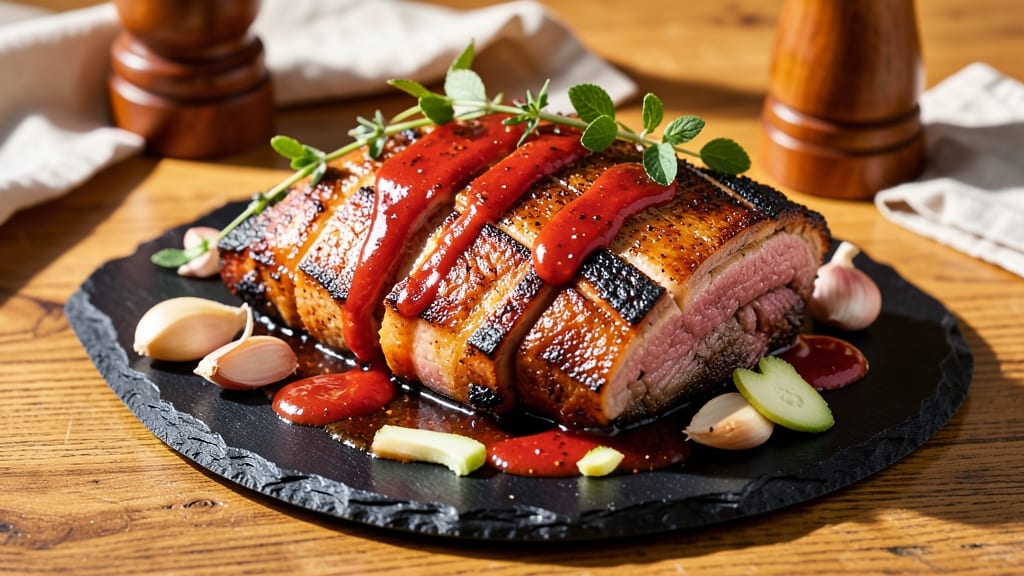
This bossam pork belly recipe transforms fatty pork belly into crispy, aromatic bites with a sticky pineapple glaze that balances sweet and savory. I first discovered bossam during a Charleston market trip, where the contrast of textures—crispy, tender, and juicy—made it impossible to resist.
The five-spice crust adds depth, while the glaze ties everything together with a tangy-sweet finish that’s impossible to ignore.
What sets this recipe apart is the technique: marinating the pork belly in a blend of soy sauce, rice wine, and five-spice powder ensures maximum flavor penetration, while high-heat searing creates that signature crackling crust.
The pineapple glaze, simmered with gochujang and honey, adds a sticky contrast that makes every bite irresistible. It’s the kind of dish that feels both nostalgic and modern—comforting yet elevated.
The result is a dish that’s perfect for serving with traditional accompaniments like ssamjang, kimchi, and pickled radish. The crispy pork belly pairs beautifully with the tangy ssamjang, while the fresh lettuce wraps add a light, crunchy element.
This recipe delivers restaurant-quality results at home, with a technique that’s approachable yet impressive enough for dinner guests.
Whether you’re serving it as a main course or an appetizer, the combination of textures and flavors makes this bossam pork belly a standout. The key is patience—letting the pork belly render slowly for that perfect balance of crispy and tender. Here’s how to achieve it every time.
Ingredients for bossam pork belly
Pork belly, aromatic spices, and sticky-sweet glaze create this crispy, restaurant-quality dish.
| Ingredient | Amount | Notes |
|---|---|---|
| Pork Belly 🥓 | 2 lb | Skin-on, fatty cuts preferred |
| Soy Sauce 🍶 | ½ cup | Kikkoman preferred for balance |
| Rice Wine 🍷 | ¼ cup | Dry sherry substitute works |
| Five-Spice Powder 🌶️ | 1 tbsp | Homemade blend preferred |
| Garlic Cloves 🧄 | 6 cloves | Minced for marinade |
| Ginger Root 🌿 | 1 tbsp | Freshly grated preferred |
| Sesame Oil 🫒 | 1 tbsp | Toasted for aroma |
| Pineapple Juice 🍍 | ½ cup | Fresh preferred, no pulp |
| Gochujang 🌶️ | 2 tbsp | Korean chili paste for depth |
| Honey 🍯 | 1 tbsp | Wildflower preferred |
| Vegetable Oil 🫒 | ½ cup | High smoke point for frying |
| Cornstarch 🌾 | 2 tbsp | For crispy coating |
| Green Onions 🧅 | 4 whole | Thinly sliced for garnish |
| Sesame Seeds 🌰 | 1 tbsp | Toasted for garnish |
| Salt 🧂 | 1 ½ tsp | Diamond Crystal preferred |
The pork belly is non-negotiable for texture—look for thick cuts with visible fat marbling. Local butchers often have the best selections, or opt for pre-sliced belly at Asian markets like H Mart. Five-spice powder should contain star anise, cloves, cinnamon, fennel, and Sichuan peppercorn for authenticity. If making your own blend, toast the spices briefly before grinding for deeper flavor. The garlic and ginger should be vibrant, with no signs of sprouting or discoloration.
No rice wine? Dry sherry or mirin work in a pinch, though flavor will differ slightly. Substitute gochujang with 1 tbsp sriracha plus 1 tsp soy sauce if unavailable, but the heat profile will change. For the pineapple juice, fresh is ideal, but canned unsweetened pineapple juice (like Del Monte) works if you're short on time. The cornstarch coating is essential for that signature crisp—don't skip it, even if you're impatient for the frying step.
Marinated pork belly keeps 3 days in the fridge, covered tightly. The glaze can be made 2 days ahead and reheated gently. For best results, fry the pork belly fresh, but you can reheat pre-cooked slices in a 350°F oven for 10 minutes to restore crispiness. Store leftovers in an airtight container with parchment between layers to maintain texture.
Why You'll Love This Recipe
- One-Pan Magic: I swear by this recipe on nights when I’d rather not wash a million dishes. The pork belly renders its own fat, crisping up while the garlic and five-spice powder caramelize in the same pan—no extra bowls, no fuss.
- Crispy-Creamy Obsession: That first bite? The outside shatters with a satisfying crackle, while the inside stays juicy and tender—like a hug from your favorite Korean comfort food. The rice wine and soy sauce marry into something dangerously addictive.
- Leftovers That Lie: Between us, I’ve reheated this pork belly three times in a row and no one’s complained. The crispiness softens just enough to stay delicious, and it’s perfect cold in rice bowls or wrapped in lettuce cups the next day.
- Budget Banger: Pork belly might sound fancy, but it stretches further than you’d think. A single slab feeds four, and the spices cost pennies. Honestly, it’s my go-to when I want restaurant-quality flavor without the price tag.
Step-by-step instructions for bossam pork belly
Here's the method to achieve that signature crispy five-spice crust with a perfectly balanced sticky glaze.
Prepare the Pork Belly for Maximum Crisp
Begin by scoring the pork belly in a diamond pattern, cutting through the fat but not into the meat. This creates channels that render fat evenly and promote crispiness. Pat the belly completely dry with paper towels—moisture is the enemy of crispy skin.
In a small bowl, whisk together the 0.5 cup soy sauce, 0.25 cup rice wine, 1 tbsp five-spice powder, 1.5 tsp salt, 6 minced garlic cloves, and 1 tbsp freshly grated ginger root. Rub this marinade all over the pork belly, pressing it into the scored fat. Let it marinate uncovered in the refrigerator for at least 2 hours, preferably overnight. This step ensures deep flavor penetration and helps tenderize the meat.
Create the Sticky Pineapple Glaze
In a medium saucepan, combine the 0.5 cup pineapple juice, 2 tbsp gochujang, and 1 tbsp honey. Bring to a simmer over medium heat and cook for 5-7 minutes until slightly reduced and thickened. The mixture should coat the back of a spoon—this is your signature sticky glaze.
In a separate small bowl, whisk together 2 tbsp cornstarch with 2 tablespoons of water to create a slurry. Slowly stir this into the pineapple mixture while simmering for another 2-3 minutes until glossy and thickened. Remove from heat and stir in 1 tbsp toasted sesame oil. Set aside to cool slightly—this glaze will be applied later for that signature glossy finish.
Render Fat and Build Crispy Crust
Preheat your oven to 375°F. Heat 0.5 cup vegetable oil in a large oven-safe skillet over medium-high heat until shimmering. Place the marinated pork belly fat-side down in the skillet and cook for 10-12 minutes, pressing down gently with a spatula to encourage even fat rendering.
Flip the pork belly and cook for another 8-10 minutes until the skin is deeply golden and crispy. Transfer the skillet to the preheated oven and roast for 20-25 minutes, basting occasionally with the rendered fat, until the internal temperature reaches 195-200°F and the meat is fork-tender. The skin should be crackling crisp while the meat remains juicy.
Glaze and Garnish for Presentation
Remove the pork belly from the oven and transfer it to a cutting board. Let it rest for 10 minutes before slicing into ½-inch thick slices. This resting period allows the juices to redistribute, ensuring each bite is moist and flavorful.
Place the sliced pork belly on a serving platter and drizzle generously with the reserved pineapple glaze. Garnish with thinly sliced green onions and toasted sesame seeds for color and texture contrast. The glaze should cling beautifully to both the crispy skin and tender meat, creating that perfect balance of textures and flavors.
Serve Immediately for Optimal Texture
Bossam pork belly is best served immediately while the skin remains crispy. The contrast between the crackling exterior and tender interior, combined with the sweet-spicy glaze, makes each bite unforgettable. Pair with steamed rice to soak up every last drop of that delicious sauce.
For an authentic experience, serve with a side of kimchi and a simple cucumber salad. The acidity of the kimchi cuts through the richness of the pork belly, while the freshness of the cucumber salad provides a refreshing contrast. Enjoy this Korean classic with friends or family—it's always a crowd-pleaser!
Pro Tips For Making Bossam Pork Belly
- CUT BELLY IN SLICES: Pork belly for bossam needs to be thin—about ½-inch thick or less. Thicker slices won’t crisp properly, and you’ll end up with chewy, uneven bites. Use a sharp knife and work against the grain if you’re worried about tearing, but don’t overthink it—just keep it consistent.
- SEAR IN BATCHES: Skip the crowding. Toss the pork belly in a single layer in your pan and let it sizzle undisturbed for 2-3 minutes per side before flipping. I learned this the hard way—piling it all in at once just steams the meat instead of building that crispy crust everyone loves.
- DEGLAZE WITH RICE WINE: After searing, don’t just dump soy sauce and call it a day. Splash in that rice wine first—let it bubble for 30 seconds to cook off the alcohol. Then add the soy sauce and five-spice. The wine adds depth, and it’s the only time you’ll actually taste it in the final dish.
- GARLIC: MINCE IT FINE: Whole garlic cloves or rough chopping? No. For bossam, you want the flavor to dissolve into the sauce, not just sit as chunks. Mince it so fine it’s almost paste-like—this way, every bite gets that punchy, aromatic hit without overwhelming the pork. (Yes, even if you’re impatient like me.)
Storing and reheating your leftovers
Refrigerator Storage
After cooking, let your bossam pork belly cool to room temperature before storing. Place slices in an airtight container with parchment paper between layers to maintain crispiness.
The pork belly stays fresh in the fridge for up to 4 days—I always double-check the fat hasn't turned cloudy, which signals spoilage. Store the pineapple glaze separately in a small sealed jar to preserve its sticky texture. 🥓
Freezer Preservation
For longer storage, freeze cooked bossam pork belly in a single layer on a tray before transferring to a freezer bag. Label with the date—it keeps for 3 months without losing texture.
When reheating, I recommend thawing overnight in the fridge, then crisping in a 400°F oven for 8-10 minutes with a light spray of oil to restore that crackling crust. The glaze can be frozen separately and reheated gently on the stovetop. ❄️
Reheating Crispy Texture
To revive crispiness, preheat your oven to 425°F and place pork belly slices on a wire rack over a baking sheet. Bake for 6-8 minutes until golden again.
For stovetop reheating, use a nonstick skillet over medium-high heat with 1 tbsp vegetable oil, cooking for 2-3 minutes per side. The key is high heat and minimal moisture—never cover with a lid! 🔥
Glaze Refresh Tips
The pineapple glaze thickens when chilled, so thin with 1 tsp water before reheating. Warm in a small saucepan over low heat for 2-3 minutes, stirring constantly. For extra shine, brush a tiny bit of toasted sesame oil over reheated slices before serving.
This glaze is best used within 5 days of reheating for peak flavor. 💫
Serving Leftovers Creatively
Use leftover bossam pork belly in lettuce wraps with ssamjang and kimchi for a quick lunch. Or chop into bite-sized pieces and serve in a pork belly ramen with miso broth.
The crispy texture holds up surprisingly well in soups when reheated properly. I also love tossing slices with quick-pickled cucumbers for a refreshing salad. 🌱
Equipment Essentials
For best results, use a cast iron skillet for frying—the heavy material maintains even heat. A meat thermometer ensures perfect doneness, and parchment paper is non-negotiable for storage. I keep a small saucepan dedicated to reheating glazes to avoid sticking. These tools make all the difference in texture preservation. 💡
Nutrition facts
Frequently asked questions
Can I substitute regular pork shoulder for pork belly?
Pork belly is essential for that signature crispy texture, but if you must substitute, use thick-cut pork shoulder with extra fat. Trim all visible fat to ¼-inch thickness and score it aggressively to mimic the fat channels. The meat will be less tender, but the five-spice crust will still shine. For best results, marinate longer (4-6 hours) to compensate for the leaner cut.
How do I make the five-spice powder if I can't find it?
Mix equal parts star anise, cinnamon, cloves, fennel seeds, and Sichuan peppercorns (toasted and crushed). Start with 1 tsp total and adjust to taste. Toast the whole spices in a dry pan for 2 minutes before grinding for deeper flavor. Store in an airtight container—it keeps for 6 months.
Why did my pork belly turn out greasy instead of crispy?
Greasy results usually mean the fat rendered too quickly without crisping. Pat the belly extra dry before cooking, and reduce oven temperature to 350°F for the final roast. Press down gently with a spatula during frying to encourage even browning. If the skin still isn't crispy, try frying at medium heat for 15 minutes before flipping.
Can I make bossam pork belly ahead of time?
Yes! Cook the pork belly 1 day ahead and store it in the fridge. Reheat slices in a 425°F oven for 6-8 minutes with a light oil spray to restore crispiness. The glaze can be made 2 days ahead and reheated gently. For lettuce wraps, assemble just before serving to keep the lettuce crisp.
What's the best way to serve bossam pork belly?
Serve with steamed rice, ssamjang (Korean dipping sauce), and kimchi for an authentic experience. For a modern twist, pair with quick-pickled cucumbers or a sesame slaw. Use the pineapple glaze generously—it's the star of the dish! For a crowd, set up a DIY bossam bar with lettuce leaves, ssamjang, and extra kimchi.