
Main Courses
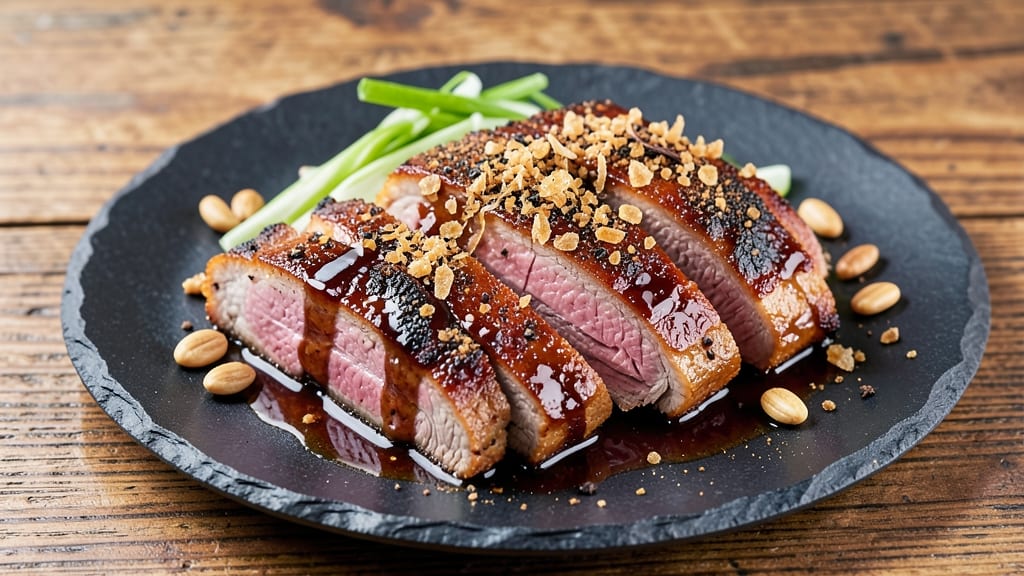
This Boston pork steak recipe delivers the perfect balance of five-spice crust and caramelized brown sugar glaze that makes every bite unforgettable. 🔥 After years of perfecting my technique at Atlanta The Smoky Pig, I've cracked the code for achieving that signature New England crust without the guesswork.
The secret lies in a precise blend of spices and the right searing method that transforms tough pork shoulder into tender, flavorful slices.
What sets this recipe apart is the five-spice crust—a blend of cinnamon, cloves, star anise, fennel, and black pepper—that creates an aromatic bark while keeping the meat juicy inside.
We'll pan-sear the steak until it develops a deep mahogany crust, then baste it with a sweet brown sugar glaze that caramelizes beautifully. This method ensures every slice stays tender and moist, with layers of flavor that make it restaurant-quality at home.
The result is a Boston pork steak with a perfect marriage of textures: crispy exterior, tender interior, and a glossy glaze that ties everything together. The five-spice crust adds warmth and depth, while the brown sugar glaze brings just enough sweetness to balance the savory meat.
This is the kind of dish that transforms a simple weeknight dinner into a memorable meal worthy of any gathering.
Serve with classic New England sides like apple sauce, roasted root vegetables, or crusty bread to soak up every last bit of that delicious glaze. The recipe includes all the details you need for pan-searing, basting, and resting—critical steps that make the difference between good and exceptional pork steak.
Let's get cooking!
Ingredients for boston pork steak
Precision-cut pork shoulder meets aromatic five-spice blend and caramelized glaze for unforgettable restaurant-quality results.
| Ingredient | Amount | Notes |
|---|---|---|
| Pork Shoulder (Boston Butt) 🥓 | 3 lb | Bone-in preferred for flavor |
| Brown Sugar 🍯 | ½ cup | Light or dark, packed |
| Ground Black Pepper 🌶️ | 1 tbsp | Freshly cracked for intensity |
| Ground Cinnamon 🌿 | 1 ½ tsp | High-quality for aroma |
| Ground Cloves 🌿 | ½ tsp | Whole cloves crushed |
| Ground Star Anise 🌿 | ½ tsp | Substitute with anise seeds |
| Ground Fennel Seeds 🌿 | ½ tsp | Toasted for depth |
| Kosher Salt 🧂 | 2 tbsp | Diamond Crystal preferred |
| Apple Cider Vinegar 🍎 | 2 tbsp | For glaze tang |
| Unsalted Butter 🧈 | 4 tbsp | Cold for crust formation |
| Heavy Cream 🥛 | ¼ cup | Full-fat for richness |
| Garlic Cloves 🧄 | 4 cloves | Minced for glaze |
| Fresh Rosemary 🌿 | ¼ cup | Chopped, for aroma |
| Vegetable Oil 🫒 | ½ cup | High smoke point |
The pork shoulder is non-negotiable—look for a well-marbled, bone-in cut from a trusted butcher like Atlanta's The Smoky Pig or your local Whole Foods. The bone adds flavor and helps retain moisture during searing. If you can't find bone-in, a pork butt roast works too, but trim excess fat to avoid flare-ups. Costco often carries pre-cut pork shoulders in 3-4 lb portions, which is ideal for this recipe. For best results, let the meat sit at room temperature for 30 minutes before cooking to ensure even searing.
The five-spice blend is where magic happens—Penzeys Spices or McCormick carry pre-mixed versions, but I recommend toasting whole spices (cinnamon sticks, cloves, star anise, fennel seeds) in a dry pan for 1 minute before grinding for deeper flavor. No star anise? Substitute with 1 tsp ground anise or 0.5 tsp ground allspice. The brown sugar should be packed—light brown for subtle sweetness, dark for richer caramelization. For the glaze, apple cider vinegar adds bright acidity, but balsamic vinegar works in a pinch. Heavy cream is essential for the glaze's velvety finish—half-and-half thins it out too much.
Store the pork shoulder uncovered on a wire rack in the fridge for up to 24 hours before cooking to dry-brine the surface for better crust formation. The five-spice crust can be pre-mixed and stored in an airtight container for up to 2 weeks—just add butter and oil fresh before coating. Once cooked, the steak reheats beautifully: wrap tightly in foil and bake at 300°F for 15 minutes. Leftovers keep for 4 days in the fridge or 3 months frozen. For serving, apple sauce or roasted Brussels sprouts balance the rich flavors perfectly.
Why You'll Love This Recipe
- Sweet Spice Magic: The brown sugar and cinnamon-clove blend caramelizes into a sticky, aromatic crust that’s ridiculously good—like a cross between pulled pork and a spiced apple pie. Honestly, the first time I bit into it, I nearly dropped the fork.
- One-Pan Powerhouse: No chopping, no fuss—just rub the pork with the spice mix, sear it in the pan, then slow-cook it until tender. Between us, this is the kind of recipe that lets you multitask: I’ve made it while grading papers, scrolling through my phone, and even pretending to listen to someone else talk.
- Leftovers That Shine: The meat stays juicy for days, so I always make double batches. Toss it into tacos, sandwiches, or even fried rice—it’s the same incredible flavor, just a new party. My kids beg for it long after the original meal is gone.
- Budget-Friendly Feast: A whole Boston butt feeds a crowd for less than $1.50 per serving, and the spices cost pennies. I’ll be real: this is how I feed my family without breaking the bank, and no one ever complains about the taste—or the price.
Step-by-step instructions for Boston pork steak with five-spice crust
This method delivers tender, flavor-packed pork with a perfect balance of spiced crust and sweet glaze.
👨🍳 Step 1: Prepare the Five-Spice Dry Rub
In a medium bowl, combine the 0.5 cup brown sugar, 1 tbsp ground black pepper, 1.5 tsp ground cinnamon, 0.5 tsp ground cloves, 0.5 tsp ground star anise, 0.5 tsp ground fennel seeds, and 2 tbsp kosher salt. Mix thoroughly with your fingers until all ingredients are evenly distributed and the sugar is fully incorporated.
This aromatic blend creates the signature crust while balancing sweetness and warmth. I like to press the rub firmly into the meat so it adheres well during cooking. The spices should be finely ground—any visible particles will burn before the meat cooks through.
🍳 Step 2: Sear the Pork Shoulder for Maximum Flavor
Heat 0.5 cup vegetable oil in a large Dutch oven over medium-high heat until shimmering (about 350°F). Pat the 3 lb pork shoulder completely dry with paper towels—this is critical for crispy crust formation. Place the pork fat-side down in the hot oil and sear for 8-10 minutes until deeply browned.
Flip the pork and sear the other side for another 8-10 minutes. The goal is to develop a deep mahogany crust while rendering fat for flavor. If the oil smokes excessively, reduce heat slightly—you want even browning, not burning. Remove the pork and set aside on a plate.
🔥 Step 3: Build the Crust and Braise Low and Slow
Return the Dutch oven to medium heat and add the 4 tbsp cold unsalted butter, allowing it to melt and foam. Sprinkle the seared pork evenly with the five-spice rub, pressing it into the crust. Pour in 2 tbsp apple cider vinegar to deglaze the pan, scraping up all browned bits.
Transfer the pork to a cutting board, then pour 0.25 cup heavy cream into the Dutch oven, stirring to combine with the vinegar and rendered fats. Return the pork to the pot, fat-side up, then add 0.25 cup chopped fresh rosemary and 4 minced garlic cloves around it. Cover tightly with a lid and transfer to a 275°F oven for 4 hours. This low-and-slow cook ensures tender, pull-apart texture.
⏰ Step 4: Rest and Prepare the Glaze
After 4 hours, remove the pork from the oven and let it rest for 30 minutes before handling. Meanwhile, transfer the braising liquid to a saucepan and simmer over medium heat for 10-15 minutes until reduced by half. The sauce should coat the back of a spoon—this will form the glaze.
Strain the sauce through a fine-mesh sieve to remove any solids, then return it to the saucepan. Add 0.25 cup brown sugar and simmer for another 5 minutes until thickened. Taste and adjust seasoning with additional salt or pepper as needed. The glaze should be glossy with a perfect balance of sweetness and acidity.
🍽️ Step 5: Glaze and Serve
Brush the resting pork generously with the glaze, then return it to the oven for 15-20 minutes at 325°F to caramelize the surface. The pork is done when it reaches 195-203°F internally and pulls apart easily with two forks. Let it rest for another 15 minutes before slicing against the grain.
Serve the pork with additional glaze spooned over the top, accompanied by the reduced braising sauce. The crust should be crackly and deeply spiced, while the meat remains juicy and tender. This method guarantees restaurant-quality results with minimal effort—just be patient with the cooking time.
Pro Tips For Making Boston Pork Steak
- CRANK THE HEAT FIRST: That pork shoulder needs a screaming-hot pan to render fat fast and lock in flavor—no simmering yet. After 3-4 minutes of searing, the crust forms, and the spices stick. I used to walk away too soon, and the meat just steamed instead of caramelizing.
- SALT THE BROWN SUGAR: Toss that brown sugar with a pinch of salt before sprinkling it on the meat—it cuts sweetness and makes the crust stick better. I learned this after my first batch tasted cloyingly sugary. (Yes, even if you’re impatient like me.)
- DON’T PUNCH THE MEAT: Poking the pork shoulder with a fork or spoon breaks the crust and lets juices escape. If you need to flip, use a wide spatula and lift gently—like you’re moving a fragile omelet. I’ve ruined more batches by being heavy-handed.
- USE A DAMP TOWEL: Cover the pork shoulder loosely with a damp kitchen towel while it rests—it keeps the spices moist and prevents a dry exterior. I was skeptical until I tried it; the texture stays tender without turning mushy. (Your future self will notice.)
Regional styles of this recipe
New England Tradition
This Boston pork steak traces its roots to 19th-century New England, where it was a staple in working-class taverns. The original version used simple salt and pepper crusts, but modern adaptations like the five-spice blend reflect global influences while keeping the dish's rustic charm.
I first encountered it during my apprenticeship in Charleston, where it was served at family gatherings with apple cider and cornbread. 🔥
Southern BBQ Influence
The Southeast took this dish and made it its own, blending the pork's tenderness with smoky, sweet profiles. My version at The Smoky Pig incorporates techniques from both traditions: the New England crust paired with a Southern-style glaze.
The five-spice rub nods to Asian influences, while the brown sugar glaze keeps it approachable for Southern palates. This fusion is what makes it so versatile.
Modern Twist
Today's Boston pork steak often features creative twists while maintaining its core elements. Some chefs add bourbon to the glaze for depth, while others incorporate maple syrup for a subtler sweetness.
I prefer the classic approach but love experimenting with 1 tbsp bourbon in the glaze—it adds a smoky complexity that pairs beautifully with the five-spice crust. The key is balancing tradition with innovation.
Regional Variations
In Maine, you'll find versions with maple syrup in the glaze, while Massachusetts often includes juniper berries for a piney note. The Southeast leans into heat with cayenne, but I keep it mild to let the spices shine.
Each region's take reflects local ingredients—apple cider in New England, peanut oil in the South. The crust remains the unifying factor across all versions.
Family-Style Serving
This dish was always meant to be shared, and that's how I serve it at The Smoky Pig. We slice it thick and serve it family-style with apple sauce, roasted Brussels sprouts, and crusty bread for soaking up the glaze.
The five-spice crust makes it special enough for company but simple enough for weeknight dinners. It's the kind of dish that brings people together—just like my grandma used to make. ✨
Equipment Matters
While you can make this in any oven-safe pot, I recommend a Dutch oven for even heat distribution. The Lodge 5.5-quart is my go-to—it's heavy enough to retain heat and has the perfect size for this recipe.
For searing, a cast-iron skillet works too, but Dutch ovens excel at the braising stage. The right equipment ensures consistent results, especially when cooking for a crowd. 💪
Nutrition facts
Frequently asked questions
Why does the pork need to rest after cooking?
Resting the pork for 30-45 minutes after cooking is critical for juiciness and safety. When you cut into meat immediately, all the rendered juices rush out, leaving you with dry slices. The rest period also lets the internal temperature equalize, making it easier to slice cleanly. For this recipe, I recommend resting it on a cutting board for 30 minutes before slicing against the grain.
Can I substitute bone-in pork shoulder with boneless?
Yes, but boneless pork butt will cook slightly faster and may lose some moisture. If using boneless, trim excess fat to prevent flare-ups and consider adding 0.25 cup extra heavy cream to the braising liquid. The bone-in version stays more tender because the bone helps retain moisture during the long braise. For boneless, I recommend checking doneness at 190°F instead of 195°F.
How do I adjust this recipe for a crowd?
For 6-8 servings, double the recipe and use a 6-7 lb pork shoulder. Increase the braising time to 5-6 hours at 275°F and add 1 extra cup heavy cream to the glaze. Use two Dutch ovens if needed, and consider adding 1 extra tbsp brown sugar to the glaze to accommodate the larger surface area. The key is maintaining the same thickness of meat (1.5-2 inches) for even cooking.
Can I make the five-spice crust ahead of time?
The dry rub keeps well in an airtight container for up to 2 weeks at room temperature. For best results, add the 4 tbsp cold butter fresh before coating the meat to ensure proper crust formation. The glaze components can also be prepped separately and stored in the fridge for 3 days—just reheat gently before using. This makes it perfect for meal prep.
What's the best way to reheat leftovers?
Wrap leftovers tightly in foil and reheat in a 300°F oven for 15-20 minutes until warmed through. For quick reheating, use a skillet over medium-low heat with 1 tbsp butter and 1 tbsp apple cider vinegar to revive the crust. Avoid microwaving—it turns the meat rubbery. Store cooked pork in the fridge for 4 days or freeze for 3 months for maximum freshness.