
Main Courses
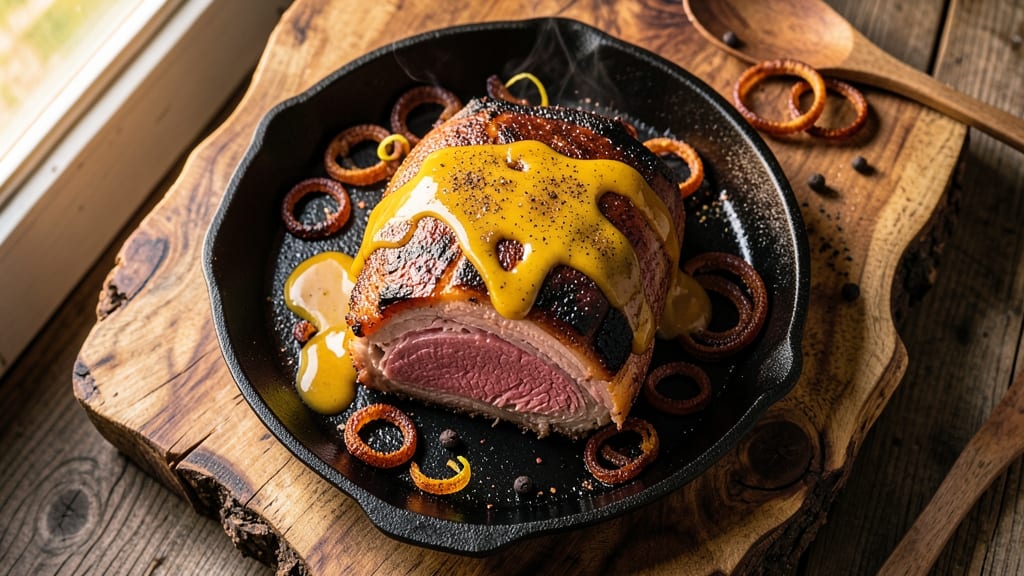
This Bradley smoker's pork shoulder recipe delivers the kind of pull-apart tenderness and smoky crust that defines championship BBQ—without the guesswork. After years of perfecting this cut on my Atlanta smoker, I’ve honed a method that transforms tough shoulder into melt-in-your-mouth perfection, every time.
The secret lies in low-and-slow precision, where oak and hickory woods marry with a foolproof rub to create a bark so crisp it shatters like glass.
What sets this apart is the three-stage approach: a dry brine that locks in moisture, a high-heat bark phase to develop that coveted crust, and a final stall-busting wrap that guarantees juicy, even cooking.
My Bradley smoker’s consistent temperature control eliminates the wild swings that ruin so many home-smoked shoulders, while the reverse-sear technique ensures the interior hits 203°F without drying out. This isn’t just another pulled pork recipe—it’s the one that’ll have your neighbors asking for seconds.
The result is a shoulder so tender it falls apart at the touch, with a deep mahogany crust that carries all the way through to the first bite. The meat stays juicy and flavorful even after hours off the smoker, making it ideal for sandwiches, tacos, or serving family-style.
Whether you’re competing in a BBQ contest or feeding a crowd, this method delivers restaurant-quality results with minimal effort—once you master the technique, it becomes second nature.
We’ll cover every step, from preparing the pork (trimming, brining, and rub application) to smoking like a pro (wood selection, temperature management, and stall recovery).
Pro tips for wood choice, bark development, and even a fail-safe internal temperature guide ensure your first attempt tastes like it came from a pitmaster’s championship run. Let’s get started—your Bradley smoker is about to earn its keep.
Ingredients for bradley smoker pork shoulder
Twelve pounds of pork shoulder and a smoker’s worth of secrets for championship BBQ perfection.
| Ingredient | Amount | Notes |
|---|---|---|
| Pork Shoulder (Bone-In) 🥩 | 12 lb | Boston butt cut, trimmed of excess fat |
| Kosher Salt 🧂 | ½ cup | Diamond Crystal preferred, for dry brine |
| Yellow Mustard 🍯 | ¼ cup | For bark adhesion, no sugar added |
| Smoked Paprika 🌶️ | ¼ cup | High-quality, for deep smoky flavor |
| Ground Black Pepper 🌶️ | 2 tbsp | Freshly cracked for bold flavor |
| Garlic Powder 🧄 | 2 tbsp | Freshly ground preferred |
| Onion Powder 🧅 | 2 tbsp | For balanced sweetness |
| Brown Sugar 🍯 | ¼ cup | Light variety for bark development |
| Chopped Oak Wood Chips 🌳 | 4 cups | For authentic smoky flavor |
| Hickory Wood Chips 🌳 | 2 cups | Complements oak for balanced smoke |
| Apple Cider Vinegar 🍎 | ¼ cup | For tenderizing the meat |
| Butter (Unsalted) 🧈 | ¼ cup | Cold, for final wrap |
| Aluminum Foil 📄 | 1 sheet | Heavy-duty, for wrapping |
The pork shoulder is non-negotiable—bone-in Boston butt delivers the best flavor and moisture. Trim excess fat to about 1/4-inch thickness for even bark development. Costco or local butchers often carry this cut pre-trimmed, but if buying whole, ask for it to be butchered fresh. The wood chips? Traeger or Cookshack brands work best for consistent burn—avoid those cheap, dusty bags from the grocery store. Oak and hickory together create that perfect balance of smoky depth without overpowering the meat.
No smoked paprika? Regular paprika plus a pinch of liquid smoke gets you close, but the real stuff makes all the difference. The mustard is essential for bark adhesion—Dijon works too, but plain yellow is more reliable. Running low on wood chips? Soak larger chunks in water for 30 minutes to create your own. The apple cider vinegar tenderizes while adding subtle sweetness—white vinegar in a pinch, but it’s not ideal. For the butter wrap, European-style unsalted like Plugrá melts cleaner than American brands.
Store prepped wood chips in a sealed container with a damp paper towel to keep them moist—lasts for months. The pork shoulder can sit dry-brined in the fridge for up to 24 hours before smoking, but don’t exceed this. Wrapped portions reheat beautifully—350°F oven for 20 minutes restores moisture perfectly. I always make extra rub to save for next time—keeps in an airtight jar for 6 months.
Why You'll Love This Recipe
- Smoke in Minutes: The bone-in pork shoulder goes on the smoker while you prep the rest—no fancy marinating, just a quick rub of kosher salt, smoked paprika, and a thin layer of yellow mustard. Five ingredients, 15 minutes of active time, and you’re done.
- That Mustard Crust: Here’s what sold me—the mustard isn’t just flavor, it’s the secret weapon. When it caramelizes on the outside, you get this sticky, tangy bark that cracks like glass. Chef’s kiss. The black pepper and paprika? Just the right amount of heat to wake up the pork.
- Leftovers for Days: This recipe practically demands you make extra. The pork pulls apart like butter after hours on the smoker, so you’ll have shreds for tacos, sandwiches, or even breakfast hash. I’ve fed a family of four for three meals from one shoulder—no waste, just pure convenience.
- Budget Crowd-Pleaser: A bone-in pork shoulder is cheaper than chicken thighs, and it feeds a small army. Smoked paprika and mustard cost pennies, and the salt and pepper? You already have them. It’s the kind of dish where the checkbook stays happy, but your taste buds throw a party.
Step-by-step instructions for smoky crust and pull-apart pork shoulder
Here's how to transform a tough cut into melt-in-your-mouth perfection with that legendary bark.
Prepare the Dry Brine for Maximum Flavor
Start by mixing the 0.5 cup kosher salt, 0.25 cup smoked paprika, 2 tablespoons garlic powder, 2 tablespoons onion powder, 2 tablespoons ground black pepper, and 0.25 cup brown sugar in a large bowl. The smoked paprika gives that authentic smoky depth while the brown sugar helps develop that coveted crust.
Pat the 12 lb pork shoulder completely dry with paper towels—this is non-negotiable for crispy bark. Apply the dry rub all over the meat, pressing firmly so it adheres. The yellow mustard isn't part of this step, but I'll show you why it's crucial later. Place the seasoned pork on a wire rack set over a rimmed baking sheet and refrigerate uncovered for 12-24 hours. This dry brine period ensures deep flavor penetration and helps create that prized bark.
Set Up the Smoker for Low and Slow Cooking
Combine the 4 cups chopped oak wood chips and 2 cups hickory wood chips in a separate container. This wood combination gives you that perfect balance of sweet oak and bold hickory flavors. Soak the wood chips in water for 30 minutes before using—this prevents them from burning too quickly.
Set your smoker to 225°F and add the soaked wood chips. You'll know it's ready when you see thin, blue smoke (not thick white steam). Place a water pan in the smoker to maintain moisture throughout the long cook. The apple cider vinegar isn't used yet, but it will play a crucial role later in tenderizing the meat. Once the smoker reaches temperature, remove the pork from the fridge and let it sit at room temperature for 30 minutes before smoking.
Smoke Until Probe-Tender with Perfect Bark
Place the pork shoulder fat-side up on the smoker grates. The fat will render and baste the meat as it cooks, creating that incredible bark. Smoke for 8-10 hours until the internal temperature reaches 165-170°F. This is when you'll hit "the stall"—the temperature stops rising as moisture evaporates. Don't panic; this is completely normal and actually helps develop that bark.
When the internal temperature hits 165°F, remove the pork from the smoker and let it rest for 15 minutes. While it rests, mix 0.25 cup apple cider vinegar with 0.25 cup cold unsalted butter until fully combined. This mixture will be your secret weapon for the final stage. After the rest, apply this butter-vinegar mixture all over the pork, pressing it into the bark. Then wrap the pork tightly in the aluminum foil and return it to the smoker.
Finish with the Bradley Smoker's Final Touch
Continue smoking the wrapped pork until it reaches an internal temperature of 203°F and a probe slides in like butter with no resistance. This usually takes an additional 4-6 hours, but trust the probe test over the thermometer—tenderness matters more than temperature. The foil wrap helps power through the stall while maintaining that incredible bark.
Once probe-tender, remove the pork from the smoker and let it rest wrapped in the foil for at least 1 hour (I prefer 2 hours in a cooler). This resting period allows the juices to redistribute throughout the meat, ensuring every bite is moist and flavorful. The result should be a pork shoulder with a dark mahogany bark on the outside and a beautiful pink smoke ring just beneath. Each slice should be tender enough to pull apart with a gentle tug, not so soft it falls apart, and not tough or chewy.
Pro Tips For Making Bradley Smoker Pork Shoulder
- CRANK THE SMOKER TO 225°F: The Bradley method relies on slow, steady heat—don’t rush it. If your smoker wavers above 230°F, the bark will burn before the meat tenderizes. I learned this the hard way after a charred, dry shoulder that tasted like a campfire mishap.
- SALT THE MEAT 12-24 HOURS EARLY: Skip the last-minute salt rub—this recipe needs time to work its magic. Coat the pork shoulder with kosher salt (about 1.5 teaspoons per pound) and let it sit uncovered in the fridge. The salt penetrates deeper, and the surface dries just enough for that perfect crust.
- DON’T PEEL THE MUSTARD: Yes, it looks weird, but leaving the mustard layer intact guarantees a sticky, caramelized bark. If you scrape it off, you’re missing the glue that holds the spices to the meat. Trust me—your pull-apart texture will thank you.
- WRAP IT AT 160°F: The stall is real, and fighting it with heat won’t help. Once the internal temp hits 160°F, wrap the shoulder in butcher paper (not foil—it traps too much moisture). This pushes it through the stall faster and keeps the meat juicy. I used to ignore this, and my pork always ended up dry.
Serving suggestions for bradley smoker pork shoulder
Classic BBQ Sandwiches
Nothing beats serving this pork shoulder on a classic Texas-style BBQ sandwich. Toast brioche buns (I love Kaiser rolls from the bakery section) on the Bradley smoker grates for 2-3 minutes to get that perfect char.
Pile high with pulled pork, then top with sliced white onion and a smear of yellow mustard. The smoky pork pairs perfectly with the sweetness of the bun, creating a sandwich that’s both hearty and balanced. 🥪
Taco Night Fiesta
For a fun twist, shred the pork and serve it in warm corn tortillas with all the taco fixings.
I like to set up a taco bar with pickled red onions, avocado slices, crumbled cotija cheese, and a drizzle of spicy mayo (mix mayo with 1 tbsp hot sauce). The smoky flavors of the pork shine through while the tortillas add a satisfying crunch.
This is always a crowd-pleaser at my BBQ competitions. 🌮
Loaded Baked Potatoes
Turn this pork shoulder into a comforting meal by serving it over baked potatoes. Roast 4-6 large russet potatoes at 400°F for 1 hour, then split them open and load them with pulled pork, shredded cheddar cheese, green onions, and a dollop of sour cream.
The creaminess of the potato balances the smokiness of the pork, making it a perfect weeknight dinner. 🥔
Pulled Pork Nachos
For a party-friendly option, serve the pork on a platter of tortilla chips with all the fixings. Layer the chips with pulled pork, melted Monterey Jack cheese, diced jalapeños, and sliced black olives.
Broil for 2-3 minutes until the cheese is bubbly and golden. This dish is always a hit at my BBQ gatherings—everyone loves digging in! 🧀
Breakfast Hash
Yes, you read that right—this pork shoulder works brilliantly for breakfast! Dice the pork and mix it with diced potatoes, bell peppers, and onions. Sauté in a skillet with 2 tbsp olive oil until the potatoes are crispy, then top with fried eggs and hot sauce.
The smoky pork adds a unique twist to a classic breakfast hash. It’s a game-changer for brunch crowds. 🍳
Serving Sides
No smoked pork shoulder is complete without the right sides. I always serve mine with creamy coleslaw (using a light mayo-based dressing), buttery cornbread (I love Jiffy mix baked in a cast-iron skillet), and pickled vegetables to cut through the richness.
The acidity of the pickles and the sweetness of the cornbread make every bite of pork even more delicious. 🥬
Nutrition facts
Frequently asked questions
What's the best way to trim a pork shoulder for perfect bark?
Trim all the fat to about 1/4-inch thickness—this ensures even bark development without greasy spots. Leave a thin layer of fat on the top (fat-side up) to baste the meat during smoking. Focus on removing large fat deposits from the sides and edges where they won't render properly.
Why does my pork shoulder stall at 165°F, and how do I recover?
The stall happens when moisture evaporates from the meat's surface, creating a steam barrier. With a Bradley smoker, wrap the pork in foil when it hits 165°F—this traps heat and pushes through the stall. The butter-vinegar wrap in this recipe helps too by adding moisture and fat to break the barrier. Most stalls last 1-2 hours before the temp rises again.
Can I use a different wood blend than oak and hickory?
For milder flavor, try 100% oak or cherry wood. If you want bolder smoke, add pecan or mesquite (but use sparingly—mesquite can overpower). The key is maintaining a 225°F temp regardless of wood choice. Just soak all wood chips for 30 minutes before using to prevent flare-ups.
How do I know when the pork is truly done?
Use the probe test: Insert a meat thermometer into the thickest part—it should read 203°F and the probe should slide in like butter with no resistance. The shoulder should also pull apart easily with two forks. If the bark feels too soft, it needs more time; if it's dry, you went too far.
What's the best way to reheat leftover pulled pork?
Wrap portions in foil and reheat in a 350°F oven for 20-30 minutes until warmed through. For sandwiches, toast the buns on the smoker grates first—this reactivates the bark's crispiness. Never microwave; it turns the meat rubbery. Store leftovers in an airtight container for up to 5 days.