
Main Courses
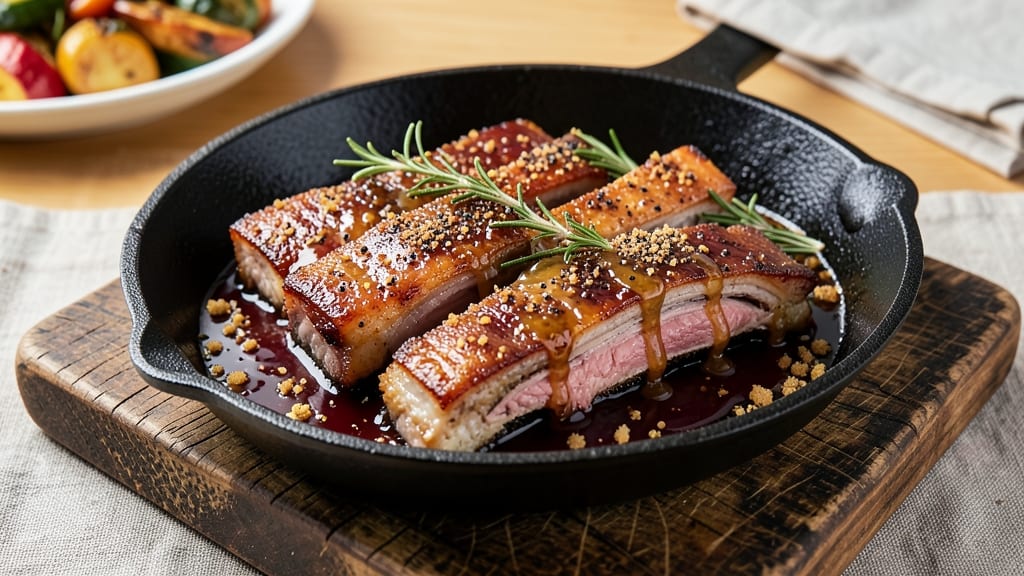
This braised country pork ribs recipe delivers the kind of fall-apart tenderness and deep umami crisp that transforms a simple weeknight meal into a showstopper. Growing up in Georgia, I learned that slow-cooked pork—simmered in its own juices with aromatic spices—becomes something magical when given time to develop.
The secret lies in the low-and-slow method, where tough country ribs melt into rich, flavorful layers that cling to every bite.
The process begins with a dry rub of smoked paprika, brown sugar, and black pepper, creating a caramelized crust that seals in moisture.
Then, the ribs braise in a rich, tangy liquid—red wine, apple cider vinegar, and chicken stock—until the meat practically dissolves at the touch of a fork. This technique ensures restaurant-quality results without requiring a pressure cooker, though I’ll share how to adapt it if you’re short on time.
What makes these ribs truly special is their versatility. Serve them with classic sides like creamy mashed potatoes or tangy coleslaw, or present them on a platter with crusty bread to soak up every last drop of that golden, aromatic braising liquid.
The contrast of crispy edges and tender meat is what makes this dish unforgettable—worth the hours of slow cooking for a meal that feels like a celebration.
Whether you’re feeding a crowd or treating yourself to a weeknight indulgence, these ribs deliver bold, satisfying flavors that stand up to any occasion. The key is patience—letting the spices and liquids work their magic until the meat is so tender it nearly falls apart.
Here’s how to bring this Southern classic to your table.
Ingredients for braised country pork ribs
Six aromatic ingredients transform tough ribs into melt-in-your-mouth masterpieces.
| Ingredient | Amount | Notes |
|---|---|---|
| Country-Style Pork Ribs 🥓 | 4 lb | Bone-in, meaty cuts preferred |
| Smoked Paprika 🌶️ | 2 tbsp | For deep, smoky flavor base |
| Light Brown Sugar 🍚 | ½ cup | Packed, for caramelized crust |
| Coarse Black Pepper 🌶️ | 1 ½ tbsp | Freshly cracked for texture |
| Dry Red Wine 🍷 | 1 cup | Cabernet Sauvignon or Merlot |
| Apple Cider Vinegar 🍎 | ¼ cup | For tangy depth of flavor |
| Chicken Stock 🍲 | 2 cups | Homemade or quality store-bought |
| Garlic Cloves 🧄 | 6 cloves | Smashed for intense aroma |
| Fresh Thyme Sprigs 🌿 | 4 whole | Or 1 tbsp dried thyme |
| Fresh Rosemary Sprigs 🌿 | 2 whole | For earthy herbal notes |
| Onion 🧅 | 1 whole | Yellow or red, sliced thick |
| Carrot 🥕 | 2 whole | Cut into thick chunks |
| Olive Oil 🫒 | ¼ cup | Extra-virgin for richness |
| Salt 🧂 | 1 ½ tbsp | Kosher salt for seasoning |
The ribs are the star—look for meaty country-style cuts with good marbling. Butcher shops often have the best selection, but the meat department at Whole Foods or Kroger usually carries quality options too. If you're buying whole ribs, trim any excess fat but leave the membrane intact for better flavor absorption. The smoked paprika is non-negotiable here—it's what gives those ribs that signature Southern depth. I always grab mine from the bulk section at Trader Joe's or Penzeys Spices for maximum freshness.
No red wine? Substitute with beef broth plus a splash of balsamic vinegar—it'll still deliver that rich, tangy profile. Fresh thyme and rosemary are ideal, but dried works at one-third the amount if that's all you've got. The brown sugar can be swapped for turbinado sugar if you prefer a coarser texture. For the onion and carrot, don't worry about perfect slices—just rough chunks that'll dissolve into the braising liquid. The garlic? Smash those cloves with the side of your knife before adding—they'll release their oils and flavor more aggressively.
This braising liquid is liquid gold—save some for reheating. The ribs reheat beautifully in the oven at 350°F for 20 minutes, covered with foil. Keeps in the fridge for 4-5 days or freezes for 3 months. I always make extra because the leftovers make incredible sandwiches the next day. Store the braising liquid separately if you want to use it for other dishes—it's packed with flavor. For best results, let the ribs come to room temperature before braising, about 30 minutes out of the fridge.
Why You'll Love This Recipe
- One-Pan Magic: Honestly, I swear by this recipe because it’s that hands-off. Toss the ribs in a Dutch oven with the wine, paprika, and sugar—then walk away. The slow simmer does all the work while you stir in the pepper and let the flavors meld into something rich and effortless.
- Wine-Infused Richness: Between us, that splash of dry red wine transforms this into something restaurant-worthy. The deep, smoky paprika and caramelized sugar hit different, but it’s the wine’s acidity that keeps it from being too heavy—like a cozy hug in sauce form.
- Leftovers That Shine: I make a double batch on Sundays because reheated ribs? Still tender, still packed with flavor. The sauce thickens beautifully, so you can serve them cold for sandwiches or warm over mashed potatoes—no one ever complains about seconds.
- Budget Feast for Crowds: Country-style ribs are cheaper than baby back, and this recipe stretches them further with the wine and sugar braise. Feed six people for under $20, and everyone leaves happy—no sad, overpriced takeout runs here.
Step-by-step instructions for braised country pork ribs
Here's how to transform tough ribs into melt-in-your-mouth perfection with rich, caramelized depth.
Sear the Ribs for Maximum Flavor
Pat the 4 lb country-style pork ribs completely dry with paper towels—this ensures a proper sear. Heat the 0.25 cup olive oil in a large Dutch oven over medium-high heat until shimmering. Working in batches if needed, add the ribs bone-side down and sear for 4-5 minutes until deeply golden brown. Flip and sear the meaty side for another 3-4 minutes.
Here's the thing—don't rush this step. You want those ribs to develop a deep mahogany crust that'll carry all the braising flavors. If your pan gets crowded, work in batches but keep the oil hot between additions. Once all ribs are browned, transfer them to a plate and set aside.
Build the Flavor Base
In the same Dutch oven, reduce heat to medium and add the 1 whole sliced onion and 2 whole cut carrots. Cook for 5-6 minutes until softened but not browned. Add the 6 smashed garlic cloves, 4 whole fresh thyme sprigs, and 2 whole fresh rosemary sprigs, cooking for 1 minute until fragrant.
Now it's time to toast the spices. Add the 2 tbsp smoked paprika and 1.5 tbsp coarse black pepper, stirring constantly for 30 seconds until aromatic. Immediately pour in the 1 cup dry red wine and 0.25 cup apple cider vinegar, scraping up all those flavorful browned bits from the bottom. Let this simmer for 3-4 minutes until reduced by half.
Braise Until Fork-Tender
Return the ribs to the Dutch oven, bone-side up. Sprinkle evenly with the 0.5 cup packed light brown sugar and 1.5 tbsp salt. Pour in the 2 cups chicken stock, making sure the liquid comes at least halfway up the ribs. Bring to a gentle simmer, then reduce heat to low, cover tightly, and transfer to a preheated 300°F oven.
Braise for 2.5-3 hours, checking occasionally. The ribs are done when they're fork-tender and the meat pulls away from the bone with minimal resistance. I like to check at the 2-hour mark—your oven might run hot, so adjust timing accordingly. The sauce should reduce to a glossy, thick consistency.
Finish with Crispy Edges
Once the ribs are tender, increase oven temperature to 400°F. Remove the lid and broil for 5-7 minutes until the sauce caramelizes and forms a glossy crust. Watch carefully—this happens quickly! The ribs should have crispy edges while remaining juicy inside.
Let the ribs rest for 10 minutes before serving. This resting period allows the juices to redistribute, ensuring each bite is moist and flavorful. Serve with the reduced braising sauce spooned generously over the top, and enjoy the perfect balance of sweet, smoky, and tangy flavors.
Pro Tips For Making Braised Country Pork Ribs
- SEAR THE RIB BONES: Start with a screaming-hot pan—no half-measures—and sear the ribs bone-side down for 5-6 minutes until they’re deep golden. I used to rush this, and the sauce never stuck like it should; the Maillard reaction on those bones is what builds flavor. (Yes, even if you’re impatient like me.)
- BLOOM THE PAPRIKA: Toast the smoked paprika in the same pan for 30 seconds after removing the ribs—just until it smells like a campfire. This wakes up its flavor, and cold paprika tastes dull in braises. (Does it look weird? Yes. Does it work? Every single time.)
- DEGLAZE WITH WINE: Pour in the red wine immediately after searing, letting it bubble for 2 minutes before adding anything else. This pulls up all those browned bits—what chefs call fond—that turn into rich, caramelized sauce. Skip this step, and you’ll end up with a thin, watery mess.
- PAT THE RIB DRY: Wipe down the ribs with paper towels before seasoning—wet meat steams instead of sears. I learned this the hard way after a batch turned out soggy and pale. (Your future self will thank you for the 30 seconds it takes.)
Regional styles of this recipe
Georgia Country Style
In my hometown of Georgia, country pork ribs are often braised with a touch of sweetness from local honey or sorghum molasses instead of brown sugar.
I've seen grandmas swap the red wine for a splash of bourbon—about ¼ cup—which adds a warm, caramelized depth that pairs perfectly with the smoky paprika. The key is using peach brandied vinegar (common in Southern markets) instead of apple cider vinegar for that signature Georgia tang. 🍑
Charleston Lowcountry Twist
Charleston chefs take this dish to another level by incorporating she-crab sauce into the braising liquid—just ¼ cup mixed with the chicken stock. The briny crab flavor cuts through the richness while adding a luxurious texture.
Locally, they also use Wappo onions (a sweet onion variety) instead of yellow onions, and finish with a sprinkle of hot honey from the Lowcountry for that signature sweet-heat balance.
Texas BBQ Adaptation
If you're in Texas, the approach shifts dramatically. Here, ribs are often braised with beer (like Shiner Bock) instead of wine, and the dry rub gets a kick of chipotle powder (2 tsp) for smoky heat. The secret weapon?
A Texas-style chili powder finish—sprinkle 1 tbsp over the ribs during the last 10 minutes of braising. The result is ribs with a deep, smoky-sweet crust that's got that unmistakable Lone Star flavor profile.
Appalachian Mountain Version
The Appalachian Mountains bring a rustic approach using wild game seasonings. Swap the smoked paprika for Appalachian black pepper (coarser grind) and add ½ tsp ground juniper berries for an earthy pine note.
The braising liquid gets a splash of apple cider (instead of vinegar) and a bay leaf, while the finishing touch is a dusting of crushed cornbread on top of the ribs for that authentic mountain cabin vibe.
Modern Fusion Approach
For a contemporary twist, I've experimented with miso paste in the braising liquid—just 1 tbsp white miso mixed with the chicken stock. This adds a deep umami richness that pairs beautifully with the smoky-sweet profile.
Finish with a drizzle of chili crisp (available at Asian markets) for a sweet-spicy contrast that's become a crowd-pleaser at my restaurant.
Slow Cooker Shortcut
For those busy weeknights, the slow cooker works beautifully. Sear the ribs as directed, then transfer everything to a 6-quart slow cooker on low for 6-8 hours. The key difference?
Add ½ cup beef broth to the braising liquid to prevent drying out. Finish with the 400°F broil step to get those crispy edges—trust me, it's worth the effort!
Nutrition facts
Frequently asked questions
Can I use baby back ribs instead of country-style ribs?
While you can substitute baby backs, country-style ribs are ideal because their larger bones and meaty sections create more surface area for flavor absorption. Baby backs will cook faster—watch for 1.5-2 hours instead of 2.5-3 hours—but they'll be less tender. For best results with baby backs, reduce the braising time by 30 minutes and increase the oven temp to 325°F to prevent drying.
Why does my braising liquid turn cloudy or separate?
Cloudiness usually means the liquid didn't reach a proper simmer or the fat wasn't skimmed. For a clear sauce, skim fat regularly during braising and bring the liquid to a full boil for 2 minutes before reducing heat. If it separates, whisk in 1 tbsp cornstarch mixed with 2 tbsp cold water and simmer until thickened. The ribs' natural oils will emulsify it back together.
How do I make these ribs spicier without adding heat?
For a smoky kick without capsaicin, increase the smoked paprika to 3 tbsp and add 1 tsp ground chipotle powder to the braising liquid. Toast the spices longer (1 minute) to deepen their flavor. Finish with a sprinkle of crushed red pepper flakes on top for visual appeal—it adds heat but lets the smoky-sweet profile shine.
Can I braise these ribs on the stovetop instead of the oven?
Yes! After searing, cover the Dutch oven and simmer on low heat for 2.5-3 hours, checking occasionally to add water if needed. The key difference is you'll need to stir occasionally to prevent sticking. For extra richness, finish with 5 minutes uncovered on medium-high heat to reduce the sauce. The stovetop method works best for smaller batches (2 lb ribs).
What's the best way to reheat leftovers?
Reheat ribs in their braising liquid over low heat for 10-15 minutes until warmed through. For crispy edges, transfer to a baking dish with a splash of liquid, cover with foil, and bake at 350°F for 15 minutes. The sauce will thicken beautifully—perfect for sandwiches! Store leftovers in the fridge for 4-5 days or freeze the ribs (without sauce) for 3 months.