
Main Courses
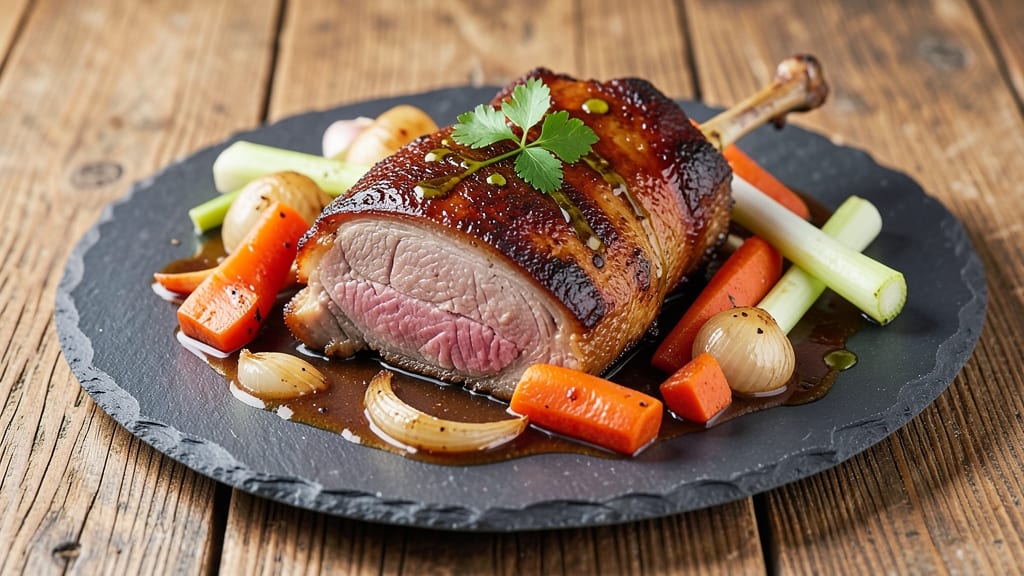
This braised pork leg recipe transforms tough cuts into melt-in-your-mouth perfection through slow-simmered richness and a crispy bark that seals in every flavor. 🔥 After years of perfecting this technique in my Atlanta kitchen, I've developed a method that delivers restaurant-quality results at home—no fancy equipment required.
The secret lies in the balance of time, temperature, and technique, where pork shoulder becomes tender enough to fall apart while developing layers of caramelized depth.
What sets this recipe apart is the dual-texture magic: a crispy, golden-brown exterior that gives way to fork-tender meat inside.
We achieve this through a two-phase process—first searing the meat to lock in juices, then slow-braising at a precise 300°F for hours until the connective tissue dissolves into a velvety sauce.
The sauce itself is built from simple pantry staples: red wine, soy sauce, and aromatics that meld into a complex, umami-rich reduction that coats every bite.
The result is a dish that's equally impressive at family dinners and holiday feasts—juicy, flavorful pork that practically disintegrates at the touch of a fork, bathed in a glossy sauce that's rich enough to serve as a dip.
This is the kind of recipe that transforms a simple cut of pork into something extraordinary, proving that patience in the kitchen pays off in the most delicious ways.
Pair it with creamy mashed potatoes or roasted root vegetables to soak up every last drop of that crispy, caramelized sauce. The beauty of this method is its versatility—whether you're feeding a crowd or meal prepping for the week, the same technique delivers consistent, foolproof results. Let's get cooking!
Ingredients for braised pork leg
Sixteen ingredients transform a simple pork shoulder into restaurant-worthy braised perfection.
| Ingredient | Amount | Notes |
|---|---|---|
| Pork Shoulder (Bone-In) 🐖 | 4 lb | Center-cut, 2-3 inches thick |
| Extra-Virgin Olive Oil 🫒 | ½ cup | High smoke point preferred |
| Yellow Onion 🧅 | 1 whole | Medium size, sliced into wedges |
| Carrots 🥕 | 4 whole | Medium size, peeled and cut into chunks |
| Celery Stalks 🥬 | 4 whole | Cut into 1-inch pieces |
| Garlic Cloves 🧄 | 8 cloves | Smashed but not minced |
| Dry Red Wine 🍷 | 1 ½ cups | Bold variety like Cabernet Sauvignon |
| Low-Sodium Soy Sauce 🥢 | ½ cup | Kikkoman preferred |
| Beef Broth 💧 | 2 cups | Homemade or high-quality store-bought |
| Tomato Paste 🍅 | 2 tbsp | Squeeze tube for convenience |
| Fresh Thyme Sprigs 🌿 | 4 whole | Or 1 tbsp dried thyme |
| Fresh Rosemary Sprigs 🌿 | 2 whole | Or 1 tsp dried rosemary |
| Bay Leaves 🍃 | 2 whole | Dried, standard size |
| Diamond Crystal Kosher Salt 🧂 | 1 ½ tbsp | Plus extra for seasoning |
| Freshly Ground Black Pepper 🌶️ | 1 tsp | Coarse grind preferred |
| Brown Sugar 🍯 | 1 tbsp | Light or dark variety |
The pork shoulder is the foundation—bone-in ensures maximum flavor extraction during braising. Look for a cut with good marbling and ask your butcher for a center-cut piece, which stays more uniform during cooking. Whole Foods or local butcher shops often carry high-quality pork shoulders with better marbling than supermarket options. If you can't find a bone-in cut, a bone-in pork loin roast works too, though cooking times will vary slightly. The key is thickness: aim for 2-3 inches to ensure proper browning and even cooking throughout.
Red wine selection matters—Cabernet Sauvignon or Merlot from a local wine shop delivers the best depth. No wine? Substitute with 2 cups beef broth plus 1 tbsp balsamic vinegar for similar richness. The tomato paste can be skipped entirely if you prefer a less intense flavor, but it adds a subtle sweetness that balances the acidity. For the aromatics, Trader Joe's sells pre-sliced mirepoix (onion, carrot, celery) which saves time, though fresh is always better. Fresh herbs should be added at the end of cooking to preserve their vibrant flavors, while dried can be incorporated with the braising liquid.
This dish tastes even better the next day as flavors meld. Store leftovers in an airtight container in the fridge for up to 5 days, or freeze portions for 3 months. The sauce thickens as it cools, so adding a splash of broth when reheating restores its original consistency. For meal prep, portion the pork and sauce separately—reheat the sauce first, then add the pork to warm through. The crispy bark is best enjoyed fresh, but the tender meat stays delicious for days.
Why You'll Love This Recipe
- One-Pot Magic: I swear by this recipe when I’m too tired to wash a million dishes. The pork shoulder, onions, carrots, and celery all simmer together in one pot—no extra pans, no stress. Honestly, the only cleanup is wiping the spoon.
- Deep Umami Love: That bone-in pork shoulder? It melts into pure, savory perfection after hours of slow braising. The onions caramelize right in the pot, and the carrots turn tender but still hold their shape—like a hug for your taste buds.
- Weeknight to Party: Between us, this is my go-to for lazy nights and when unexpected guests show up. Serve it with crusty bread for a casual dinner, or slice it thin for sandwiches the next day. (Yes, even on a Tuesday night.)
- Budget Meal, Big Payoff: Pork shoulder is cheap, but it tastes like a fancy cut when braised. Plus, the leftovers? Even better the second day. I’ll be real: I’ve reheated this for lunch for three days straight, and no one’s complained.
Step-by-step instructions for braised pork leg
Master this technique for melt-in-your-mouth pork with a caramelized exterior and deeply flavorful braising liquid.
🔥 Step 1: Sear the Pork Shoulder for Crispy Bark
Pat the 4 lb Pork Shoulder (Bone-In) completely dry with paper towels—this is non-negotiable for crispy skin. Heat the 0.5 cup Extra-Virgin Olive Oil in a heavy Dutch oven over medium-high heat until shimmering. Place the pork fat-side down and sear undisturbed for 10 minutes until deeply golden brown. Flip and repeat on the other side.
Here's the thing—don't rush this step. The pork should release from the pan with gentle persuasion, not force. If it sticks, add another 1 tablespoon of olive oil and let it cook longer. After searing, remove the pork and set it aside on a plate.
👨🍳 Step 2: Build the Aromatic Base
In the same Dutch oven, add the 1 whole Yellow Onion (wedges), 4 whole Carrots (chunks), and 4 whole Celery Stalks (1-inch pieces). Cook for 8-10 minutes until the vegetables soften slightly and begin to caramelize. Add the 8 cloves Garlic Cloves (smashed) and cook for 30 seconds until fragrant.
This is where the flavor foundation happens. The vegetables should release their juices and create a sticky brown coating on the bottom—this is called a "sweat," and it's packed with flavor. If the pan looks dry, add 1-2 tablespoons of beef broth to deglaze.
🍳 Step 3: Deglaze and Simmer the Braising Liquid
Pour in the 1.5 cups Dry Red Wine, scraping up all the browned bits from the bottom with a wooden spoon. Let it simmer for 3-4 minutes until reduced by half. Add the 0.5 cup Low-Sodium Soy Sauce, 2 cups Beef Broth, 2 tbsp Tomato Paste, 1 tbsp Brown Sugar, 1.5 tbsp Diamond Crystal Kosher Salt, 1 tsp Freshly Ground Black Pepper, 4 whole Fresh Thyme Sprigs, 2 whole Fresh Rosemary Sprigs, and 2 whole Bay Leaves. Stir well to combine.
The liquid should be rich and aromatic, with a deep red hue from the wine and tomato paste. Return the pork to the pot, fat-side up, and bring everything to a gentle simmer. Cover with a tight-fitting lid and reduce heat to low. This is where patience pays off—don't disturb the pot.
⏰ Step 4: Braise Until Fork-Tender
Simmer the pork for 3-4 hours until the meat is fork-tender and pulls away easily from the bone. Check the internal temperature—it should reach 200-205°F at its thickest part. If the liquid reduces too much before the pork is tender, add ½ cup hot water or beef broth to maintain moisture.
I know it's tempting to peek, but every time you lift the lid, you lose heat and extend cooking time. Trust the process. The pork will develop a deep mahogany color and the braising liquid will thicken into a glossy, flavorful sauce.
🔪 Step 5: Rest and Serve with Crispy Bark
Remove the pork from the pot and transfer it to a cutting board. Tent loosely with foil and let it rest for 15-20 minutes. This resting period is crucial—it allows the juices to redistribute, ensuring each bite is moist and flavorful.
Once rested, slice the pork against the grain into ½-inch thick slices. The exterior should be crispy and caramelized, while the interior remains juicy and tender. Ladle the braising liquid over the top and serve immediately with the sliced vegetables from the pot. The result is a harmonious blend of textures and flavors that makes every bite worth the wait.
Pro Tips For Making Braised Pork Leg
- SEAR THE PORK FIRST: DESCRIPTION:
- CHOP VEGETABLES UNIFORM: DESCRIPTION:
- ADD LIQUID IN STAGES: DESCRIPTION:
- REST THE PORK LEG: DESCRIPTION:
Creative variations of this recipe
Southern BBQ Style
For a true Southern twist, swap the red wine for 2 cups apple cider vinegar and 1 cup tomato sauce—this is how my grandma braised pork in Georgia.
Add 1 tbsp smoked paprika and 1 tsp cayenne pepper for heat, then finish with ½ cup barbecue sauce (I use Sweet Baby Ray's) stirred into the braising liquid during the last 30 minutes of cooking. Serve with cornbread and collard greens for a full Southern spread. 🌶️
Asian-Inspired Soy-Ginger
Transform this into a fusion dish by replacing the red wine with 1 cup dry sherry and adding 3 tbsp fresh ginger (grated) and 2 tbsp sesame oil to the braising liquid.
Use ½ cup coconut aminos instead of soy sauce for depth, and finish with 1 tbsp fish sauce and 1 tsp five-spice powder. Garnish with cilantro and sliced scallions for a vibrant, aromatic twist. 🌿
Herb-Infused French Style
For a French bistro-inspired version, replace the soy sauce with ½ cup cognac and add 1 sprig fresh tarragon and 1 sprig fresh parsley to the braising liquid.
Deglaze with 1 cup dry white wine instead of red, and finish with 1 tbsp Dijon mustard and 1 tsp herbes de Provence. Serve with crusty baguette and roasted garlic mashed potatoes for an elegant touch. 🥖
Spicy Cajun Twist
Give this recipe a Louisiana flair by adding 1 tbsp Cajun seasoning (like Tony Chachere's) and 1 tsp hot sauce (like Crystal or Tabasco) to the braising liquid. Stir in ½ cup chicken stock and 1 tbsp Worcestershire sauce for extra depth.
Top with green onions and sliced jalapeños for a fiery kick. Pair with dirty rice and corn on the cob for a true Cajun feast. 🌶️
Slow-Cooker Adaptation
For a hands-off approach, sear the pork as directed, then transfer it to a 6-quart slow cooker with all the braising ingredients. Cook on LOW for 8-10 hours or HIGH for 5-6 hours, stirring once halfway through.
The slow cooker keeps the pork tender without drying it out, and the sauce thickens beautifully. Perfect for meal prep—just reheat and serve! ⏰
Smoky Grill Braise
Take this dish to the grill by searing the pork on a charcoal grill over indirect heat for 10 minutes per side. Transfer the pork to a cast-iron Dutch oven, add the braising liquid, and finish cooking on the grill over low heat for 3-4 hours.
The smoky flavor from the grill infuses the pork and sauce, creating a unique outdoor dining experience. Serve with grilled corn and smoky mac and cheese. 🔥
Nutrition facts
Frequently asked questions
How do I know when the pork is fully braised and tender?
The pork is done when it reaches an internal temperature of 200-205°F at its thickest part and easily pulls apart with a fork. A visual cue is the deep mahogany color and glossy braising liquid. For best results, use a meat thermometer—this ensures perfect tenderness without overcooking.
Can I use a different cut of pork instead of shoulder?
A bone-in pork loin roast works well, though cooking times may vary slightly. Avoid lean cuts like tenderloin—they lack the connective tissue needed for braising. If substituting, increase cooking time by 30-45 minutes and monitor the internal temperature closely.
What's the best way to reheat leftovers?
Reheat the braising sauce first in a saucepan over medium-low heat until hot, then add the pork to warm through. For crispy bark, broil for 2-3 minutes at the end. Leftovers keep well for 5 days in the fridge or 3 months frozen—just thaw overnight in the refrigerator.
Why did my pork turn out dry?
Overcooking or lifting the lid too often causes moisture loss. Keep the heat at low and avoid peeking—this maintains a consistent temperature. Also, ensure your Dutch oven has a tight-fitting lid to trap steam. For extra moisture, add ½ cup broth if needed during cooking.
Can I make this recipe in an Instant Pot?
Yes! Sear the pork as directed, then add all braising ingredients to the Instant Pot. Cook on HIGH PRESSURE for 60 minutes, then let pressure release naturally. Finish by simmering the sauce uncovered for 10 minutes to thicken. The texture will be slightly different but still delicious.