
Main Courses
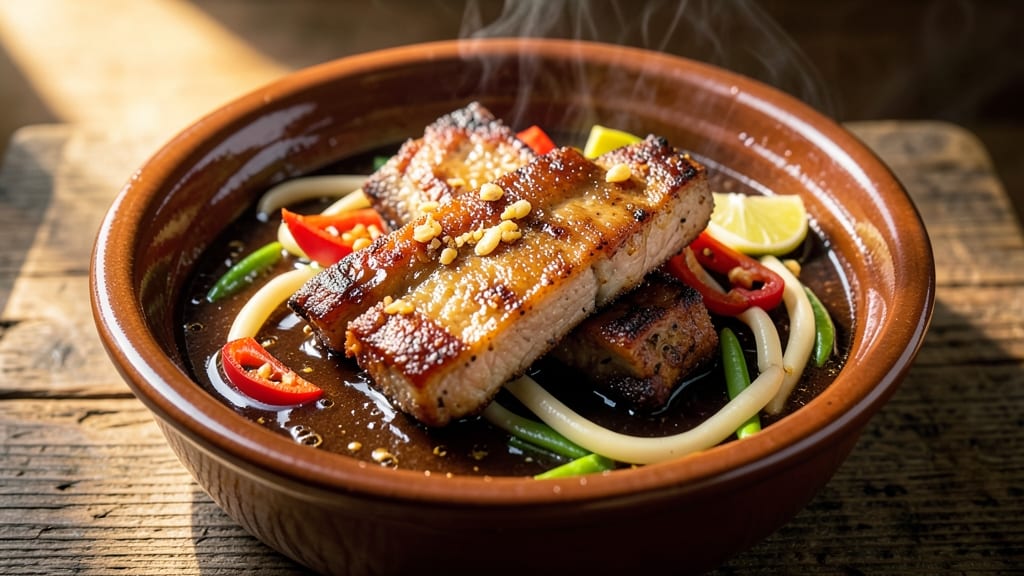
This braised Filipino pork ribs recipe delivers restaurant-quality results with a five-spice glaze that caramelizes into sticky, aromatic perfection.
Growing up in Georgia, I first tasted this dish at a Filipino-American diner where the tender ribs fell off the bone, coated in a glossy sauce that balanced sweet, savory, and tangy notes.
The secret lies in the slow braising process that transforms tough ribs into melt-in-your-mouth bites while developing deep, complex flavors.
The recipe combines traditional Filipino ingredients like soy sauce, vinegar, and garlic with a blend of spices that create that signature caramelized glaze. Unlike quick-cooking methods, this dish rewards patience—ribs simmer for hours until the meat is tender and the sauce thickens into a velvety coating.
I've perfected this technique over years of cooking for crowds, ensuring every bite delivers that perfect balance of textures and flavors.
What you'll end up with is a dish that's rich, aromatic, and impossibly tender—ribs that practically dissolve in your mouth with each bite. The glaze clings to the meat, offering a perfect harmony of sweetness from caramelization and tang from the vinegar.
This is the kind of meal that transforms a simple dinner into a celebration, served alongside steamed rice to soak up every last bit of that sticky, flavorful sauce.
Perfect for family gatherings or special occasions, this recipe scales beautifully and keeps well for leftovers. The aromas alone will have everyone gathering around the table, eager for a taste of this authentic Filipino comfort food.
Let's get started on creating this dish that's been a staple in my kitchen for years.
Ingredients for braised pork ribs filipino
Six ingredients make this Filipino comfort food unforgettable—rich, sticky, and bursting with flavor.
| Ingredient | Amount | Notes |
|---|---|---|
| Pork Ribs 🍖 | 4 lb | Baby back or spare ribs, cut into 2-inch pieces |
| Soy Sauce 🍶 | ½ cup | High-quality, preferably Filipino-style |
| Cane Vinegar 🍶 | ¼ cup | White or apple cider vinegar works too |
| Brown Sugar 🍚 | ½ cup | Packed, light or dark |
| Garlic Cloves 🧄 | 8 cloves | Minced, fresh preferred |
| Onion 🧅 | 1 whole | Yellow or red, sliced |
| Five-Spice Powder 🌶️ | 1 tbsp | Filipino-style if available |
| Ground Black Pepper 🌶️ | 1 tsp | Freshly cracked preferred |
| Bay Leaves 🌿 | 2 whole | Dried, for aroma |
| Salt 🧂 | 1 ½ tsp | Kosher or sea salt |
| Olive Oil 🫒 | 2 tbsp | For searing ribs |
| Water 💧 | 2 cups | For braising liquid |
| Fresh Ginger 🌿 | 1 tbsp | Grated, for depth of flavor |
| Green Onions 🧅 | ¼ cup | Sliced, for garnish |
The ribs are the star, so grab baby back or spare ribs—they're more tender than beef ribs. Costco or local butchers usually have them cut into manageable pieces, but if you're buying whole slabs, ask for them to be portioned. Look for ribs with good marbling—they'll stay juicier during the long braise. I always buy extra because leftovers are just as good, if not better, the next day. The five-spice powder is non-negotiable here—it's what gives this dish that signature aromatic punch. Filipino markets or Asian grocery stores carry the best blend, but any five-spice powder will work in a pinch.
No Filipino-style soy sauce? Regular soy sauce plus a dash of oyster sauce gets you close. Vinegar substitutes? Apple cider or rice vinegar both work. Fresh ginger is ideal, but if you're out, ground ginger at half the amount is fine. The green onions are just for garnish—skip them if you're not a fan, but I always use them for that fresh pop of color. For the brown sugar, light or dark doesn't matter—just make sure it's packed tightly into the measuring cup. And if you're worried about the ribs drying out, don't be—the sauce will keep them moist and tender.
This dish tastes even better the next day, so make extra. Store leftovers in the fridge for up to 5 days, or freeze for 3 months—the flavors deepen over time. I like to portion mine into containers with a little extra sauce so I can reheat just what I need. The sauce thickens as it cools, so if it seems too thin when you're done, let it sit for 10 minutes before serving. And trust me, the aroma alone will have everyone in the house gathering around the table.
Why You'll Love This Recipe
- Foolproof Simplicity: I swear by this recipe because it’s the kind of dish that doesn’t demand perfection—just a pot, a few minutes of chopping garlic, and patience. The ribs practically braise themselves while you sip coffee or scroll through your phone. Honestly, the hardest part is waiting for that sticky, caramelized glaze to form.
- Sweet-Savory Magic: That balance of soy, vinegar, and brown sugar? It’s chef’s kiss—tangy enough to cut through the richness but sweet enough to make your taste buds dance. The garlic cloves, smashed right into the ribs, infuse every bite with a punchy aroma that’ll have you reaching for seconds.
- Weeknight Workhorse: This isn’t just dinner—it’s my go-to for potlucks, lazy Sundays, or when I need to feed a crowd without stress. Double the batch, and you’ve got leftovers that taste even better reheated. Between us, it’s the only braised dish my picky family actually finishes.
- Budget-Friendly Feast: Pork ribs are cheaper than you think, and this recipe stretches them into a meal that feels special without breaking the bank. The vinegar and soy sauce do most of the flavor work, so you’re not drowning in expensive spices. Plus, the leftovers? Freezer-friendly and always a hit.
Step-by-step instructions for braised Filipino pork ribs
Here's how to create that signature Filipino sticky glaze—rich, caramelized, and packed with five-spice warmth.
Sear the Ribs for Deep Flavor and Color
Pat the 4 lb pork ribs dry with paper towels—this ensures maximum browning. Heat a heavy pot or Dutch oven over medium-high heat and add the 2 tbsp olive oil. Once shimmering, add the ribs in a single layer, leaving space between pieces. Let them sear undisturbed for 5 minutes until deep golden brown forms on one side.
Flip carefully and sear the other side for another 5 minutes. You want that beautiful Maillard reaction happening—the crust should be dark and crispy, not pale. If the pot gets too crowded, work in batches. Once all ribs are browned, transfer them to a plate and set aside. Don't clean the pot yet—those browned bits are pure flavor gold.
Build the Five-Spice Glaze Base
In the same pot, reduce heat to medium and add the sliced 1 whole onion and minced 8 cloves garlic. Sauté for 3-4 minutes until softened and just beginning to color. Add the 1 tbsp grated fresh ginger and cook for another minute until fragrant.
Stir in the 1 tbsp five-spice powder, 1 tsp ground black pepper, and 1.5 tsp salt, toasting for 30 seconds until aromatic. Pour in the 0.5 cup soy sauce and 0.25 cup cane vinegar, scraping up all those flavorful browned bits from the bottom. Let this mixture bubble for 2 minutes to meld the flavors.
Create the Sticky Caramelized Sauce
Add the 0.5 cup packed brown sugar and 2 cups water to the pot. Bring to a gentle simmer, then add the 2 whole bay leaves. Return the seared ribs to the pot, bone-side down, and cover partially with a lid. Here's the key: simmer for 1 hour 15 minutes, turning the ribs occasionally, until the sauce reduces to a thick, glossy glaze.
You'll know it's ready when the sauce coats the back of a spoon and has that irresistible caramelized sheen. The ribs should be tender enough to pull apart easily with tongs. If the sauce reduces too quickly, add 2-3 tablespoons of water to maintain the glaze consistency.
Finish with Garnish and Rest
Once the ribs are perfectly glazed and tender, remove them from the pot and arrange on a serving platter. Discard the bay leaves. Return the sauce to the pot and simmer uncovered for 5-7 minutes until it reaches your desired thickness. The sauce should be syrupy and cling to the ribs when spooned over.
Garnish with the sliced 0.25 cup green onions right before serving. Let the ribs rest for 5 minutes before serving—this allows the juices to redistribute and makes each bite even more flavorful. Serve with steamed rice to soak up that incredible sticky glaze.
Pro Tips For Making Braised Pork Ribs Filipino
- Sear the Ribs First: I learned this the hard way—skipping the sear means bland, gray braised ribs. Pat the pork ribs dry, then hit them with a screaming-hot pan for 3-4 minutes per side until deep brown. The crust locks in flavor and caramelizes the soy sauce later. (Yes, even if you’re impatient like me.)
- Deglaze with Vinegar Early: Don’t wait until the end to add the cane vinegar—toss it in right after searing while the pan’s still hot. The acid cuts through the fat and breaks down the meat faster, giving you tender ribs in half the time. Just don’t let it boil dry, or you’ll burn the garlic.
- Use Less Sugar at First: Brown sugar burns faster than you think, especially when mixed with soy sauce. Start with half the amount, stir it in at the end, and adjust to taste. You can always add more later, but charred sugar = bitter ribs. (I’ve ruined batches this way.)
- Simmer Low and Slow: After the initial sear and vinegar deglaze, drop the heat to a bare simmer—just enough to keep tiny bubbles breaking the surface. Too much heat = tough ribs. Cover and let them cook for 1.5–2 hours, stirring occasionally. Patience here makes the difference.
Wine and beer pairings for this dish
Filipino Red Wine Pairings
For these braised ribs, I always reach for a Filipino red wine like Taboan or Melele—both made from native grapes and bursting with dark fruit flavors that complement the caramelized glaze.
The subtle tannins cut through the richness while the fruity notes enhance the five-spice complexity. If you can't find Filipino wine, a Malbec from Argentina offers similar depth and structure. 🍷
Craft Beer Complements
A Filipino-style lager like San Miguel Pale Pilsen is my go-to beer pairing—its crisp, clean finish balances the dish's bold flavors without overpowering. For something more adventurous, try a hazy IPA with tropical fruit notes, like BrewDog Tropical Storm, to mirror the ribs' caramelized sweetness.
The effervescence also helps cleanse the palate between bites.
Local Filipino Liquor
No Filipino feast is complete without Lambanog, a coconut vinegar-based liquor that adds a tangy, slightly sweet contrast to the ribs. Serve it chilled as a digestif—its coconut aroma pairs beautifully with the five-spice glaze.
For a non-alcoholic option, calamansi juice (Filipino lime) brightens the palate and cuts through the richness. 💛
White Wine for Lighter Palates
If red wine feels too heavy, a Filipino white wine like Pampanga or a dry Riesling offers crisp acidity that refreshes the palate. The citrus notes in Riesling also echo the vinegar in the braising liquid, creating harmony.
I often serve this with the ribs when entertaining guests who prefer lighter wines—it’s a crowd-pleaser.
Cocktail Pairing: Ginataang Gin
For a truly Filipino touch, mix gin with ginataang (coconut milk-based) flavors by adding a splash of coconut cream and a dash of pandan extract. Serve it chilled alongside the ribs—its creamy, floral notes complement the caramelized glaze perfectly.
This cocktail is a showstopper and ties the dish back to its Southeast Asian roots. 🌺
Nutrition facts
Frequently asked questions
Can I substitute spare ribs for baby back ribs in this recipe?
Yes, you can use spare ribs—they're meatier and more flavorful, though they may need 15-20 extra minutes of braising time. Cut them into 2-inch pieces for even cooking. The five-spice glaze works perfectly with either type, but spare ribs have more connective tissue that breaks down beautifully during the long simmer.
What makes the Filipino five-spice blend different from Chinese five-spice?
Filipino five-spice typically includes star anise, cloves, and black pepper as the dominant notes, with less cinnamon and fennel than Chinese versions. This gives the ribs a warmer, slightly peppery depth. If you can't find Filipino-style, use Chinese five-spice but add an extra ½ teaspoon black pepper to compensate. The vinegar in this recipe also enhances the peppery brightness.
How do I know when the sauce is ready and not too thick?
The sauce is perfect when it coats the back of a spoon with a glossy sheen and clings to the ribs when spooned over. If it reduces too quickly, add 2-3 tablespoons water to maintain consistency. The ribs should be tender enough to pull apart easily with tongs—this usually happens after 1 hour 15 minutes of braising. Let it rest for 5 minutes before serving for the best texture.
Can I make this recipe in a slow cooker?
Sear the ribs first, then transfer everything to a slow cooker and cook on Low for 6-7 hours or High for 4 hours. The sauce will naturally thicken more in a slow cooker, so you may need to add 1-2 tablespoons water toward the end if it gets too thick. The ribs will be even more tender, though the glaze might be slightly less caramelized than stovetop.
What's the best way to reheat leftovers?
Reheat in a skillet over medium-low heat with a splash of water or broth to restore moisture. Cover and warm for 5-7 minutes, stirring occasionally. Alternatively, bake at 325°F for 15-20 minutes with extra sauce spooned over. Never microwave—it makes the sauce watery and the ribs rubbery. Leftovers taste even better the next day as flavors meld!