
Main Courses
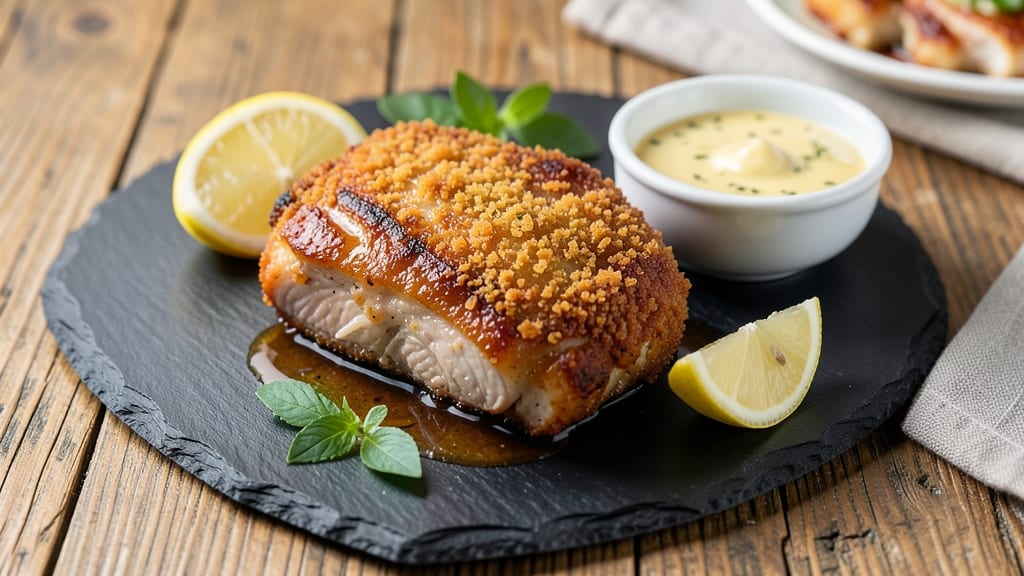
This breaded pork chop recipe delivers the kind of crispy-fry perfection that turns weeknight dinners into restaurant-worthy meals. The secret lies in a triple-layer breading—flour, beaten egg, and seasoned breadcrumbs—that creates a golden, shatteringly crisp crust while keeping the pork tender inside.
I perfected this technique after years of trial and error (and one particularly soggy batch that taught me the importance of properly draining the breadcrumbs).
The magic happens in the frying: using the right oil temperature—350°F—and cooking just 3-4 minutes per side ensures that crispy exterior without drying out the meat. This isn't just about breading; it's about timing, technique, and a little patience.
The result? Juicy, flavorful pork chops with a crust so crisp it'll make your guests ask for the recipe.
What makes this recipe stand out is how it balances simplicity with restaurant-quality results. You'll need just five core ingredients (plus pantry staples), and the whole process takes under 20 minutes from start to finish.
The breading stays crispy even after resting, and the pork remains juicy—no tough, overcooked edges here.
Serve these chops with classic sides like roasted potatoes, a simple green salad, or a tangy applesauce to cut through the richness. The crispy-fry technique works equally well for chicken or veal, but pork chops? They're the stars of this show. Let's get cooking—your taste buds will thank you.
Ingredients for breaded pork chop recipe crispy fry
Five core ingredients transform simple pork chops into restaurant-quality crispy-fry perfection.
| Ingredient | Amount | Notes |
|---|---|---|
| Bone-In Pork Chops 🍖 | 1 ½ lb | 1-inch thick, center-cut preferred |
| All-Purpose Flour 🌾 | ¾ cup | For first breading layer |
| Large Eggs 🥚 | 2 whole | Room temperature, beaten |
| Panko Breadcrumbs 🍞 | 1 ½ cups | Japanese-style, not fine |
| Unsalted Butter 🧈 | ½ cup | Melted for frying |
| Vegetable Oil 🫒 | 2 cups | For deep-frying (or substitute canola) |
| Diamond Crystal Kosher Salt 🧂 | 1 ½ tsp | For seasoning |
| Ground Black Pepper 🌶️ | 1 tsp | Freshly cracked |
| Garlic Powder 🧄 | ½ tsp | For breadcrumb seasoning |
| Paprika 🌶️ | ½ tsp | Smoked variety preferred |
| Fresh Parsley 🌿 | ¼ cup | Chopped, for garnish |
| Lemon Wedges 🍋 | 2 whole | For serving |
The pork chops make all the difference here—bone-in, 1-inch thick cuts stay juicy while the breading crisps. Costco or local butchers are your best bets for quality; avoid thin or lean cuts that dry out. Season the meat generously with salt and pepper before breading—this is non-negotiable. For the breadcrumbs, Panko is essential; its light, airy texture creates that shatteringly crisp crust. If you can't find it, regular breadcrumbs toasted in a dry pan work in a pinch, but the texture won't be the same. The butter and vegetable oil combo gives you both flavor and high heat tolerance for frying.
No Panko? Toasted cornflakes or crushed potato chips add crunch, though they lack the same structural integrity. Running out of eggs? Soy milk or sparkling water works for the egg wash—just add a pinch of salt. The smoked paprika adds depth, but regular paprika at double the amount works if that's what you have. Fresh parsley is ideal for garnish, but dried parsley at one-third the amount suffices. For the oil, canola or peanut oil are better than olive oil for high-heat frying—olive oil's low smoke point can make the breading soggy. And always drain the breadcrumbs well after mixing with seasonings; excess moisture is the enemy of crispiness.
Store the dry breadcrumb mixture in an airtight container for up to 1 week, and the pork chops in the fridge for 2 days before cooking. These chops reheat beautifully—350°F for 5-7 minutes in the oven restores the crisp while keeping the meat tender. For meal prep, cook a double batch and freeze the breaded (uncooked) chops on a tray before bagging. They'll keep in the freezer for 3 months, and you can fry straight from frozen—just add 1-2 minutes to the cooking time. The lemon wedges should be served fresh; their acidity cuts through the richness of the fried pork.
Why You'll Love This Recipe
- I make these for everything: lazy Fridays, game-day snacks, or even packed lunches (yes, they reheat surprisingly well). The bone-in version adds heartiness, so a single chop feels like a whole meal—perfect when you’re feeding a crowd or just yourself after a long day.
- One-Bowl Wonder: Between us, this recipe is that rare thing—minimal cleanup, maximum flavor. Just flour, egg, panko, and butter. No measuring cups cluttering your counter, no extra bowls to wash. I swear by it when I’m too tired to do more than crack an egg.
- Crispy-Creamy Magic: That first bite? The panko gives you shatteringly crisp edges while the butter-basted bone-in chops stay juicy inside. Honestly, it’s the kind of contrast that makes you reach for seconds without thinking—no fancy seasoning needed, just the natural richness of the pork.
- Weeknight Workhorse: I make these for everything: lazy Fridays, game-day snacks, or even packed lunches (yes, they reheat surprisingly well). The bone-in version adds heartiness, so a single chop feels like a whole meal—perfect when you’re feeding a crowd or just yourself after a long day.
Step-by-step instructions for crispy-fry breaded pork chops
Mastering the perfect breading requires precision—follow these steps for restaurant-quality texture every time.
Prepare the Pork Chops for Maximum Crispiness
Pat the 1.5 lb bone-in pork chops completely dry with paper towels, focusing on the thickest parts. Any moisture trapped in the meat will prevent the breading from adhering properly and create a soggy crust. I like to press down firmly with the towel to ensure they're bone dry—this step is non-negotiable for crispy results.
Season both sides generously with 1.5 tsp diamond crystal kosher salt and 1 tsp freshly cracked ground black pepper. Let the chops sit at room temperature for 15 minutes while you prepare the breading. Room-temperature meat cooks more evenly and develops a better crust than cold meat straight from the refrigerator.
Create the Breading Station for Perfect Adherence
Set up three shallow dishes or plates. In the first, combine the 0.75 cup all-purpose flour with 0.5 tsp garlic powder and 0.5 tsp paprika. In the second, beat the 2 whole large eggs until just combined—no need to overwhisk them. In the third, spread out the 1.5 cups panko breadcrumbs. The panko's light, airy texture is crucial for that crispy exterior, so don't substitute fine breadcrumbs.
I arrange these stations in a triangle pattern on my counter. This setup allows me to quickly and efficiently bread each chop without cross-contamination. The flour layer provides structure, the egg acts as a glue, and the panko delivers that coveted crunch we're after.
Bread the Chops with Precision Timing
Working with one chop at a time, press it lightly into the flour mixture, coating both sides thoroughly. Tap off any excess—this prevents a heavy, dense crust. Immediately dip the floured chop into the beaten eggs, allowing any excess to drip off, then press firmly into the panko breadcrumbs, ensuring complete coverage on all sides. I use my fingers to pat the breadcrumbs gently, which helps them adhere better.
Place the breaded chops on a wire rack set over a baking sheet. This allows air to circulate around all sides, preventing steam buildup that can make the breading soggy. Let them rest for 5 minutes while you prepare the frying station. This brief rest helps the breading adhere more firmly to the meat.
Fry to Golden Perfection with Temperature Control
In a large skillet or Dutch oven, heat 2 cups vegetable oil over medium heat until it reaches 350°F—use a deep-fry thermometer for accuracy. The oil should be hot enough to create small bubbles around the chops when they're added, but not smoking. Too-hot oil burns the breading; too-cool oil results in greasy chops.
Carefully add the breaded chops to the hot oil, working in batches if necessary to avoid overcrowding. Fry for 3-4 minutes per side until the breading is deep golden brown and the internal temperature reaches 145°F at the thickest part. The chops should release easily from the pan when ready to flip. If they stick, your oil isn't hot enough—let it recover before proceeding.
Finish with Butter and Garnish for Restaurant Quality
Remove the chops from the oil and transfer them to a paper towel-lined plate to drain excess oil. Immediately add 0.5 cup melted unsalted butter to the skillet and swirl to coat the bottom. Return the chops to the skillet for 30 seconds to melt any remaining breading and infuse with buttery flavor.
Transfer the chops to a serving platter and sprinkle with 0.25 cup chopped fresh parsley. Serve immediately with the 2 whole lemon wedges on the side. The lemon provides a bright contrast to the rich, savory chops, cutting through the richness and enhancing each bite. These chops should have a crisp, crackly exterior that gives way to tender, juicy meat inside—exactly what we're aiming for.
Pro Tips For Making Breaded Pork Chop Recipe Crispy Fry
- Pat the chops dry: Bone-in pork chops are thick and juicy, but moisture is the enemy of crispy breading. After seasoning, grab paper towels and press hard—especially around the edges and bone—until they’re almost squeaky. I learned this the hard way when my first batch turned soggy because I skimped on drying.
- Use room-temperature eggs: Cold eggs coat unevenly and create a sticky mess that won’t crisp. Crack them into a shallow bowl and let them sit for 10 minutes before dipping. This isn’t the prettiest method, but it’s the tastiest—your breading will cling like it’s supposed to, not clump in globs.
- Don’t overcrowd the pan: Start hot, but resist the urge to toss in all the chops at once. Cook in batches with about 2 tablespoons of butter per side—enough to coat the bottom. Crowding steams the breading instead of frying it, and you’ll end up with greasy, limp crusts.
- Toast the panko first: For extra crunch without extra effort, spread panko on a baking sheet and toast in a 350°F oven for 5 minutes before breading. It removes any last bit of moisture and gives that first bite a satisfying snap. I skip this when I’m lazy, but the dish is noticeably better when I don’t.
Troubleshooting this dish
Soggy Breading Fix
If your breaded pork chops turn out soggy instead of crispy, the issue is almost always moisture. First, ensure your pork chops are completely dry before breading—pat them thoroughly with paper towels.
I also recommend using a wire rack instead of a plate when resting the breaded chops to allow air circulation. Another trick? Let the breaded chops rest for 5-10 minutes before frying—this helps the breading adhere better and prevents steam from making it soggy. 💫
Oil Temperature Troubles
If your chops come out greasy or the breading doesn't crisp, your oil temperature is likely off. Use a deep-fry thermometer to maintain 350°F—this is non-negotiable. If the oil is too cool, it'll absorb into the meat instead of creating a crispy crust.
Too hot? The breading burns before the meat cooks through. I like to test the oil by dropping a small piece of bread in—if it browns in 30 seconds, it's ready. 🌡️
Uneven Cooking
Thin spots on your chops can lead to uneven cooking. Look for 1-inch thick cuts—thinner chops will overcook before the thicker parts reach temperature. If you're working with uneven chops, press down gently on the thicker sides with a meat mallet before breading to even them out.
Also, avoid overcrowding the pan—fry in batches if needed to maintain even heat distribution. 🍖
Breading Not Sticking
If the breading falls off during frying, your egg wash might be too runny or the breadcrumbs too moist. For a foolproof egg wash, beat the eggs just until combined—no need to overwhisk.
Also, make sure your breadcrumbs are dry; if they feel damp, spread them on a baking sheet and toast in a 350°F oven for 5 minutes to remove excess moisture. Pressing the breadcrumbs firmly onto the chop helps them stick better too. 🍞
Overcooked Meat
Overcooked pork chops are tough and dry, and the breading often burns before the meat is done. Use a meat thermometer to check for 145°F internal temperature—this ensures the meat is safe and juicy.
If your chops are cooking too fast, reduce the oil temperature slightly to 325°F. Bone-in chops stay juicier longer, so they're my top recommendation. 💡
Freezer Burned Breading
If you're freezing breaded chops, store them on a tray first to prevent sticking, then transfer to a freezer bag. When ready to cook, fry straight from frozen but add 1-2 extra minutes to the cooking time.
The breading might not be as crispy as fresh, but it'll still be delicious. For best results, cook within 3 months of freezing. ❄️
Nutrition facts
Frequently asked questions
Can I use regular breadcrumbs instead of Panko?
Regular breadcrumbs will work, but they won't give you that same shatteringly crisp texture. For the best results, toast 1.5 cups regular breadcrumbs in a dry pan over medium heat for 3-4 minutes until golden and crisp. This removes moisture and mimics Panko's airy quality. If you're in a pinch, crushed cornflakes or potato chips add crunch, though they lack the same structural integrity.
How do I keep the pork chops juicy?
The key is using bone-in, 1-inch thick chops and cooking them to 145°F internal temperature. Never overcook—3-4 minutes per side in 350°F oil is perfect. Also, let the meat rest 5 minutes after breading before frying to help the breading adhere better. Bone-in chops stay juicier longer than boneless cuts.
What's the best oil for frying?
Vegetable or canola oil are ideal for high-heat frying—they have high smoke points and neutral flavors. Avoid olive oil (low smoke point) or butter (burns easily). I use a 50/50 mix of vegetable oil and melted butter for extra flavor, but keep the oil temperature at 350°F to prevent burning. A deep-fry thermometer is worth the investment for perfect results.
Can I make these ahead of time?
Bread the chops up to 24 hours ahead and store them in the fridge on a wire rack. For best crispiness, fry straight from the fridge (add 1 minute per side to cooking time). For freezing, bread the chops, freeze on a tray, then transfer to a bag. Cook from frozen (add 2 minutes per side)—the breading may not be as crisp but still delicious.
What's the secret to extra crispy breading?
Three things:
- Pat the chops completely dry before breading,
- Use a wire rack to rest breaded chops (not a plate), and
- Maintain 350°F oil with a thermometer. The rest time after breading helps the coating set, and the wire rack prevents steam buildup. For extra crunch, add 1 tsp cornstarch to the flour mixture before breading.