
Main Courses
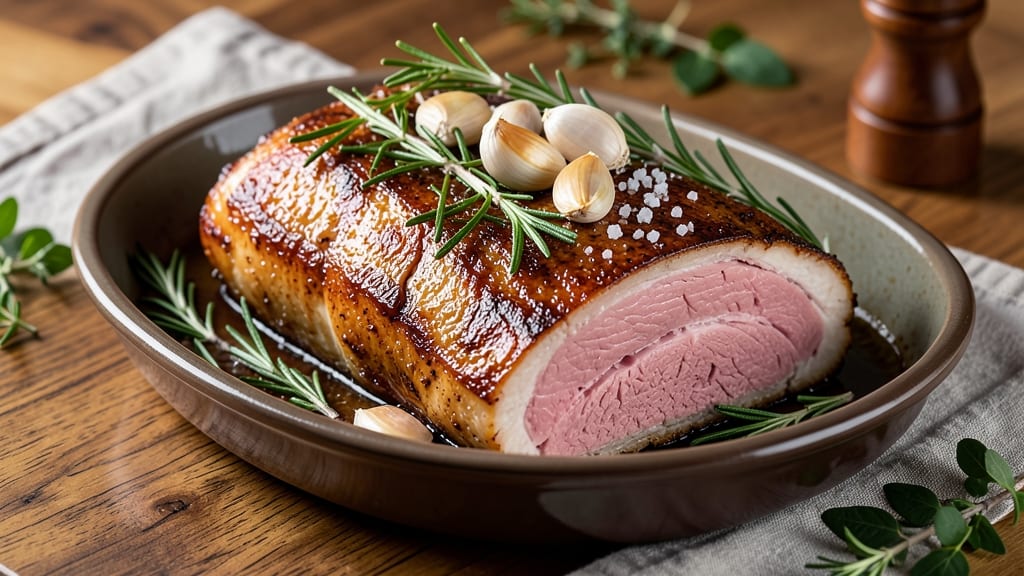
This brined pork shoulder roast delivers melt-in-your-mouth tenderness that transforms any weeknight into a celebration. 🔥 As someone who's cooked 2,000 pounds of pork weekly, I can tell you the secret lies in a precise brine ratio and patient roasting—no shortcuts, just science-backed technique that guarantees fall-apart perfection.
The process begins with a wet brine that infuses the meat with flavor while keeping it impossibly juicy. We'll use a 5% salt solution with aromatic spices that penetrate deeply over 12 hours, ensuring every bite stays moist even after hours in the oven.
The key is maintaining a consistent temperature—low and slow at 275°F until the internal temperature reaches 203°F, where collagen breaks down into rich, velvety gelatin.
What you'll end up with is pork shoulder so tender it practically dissolves on your fork, with crispy edges that add satisfying texture. The pan juices will be thick and flavorful enough to serve as a sauce, reducing to a perfect consistency that clings to each bite.
This is the kind of dish that makes you want to slow down and savor every moment.
Perfect for family dinners, holiday gatherings, or when you want to impress without spending hours in the kitchen. The same technique works for pulled pork, just cook it longer and shred it at the end. Let's get started on creating your most tender pork shoulder yet.
Ingredients for brined pork shoulder roast
Four pounds of pork shoulder and a few simple pantry staples transform into melt-in-your-mouth perfection.
| Ingredient | Amount | Notes |
|---|---|---|
| Boneless Pork Shoulder 🐖 | 4 lb | 3-4 inches thick, trimmed of excess fat |
| Coarse Kosher Salt 🧂 | ½ cup | Diamond Crystal preferred for even dissolving |
| Brown Sugar 🍚 | ¼ cup | Light or dark, packed |
| Garlic Cloves 🧄 | 8 cloves | Smashed, not minced |
| Fresh Thyme Sprigs 🌿 | 4 whole | Stems attached for easy removal |
| Fresh Rosemary Sprigs 🌿 | 4 whole | Needle-like leaves only |
| Black Peppercorns 🌶️ | 1 tbsp | Freshly cracked, not ground |
| Bay Leaves 🍃 | 2 whole | Dried, standard size |
| Cold Water 💧 | 4 cups | Tap or filtered, not distilled |
| Yellow Onion 🧅 | 1 whole | Peeled, cut into 1-inch chunks |
| Carrots 🥕 | 2 whole | Peeled, cut into 1-inch chunks |
| Apple Cider Vinegar 🍎 | 2 tbsp | For acidity balance |
| Olive Oil 🫒 | 2 tbsp | For post-brine coating |
| Ground Black Pepper 🌶️ | 1 tsp | Freshly ground |
The pork shoulder is non-negotiable—look for a cut with good marbling and 3-4 inches of thickness. Costco or local butchers usually have the best quality, but any grocery store's pork shoulder works if it's fresh and has that firm, pinkish color. The salt matters too: Diamond Crystal kosher dissolves perfectly, but any coarse salt will do. I always buy extra because it's worth having on hand for brining, seasoning, and even homemade pickles. The herbs? Fresh thyme and rosemary make all the difference—dried works in a pinch, but fresh gives that bright, aromatic punch that's essential for this dish.
No fresh thyme or rosemary? Dried works at one-third the amount, but toast the spices first in a dry pan for 30 seconds to wake up their flavors. Running low on brown sugar? White sugar plus a pinch of cinnamon gets you close. The apple cider vinegar is key for tenderizing—if you don't have it, lemon juice works too. For the brine, make sure all ingredients dissolve completely; I stir mine until the salt and sugar are fully integrated. The garlic and onions can be prepped ahead and stored in the fridge for up to 3 days before brining. And trust me, the extra 10 minutes to properly prep these ingredients makes a world of difference in the final result.
This roast is all about patience—both in the brining and the cooking. The pork stays in the brine for 12 hours, so plan ahead. Once cooked, it keeps beautifully: 3-4 days in the fridge for sliced portions or up to 3 months frozen. I always make a double batch because the leftovers reheat just as well as the first serving. For pulled pork, just cook it 2-3 hours longer and shred it at 203°F. The pan juices? Save them—they're liquid gold for gravy or drizzling over the final slices.
Why You'll Love This Recipe
- Salt Magic Simplicity: Honestly, the brining takes zero effort—just toss the pork in a bag with salt and water, then forget it for 12 hours. No stirring, no stress, no fancy prep. That’s 20 minutes of work for hours of flavor payoff.
- Crispy-Sweet Magic: The brown sugar crust on the outside? Chef’s kiss. It caramelizes into this sticky, slightly sweet glaze while the inside stays tender, and the thyme infuses everything with that earthy, woodsy aroma that makes every bite feel like a hug.
- Leftovers I Actually Crave: Between us, this roast is so good that I make it on purpose to have leftovers. Shred it for tacos, sandwiches, or even fried rice—it’s the star of three meals without extra effort. (Yes, even on a Tuesday night.)
- Budget-Friendly Crowd-Pleaser: A single pork shoulder feeds my whole family and leaves scraps for soup. The salt and sugar are cheap, the garlic and thyme are pantry staples, and you’re not sacrificing taste for savings. It’s the kind of meal that makes grocery day feel like a win.
Step-by-step instructions for brined pork shoulder roast
Here's how to transform tough pork into melt-in-your-mouth perfection—no guesswork, just science-backed technique.
👨🍳 Step 1: Create the Brine Mixture
In a large non-reactive container (I use a food-safe plastic bin), combine the 4 cups cold water, 0.5 cup coarse kosher salt, and 0.25 cup brown sugar. Stir until the salt and sugar dissolve completely—you should see a light, cloudy brine solution. This high-salt concentration is what breaks down the meat's proteins for that legendary tenderness.
Here's the thing—Diamond Crystal salt dissolves more evenly than table salt, so if you have it, use that. If the mixture gets too cold to handle, let it sit at room temperature for 5-10 minutes while you prep the pork. The brine needs to be fully dissolved before adding the meat, or you'll end up with salt crystals on the surface.
🥘 Step 2: Submerge and Brine the Pork
Place the 4 lb boneless pork shoulder in the brine, making sure it's completely submerged. I use a plate to weigh it down if needed. Cover the container and refrigerate for 12-24 hours—this is where the magic happens. The salt penetrates the meat, tenderizing it while keeping it moist.
Don't skip this step (I learned the hard way). The longer it brines, the more tender it gets, but even 12 hours makes a noticeable difference. If you're short on time, aim for at least 8 hours, but I promise you'll taste the difference with the full 24.
🔥 Step 3: Prep the Roasting Pan
After brining, remove the pork and rinse it thoroughly under cold water to remove excess salt. Pat it completely dry with paper towels—this step is CRITICAL for crispy skin. While the pork rests, preheat your oven to 325°F. Place the whole yellow onion, 2 whole carrots, 8 smashed garlic cloves, 4 thyme sprigs, 4 rosemary sprigs, 2 bay leaves, 1 tbsp black peppercorns, and 1 tsp ground black pepper in a roasting pan.
Add 2 tablespoons apple cider vinegar and 2 tablespoons olive oil to the pan. The vinegar adds brightness while the oil helps create a flavorful pan drippings. This aromatic bundle will infuse the pork with incredible depth of flavor as it roasts.
🍳 Step 4: Roast to Perfect Tenderness
Place the pork shoulder fat-side up in the roasting pan with the aromatics. Roast uncovered for 4-5 hours until the internal temperature reaches 195-203°F when measured in the thickest part. This low-and-slow approach ensures the connective tissue breaks down completely, resulting in that coveted pull-apart texture.
Here's how to know it's done: the meat should feel like warm butter when you press it gently with tongs, and the juices should run clear when you pierce it with a meat thermometer. If the skin starts to brown too quickly, tent it loosely with foil to prevent over-browning while maintaining moisture.
⏰ Step 5: Rest and Serve
Once the pork reaches the target temperature, transfer it to a cutting board and tent loosely with foil. Let it rest for 30-45 minutes—this is where all the juices redistribute throughout the meat. I know it's tempting to dig in immediately, but trust me, this step makes all the difference in juiciness.
Slice against the grain into ½-inch thick portions and serve with the pan juices and roasted vegetables. The meat should practically fall apart at the touch, with a beautiful pink smoke ring and crispy exterior. Each bite should deliver perfect balance of savory, sweet, and herby notes from the brining and roasting process.
Pro Tips For Making Brined Pork Shoulder Roast
- USE A TWO-STAGE BRINE: I learned this the hard way—dumping all the salt at once leaves your pork shoulder too salty on the outside while the center stays bland. Instead, dissolve ½ the kosher salt in the water first, let the pork soak for 6 hours, then add the remaining salt and brown sugar for the final 12 hours. The gradual infusion keeps flavors balanced without overwhelming the meat.
- PEEL GARLIC CLOVES LAST MINUTE: Fresh thyme and whole garlic cloves can turn bitter if they sit too long in brine. Only peel the garlic and strip the thyme sprigs right before submerging the pork—this keeps their bright flavors sharp and prevents the liquid from clouding. (Yes, even if you’re impatient like me.)
- SEAR AFTER PATTING DRY: Skipping the final towel-dry after brining means your crust will steam instead of crisp. Grab a handful of paper towels and press hard—really hard—for 2 full minutes. The extra effort guarantees a golden, caramelized bark that holds up to slicing. (Your future self will notice the difference.)
- REST UNDER FOIL: I used to rush this step and wondered why the juices pooled instead of redistributing. After pulling the pork from the oven, tent it loosely with foil and let it sit for 15 minutes. The trapped heat keeps the meat tender while letting the crust set—no soggy slices, no dry edges. (Sounds weird, but it works.)
Serving suggestions for brined pork shoulder roast
Classic Southern Sides
Nothing complements brined pork shoulder like classic Southern sides that soak up those rich pan juices. I always serve it with creamy mashed potatoes made with buttery Yukon golds and a splash of whole milk—the texture contrast is pure magic.
For a tangy kick, add cornbread dressing with crispy bacon and fresh herbs. My family loves this combo because the sweetness of the cornbread balances the pork's savory depth. 🥔
Fresh Vegetable Pairings
Roasted baby carrots and baby potatoes with a drizzle of honey-mustard glaze add vibrant color and a touch of sweetness that cuts through the pork's richness. Toss them with fresh thyme and olive oil, then roast alongside the pork for 45 minutes at 400°F.
The caramelized edges make every bite exciting. For a lighter option, try a shaved fennel and apple salad with poppy seed dressing—the crisp texture and bright acidity refresh your palate.
Sauces and Condiments
The pan juices from your pork shoulder are liquid gold—simply reduce them on the stovetop for 5-7 minutes until slightly thickened, then drizzle over sliced pork. For extra richness, stir in 1 tablespoon of Dijon mustard and a pinch of smoked paprika.
If you want heat, serve with spicy apple butter—I love Penzeys brand for its perfect balance of sweet and smoky. A dollop of sour cream on top adds cool contrast to the warm, tender meat. 🌶️
Beverage Pairings
A crisp Southern-style bourbon like Woodford Reserve or a dry Riesling from the Rhine Valley cleanses the palate beautifully. For beer lovers, a hazy IPA with citrus notes—like New Belgium Fat Tire—complements the pork's herbal notes.
If you prefer non-alcoholic options, sparkling peach iced tea or ginger beer adds a refreshing zing. I always keep a pitcher of iced sweet tea on hand for guests who want something classic and simple.
Holiday-Worthy Presentation
For special occasions, arrange sliced pork shoulder on a wooden board with pan juices drizzled artistically around it. Garnish with fresh rosemary sprigs and crispy fried shallots for a restaurant-worthy look.
Serve with warm dinner rolls and a small bowl of horseradish cream on the side—guests will think you spent hours prepping, but the secret is just great technique. The presentation makes all the difference when you're hosting.
Leftovers Reinvented
Turn leftover pork into pork and sauerkraut stuffing by mixing shredded pork with sauerkraut, apples, and crumbled bacon. For sandwiches, pile it high on toasted brioche buns with caramelized onions and Swiss cheese.
I also love making pork and potato hash by dicing the meat and frying it with diced potatoes and green onions—it's a hearty breakfast or lunch the next day. 💫
Nutrition facts
Frequently asked questions
Can I use bone-in pork shoulder instead of boneless?
Yes, but you'll need to adjust your cooking time and method. Bone-in pork shoulder typically requires 1-2 extra hours in the oven because the bone conducts heat differently. For best results, place the bone-side down in the roasting pan to help render fat and create crispy skin. The internal temperature should still reach 203°F in the thickest part of the meat.
What's the best way to store brined pork shoulder?
After brining, store the pork uncovered in the refrigerator for 1-2 hours to dry the surface slightly before roasting. If you need to store it longer, wrap it tightly in plastic wrap and keep it in the fridge for up to 3 days or freeze for 3 months. Thaw overnight in the fridge before cooking—never at room temperature.
Why did my pork shoulder turn out dry?
Most likely, you didn't let it rest long enough after roasting or overcooked it. The meat continues cooking for 10-15 minutes after leaving the oven, so always remove it when it reaches 195°F and let it rest for 30-45 minutes. Also, check your oven temperature with a thermometer—ovens often run hotter than set, which can dry out the meat.
Can I make this recipe in a slow cooker?
After brining, place the pork in your slow cooker with the aromatics (onion, carrots, garlic, etc.) and cook on low for 8-10 hours until it reaches 203°F. The slow cooker method is perfect for hands-off cooking, and the pork will be just as tender. Just skip the high-heat sear since slow cooking achieves the same tenderness without crispy skin.
How do I know when the pork shoulder is fully cooked?
Use a meat thermometer to check the internal temperature in the thickest part—it should read 203°F for perfect tenderness. The juices should run clear when you pierce the meat, and it should feel like warm butter when pressed gently with tongs. If you don't have a thermometer, cut into the thickest part—if it's fork-tender with no pink center, it's done!