
Main Courses
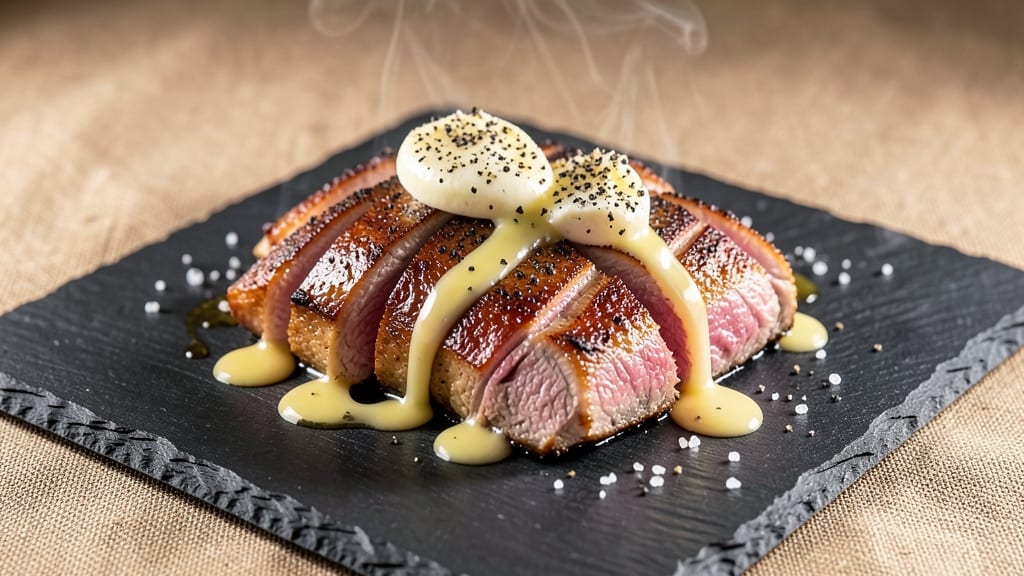
This butterflied pork fillet recipe delivers restaurant-quality results with a crispy exterior and juicy center—exactly what you want from a perfectly cooked cut.
As someone who's seared thousands of pounds of pork weekly, I'll show you how to transform a simple fillet into a showstopping main course that impresses every time. The key lies in the butterflying technique, which ensures even cooking and maximum tenderness.
Start with a well-marbled pork fillet, carefully butterflied to create a uniform thickness that cooks perfectly every time. A sharp boning knife and steady hand are essential—this isn't just about opening the fillet, but creating an even surface for that pan-seared crispness you crave.
Season generously with salt, pepper, and a touch of garlic powder before hitting the hot skillet, where the magic happens in just 3-4 minutes per side.
What you'll end up with is a fillet that's golden-brown on the outside, with a juicy interior that practically melts in your mouth. The butterflying method eliminates any risk of dryness, while the high-heat searing creates that coveted crust that makes every bite worthwhile.
This technique works equally well for grilling or roasting, giving you flexibility for different occasions.
Serve with roasted seasonal vegetables or a classic mashed potato to round out the meal. The crispy edges and tender center make this fillet perfect for special dinners or when you want to impress guests without spending hours in the kitchen.
Let's get started on creating your best pork fillet yet.
Ingredients for butterflied pork fillet
Here's what you'll need for that perfect crispy-yet-juicy butterflied pork fillet, every time.
| Ingredient | Amount | Notes |
|---|---|---|
| Pork Fillet 🥩 | 1 ½ lb | Well-marbled, center-cut preferred |
| Unsalted Butter 🧈 | ½ cup | Cold, cut into 1-inch pieces |
| Kosher Salt 🧂 | 1 ½ tsp | Diamond Crystal preferred |
| Freshly Ground Black Pepper 🌶️ | 1 tsp | Coarsely ground for texture |
| Garlic Powder 🧄 | ½ tsp | For subtle flavor depth |
| Vegetable Oil 🫒 | ¼ cup | High smoke point preferred |
| All-Purpose Flour 🌾 | 2 tbsp | For light dusting |
| Fresh Rosemary 🌿 | 1 sprig | Chopped, for garnish |
| Fresh Thyme 🌿 | 1 sprig | Chopped, for garnish |
| Lemon Wedges 🍋 | 4 whole | For serving |
| Boning Knife 🔪 | 1 whole | 8-inch, sharp and sturdy |
| Cutting Board 🪵 | 1 whole | Large, stable surface |
The pork fillet is where it all starts. Look for well-marbled cuts—that white fat between the muscle fibers is what keeps it juicy. Costco or Whole Foods usually carry excellent center-cut fillets, but your local butcher can cut one to order if you ask. A 1.5 lb fillet serves four beautifully, but go for 1 lb per person if you're feeding a crowd. The butter matters too—European-style unsalted butter has higher fat content, which gives you that perfect crust. Store your butter in the fridge until ready to use, and let it sit at room temperature for about 20 minutes before cutting it into pieces.
No boning knife? Ask your butcher to butterfly it for you—many will do it free of charge if you're buying the fillet from them. Running low on rosemary or thyme? Dried works in a pinch, but use half the amount. The garlic powder can be swapped for fresh garlic minced if you prefer, but powder is easier for quick seasoning. For the oil, avocado or canola oil both work great—they've got high smoke points so they won't burn at the high heat you'll need. If you don't have Diamond Crystal salt, Morton kosher salt is a solid alternative, just measure carefully since different brands have different grain sizes.
Butterflying the fillet is the secret to even cooking. Use a sharp boning knife and work slowly—this isn't a race. Once you've got your fillet ready, keep everything prepped and within arm's reach. The butter should stay cold until you're ready to sear, so keep it in the fridge until the last minute. This dish reheats beautifully—350°F for 10-15 minutes is perfect if you've got leftovers. Store any unused herbs in a damp paper towel in a sealed container to keep them fresh for up to a week. The fillet itself keeps 3-4 days in the fridge, but it's best enjoyed fresh.
Why You'll Love This Recipe
- Foolproof Butterflying: I swear, slicing that fillet in half like a book takes two minutes—no fancy knife skills needed. The secret’s in the tenderloin’s shape: thick enough to stay juicy, thin enough to cook fast. Honestly, my first attempt looked like a butcher’s disaster, but now I do it blindfolded.
- Butter-Kissed Magic: That melt-in-your-mouth butter basting? It’s the star. You’re not just seasoning—you’re turning the edges golden while the center stays silky. I’ll be real: the garlic powder and pepper make it taste like a fancy bistro dish, but with half the effort.
- Weeknight to Dinner Party: Same recipe, different vibes. Toss it on the grill for summer BBQs, or sear it in a cast-iron for a cozy Tuesday. Leftovers? Reheat with a splash of broth, and it’s just as good the next day. (Yes, even on a Tuesday night.)
- Budget-Friendly Powerhouse: Pork fillet stretches further than you’d think when butterflied—two portions for the price of one. The butter and salt aren’t cheap, but a little goes a long way. Not the prettiest, but the taste makes up for it every time. My secret weapon for feeding a crowd without breaking the bank.
Step-by-step instructions for perfectly butterflied pork fillet
Here's how to transform a simple pork fillet into restaurant-quality pan-seared perfection.
Butterflying the Pork Fillet
Lay the 1.5 lb pork fillet on the cutting board and pat it completely dry with paper towels. This step is crucial—any moisture will prevent the butterflying from working properly. Using the boning knife, make a deep cut about ½ inch from one edge, running parallel to the grain but not all the way through. Be careful to keep the knife blade flat against the meat to avoid cutting too deep.
Open the fillet like a book, creating two equal thickness layers. You should end up with two ½-inch thick pieces that are still connected along one edge. If your fillet isn't perfectly even, trim the thicker side slightly to match the thinner one. This even thickness ensures the pork cooks uniformly and develops that perfect crust we're after.
Seasoning and Flour Coating
In a small bowl, combine the 1.5 tsp kosher salt, 1 tsp freshly ground black pepper, and 0.5 tsp garlic powder. Sprinkle this mixture evenly over both sides of the butterflied pork. I like to press the seasoning into the meat gently with my fingers so it adheres well. Let the seasoned pork sit at room temperature for 15 minutes while you prepare the next steps.
Lightly dust both sides of the pork with the 2 tbsp all-purpose flour, shaking off any excess. This thin coating creates a delicate crust that helps trap moisture and develops that beautiful golden-brown color when seared. Don't skip this step—it makes all the difference in the final texture.
Searing the Pork to Golden Perfection
Heat a large skillet over medium-high heat until it's just smoking hot. Add the 0.25 cup vegetable oil and let it get shimmering hot—this ensures we get that perfect sear without burning the pork. Place the butterflied pork in the skillet, laying it flat with the cut sides down. Press down gently on the fillet during the first 1-2 minutes to prevent curling and ensure even contact with the pan.
Cook undisturbed for 3-4 minutes until the bottom develops a deep golden-brown crust. Flip carefully and cook the other side for another 3-4 minutes. You'll know it's ready when the internal temperature reaches 140°F (measured with an instant-read thermometer) and the edges are beautifully browned. The pork will continue cooking as it rests, so don't overcook it at this stage.
Finishing with Butter and Herbs
Remove the pork from the skillet and set it aside on a warm plate. Reduce the heat to medium-low and add the 0.5 cup cold unsalted butter to the skillet. Let it melt completely, then add the chopped rosemary and chopped thyme. Tilt the pan slightly and spoon the melted butter mixture over the pork, basting both sides generously. This basting step adds incredible richness and herbaceous flavor.
Return the pork to the skillet for 1-2 minutes to let it soak up all that buttery goodness. The butter should be bubbling gently but not browning. Once it's coated, transfer the pork to a cutting board and let it rest for 5 minutes before serving. This resting time is essential—it allows the juices to redistribute throughout the meat, ensuring each bite is moist and flavorful.
Serving with Lemon and Garnish
Slice the butterflied pork into ½-inch thick medallions against the grain for maximum tenderness. Arrange the slices on warm plates and garnish with the 4 lemon wedges and any remaining herb butter from the skillet. The acidity of the lemon cuts through the richness of the pork beautifully, balancing the flavors in each bite.
Serve immediately with your favorite sides—roasted vegetables, mashed potatoes, or a fresh salad all pair wonderfully. The pork should have a crispy, golden-brown exterior that gives way to juicy, tender meat inside. Each slice should be perfectly cooked through with no hint of pink in the center, and the herb butter should be visible on the surface, adding extra flavor with every bite.
Pro Tips For Making Butterflied Pork Fillet
- Trim the Fat First: A butterflied pork fillet still has fat layers—slice them out before seasoning. I learned this the hard way when my first batch turned greasy instead of crispy; those fat pockets steam the meat instead of letting it sear properly.
- Salt Early, Salt Hard: Sprinkle kosher salt over the fillet at least 30 minutes before cooking—it draws out moisture, which evaporates during searing and guarantees a better crust. Skip this, and your butter won’t stick like it should.
- Use Cold Butter: Pat the butter into the fillet straight from the fridge—it melts slower and bastes the meat more evenly. I was lazy once and used softened butter; the fillet ended up soggy instead of golden.
- Check for 145°F: Butterflied pork cooks faster than a whole fillet—use a meat thermometer to confirm 145°F in the thickest part. I’ve overcooked it twice because I eyeballed it, and that’s when the texture goes from tender to rubbery.
Perfect pairings for this recipe
Classic Side Pairings
Start with creamy garlic mashed potatoes—their buttery texture contrasts beautifully with the crispy pork. I make mine with Yukon Gold potatoes, roasted garlic, and sour cream for extra richness.
Another crowd-pleaser is sautéed green beans with almond slices and a splash of white wine vinegar to brighten the dish. 🥔
Herb-Infused Vegetables
Roasted asparagus with lemon zest and crispy pancetta adds a sophisticated touch. For a heartier option, try brown butter Brussels sprouts with balsamic glaze—the caramelized edges complement the pork's crust perfectly. Both sides benefit from being roasted at 425°F for 15-20 minutes to enhance their natural sweetness.
Beverage Pairings
A crisp Sauvignon Blanc from New Zealand cuts through the pork's richness with its citrus notes. For red wine lovers, a Pinot Noir from Oregon offers light tannins that won't overpower the dish.
If you prefer beer, a Belgian witbier like Hoegaarden adds a refreshing, slightly spicy contrast to the buttery pork. 🍷
Unexpected Twists
For a Southern-inspired twist, serve with cornbread muffins—their slight sweetness balances the savory pork. Another unexpected pairing is apple compote with cinnamon and port wine, which adds a fruity contrast that elevates the meal.
This combination reminds me of my grandmother's holiday dinners in Georgia, where pork was always the star with complementary sides that made every bite special.
Garnish Finishing Touches
Before serving, drizzle the pork with honey mustard or chipotle aioli for an extra layer of flavor. Fresh microgreens or edible flowers add a pop of color and freshness.
I often finish with a sprinkle of flaky sea salt to enhance the buttery crust. These small details make the dish feel restaurant-quality without extra effort. 🌸
Nutrition facts
Frequently asked questions
What's the best cut of pork for butterflying?
Look for a center-cut pork fillet with good marbling—this ensures maximum tenderness and flavor. A 1.5 lb fillet serves 4 people perfectly. If you can't find a fillet, a pork tenderloin works too, though it's slightly leaner. Always ask your butcher for the freshest, most even cut available.
Can I substitute the flour coating?
Yes! For a gluten-free option, use cornstarch or arrowroot powder instead. You can also skip it entirely and just season the pork—it'll still be delicious, though the crust will be slightly less crispy. The flour helps create that perfect golden-brown sear, but it's not mandatory.
How do I know when the pork is fully cooked?
Use a meat thermometer to check the internal temperature—it should reach 140°F for medium-rare, or 145°F for medium. The edges should be golden-brown, and the meat should spring back slightly when pressed. Never overcook—pork continues cooking as it rests, so pull it out just before it reaches your target temperature.
Can I make this ahead of time?
Yes, but with a few adjustments. Cook the pork completely, then refrigerate it uncovered for 1-2 hours to develop a crust. Reheat in a 350°F oven for 10-15 minutes until warmed through. For best results, serve within 2 days of cooking. The texture won't be quite as crispy, but it'll still be delicious.
What if my butterflied pork curls up in the pan?
This happens when the meat isn't completely dry or the heat isn't high enough. Pat the pork thoroughly with paper towels, and use a heavy skillet to maintain even heat. Press down gently with a spatula during the first 1-2 minutes to flatten it. If it still curls, try cooking it at a slightly lower heat (medium instead of medium-high).