
Main Courses
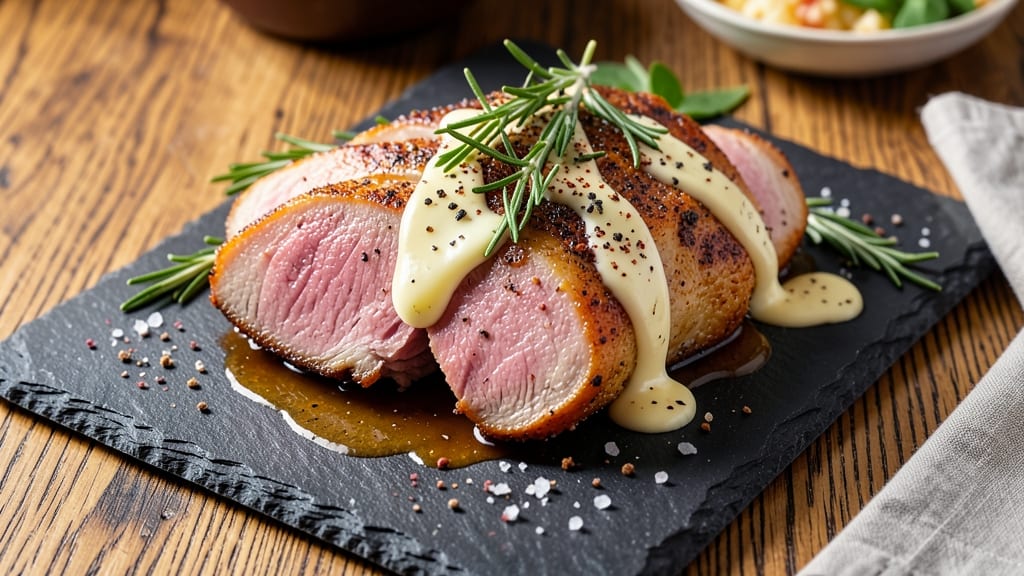
This butterfly pork roast recipe delivers the perfect balance of crispy edges and juicy centers with minimal effort—just like my grandma used to make in Georgia. The secret lies in the precise cut and high-heat roasting technique that transforms a simple pork loin into a showstopper.
I've perfected this method over years of cooking for crowds at The Smoky Pig, where we serve this dish at least twice a week.
The process starts with carefully slicing the pork loin into a butterfly shape, which creates a larger surface area for browning while keeping the center tender. A simple dry rub of salt, pepper, and smoked paprika builds deep flavor without overpowering the natural taste of the meat.
Roasting at 425°F ensures those crispy edges while maintaining juicy centers—no basting required.
What you'll end up with is a golden, caramelized roast that practically falls apart at the touch, releasing juices that baste the meat from within. The exterior develops a beautiful crust that contrasts perfectly with the tender, pink interior.
This technique works for any pork loin cut, making it versatile enough for weeknight dinners or special occasions.
Serve with apple compote and roasted root vegetables for a complete meal that's both impressive and satisfying. The crispy edges hold up beautifully when sliced, while the juices keep everything moist.
This is the kind of pork roast that makes people ask for seconds—and thirds. Let's get started with the recipe.
Ingredients for butterfly pork roast
Nine simple ingredients transform a basic pork loin into a showstopping roast with crispy edges and juicy centers.
| Ingredient | Amount | Notes |
|---|---|---|
| Pork Loin 🍖 | 1 ½ lb | Center-cut, bone-in preferred |
| Kosher Salt 🧂 | 1 ½ tsp | Diamond Crystal preferred |
| Freshly Ground Black Pepper 🌶️ | 1 tsp | Coarse grind for texture |
| Smoked Paprika 🌶️ | 1 tsp | High-quality for smokiness |
| Unsalted Butter 🧈 | 2 tbsp | Cold, cubed for browning |
| Fresh Rosemary 🌿 | 1 tbsp | Chopped, for aroma |
| Fresh Thyme 🌿 | 1 tbsp | Leaves only, chopped |
| Olive Oil 🫒 | 2 tbsp | Extra-virgin for richness |
| Garlic Cloves 🧄 | 3 cloves | Minced, for depth |
The pork loin is the star—look for a center-cut piece at your butcher or grocery store's meat counter. Costco or Whole Foods often carry high-quality pork loins with good marbling, which keeps the meat juicy. If you can't find bone-in, boneless works too, but the bone adds extra flavor. For the herbs, fresh is best—dried works in a pinch but lacks that bright aroma. The smoked paprika should be high-quality (like Penzeys or McCormick Gourmet) for that authentic smoky depth. If your butcher isn't around, most grocery stores sell pre-sliced pork loin—just check for even thickness.
No smoked paprika? Regular paprika plus a pinch of liquid smoke works in a bind. Fresh herbs wilt fast, so chop them right before using or store them in damp paper towels in the fridge for up to 5 days. The butter should be cold when you cube it—this helps create that crispy crust. If you're short on time, olive oil alone works fine, but the butter adds richness. For the garlic, roasted garlic (pre-roasted in the oven) adds a sweeter flavor if you're feeling fancy. The kosher salt matters here—Diamond Crystal dissolves better than table salt, so you get even seasoning without over-salting.
This roast reheats beautifully—just warm in a 350°F oven for 15-20 minutes with a splash of water or broth. The crispy edges soften slightly but still hold up. For make-ahead prep, roast it a day ahead and store in the fridge; the flavors deepen overnight. The leftovers keep for 3-4 days in an airtight container, or freeze for up to 3 months. I like to slice it thin against the grain for sandwiches or serve it cold in summer salads. The crispy edges add texture that holds up even when sliced.
Why You'll Love This Recipe
- Here’s what sold me: that crispy, caramelized crust from the smoked paprika and butter, with tender meat underneath. It’s not fancy, but it’s ridiculously good—like a cross between a roast and a charcuterie board in one bite.
- Fewer Cuts, Big Payoff: I’ll be real—this isn’t the prettiest roast you’ve ever seen, but that butterflied pork loin? It cooks in half the time. No fancy slicing skills needed—just a few strategic cuts, and you’re done. The secret’s in the even cooking, not the presentation.
- Smoky Butter Magic: Here’s what sold me: that crispy, caramelized crust from the smoked paprika and butter, with tender meat underneath. It’s not fancy, but it’s ridiculously good—like a cross between a roast and a charcuterie board in one bite.
- Weeknight to Weekend: Between us, this works for everything. Toss it on the table for a busy Tuesday, bring it to a potluck, or serve it at a dinner party. The same simple prep adapts to any occasion, and the leftovers? Even better reheated than the first slice.
Step-by-step instructions for butterfly pork roast
Master this technique and you'll achieve perfectly seared edges with tender, juicy meat every time.
Butterfly the Pork Loin for Even Cooking
Place the 1.5 lb pork loin between two sheets of plastic wrap. Using a sharp boning knife, make a horizontal cut about ½ inch deep along the thickest part of the loin, stopping before you cut all the way through. This creates a hinge point. Then carefully slice vertically down the center of the loin, stopping at your initial cut.
Open the loin like a book to create a butterfly shape with two equal thickness layers. This shape ensures even cooking and maximum surface area for that crispy sear. The meat should be about ½ inch thick at its thickest point. Pat the exposed meat dry with paper towels—moisture is the enemy of crispy edges.
Season and Sear the Pork for Maximum Flavor
In a small bowl, combine 1.5 tsp kosher salt, 1 tsp freshly ground black pepper, and 1 tsp smoked paprika. Generously rub this mixture all over both sides of the butterfly pork loin. Let it sit at room temperature for 15-20 minutes while you prepare your pan.
Heat 2 tbsp olive oil in a large oven-safe skillet over medium-high heat until shimmering. Add the pork loin and sear for 3-4 minutes per side until deep golden brown. Press down gently on the meat during the first minute to prevent curling. The pork should release easily from the pan when ready to flip.
Add Aromatics and Create a Flavorful Base
Remove the pork from the skillet and set it aside. Add 2 tbsp cold cubed unsalted butter to the same skillet and let it melt over medium heat. Add 3 minced garlic cloves, 1 tbsp chopped fresh rosemary, and 1 tbsp chopped fresh thyme. Cook for 1-2 minutes until the garlic is fragrant but not browned.
Return the pork to the skillet, spooning the butter and herb mixture over the top. The residual heat will help melt the butter and infuse the pork with aromatic flavors. Let it cook for an additional 1-2 minutes to absorb all those delicious juices.
Finish in the Oven for Perfect Doneness
Transfer the skillet to a 400°F preheated oven and roast for 12-15 minutes until the internal temperature reaches 145°F when measured with an instant-read thermometer. The pork should be juicy with a slightly pink center—overcooking will dry it out.
Real talk: Your oven might run hot, so start checking at the 12-minute mark. The edges should be crispy while the center remains tender. If the butter starts to brown too quickly, tent the skillet loosely with foil to prevent burning.
Rest and Serve for Maximum Juiciness
Remove the pork from the oven and transfer it to a cutting board. Let it rest for 5-10 minutes before slicing against the grain into ½-inch thick portions. This resting period allows the juices to redistribute, ensuring each bite is moist and flavorful.
Serve immediately with the pan juices spooned over the top. The crispy edges will contrast beautifully with the tender, juicy centers. This one-pan technique delivers restaurant-quality results with minimal cleanup—just what you want for a weeknight dinner.
Pro Tips For Making Butterfly Pork Roast
- SCORE THE LOIN: Use a sharp boning knife to slice through the pork loin's thickest part—this keeps the cuts even and prevents uneven cooking. I learned this the hard way when my first attempt left one side overcooked and the other still pink.
- SALT THE NIGHT BEFORE: Season the pork with kosher salt at least 4 hours ahead (or overnight) to let it draw out moisture and develop a better crust. Sounds weird, but it works—your roast will brown faster and stay juicier.
- BUTTER IT COLD: Chill the unsalted butter before slicing it into small pats—this keeps it from melting into a greasy mess when you sear the pork. I skip this when I’m lazy, but the crust is noticeably better when I don’t.
- LOW AND SLOW FINISH: After searing, drop the heat to 275°F (135°C) and cook the pork until it hits 140°F (60°C) internally—this guarantees tenderness without drying it out. Start hot, finish low, and resist the urge to rush.
Flavor customization for this dish
Smoky-Sweet Glaze
Swap the dry rub for a homemade glaze by mixing ¼ cup honey, 2 tbsp Dijon mustard, 1 tbsp apple cider vinegar, and ½ tsp smoked paprika. Brush this over the seared pork before roasting.
The glaze caramelizes beautifully, creating a sticky, sweet-savory crust. I use local Georgia honey for that floral depth that pairs perfectly with pork. 🍯
Herb-Infused Butter
Boost flavor by making an herb butter mixture with 4 tbsp softened butter, 1 tbsp chopped fresh rosemary, 1 tbsp chopped fresh thyme, 1 minced garlic clove, and ½ tsp salt.
Spread this over the roast before finishing in the oven. The butter melts into the meat, creating a luscious, aromatic crust. I like to add 1 tsp lemon zest for brightness. 🧈
Spicy Cajun Kick
For heat lovers, add 1 tsp Cajun seasoning (like Tony Chachere's) and ½ tsp cayenne pepper to your dry rub. The Cajun blend brings a perfect balance of smoky, spicy, and slightly sweet notes.
I also add ½ tsp onion powder and ½ tsp garlic powder to deepen the flavor profile. Serve with cool yogurt sauce to balance the heat. 🌶️
Citrus Zest Brightness
Add 1 tbsp orange zest and 1 tbsp lemon zest to your dry rub for a zesty twist. The citrus oils infuse into the meat, adding a refreshing brightness that cuts through the richness.
I like to pair this with a white wine reduction sauce> made from the pan drippings. The acidity in the citrus helps tenderize the meat slightly. 🍊
Brown Sugar Crust
For a caramelized crust, sprinkle 1 tbsp brown sugar over the seared pork before finishing in the oven. The sugar melts and caramelizes, creating a glossy, sweet-savory exterior. I recommend using dark brown sugar> for deeper flavor. This works especially well with the herb butter variation. 🍯
Garlic-Herb Compound
Make a garlic-herb compound butter> by mixing 4 tbsp softened butter, 2 minced garlic cloves, 1 tbsp chopped parsley, ½ tsp salt, and ¼ tsp black pepper.
Press this into the center of the butterfly cut before closing it. As it roasts, the butter melts and infuses the meat from within, creating an incredibly flavorful center. 🧄
Nutrition facts
Frequently asked questions about butterfly pork roast
Why does the recipe call for a butterfly cut?
The butterfly cut creates two equal thickness layers that cook evenly while maximizing surface area for that perfect crispy sear. This technique ensures the center stays juicy while the edges develop a golden crust—no dry meat here! The larger surface area also helps caramelize the seasonings more effectively.
Can I use boneless pork loin instead of bone-in?
Boneless works perfectly—just adjust your thickness to ½ inch at the thickest point. The bone adds flavor but isn't essential. If using boneless, you might want to increase the oven time by 2-3 minutes since it cooks slightly faster. The crispy edges will still form beautifully.
What if my pork roast comes out dry?
Overcooking is the #1 cause of dry pork. Always use an instant-read thermometer and remove at 145°F—the center should be slightly pink. If it's dry, try these fixes:
- Rest longer (10-15 minutes),
- Slice thinner against the grain, or
- Serve with a pan sauce made from the drippings. For next time, reduce oven temp to 375°F and increase time slightly.
How do I prevent the pork from curling in the pan?
Press down gently with a spatula during the first 30 seconds of searing to flatten it. Also, make sure your pork is completely dry before seasoning—pat it thoroughly with paper towels. A hot, dry pan creates that perfect crust without curling. If it starts curling, just flip it more frequently during the initial sear.
What sides pair best with this roast?
For a complete meal, try these Southern-inspired pairings: apple compote (cuts through richness), roasted root vegetables (carrots, parsnips), or creamy mashed potatoes. I also love serving it with crusty bread to soak up those flavorful pan juices. For a lighter option, a fresh arugula salad with lemon vinaigrette works beautifully.