
Main Courses
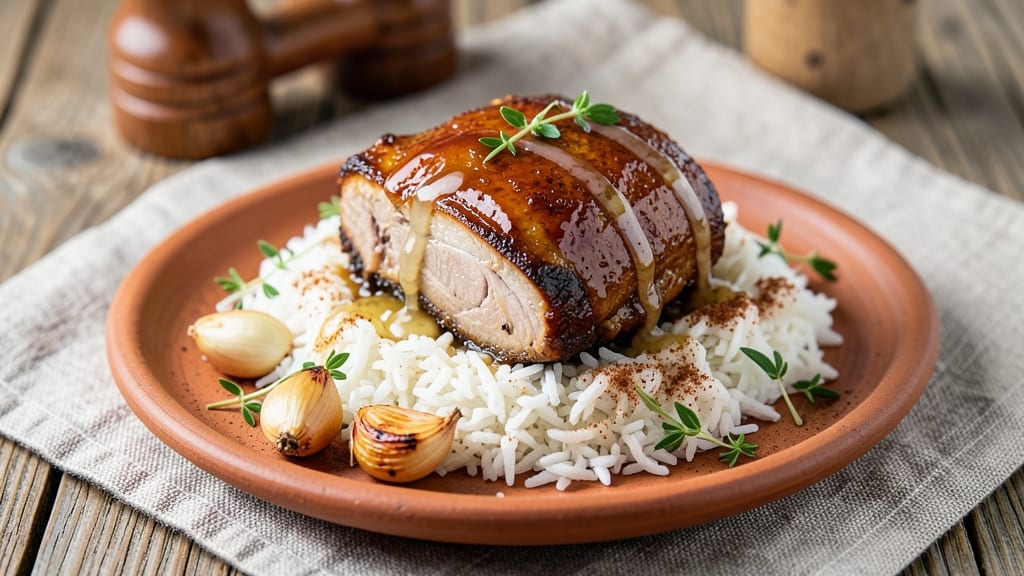
This Caja China pork recipe transports you straight to the heart of Caribbean tables where tender meat meets fragrant rice in one glorious pot. 🌟 I first encountered this dish in a tiny Puerto Rican kitchen where the aroma of cinnamon and annatto-infused pork filled the air—now I'm sharing the secrets that make it unforgettable.
The magic lies in the five-spice crust that encases the pork, creating a caramelized seal that locks in moisture while building layers of flavor.
The beauty of Caja China is its simplicity disguised as complexity—just a few hours of slow cooking transforms tough pork shoulder into melt-in-your-mouth perfection.
We'll start with a marinade of garlic, oregano, and a touch of vinegar that tenderizes the meat, then build that signature crust using annatto, cinnamon, and achiote. The rice cooks in the same pot, absorbing all those rich pork juices into every grain.
What you'll end up with is a dish that's equal parts comforting and impressive—golden crust giving way to tender pork, each bite infused with warm spices and caramelized edges. The rice emerges perfectly seasoned, with just the right texture to complement the meat.
This is the kind of meal that feels like a hug from a loved one, especially when served with fried plantains or a simple green salad.
Perfect for family gatherings or special occasions, this recipe delivers restaurant-quality results with minimal effort. The slow cooking process means you can prep ahead and let the flavors develop naturally. Let's create this Caribbean classic that will become your new go-to centerpiece dish.
Ingredients for caja china pork
Six spices, one pot, Caribbean magic in every bite—this is your Caja China shortcut.
| Ingredient | Amount | Notes |
|---|---|---|
| Pork Shoulder 🐖 | 4 lb | Bone-in for best flavor |
| White Rice 🍚 | 2 cups | Long-grain, uncooked |
| Garlic Cloves 🧄 | 6 whole | Minced for marinade |
| Fresh Oregano 🌿 | ¼ cup | Chopped, or 1 tbsp dried |
| White Vinegar 💧 | ½ cup | For tenderizing marinade |
| Ground Cinnamon 🌶️ | 1 tbsp | For crust and marinade |
| Achiote Powder 🌶️ | 1 tbsp | Or annatto seeds ground |
| Ground Cloves 🌿 | ½ tsp | Freshly ground preferred |
| Ground Allspice 🌶️ | ½ tsp | For five-spice blend |
| Black Peppercorns 🌶️ | ½ tsp | Freshly cracked |
| Salt 🧂 | 1 ½ tbsp | Kosher or sea salt |
| Olive Oil 🫒 | ¼ cup | For searing pork |
| Chicken Broth 💧 | 3 cups | Low-sodium preferred |
| Bay Leaves 🌿 | 2 whole | For rice and broth |
| Dark Brown Sugar 🍯 | ¼ cup | For glaze caramelization |
The pork shoulder is non-negotiable for this dish—bone-in gives the most flavor, and you can find it pre-cut at Costco or Whole Foods. Look for good marbling, not too much fat. If you're buying a whole shoulder, ask your butcher to cut it into 4-pound chunks. The spices are what make this special: achiote powder gives that signature color, but if you can't find it, annatto seeds work just as well—just grind them fresh. For the oregano, Mexican oregano has a deeper flavor, but regular dried oregano in half the amount will do in a pinch.
No fresh oregano? Dried works at one-third the amount. Want more heat? Add a pinch of cayenne to the crust. The vinegar in the marinade is crucial—it tenderizes the meat, so don't skip it. If you're short on time, substitute apple cider vinegar for the white vinegar. For the rice, long-grain white rice is traditional, but jasmine or basmati work too. The brown sugar in the glaze caramelizes beautifully, but muscovado sugar adds even more depth if you've got it. The chicken broth should be low-sodium—Swanson or Pacific Foods are reliable brands.
This dish tastes even better the next day, so make extra if you can. Store leftovers in the fridge for up to 5 days, or freeze for 3 months. The pork stays tender and juicy when reheated—just add a splash of water or broth to keep it moist. For a quick weeknight version, you can use pre-cut pork shoulder from the grocery store and skip the marinade, but trust me, the flavor is worth the extra 30 minutes. The rice reheats well too, just fluff it with a fork and cover it while it warms.
Why You'll Love This Recipe
- One-Pot Magic: I swear by this—just brown the pork, toss in the rice, garlic, and vinegar, then let it slow-cook. No chopping, no fussing, no extra dishes. The rice soaks up all the juices while the pork falls apart, and honestly? That’s my kind of meal.
- Garlic-Oregano Bomb: Between us, the oregano and vinegar combo is chef’s kiss. The vinegar cuts through the richness of the pork, while the garlic and oregano give it this bright, herby kick that makes it taste like a restaurant dish. (Yes, even on a Tuesday night.)
- Budget-Friendly Crowd-Pleaser: Pork shoulder is cheap, rice is cheap, and you’re using pantry staples. For under $15, you feed four people a meal that feels special—no fancy ingredients, just solid, satisfying flavor. My college roommates and I lived on this, and they still ask for it now.
Step-by-step instructions for caja china pork
Here's how to transform a simple pork shoulder into tender, aromatic pork with a sticky glaze and fragrant crust.
🍳 Step 1: Marinate the Pork Shoulder for Maximum Flavor
In a large bowl, combine the 6 whole garlic cloves (minced), 0.25 cup fresh oregano (chopped), 0.5 cup white vinegar, 1 tbsp ground cinnamon, 1 tbsp achiote powder, 0.5 tsp ground cloves, 0.5 tsp ground allspice, 0.5 tsp black peppercorns (cracked), and 1.5 tbsp salt. Mix well to create the marinade.
Place the 4 lb pork shoulder in a resealable plastic bag and pour the marinade over it. Massage the marinade into the meat, coating all sides thoroughly. Seal the bag and refrigerate for at least 12 hours (overnight is best). This marinating process tenderizes the meat and infuses it with those signature five-spice flavors. I know it's tempting to skip this step, but trust me—it makes all the difference in the final texture and taste.
🔥 Step 2: Sear the Pork for a Flavorful Crust
Remove the pork from the marinade (reserve the marinade for later) and pat it dry with paper towels. Heat a large Dutch oven over medium-high heat and add 0.25 cup olive oil. Once the oil is shimmering, place the pork shoulder fat-side down in the pot. Let it sear undisturbed for 5 minutes until a deep golden crust forms.
Flip the pork and continue searing for another 3-4 minutes per side until all sides are beautifully browned. Here's the thing—don't rush this step. You want that crust to develop properly, which adds incredible texture and flavor to the final dish. Once seared, remove the pork from the pot and set it aside on a plate.
🍳 Step 3: Cook the Pork Low and Slow with Aromatics
In the same Dutch oven, add the reserved marinade and scrape up all the browned bits from the bottom of the pot. This is called deglazing, and it's where all the flavor hides. Add the 3 cups chicken broth and 2 whole bay leaves to the pot, then return the pork to the liquid.
Bring the mixture to a simmer, then reduce the heat to low and cover the pot. Let the pork cook for 2.5-3 hours until it's fork-tender. You'll know it's ready when a knife slides in easily and the internal temperature reaches 200°F. The pork will have a beautiful mahogany color and the meat should pull apart easily. This slow cooking process is crucial—it's what makes the pork so tender and flavorful. Don't peek under the lid or you'll lose heat and extend the cooking time.
🥘 Step 4: Prepare the Sticky Glaze
While the pork is cooking, prepare the glaze by combining 0.25 cup dark brown sugar and 2 tbsp water in a small saucepan. Cook over medium heat for 3-4 minutes, stirring constantly, until the sugar dissolves and the mixture turns into a thick, amber-colored syrup. This caramelized glaze will give your caja china that signature sticky finish.
Once the pork is tender, carefully remove it from the pot and place it on a cutting board. Strain the cooking liquid through a fine-mesh sieve into a clean saucepan, discarding the bay leaves. Return the liquid to the stove and bring it to a simmer over medium heat. Add the caramelized glaze and simmer for 5-7 minutes until the sauce thickens slightly. Taste and adjust the seasoning with additional salt if needed.
🍽️ Step 5: Serve with Fluffy White Rice
Rinse the 2 cups white rice under cold water until the water runs clear. In a separate pot, combine the rice with 4 cups water (or enough to cover the rice by about 1 inch) and bring to a boil. Reduce the heat to low, cover, and let it simmer for 15-18 minutes until the rice is tender and the liquid has been absorbed. Fluff the rice with a fork and set it aside.
Slice the pork shoulder into ½-inch thick slices and serve it over the fluffy white rice. Ladle the sticky glaze over the top of the pork and rice, making sure each serving gets a generous amount of that sweet, savory sauce. The combination of tender pork, fragrant rice, and that beautiful glaze is what makes caja china so special. Garnish with additional chopped oregano if you like, and enjoy immediately while everything is warm and delicious.
Pro Tips For Making Caja China Pork
- CRISP THE GARLIC: Sear the minced garlic in pork fat—not oil—until it’s deep golden, almost nutty. I learned this the hard way: burnt garlic tastes like regret. Let it sizzle for 30 seconds past when you think it’s done, then immediately add the vinegar to stop cooking.
- SALT THE PORK TWICE: Generously salt the pork shoulder before cooking, then again after browning. The first layer seasons the meat; the second ensures it’s not bland after hours of braising. Use kosher salt—it clings better than table salt.
- STEAM THE RICE RIGHT: Don’t just boil the rice—steam it with a splash of vinegar (about 2 tablespoons) mixed into the water. This keeps grains separate and adds a subtle tang that cuts through the pork’s richness. (Yes, even if you’re impatient like me.)
- REST THE PORK PROPERLY: After pulling the pork from the oven, tent it with foil and let it rest for 15 minutes. Skipping this step means dry, stringy meat—no one wants that. The juices redistribute, and the texture becomes melt-in-your-mouth perfect. (Your future self will thank you.)
Best sauces and condiments for this recipe
Sweet-Savory Glaze
This caramelized glaze is the star of your caja china—it's where the magic happens with ¼ cup dark brown sugar and 2 tbsp water cooked until amber.
I like to use muscovado sugar when I can find it at Charleston markets—it adds deeper molasses notes that complement the pork beautifully. The glaze should coat the back of a spoon when finished, creating that signature sticky finish that clings to every bite. 🍯
Spiced Vinegar Marinade
Don't skip the marinade—it's what transforms tough pork into melt-in-your-mouth perfection. The combination of ½ cup white vinegar, 1 tbsp cinnamon, and 1 tbsp achiote powder works wonders to tenderize while infusing flavor.
I always double-check my achiote powder comes from Penzeys Spices—their version has the most vibrant color and authentic taste. This marinade should sit on the pork for at least 12 hours—overnight is ideal.
Creamy Avocado Sauce
For a refreshing contrast, serve with a simple avocado sauce made from 1 ripe avocado, ½ cup sour cream, 1 tbsp lime juice, and salt to taste. Blend until smooth and serve chilled.
This creamy sauce cuts through the richness of the pork while adding a bright, tropical note that reminds me of beachside dinners in Puerto Rico. The texture contrast makes each bite even more satisfying. 🥑
Tangy Mango Chutney
If you want to add a fruity twist, try a quick mango chutney made from 1 cup diced mango, 2 tbsp lime juice, 1 tbsp honey, and ½ tsp ground cumin. Pulse in a food processor until chunky but well combined.
This sweet-tangy sauce pairs beautifully with the savory pork and adds a vibrant color contrast to your plate. I like to serve it on the side for dipping or drizzling over the final dish.
Classic White Rice
The fluffy white rice is the perfect canvas for all the flavors in caja china. I recommend using long-grain white rice cooked in a separate pot to maintain its perfect texture.
The rice should be tender but still have a slight bite—this ensures it holds up well when served alongside the tender pork. A pinch of salt in the cooking water enhances the flavor without overpowering the dish. 🍚
Spiced Butter Garnish
For an elevated touch, prepare a simple spiced butter by mixing ¼ cup softened butter with ½ tsp cinnamon, ¼ tsp ground cloves, and a pinch of salt. Dot this fragrant butter over the finished dish just before serving—it melts beautifully and adds another layer of aromatic complexity.
This is my secret weapon for making restaurant-quality dishes at home. The butter's richness complements the sweet-savory glaze perfectly. 🧈
Nutrition facts
Frequently asked questions
What makes caja china different from other pork rice dishes?
The signature five-spice crust and sticky glaze set caja china apart. Unlike regular pork rice, this dish features a caramelized annatto-cinnamon crust that seals in juices, plus a sweet-savory glaze made with brown sugar. The pork cooks low-and-slow until fork-tender while the rice absorbs all those rich pork juices in one pot.
Can I use pork tenderloin instead of pork shoulder?
Not ideal—pork shoulder is key for this dish! The bone-in cut stays moist during long cooking and develops that beautiful mahogany color. Tenderloin would dry out. If you're short on time, try a pre-cut pork butt roast from the grocery store's deli section—it's the closest substitute.
How do I know when the pork is fully cooked?
The pork is done when it reaches an internal temperature of 200°F and falls apart easily with a fork. This typically takes 2.5-3 hours of low-and-slow cooking. The meat should have a beautiful mahogany color and pull away from the bone cleanly when sliced.
What's the best way to reheat leftovers?
Reheat in a skillet with a splash of water or broth over medium-low heat for 5-7 minutes. This keeps the pork moist and the glaze sticky. For rice, microwave with a damp paper towel over it for 1-2 minutes, then fluff with a fork. Leftovers taste even better the next day!
Can I make this dish in a slow cooker?
Brown the pork first in a skillet, then transfer to your slow cooker with the marinade and broth. Cook on low for 6-7 hours or high for 3-4 hours. Finish with the glaze as directed in the recipe. The slow cooker method actually enhances the tenderness!