
Main Courses
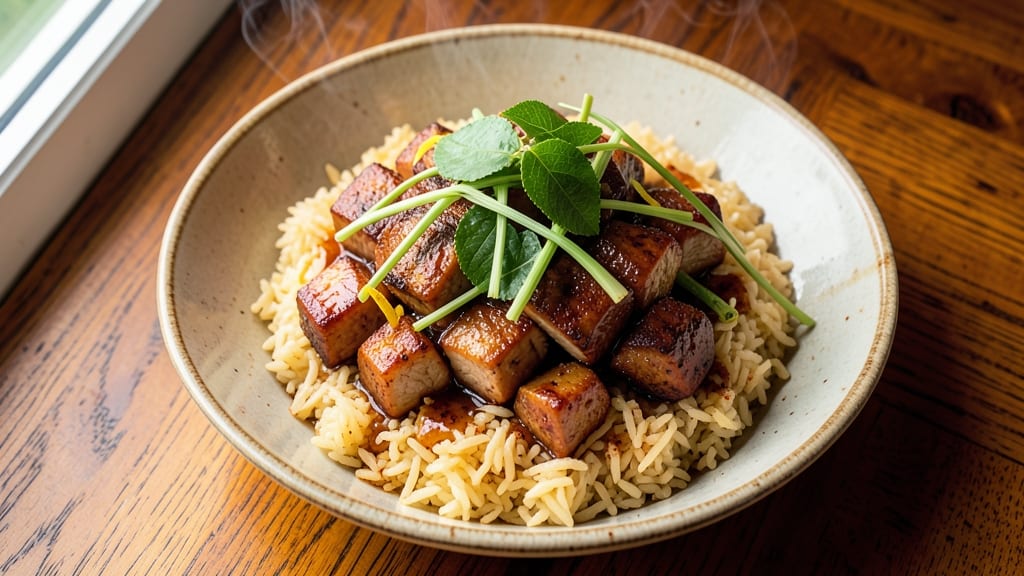
This Cambodian pork and rice recipe brings the aromatic flavors of Southeast Asia to your table with a fragrant five-spice crust and perfectly sticky jasmine rice.
The secret lies in marinating the pork with lemongrass, kaffir lime leaves, and a touch of fish sauce—creating layers of depth that transform simple ingredients into something extraordinary.
I developed this dish after years of exploring Cambodian home cooking, where the balance of sweet, savory, and umami is key to every bite.
The pork is seared to achieve that signature crispy crust while remaining tender inside, all thanks to a slow braising technique that infuses the meat with the marinade's rich flavors. Meanwhile, the jasmine rice cooks to a delicate, slightly sticky texture that complements the bold pork perfectly.
This dish isn't just about the food—it's about the experience of transporting your kitchen to the streets of Phnom Penh with every forkful.
What makes this recipe truly special is the attention to detail in every step, from the marinade to the final presentation. The pork emerges golden and aromatic, while the rice remains fragrant and tender.
Garnish with fresh herbs and a drizzle of teuk trey (Cambodian dipping sauce) for that authentic touch that elevates the dish from ordinary to unforgettable.
Serve this fragrant Cambodian pork with a side of pickled vegetables and a cool glass of srok sa ko (Cambodian iced tea) for the complete dining experience. The combination of textures and flavors creates a meal that's both comforting and exciting, perfect for a weeknight dinner or a special occasion.
Let's bring the heart of Cambodia to your kitchen.
Ingredients for cambodian pork and rice
Fragrant spices meet tender pork and aromatic rice for a Cambodian feast that transports your kitchen to Southeast Asia.
| Ingredient | Amount | Notes |
|---|---|---|
| Pork Shoulder 🥩 | 1 ½ lb | Boneless, cut into 1-inch cubes |
| Jasmine Rice 🍚 | 1 ½ cups | Uncooked, long-grain preferred |
| Lemongrass 🌿 | 1 whole | Stalks, bruised and cut into 2-inch pieces |
| Kaffir Lime Leaves 🍋 | 4 whole | Fresh, bruised lightly |
| Fish Sauce 🍶 | 2 tbsp | Red Boat brand preferred |
| Five-Spice Powder 🌶️ | 1 tbsp | Homemade or store-bought blend |
| Brown Sugar 🍯 | 2 tbsp | Packed, light variety |
| Garlic Cloves 🧄 | 6 cloves | Peeled, roughly chopped |
| Shallots 🧅 | 3 whole | Peeled, thinly sliced |
| Coconut Milk 🥥 | 13 ½ oz | Full-fat, canned preferred |
| Vegetable Oil 🫒 | ¼ cup | For searing pork |
| Fresh Cilantro 🌿 | ¼ cup | Chopped, for garnish |
| Salt 🧂 | 1 ½ tsp | Kosher or sea salt |
| Black Pepper 🌶️ | ½ tsp | Freshly ground preferred |
The pork shoulder is the star—look for well-marbled cuts at your local Asian market or butcher. If you can't find lemongrass or kaffir lime leaves, Thai or Vietnamese markets usually stock them fresh. The Red Boat fish sauce is non-negotiable for authentic flavor, though Thai Kitchen brand works in a pinch. Five-spice powder should have a balanced blend of star anise, fennel, cinnamon, clove, and pepper—Penzeys Spices carries a reliable version if you can't make your own. For the coconut milk, Aroy-D brand (common in Asian markets) has the richest texture, but any full-fat canned variety works.
No lemongrass? Substitute 1 tbsp lemongrass paste or extra lime zest for brightness. Kaffir lime leaves can be replaced with 2 tbsp lime zest plus 1 tbsp dried lime leaves (found in specialty stores). Running short on fish sauce? Soy sauce at half the amount adds umami, though it won't be identical. The brown sugar can be swapped for white sugar, but the molasses notes in brown sugar caramelize beautifully during searing. For the shallots, red onion works in a bind, though it lacks the delicate sweetness. If you're using pre-minced garlic, toast it first in the oil to deepen its flavor—trust me on this.
Marinate the pork for at least 4 hours (overnight is ideal) to let flavors meld. The jasmine rice should be rinsed 3-4 times to remove excess starch for that signature sticky texture. Store leftover pork in an airtight container with a damp paper towel to keep it moist for up to 4 days. The rice reheats beautifully—just add a splash of water and steam it covered. For longer storage, freeze portions of pork in single-serving bags for up to 3 months, though the texture may change slightly upon thawing.
Why You'll Love This Recipe
- One-Pot Magic: I swear by this when I’m too tired to wash extra dishes—just sear the pork, toss in the rice, and let it all simmer together. The lemongrass and kaffir lime leaves infuse the rice with their bright aroma while the pork cooks, so you end up with a fragrant, cohesive meal that tastes like it took hours.
- Umami Bomb: That first bite of tender pork shoulder with its crispy edges, slathered in fish sauce and caramelized from slow cooking? It’s dangerously addictive. The pork stays juicy while the rice absorbs all those deep, savory notes—no bland meals here.
- Meal Prep MVP: Between us, this is my go-to for busy weeks. Cook a big batch on Sunday, and you’ve got lunch or dinner covered for days. The rice stays fluffy, the pork reheats beautifully, and honestly? No one will guess it’s from three days ago.
- Budget Stretch: Pork shoulder is affordable, and a single cut feeds the whole family. I’ll be real: the kaffir lime leaves and lemongrass might cost a little upfront, but they make the dish taste like a fancy restaurant. Plus, leftovers taste just as good cold in sandwiches the next day. Win-win.
Step-by-step instructions for Cambodian pork and rice
Master the balance of aromatic spices and tender pork for a dish where every bite delivers complex flavors.
Prepare the Pork for Maximum Flavor
In a large bowl, combine the 1.5 lb pork shoulder cut into 1-inch cubes with the 1 tbsp five-spice powder, 1.5 tsp salt, and 0.5 tsp black pepper. Massage the mixture thoroughly so the spices adhere evenly to each piece. This step ensures the pork develops deep, aromatic layers of flavor throughout the cooking process.
Heat 0.25 cup vegetable oil in a heavy-bottomed pot or Dutch oven over medium-high heat. Once the oil shimmers, add the seasoned pork in a single layer, allowing it to sear undisturbed for 3-4 minutes until it develops a deep golden crust. This initial sear locks in juices and creates the foundation for the rich crust we'll build later. If the pork releases easily from the pan, it's ready to stir and cook for another 2-3 minutes until all pieces are evenly browned.
Build the Fragrant Five-Spice Crust
Remove the seared pork from the pot and set it aside. In the same pot, add 2 tbsp vegetable oil (if needed) and reduce heat to medium. Add the 3 whole shallots and 6 cloves garlic, cooking for 2-3 minutes until the shallots soften and become translucent. The garlic should be fragrant but not browned—this prevents bitterness that can overpower the delicate flavors.
Add the 2-inch pieces of lemongrass and 4 lightly bruised kaffir lime leaves, stirring gently to combine. Cook for 1-2 minutes until the lemongrass releases its citrusy aroma. Pour in the 2 tbsp fish sauce and 2 tbsp packed brown sugar, stirring to dissolve the sugar completely. This mixture forms the aromatic base that will infuse the pork with its signature Cambodian depth.
Simmer Pork in Coconut Milk Until Tender
Return the seared pork to the pot and pour in the 13.5 oz coconut milk, stirring to combine. Bring the mixture to a gentle simmer, then reduce heat to low and cover partially. Let it cook for 1 hour, stirring occasionally, until the pork becomes fork-tender with just a slight resistance. The coconut milk should reduce slightly, creating a thick, velvety sauce that clings beautifully to the pork.
During the last 15 minutes of cooking, check for doneness by piercing the largest pork piece with a fork. If it slides in easily with just slight resistance, the pork is ready. If not, continue cooking for another 10-15 minutes. The sauce should coat the back of a spoon and have a glossy sheen, indicating proper reduction.
Cook the Jasmine Rice to Perfection
While the pork simmers, rinse the 1.5 cups jasmine rice under cold water until the water runs clear. This removes excess starch that can make the rice gummy. In a separate pot, combine the rinsed rice with 2 cups water (or follow package instructions for a 1:1 rice-to-water ratio). Bring to a boil, then reduce heat to low, cover tightly, and let it steam for 15 minutes off the heat. This method creates the signature sticky texture while preventing the rice from becoming dry.
After 15 minutes, fluff the rice gently with a fork, then tent with a clean kitchen towel to keep it moist. The rice should be tender with a slight bite in the center and each grain distinct but clinging together. If the rice feels undercooked, return it to the heat for another 5 minutes covered. The aroma should be floral and delicate, a hallmark of properly cooked jasmine rice.
Assemble and Garnish for Presentation
Divide the cooked jasmine rice evenly among 4 serving plates. Spoon the pork and its coconut milk sauce over the rice, ensuring each serving has an equal portion of both components. The pork should be arranged attractively on top of the rice, with some sauce visible for visual appeal.
Garnish each serving with 1 tablespoon chopped fresh cilantro, adding a pop of color and freshness that cuts through the richness of the pork and coconut milk. The cilantro should be finely chopped to distribute evenly without overpowering the dish. Serve immediately while the pork is still steaming hot, as the flavors and textures are at their peak when enjoyed right away.
Pro Tips For Making Cambodian Pork And Rice
- Sear the Pork Shoulder First: I learned this the hard way—skipping the sear means your pork will turn out soft instead of tender with a crisp edge. Get your pan screaming hot (medium-high heat) and cook the pork shoulder fat-side down for 8-10 minutes until the fat renders and the meat develops a deep brown crust. That’s where all the flavor hides.
- Slice Lemongrass Thinly: Don’t just chop those stalks into rough chunks—slice them paper-thin, almost like you’re shaving them. The more surface area, the more aroma infuses into the pork and sauce. (Yes, even if you’re impatient like me.) Use a sharp knife and work parallel to the fibers for clean, even slices.
- Don’t Overcrowd the Pot: I used to toss everything in the pot at once, and the pork would steam instead of caramelize. After burning three batches, I finally figured out: brown the pork in batches if needed, then add the aromatics (lemongrass, lime leaves) in a single layer. Crowding kills flavor—give the meat room to breathe.
- Use Fish Sauce Sparingly: Sounds weird, but it works: start with half the amount called for, taste, then add more if needed. Fish sauce is salty and potent—what you’re really chasing is umami, not saltiness. (Your future self will thank you.) If you’re using a cheaper brand, cut it even further, as quality varies wildly.
Troubleshooting this recipe
Pork Too Tough
If your pork emerges dry or chewy, you likely rushed the cooking time. Cambodian pork dishes require patience—the pork should cook until it reaches 203°F internal temperature for true tenderness. I’ve found that 1 hour of simmering in coconut milk is non-negotiable, even if it seems undercooked earlier.
If you’re in a hurry, try adding ½ cup extra coconut milk and increasing the simmer time by 15-20 minutes. The sauce will help keep the meat moist. 💡
Rice Too Dry
Overcooked rice is a common mistake, especially when using jasmine rice. The key is to remove the pot from heat immediately after boiling and let it steam covered for 15 minutes off the stove.
If your rice still feels dry, try adding 2 tbsp water or coconut milk and steaming for another 5 minutes covered. For extra insurance, place a damp towel over the pot while it steams to trap moisture. 🌱
Sauce Too Thin
A watery sauce can happen if you didn’t reduce the coconut milk enough. After simmering the pork, let the sauce reduce uncovered on medium heat for 5-10 minutes to thicken it naturally.
If it’s still too thin, stir in 1 tsp cornstarch mixed with 1 tbsp water and simmer until it reaches your desired consistency. Avoid over-reducing, though—you want a glossy, velvety sauce, not a gluey one. 🥥
Fish Sauce Overpowering
Fish sauce can dominate if you’re not careful. The trick is to balance it with the sweetness of brown sugar and the acidity of kaffir lime leaves. If your dish tastes too salty, add a splash of coconut milk> to dilute it slightly.
For a brighter flavor, squeeze in ½ lime> or add 1 tbsp sugar> to round out the taste. Trust your palate—start with 1 tbsp fish sauce> and adjust as you go. 🍋
Lemongrass Too Bitter
Old or overly bruised lemongrass can turn bitter, ruining the dish. Always use fresh stalks and bruise them gently with the side of your knife before adding to the pot. If you’ve already added it and notice bitterness, balance it with ½ tsp sugar> or a pinch of salt.
For future batches, store lemongrass in the freezer to preserve its freshness for up to 3 months>. 🌿
Nutrition facts
Frequently asked questions
What makes this Cambodian pork dish different from other Asian pork recipes?
The five-spice crust and coconut milk braising set this apart. Unlike Thai or Vietnamese pork dishes, Cambodian versions use kaffir lime leaves and lemongrass for bright citrus notes, balanced by fish sauce and brown sugar. The pork stays tender while developing a fragrant crust that's uniquely Cambodian.
Can I substitute pork shoulder with another cut?
Yes! Pork loin works well (reduce cooking time to 45 minutes), while pork belly adds richness (increase to 1 hour 15 minutes). For leaner cuts, add 1 tbsp coconut milk to prevent drying. The key is 203°F internal temp for perfect tenderness.
How do I make this dish vegetarian?
Replace pork with extra-firm tofu or mushrooms (shiitake or oyster). Use 1 tbsp soy sauce instead of fish sauce, and add ½ cup vegetable broth to the coconut milk. The rice and five-spice crust remain the same—just adjust cooking times for tofu (30 minutes) or mushrooms (20 minutes).
What's the best way to reheat leftovers?
Store pork in an airtight container with a damp paper towel to prevent drying. Reheat gently in a skillet with 1 tbsp coconut milk over low heat for 5-7 minutes. For rice, add 1 tbsp water and steam covered for 3 minutes. Never microwave—it makes pork rubbery!
Can I make this dish in a slow cooker?
Brown the pork first, then transfer everything (including marinade) to the slow cooker. Cook on low for 6 hours or high for 3 hours. The coconut milk will thicken naturally. For extra flavor, add 1 tbsp fish sauce at the end. The rice should be cooked separately.