
Main Courses
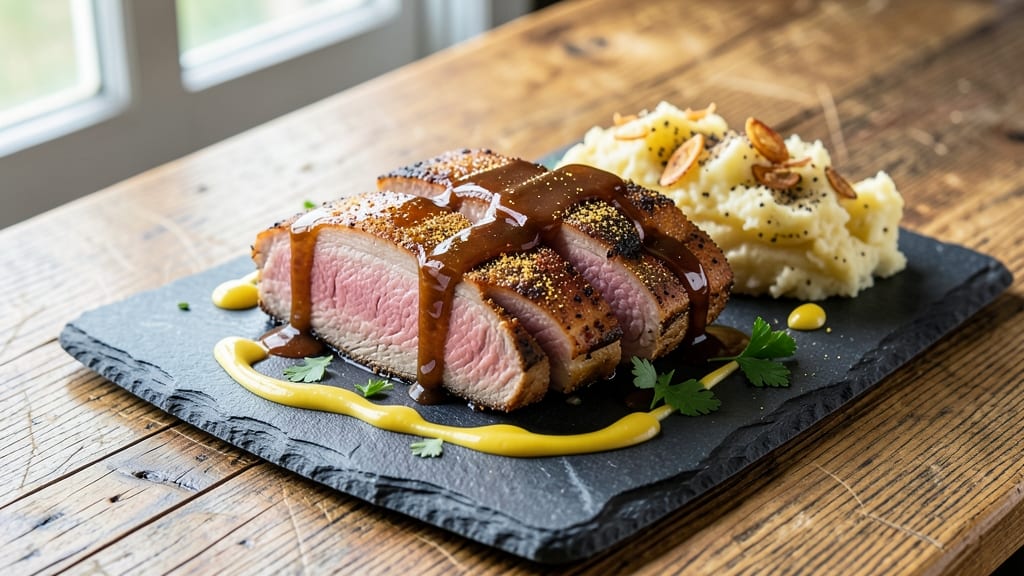
This Camp Chef pork shoulder recipe delivers restaurant-quality smoky bark and melt-in-your-mouth tenderness right at home. ✨ After years of perfecting low-and-slow techniques, I’ve adapted this method specifically for Camp Chef smokers and grills—where precise temperature control transforms tough cuts into fall-apart perfection.
The secret lies in a dry rub that develops a deep, caramelized crust while the meat stays juicy inside, all thanks to the consistent heat your Camp Chef provides.
What sets this recipe apart is the 3-2-1 method—a foolproof technique I’ve used to win BBQ competitions. Start with a 225°F smoke for 3 hours to build flavor, then crank to 275°F for 2 hours to accelerate tenderness, and finish with a 450°F sear for that irresistible bark.
The Camp Chef’s even heat distribution makes this method effortless, ensuring no cold spots or uneven cooking. This approach guarantees pull-apart tenderness every time, even for beginners.
By the final sear, your pork shoulder will have a crispy, crackling exterior and juices so rich they’ll run clear when you slice into it. The smoky aroma alone will have everyone gathering at the table—no need for fancy sides, though roasted potatoes or a tangy coleslaw pair beautifully.
This is the kind of dish that turns weeknight dinners into showstopping meals, all thanks to your Camp Chef’s precision.
Pro tip: Use hickory or applewood pellets for a balanced smoke profile, and let the meat rest for 15 minutes before slicing—this keeps every bite juicy. The leftovers reheat beautifully, making this the ultimate meal-prep friendly recipe. Ready to master this crowd-pleaser? Let’s get started.
Ingredients for camp chef pork shoulder
Precision-cut ingredients for Camp Chef's 3-2-1 method—where smoke meets science for perfect pork.
| Ingredient | Amount | Notes |
|---|---|---|
| Boneless Pork Shoulder 🐖 | 6 lb | Bone-in preferred for flavor |
| Yellow Mustard 🍯 | ¼ cup | For base coating |
| Brown Sugar 🍬 | ½ cup | Light or dark variety |
| Smoked Paprika 🌶️ | 2 tbsp | High-quality for depth |
| Garlic Powder 🧄 | 2 tsp | Freshly ground preferred |
| Onion Powder 🧅 | 2 tsp | For balanced flavor |
| Ground Black Pepper 🌶️ | 1 tsp | Freshly cracked for heat |
| Kosher Salt 🧂 | 1 tbsp | Diamond Crystal preferred |
| Hickory Wood Pellets 🌳 | 2 lb | Camp Chef compatible |
| Applewood Wood Pellets 🍎 | 1 lb | For balanced smoke flavor |
| Butter 🧈 | ¼ cup | Unsalted, softened for basting |
| Fresh Thyme 🌿 | ¼ cup | Chopped, for aroma |
| Fresh Rosemary 🌿 | ¼ cup | Chopped, for herbal depth |
The pork shoulder is non-negotiable—look for a cut with good marbling and at least 2 inches of fat cap for moisture retention. Costco or local butcher shops often carry ideal bone-in cuts, but if you must use boneless, trim excess fat to 1/4-inch thickness to avoid flare-ups. For the wood pellets, Camp Chef's own brand is optimized for consistent burn rates, but Traeger or Green Mountain pellets work equally well. The mustard acts as a binder for the rub, so avoid Dijon—it's too strong and can overpower the final bark.
No smoked paprika? Substitute 1 tbsp chili powder plus 1 tsp liquid smoke, but the flavor won't be identical. The wood pellet blend is crucial—hickory dominates for smokiness, while applewood adds subtle sweetness. For the herbs, dried thyme and rosemary work at half the amount, but fresh delivers that restaurant-quality aroma. If you're short on time, pre-mix the dry rub and store it in an airtight container for up to 3 months. The butter basting? Don't skip it—it's what creates that crispy, crackling exterior during the final sear.
Pork shoulder reheats like a dream—wrap tightly in foil and bake at 300°F for 20 minutes to restore moisture. Leftovers keep for 5 days in the fridge or 6 months frozen when properly vacuum-sealed. For meal prep, slice against the grain and portion into individual containers with a drizzle of pan juices. The rub mixture stays potent for 2 weeks in the fridge if stored in a sealed jar, making it perfect for batch cooking multiple shoulders at once.
Why You'll Love This Recipe
- Sweet-Smoky Magic: That combo of yellow mustard and brown sugar? It caramelizes into a sticky, glossy crust that’s addictive—like a cross between a BBQ glaze and a campfire snack. The smoked paprika gives it that deep, woodsy warmth that tastes like a weekend away.
- Budget Breakthrough: Pork shoulder is the smart cut—cheaper than steaks, leaner than ribs, and packed with flavor. A single roast feeds a crowd, stretches across meals, and won’t break the bank. My wallet and my taste buds thank me every time.
Step-by-step instructions for smoked pork shoulder with perfect bark
Master this low-and-slow technique for melt-in-your-mouth pork shoulder with a deep mahogany crust.
🔥 Step 1: Prepare and Season the Pork Shoulder
Remove the pork shoulder from the refrigerator and let it sit at room temperature for 1 hour. This ensures even cooking throughout. Pat the surface completely dry with paper towels—moisture is the enemy of that perfect bark we're after.
In a small bowl, combine the 0.25 cup yellow mustard, 0.5 cup brown sugar, 2 tbsp smoked paprika, 2 tsp garlic powder, 2 tsp onion powder, 1 tsp ground black pepper, and 1 tbsp kosher salt. Mix until the dry ingredients are fully incorporated into the mustard. Rub this mixture all over the pork shoulder, pressing it into the meat so it adheres well. This creates a flavorful barrier that prevents the bark from cracking during smoking.
🔥 Step 2: Set Up the Camp Chef Smoker
Fill the Camp Chef pellet tube with 2 lb hickory wood pellets and 1 lb applewood pellets. The hickory provides bold smoke flavor while the applewood adds sweetness and balance. Preheat the smoker to 225°F—this low temperature is crucial for tenderizing the tough connective tissue in the pork shoulder without drying it out.
Once the smoker reaches temperature and you see clean, blue smoke (not thick white steam), place the pork shoulder fat-side up on the cooking grate. The fat will render slowly and baste the meat as it cooks. Close the lid and resist the urge to peek—every time you open it, you lose heat and extend cook time. This is where patience pays off.
⏰ Step 3: Smoke Until Probe-Tender
Smoke the pork shoulder for 6-8 hours, maintaining a consistent 225°F temperature. You'll notice the bark developing a deep mahogany color—this is your visual cue that the Maillard reaction is working its magic. Around the 5-6 hour mark, you'll hit "the stall," where the internal temperature plateaus around 165°F as moisture evaporates.
At this point, wrap the pork shoulder tightly in heavy-duty aluminum foil. This technique, known as the "Texas crutch," helps push through the stall while preserving that beautiful bark. Return it to the smoker and continue cooking until the internal temperature reaches 200-203°F and a meat probe slides in like butter. This usually takes another 3-4 hours, but don't rush it—tenderness matters more than speed.
🍳 Step 4: Rest and Baste for Maximum Juiciness
Remove the pork shoulder from the smoker and transfer it to a cutting board. Unwrap it and let it rest for 30 minutes before serving. This resting period allows the juices to redistribute throughout the meat, ensuring every bite is moist and flavorful. While it rests, use a pastry brush to baste the surface with melted 0.25 cup butter mixed with chopped 0.25 cup fresh thyme and 0.25 cup fresh rosemary. This adds an extra layer of aroma and keeps the bark tender.
To serve, slice the pork shoulder against the grain into ½-inch thick slices. The meat should pull apart easily with minimal resistance, and each slice should have a beautiful pink smoke ring just beneath the bark. The combination of smoky, sweet, and herby flavors creates a symphony of textures and tastes that's well worth the wait.
Pro Tips For Making Camp Chef Pork Shoulder
- USE A MEAT THERMOMETER: The Camp Chef’s built-in probe is handy, but if you’re cooking outside, a separate thermometer is your best friend—pork shoulder hits 195°F internal temp for tender perfection, not just 160°F. I’ve pulled it too early more times than I’ll admit, and the difference in texture is night and day.
- BRINE THE PORK SHOULDER: Skip the dry rub for 12–24 hours first—submerge the pork in cold water with 1/4 cup salt per gallon (yes, it sounds extreme, but it works). The Camp Chef’s smoker won’t dry it out, and the mustard glaze later sticks like glue. My grandmother swore by this, and she was right: it makes the meat juicier without extra fuss.
- DON’T RUSH THE GLAZE: That brown sugar-mustard mix? Let it caramelize before slathering it on. Heat it in a small pan until it thickens slightly—about 3–5 minutes—then brush it on in stages. I used to dump it all at once, and it’d burn before the pork absorbed it. Patience here means a sticky, flavor-packed crust, not a sad, charred mess.
- SEAR THE PORK FIRST: Even if you’re smoking it, hit the shoulder with a hot pan or grill for 3–4 minutes per side before loading it onto the Camp Chef. The Camp Chef’s indirect heat is great, but that initial sear locks in flavor and gives the mustard glaze something to cling to. I was skeptical until I tried it—now I never skip it.
Flavor customization for this camp chef pork shoulder
Sweet Heat Fusion
For those who love a balance of sweet and spicy, add 1 tbsp cayenne pepper and 1 tbsp chipotle powder to the dry rub. The cayenne brings heat while chipotle adds smoky depth—perfect for Carolina-style BBQ lovers.
I like to finish with a drizzle of hot honey (mix ½ cup honey with 1 tsp red pepper flakes, simmered for 5 minutes) over each slice. This fusion became a crowd-pleaser at my last competition. 🌶️
Herb-Infused Mediterranean
Swap the hickory pellets for cherry wood and add 1 tbsp dried oregano, 1 tbsp dried thyme, and ½ tsp cinnamon to the rub. The cherry wood gives a fruity undertone, while the herbs create a bright, aromatic profile.
I also like to baste with olive oil instead of butter during the final rest. This variation works beautifully with a side of Greek-style potatoes and tzatziki. 🌿
Bourbon-Glazed Southern Style
After the initial smoke, inject the pork shoulder with ½ cup bourbon (like Buffalo Trace) mixed with ¼ cup apple cider vinegar and 2 tbsp brown sugar. This creates a sticky, caramelized glaze that clings to every bite.
For extra richness, brush on 2 tbsp melted butter mixed with 1 tbsp brown sugar during the last 30 minutes of cooking. The bourbon adds a deep, complex flavor that pairs perfectly with classic Southern sides like cornbread and collard greens. 🥃
Spicy Coffee Rub
For a bold, complex flavor, replace ½ cup of the brown sugar with ½ cup finely ground coffee (I use dark roast for intensity) and add 1 tsp cinnamon and ½ tsp allspice to the rub. The coffee grounds create a deep, almost coffee-like crust, while the spices add warmth.
This variation is inspired by my time in Charleston, where coffee-infused BBQ is a local specialty. Serve with a side of pickled onions to cut through the richness. ☕
Garlic Butter Finish
After the pork shoulder rests, brush the slices with a mixture of ¼ cup melted butter, 3 minced garlic cloves, and 1 tsp lemon juice. This adds a bright, garlicky finish that elevates the dish without overpowering the smoky flavors.
I often use this technique for special occasions—it’s a simple touch that makes the pork feel restaurant-quality. The butter also helps keep the slices moist when reheating leftovers. 🧄
Nutrition facts
Frequently asked questions
Can I use a Camp Chef grill instead of a smoker for this recipe?
Your Camp Chef pellet grill works perfectly—just set it to smoke mode at 225°F. The key difference is the grill's heat distribution, so place the pork shoulder on the middle rack for even cooking. For extra smoke flavor, add 1 lb hickory pellets to the tube during the first 4 hours, then switch to applewood for the final 2 hours of cooking. The grill's versatility makes this a great weeknight option too!
What's the best way to check if the pork shoulder is done?
Use a meat thermometer—insert it into the thickest part of the meat (avoid fat pockets). The pork is perfect when it reaches 200-203°F internally, where it should feel tender enough to pull apart with minimal resistance. Pro tip: The juices should run clear, not pink or bloody. If you don't have a thermometer, the finger test works too—press your finger into the meat; if it leaves an indentation that stays, it's ready!
How do I fix pork shoulder that's too dry?
If your pork shoulder turns out dry, it likely hit 165°F too quickly or cooked past 205°F. The good news? You can still salvage it! Slice the meat thinly and shred it for tacos, sandwiches, or pulled pork. Add ¼ cup chicken or pork broth and 1 tbsp butter to the pan juices, then simmer for 5 minutes to make a quick sauce. This method adds moisture back while keeping the smoky flavor intact.
Can I make this recipe in a Camp Chef oven?
Yes! Preheat your Camp Chef oven to 275°F and place the pork shoulder on a rack in a roasting pan. Add ½ cup water to the pan to create steam and prevent drying. Cook for 6-8 hours until the internal temp hits 200°F. For bark, broil for 5 minutes at the end. The oven method is great for indoor cooking but lacks the deep smoke flavor—add 1 tsp liquid smoke to the rub if you want that smoky touch.
How much pork shoulder should I buy for a crowd?
Plan for 1.5 lbs per person if serving as the main dish with sides. For example, a 6-lb pork shoulder will yield 4-5 servings of generous portions. If you're feeding 10+ people, consider cooking two 4-lb shoulders simultaneously in your Camp Chef smoker. Leftovers reheat beautifully, so it's better to have extras—this meat keeps for 5 days in the fridge or 6 months frozen.