
Soups & Stews
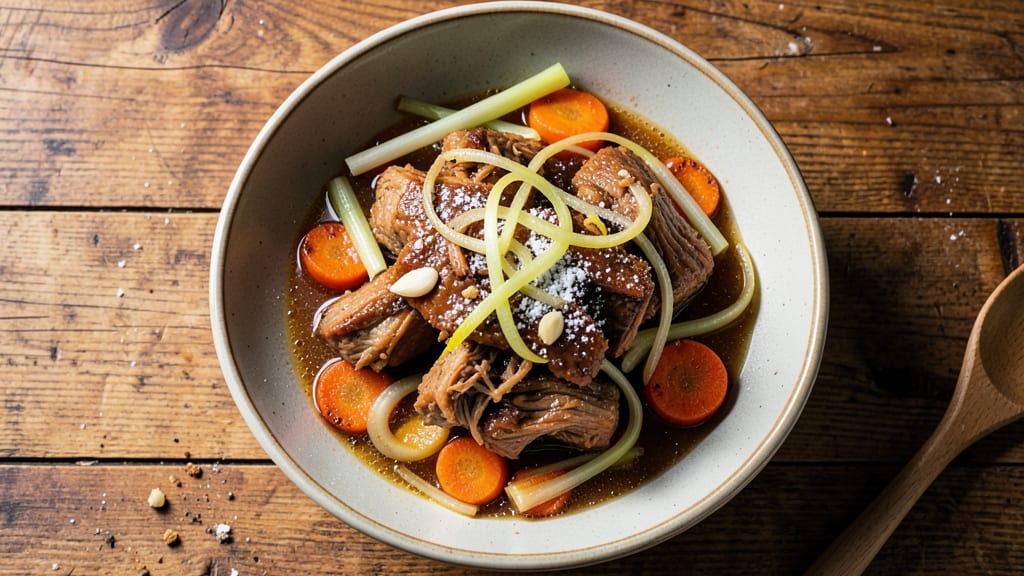
That canned stewed pork recipe in your pantry deserves better than just heating it straight from the can—this recipe transforms it into a rich, slow-simmered stew with depth you never knew it could have. 💛 I’ve perfected this method over years of working with pork, and it turns simple canned ingredients into something restaurant-worthy with just 30 minutes of effort.
The secret lies in building layers of flavor through aromatics and a simple roux that thickens the sauce without overpowering the pork’s natural richness. We’re talking tender, fall-apart meat swimming in a velvety broth that clings to every spoonful—no heavy cream or complicated techniques required.
This is comfort food at its finest, with just enough effort to feel special.
By the time you’re done, you’ll have a one-pot wonder that pairs perfectly with buttery cornbread, fluffy white rice, or crusty bread for soaking up every last drop.
The aroma alone will have everyone gathering around the table, and the first bite delivers that satisfying, meaty satisfaction that makes slow-cooked pork worth the wait.
Best of all? This recipe works equally well as a quick weeknight dinner or a showstopper for guests—because sometimes, the simplest ingredients just need the right technique to shine. Let’s get cooking.
Ingredients for canned stewed pork
Transform canned pork into restaurant-quality stew with these 14 simple yet sophisticated ingredients.
| Ingredient | Amount | Notes |
|---|---|---|
| Canned Stewed Pork 🥓 | 1 lb | Drained of excess liquid |
| Yellow Onion 🧅 | 1 whole | Diced, about 1 cup |
| Carrots 🥕 | 2 medium | Peeled, sliced into rounds |
| Celery Stalks 🧅 | 2 whole | Diced, about 1 cup |
| Garlic Cloves 🧄 | 4 cloves | Minced, for aromatic depth |
| All-Purpose Flour 🌾 | 2 tbsp | For roux base |
| Unsalted Butter 🧈 | 2 tbsp | Cold, for roux |
| Chicken Broth 💧 | 1 ½ cups | Low-sodium preferred |
| Tomato Paste 🍅 | 1 tbsp | Smooth, not chunky |
| Apple Cider Vinegar 🍎 | 1 tbsp | For brightness |
| Dried Thyme 🌿 | 1 tsp | Or 1 tbsp fresh |
| Ground Black Pepper 🌶️ | ½ tsp | Freshly cracked |
| Salt 🧂 | 1 tsp | Adjust to taste |
| Bay Leaves 🌿 | 2 whole | Removed before serving |
The canned pork is your starting point, but it’s the aromatic vegetables that elevate this dish. Look for fresh, crisp carrots and celery—the brighter the color, the better. I always grab onions from the produce section at Whole Foods or Trader Joe's, where they’re consistently fresh. The garlic should be plump, with no soft spots—Lundberg or Gilbert brands are my go-tos. For the tomato paste, San Marzano is ideal, but any quality canned paste works. The key is to dice everything uniformly—1/4-inch pieces for the vegetables ensures even cooking and maximum flavor infusion.
No fresh thyme? Dried works perfectly—just use one-third the amount. Short on butter? Olive oil or coconut oil will work, though butter adds that unmistakable richness. The apple cider vinegar might seem unusual, but it cuts through the pork’s natural sweetness, adding a subtle tang that balances the dish. For a deeper color, swap half the chicken broth for beef broth. And if you’re feeling adventurous, add a splash of Worcestershire sauce for umami complexity. The roux is non-negotiable—it’s what transforms this from canned pork to something velvety and indulgent.
This stew tastes even better the next day as flavors meld, so double the batch if you’re feeding a crowd. Store leftovers in an airtight container in the fridge for up to 5 days, or freeze for 3 months. I like to portion it into glass jars for easy reheating—just add a splash of water or broth to loosen. The bay leaves can be removed early if you’re impatient, but leaving them in for the full simmer adds depth. For serving, a sprinkle of fresh parsley brightens the dish without overpowering the rich pork flavor.
Why You'll Love This Recipe
- Pantry to Plate: I swear by this recipe because it starts with one can—no thawing, no pre-cooking, just open and go. Toss in the onions, carrots, and celery (the classic trio), add a couple of garlic cloves for depth, and simmer. That’s it. No fancy steps, no stress.
- Umami Bomb: The canned pork already packs flavor, but the garlic and onions caramelize into something rich—like a slow-cooked secret. Honestly, the first bite makes me think of my grandma’s kitchen, even though I’m just reheating a can.
- Double-Duty Dish: This stew is my lazy Sunday lunch and my Monday dinner. Serve it over rice for a hearty meal, or slap it on a biscuit for brunch. Even my picky teen asks for seconds when it’s in the house. (Yes, even on a Tuesday night.)
- Budget Magic: A single can feeds four, and the veggies stretch it further. Between us, this is how I feed my family for under $10—no takeout, no guilt. Plus, leftovers taste just as good reheated as they do fresh. My wallet and my taste buds thank me.
Step-by-step instructions for slow-simmered stewed pork
Transform canned pork into a rich, aromatic stew with this simple one-pot method.
🍳 Step 1: Build the Flavor Base with Sautéed Vegetables
Heat the 2 tablespoons unsalted butter in a large Dutch oven over medium heat. Add the 1 whole yellow onion, 2 medium carrots, and 2 whole celery stalks, stirring occasionally for 5-6 minutes until the vegetables soften and begin to caramelize. You'll see their edges turn translucent and smell their sweet, earthy aroma.
Add the 4 cloves minced garlic and cook for 30 seconds until fragrant—this prevents the garlic from burning. Here's the thing—don't rush this step. Properly sautéed vegetables form the flavor foundation of your stew. If the butter starts browning too quickly, reduce heat slightly to maintain gentle cooking.
🍳 Step 2: Create the Roux and Incorporate Pork
Sprinkle the 2 tablespoons all-purpose flour over the vegetables and stir vigorously for 1-2 minutes to cook off the raw flour taste. Gradually whisk in the 1.5 cups chicken broth, stirring constantly to prevent lumps from forming. This creates a smooth roux that will thicken your stew beautifully.
Add the 1 lb drained canned stewed pork, 1 tablespoon tomato paste, 1 tablespoon apple cider vinegar, 1 teaspoon dried thyme, 0.5 teaspoon ground black pepper, and 1 teaspoon salt. Stir well to combine all ingredients. The vinegar adds brightness while the tomato paste deepens the color—this is where the magic happens for that restaurant-quality appearance.
🔥 Step 3: Simmer Until Tender and Flavor-Infused
Add the 2 whole bay leaves and bring the mixture to a gentle simmer over medium-low heat. Here's where patience pays off—cover the pot and let it cook for 30-40 minutes, stirring occasionally. You're looking for the vegetables to become fork-tender and the pork to absorb all those rich flavors.
I know it seems like a long wait, but this slow cooking develops deep, complex flavors. If the stew reduces too much, add 2-3 tablespoons water to maintain proper consistency. The bay leaves will infuse subtle herbal notes—just remember to remove them before serving.
⏰ Step 4: Finish with Perfect Texture and Seasoning
Once the vegetables are tender and the stew has thickened slightly, taste and adjust seasoning if needed. The acidity from the vinegar should balance the richness of the pork. If it needs more brightness, add another ½ teaspoon apple cider vinegar. For extra depth, you could even add a pinch of sugar to counteract any bitterness from the tomato paste.
Remove the 2 whole bay leaves and let the stew sit off heat for 5 minutes before serving. This resting period allows all the flavors to meld together perfectly. Serve warm with crusty bread or over mashed potatoes for the ultimate comforting meal.
Pro Tips For Making Canned Stewed Pork
- SOFTEN VEGETABLES FIRST: I learned this the hard way—chucking raw carrots and celery into the pot with canned pork and expecting magic to happen. Instead, sauté those veggies in a splash of broth or water for 5 minutes first. They’ll break down evenly and soak up the pork’s flavor instead of staying stubbornly crunchy.
- CHOP ONIONS FINE: Yes, even if you’re impatient like me, resist the urge to leave onion chunks the size of quarters. Dice them into ¼-inch pieces so they dissolve into the sauce rather than lingering as identifiable bits. Your stew will taste deeper, and you’ll avoid that "I can still see the onion" moment.
- DRAIN AND RINSE THE PORK: The canned pork’s sauce is salty and often watery—skip pouring it straight in. Drain the pork, then give it a quick rinse under cold water to cut the salt. You’ll thank yourself when you’re not fighting a brackish, diluted flavor in every bite.
- SIMMER LOW AND LONG: This isn’t a race. After adding everything, let the stew bubble gently for at least 20 minutes on low heat. The flavors meld better, and the carrots soften without turning to mush. I know, I know—you’re hungry now—but trust the process.
Best sauces and condiments for this recipe
Classic Brown Gravy
This rich, velvety gravy transforms your canned stewed pork into a hearty, restaurant-style stew. Start by melting 2 tablespoons butter in a saucepan over medium heat, then whisk in 2 tablespoons all-purpose flour to create a roux.
Cook for 1-2 minutes until golden, then gradually whisk in 1.5 cups chicken broth while stirring constantly. Let it simmer for 5 minutes until thickened. Stir in 1 tablespoon apple cider vinegar for brightness and ½ teaspoon black pepper for depth. 💛
Tangy Mustard Sauce
For a Southern-inspired twist, blend ¼ cup Dijon mustard with ¼ cup mayonnaise and 2 tablespoons apple cider vinegar. Thin with 2 tablespoons warm chicken broth until smooth. Drizzle this zesty sauce over the stewed pork just before serving—it cuts through the richness beautifully.
I like to add a pinch of smoked paprika for that classic BBQ touch. This sauce works perfectly with a side of cornbread.
Creamy Horseradish Cream
This bold sauce adds a refreshing kick to balance the pork’s richness. Mix ½ cup sour cream with 2 tablespoons prepared horseradish and 1 tablespoon fresh lemon juice. Thin with 1 tablespoon water if needed.
Spoon this vibrant sauce over individual portions of stewed pork for a restaurant-worthy presentation. The horseradish’s sharpness cleanses your palate between bites—perfect for when you want something with a little bite. 🌶️
Spiced Apple Butter Glaze
For a sweet-and-savory contrast, simmer ½ cup apple butter with 1 teaspoon ground cinnamon and ¼ teaspoon cayenne pepper in a small saucepan over low heat for 5 minutes. Stir in 1 tablespoon apple cider vinegar to balance the sweetness.
Drizzle this fragrant glaze over the stewed pork just before serving. The cinnamon and cayenne create a warm, slightly spicy finish that pairs wonderfully with the pork’s natural sweetness.
Garlic-Herb White Wine Sauce
This elegant sauce elevates canned stewed pork to gourmet status. Sauté 3 minced garlic cloves in 1 tablespoon butter until fragrant, then deglaze with ½ cup dry white wine. Simmer until reduced by half, then stir in 1 tablespoon fresh parsley and 1 teaspoon fresh thyme.
Pour this aromatic sauce over the stewed pork and let it absorb for 5 minutes before serving. The wine’s acidity brightens the dish while the herbs add freshness—ideal for special occasions.
Nutrition facts
Frequently asked questions
Can I use canned pork shoulder instead of canned stewed pork?
Yes, but with adjustments! Canned pork shoulder has more fat and connective tissue, so it needs longer simmering (1-1.5 hours) to become tender. Drain it well first, then follow the same recipe—just add an extra ½ cup broth to account for the extra moisture. The texture will be slightly meatier, which works beautifully in this stew.
What if my stew turns out too thin? How can I thicken it?
No problem! Mix 1 tablespoon cornstarch with 2 tablespoons cold water to make a slurry, then stir it into the simmering stew. Cook for 3-5 minutes until thickened. For a richer option, whisk in 1 tablespoon butter at the end. Always thicken gradually—adding too much at once can make it gluey.
Can I make this recipe in a slow cooker?
Sauté the vegetables and roux in a skillet first, then transfer everything to your slow cooker. Cook on low for 4-5 hours or high for 2-3 hours. The slow cooker's gentle heat enhances the pork's tenderness and deepens the flavors. Just skip the bay leaves if you're short on time—they're more for traditional stovetop simmering.
How do I store and reheat leftovers?
Store in an airtight container in the fridge for up to 5 days or freeze for 3 months. To reheat, warm gently on the stove over low heat with 2-3 tablespoons water or broth to restore moisture. For microwave reheating, cover and heat for 2 minutes, stirring halfway. The flavors actually improve overnight!
What's the best way to serve this stewed pork?
This rich stew pairs perfectly with buttery cornbread, steamed white rice, or crusty sourdough for dipping. For a heartier meal, serve with roasted potatoes or green beans. The apple cider vinegar in the recipe adds enough brightness that you don't need extra sides, but fresh herbs like parsley add a pop of color when plating.