
Main Courses
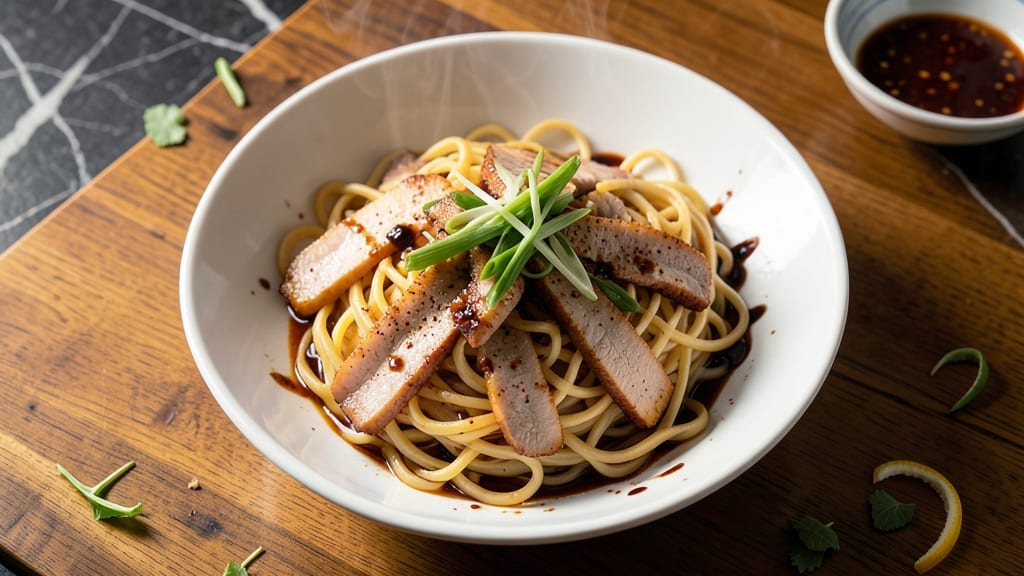
This Cantonese pork chow mein recipe delivers the perfect balance of crispy noodles and tender five-spice pork—just like your favorite Chinese takeout. I've perfected the wok hei technique that transforms simple ingredients into restaurant-quality stir-fry in under 30 minutes.
The secret lies in high-heat stir-frying and a sauce that marries soy, oyster, and sesame oil for that signature umami depth.
What sets this recipe apart is the crispy texture achieved through proper noodle preparation and wok technique. Thinly sliced pork marinated in five-spice powder develops deep flavor while remaining tender, and the noodles get that coveted "wok kiss" from the hot pan.
This isn't just another stir-fry—it's a complete dish with all the elements you'd expect from a Cantonese kitchen.
By the time you're done, you'll have a sizzling plate of golden-brown noodles tossed with caramelized pork, vibrant green onions, and a glossy sauce that clings perfectly.
The aroma alone will have everyone gathering at your table—this is the kind of meal that tastes like home, even when you're cooking it yourself. The best part? Every component comes together in one pan, making cleanup nearly effortless.
Whether you're feeding a family or treating yourself to a weeknight dinner, this chow mein delivers restaurant-quality results with minimal fuss. The technique is straightforward once you understand the key steps, and the flavors are impossible to resist. Let's get cooking—your taste buds will thank you.
Ingredients for cantonese pork chow mein
These 13 ingredients transform into restaurant-style chow mein with crispy noodles and caramelized pork.
| Ingredient | Amount | Notes |
|---|---|---|
| Egg Noodles 🍜 | 12 oz | Fresh or dried, medium width |
| Boneless Pork Shoulder 🥩 | 1 ½ lb | Thinly sliced against grain |
| Five-Spice Powder 🌶️ | 1 tbsp | Authentic Chinese blend |
| Soy Sauce 🍶 | ½ cup | Light or regular, not low-sodium |
| Oyster Sauce 🦪 | 2 tbsp | High-quality brand preferred |
| Sesame Oil 🫒 | 1 tbsp | Toasted, for aroma |
| Green Onions 🧅 | ½ lb | White and green parts separated |
| Neutral Oil 🫒 | ½ cup | Peanut or vegetable oil |
| Garlic Cloves 🧄 | 6 cloves | Minced, fresh preferred |
| Sugar 🍚 | 1 tbsp | White granulated |
| Cornstarch 🌾 | 1 tbsp | For sauce thickening |
| Salt 🧂 | 1 tsp | Kosher or sea salt |
| Black Pepper 🌶️ | ½ tsp | Freshly ground |
The pork shoulder is non-negotiable—it stays tender while developing deep flavor. Ask your butcher to slice it paper-thin against the grain (or freeze it between sheets of parchment for 30 minutes to make slicing easier). For five-spice powder, Penzeys or Asian markets carry the best blends. The egg noodles? Fresh is ideal—dried works but won't get that perfect wok kiss. If using dried, boil them al dente and toss with a bit of oil to prevent sticking. The green onions need to be bright and crisp, so buy them fresh and separate the whites from the greens for different cooking times.
No oyster sauce? Substitute with 1 tbsp soy sauce plus 1 tsp sugar—it won't be identical, but close. Running out of sesame oil? Swap for 1/2 tbsp regular vegetable oil plus 1/2 tsp toasted sesame seeds (stirred in at the end). The cornstarch is key for that glossy sauce—Bob's Red Mill or Arrowhead Mills brands work best. For extra crispiness, blanch the noodles first (drop them into boiling water for 30 seconds, then shock in ice water) before stir-frying. And if you're short on time, pre-cook the pork in the sauce before stir-frying to save steps.
Pork marinates best in the fridge for 30-60 minutes—longer isn't better here. The sauce keeps for 5 days in the fridge, but the noodles lose crispiness after 2 days. For leftovers, store components separately and reheat in a wok or skillet over high heat with a splash of water to revive the crisp. Freeze the pork marinade separately if you want to make it ahead—just thaw and proceed as directed. The green onion whites get cooked down into the sauce, while the greens stay fresh for garnishing.
Why You'll Love This Recipe
- One-Pan Magic: I swear by this recipe because it’s literally one pan, one wok, or even a deep skillet. Toss in the pork, let it render its fat, then add the noodles and sauce—no extra bowls, no messy cleanup. That five-spice powder? It clings to the meat like a flavor hug, and the oyster sauce ties everything together without fuss.
- Umami Bomb: The combo of soy and oyster sauce on that tender pork shoulder? Chef’s kiss. The pork stays juicy while the noodles soak up the glossy, savory sauce—no dry bites here. Honestly, the first time I made it, I ate it straight from the pan with chopsticks. (Don’t judge.)
- Leftover Hero: This dish begs to be made ahead. The flavors deepen overnight, and reheating it the next day? Still crispy-edged, still packed with that smoky five-spice kick. I’ve fed a crowd with it cold, served it warm for lunch, and even packed it for work—always a hit.
- Budget Win: Pork shoulder is cheap, egg noodles are a steal, and a little five-spice goes a long way. I’ve made this for under $10 for four servings, and it feels like a restaurant meal. Between us, it’s my go-to when I need to impress someone without breaking the bank. (Yes, even on a Tuesday night.)
Step-by-step instructions for Cantonese pork chow mein
Here's how to achieve that signature wok-tossed crunch and savory depth in your Cantonese-style stir-fry.
Prep and Marinate the Pork for Maximum Flavor
Slice the 1.5 lb boneless pork shoulder thinly against the grain into ¼-inch thick strips. This ensures tender bites that cook quickly in the wok. Transfer the sliced pork to a bowl and add the 1 tbsp five-spice powder, ½ cup soy sauce, 2 tbsp oyster sauce, 1 tbsp sugar, 1 tsp salt, and ½ tsp black pepper. Mix thoroughly until the pork is evenly coated.
Cover the bowl with plastic wrap and refrigerate for at least 1 hour—this allows the marinade to penetrate deeply. For best results, marinate overnight. The five-spice powder will infuse the pork with warm, aromatic notes while the soy sauce tenderizes the meat. When ready to cook, give the pork a quick stir to redistribute any settled marinade.
Cook the Pork Until Crispy and Tender
Heat a wok or large skillet over high heat until smoking, then add ½ cup neutral oil. Once the oil shimmers, add the marinated pork in a single layer. Let it sear undisturbed for 2-3 minutes until the edges begin to crisp. Stir occasionally to prevent sticking, but resist the urge to move it too frequently—this is how you get that signature caramelized crust.
Continue cooking for an additional 3-4 minutes until the pork is golden brown and cooked through. The pork should release easily from the pan and have a slightly crispy exterior. Remove the pork and set it aside on a plate, leaving the rendered fat in the wok. This fat is packed with flavor and will form the base of your sauce.
Stir-Fry the Noodles and Aromatics
In the same wok, add 1 tbsp sesame oil and swirl to coat the pan. Add the 6 minced garlic cloves and white parts of the ½ lb green onions, cooking for 30 seconds until fragrant. Add the 12 oz egg noodles and toss vigorously to coat them in the oil. Cook for 2-3 minutes until the noodles begin to soften and turn slightly translucent.
Here's the trick: add ½ cup hot water to the wok and toss the noodles for another 1-2 minutes. The water steams the noodles while keeping them tender and preventing them from sticking. You want the noodles al dente—they should have a slight bite but be fully cooked through. Remove the noodles from the wok and set them aside with the pork.
Build the Signature Sauce
Return the wok to high heat and add 1 tbsp cornstarch to the rendered pork fat. Stir for 30 seconds to toast the cornstarch slightly—this removes any raw taste and helps thicken the sauce. Gradually pour in ½ cup soy sauce while stirring constantly to create a glossy, sticky sauce.
Add the cooked noodles and pork back to the wok, tossing everything together for 1-2 minutes until the sauce coats the noodles evenly. The cornstarch will thicken the sauce into a glossy, clingy consistency. Toss in the green parts of the green onions and drizzle with an additional ½ tbsp sesame oil for aroma. Serve immediately while the noodles are still crisp-tender and the pork is hot.
Pro Tips For Making Cantonese Pork Chow Mein
- Prep Pork in Chunks: Cut the pork shoulder into 1.5-inch cubes—no smaller, or they’ll turn to mush in the stir-fry. I learned this the hard way when my first batch dissolved into a gray paste by the time the noodles were done.
- Dry Noodles Thoroughly: Pat the egg noodles completely dry with a kitchen towel before tossing them into the wok. Wet noodles steam instead of sear, and you’ll end up with a soggy mess—no one wants mushy chow mein.
- Stir-Fry in Batches: Cook the pork in two rounds if your pan’s crowded—overloading steams the meat instead of browning it. A hot wok should sizzle when pork hits the oil, not hiss like a sad pot of oatmeal.
- Bloom the Five-Spice: Toast the five-spice powder in the dry wok for 30 seconds before adding oil—it deepens the flavor. Skipping this step means you’re just sprinkling dust instead of waking up those cinnamon and star anise notes.
Wine and beer pairings for these flavors
Crispy Noodle Harmony
Aromatic Riesling from Germany's Mosel region is my go-to pairing for this dish—its bright acidity and citrus notes cut through the richness of the pork and soy sauce beautifully. The slight sweetness complements the five-spice powder in the marinade while keeping the palate refreshed.
Look for a dry or off-dry Riesling with 12-13% ABV—something like Dr. Loosen Blue Slate or Erbacher Höllenberg from the 2021 vintage. 🍷
Light Beer Balance
For beer lovers, a crisp Japanese lager like Asahi Super Dry or Sapporo Premium provides the perfect neutral canvas. The subtle hop bitterness enhances the umami without overpowering the dish's savory profile.
If you prefer something with a bit more character, try a German Helles like Weihenstephaner Original—its malty sweetness pairs wonderfully with the caramelized pork. 🍺
Spicy Contrast
When I serve this chow mein to guests who enjoy heat, I always have a bottle of Chinese Shaoxing wine on hand. The 15% ABV rice wine's earthy notes complement the five-spice marinade while adding a warming contrast to the dish's crispy texture.
For a non-alcoholic option, serve it with ginger beer—the effervescence cleanses the palate between bites. 🌶️
Regional Adaptations
In Charleston, where I spent my apprenticeship, we often paired this dish with sweet tea—the Southern staple's honeyed sweetness balances the savory-sweet sauce perfectly. For a more traditional Cantonese approach, serve with jasmine tea to highlight the dish's aromatic complexity.
The floral notes in the tea enhance the five-spice flavors without competing with them. ☕
Sauce Enhancement
If you want to elevate your pairing experience, try adding a drizzle of chili oil to your plate before serving. The heat from the oil pairs beautifully with the crisp Riesling or lager, creating a perfect balance of flavors.
I like to use Lao Gan Ma brand for its authentic Sichuan peppercorn kick. 🔥
Leftovers Strategy
Store any leftover chow mein in an airtight container for up to 3 days>. When reheating, add a splash of water or broth to the wok and toss everything over high heat for 2-3 minutes—this revives the crispiness.
Pair with a chilled glass of Sauvignon Blanc** the next day to cut through any potential richness from reheating. 💫
Nutrition facts
Frequently asked questions
Can I use ground pork instead of thinly sliced pork shoulder?
Ground pork won't give you that signature crispy texture and tender bite. For authentic results, stick with thinly sliced pork shoulder cut against the grain. If you're short on time, ask your butcher to slice it paper-thin for you—this is the secret to perfect chow mein texture.
What's the best way to get crispy noodles every time?
Blanch the noodles for just 30 seconds in boiling water, then shock them in ice water. This partial cooking prevents mushiness. When stir-frying, use high heat and toss constantly—this creates the wok kiss that makes noodles crispy. Add a splash of hot water at the end to steam them slightly while keeping that crunch.
Can I make this recipe without a wok? Use a heavy-bottomed skillet or cast iron pan. The key is high heat and quick cooking. A wok distributes heat better, but any pan that gets hot enough will work. Just
How do I adjust the spice level?
The five-spice powder gives warmth, not heat. For actual spice, add ½ tsp red pepper flakes to the pork marinade or 1 tsp chili crisp at the end. Start with less—you can always add more, but you can't take it out! For milder flavor, reduce the five-spice to ½ tbsp and add ½ tsp sugar instead.
Why did my sauce turn out too thin?
Cornstarch needs time to thicken properly. Make sure you're stirring constantly while adding the sauce and let it simmer for at least 1-2 minutes after combining. If it's still too thin, mix ½ tsp cornstarch with 1 tsp water and stir it in. For next time, toast the cornstarch in the pork fat for 30 seconds first—this helps it work better.