
Main Courses
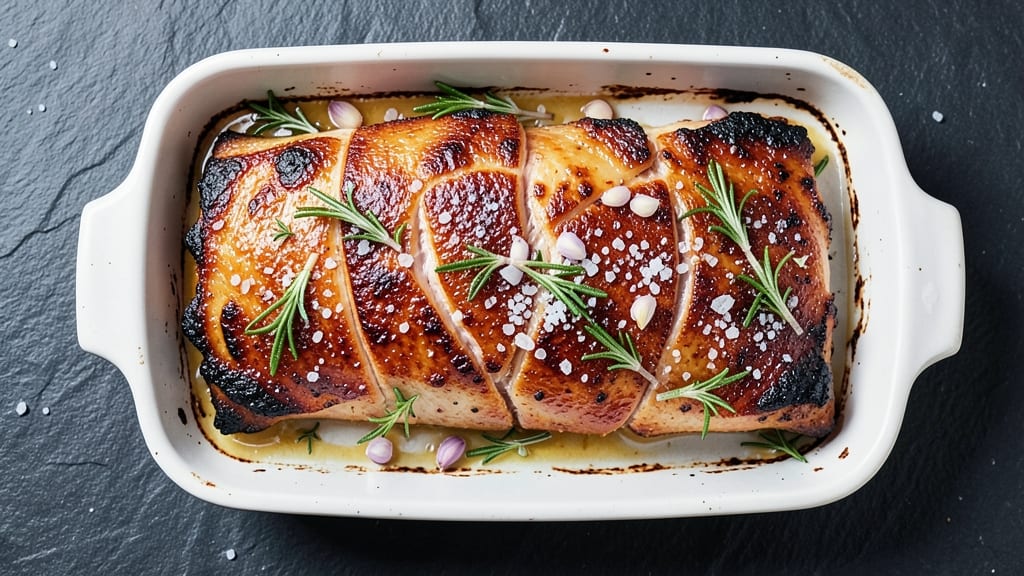
This carnivore diet pork belly recipe delivers the ultimate fat bomb—crispy, golden bark that shatters at every bite, hiding tender, melt-in-your-mouth meat beneath. I perfected this method after years of working with heritage pigs, where we render fat into liquid gold while preserving the meat’s natural richness. The secret lies in slow, controlled cooking that transforms tough belly into a carnivore’s dream.
Unlike traditional pork belly recipes that rely on sugar or marinades, this version depends solely on salt, time, and high heat to create that coveted crispy bark while keeping the interior juicy.
We start with a dry brine to draw out moisture, then roast at low temperatures before finishing with a searing blast to lock in flavors. The result? A dish that’s 100% fat, 100% satisfying, and completely aligned with carnivore principles.
What you’ll end up with is a slab of pork belly so rich and flavorful it becomes the star of any meal—no sides needed. The exterior develops a crackling, caramelized crust that gives way to layers of tender fat and meat, each bite delivering pure umami satisfaction.
This isn’t just pork; it’s a textural experience that proves carnivore cooking can be just as exciting as any other dietary approach.
Serve it whole for a dramatic centerpiece or slice it into fat bombs for easy, zero-carb snacking. The drippings alone make this worth the effort—save them for basting or use them to cook eggs. Here’s how to make it happen in your kitchen.
Ingredients for carnivore diet pork belly
Nine ingredients transform tough pork belly into carnivore perfection—crispy bark meets melt-in-your-mouth richness.
| Ingredient | Amount | Notes |
|---|---|---|
| Pork Belly (Skin-On) 🐖 | 2 lb | Heritage pig preferred, thick-cut |
| Diamond Crystal Kosher Salt 🧂 | ½ cup | Fine grain, non-iodized |
| Avocado Oil 🫒 | 2 tbsp | High smoke point for searing |
| Fresh Rosemary 🌿 | ¼ cup | Finely chopped, stems removed |
| Fresh Thyme 🌿 | ¼ cup | Leaves only, stems discarded |
| Garlic Cloves 🧄 | 4 cloves | Crushed, skin-on for flavor |
| Black Peppercorns 🌶️ | 1 tbsp | Freshly cracked, coarse grind |
| Unsalted Butter 🧈 | ½ cup | Cold, cubed for basting |
| Heavy Cream 🥛 | ¼ cup | Optional, for finishing drizzle |
The pork belly makes or breaks this. Heritage pig belly from a trusted butcher delivers superior marbling, but any thick-cut pork belly works in a pinch. I source mine from local farms or Costco's pre-sliced packs when I need convenience. Look for pieces with thick fat layers—at least 1-inch thick. The skin should be intact and free of blemishes. If you can't find heritage pig, Duroc or Berkshire breeds are the next best thing. Freshness matters: use within 5 days of purchase or freeze for up to 6 months.
No rosemary? Fresh thyme alone still works—just double the amount. The garlic can be roasted first for deeper flavor (wrap whole cloves in foil, bake at 400°F for 20 minutes). Running low on avocado oil? Ghee or duck fat sears just as beautifully. The butter is non-negotiable for basting—full-fat, unsalted ensures maximum crispiness. For the finishing drizzle, heavy cream adds richness, but strained pork fat drippings take it to next-level carnivore status. Every ingredient here serves one purpose: enhance the fat, preserve the meat, or build that crackling crust.
Store raw pork belly in the coldest part of your fridge, wrapped tightly in parchment paper. Cooked portions keep 4 days refrigerated, but the magic happens when you freeze it: wrap tightly in foil, then plastic, for up to 3 months. The drippings? Strain them immediately after cooking and freeze in ice cube trays—perfect for searing eggs later. For maximum crispiness, slice into 1-inch fat bombs right before serving. These reheat beautifully in a 350°F oven for 10 minutes, but honestly, they're best fresh from the oven.
Why You'll Love This Recipe
- Two-Ingredient Magic: Honestly, I swear by this—just salt, oil, and pork belly. That’s it. The rosemary and thyme are optional, but even if you skip them, the fat renders down into pure, buttery goodness while the skin crisps to golden perfection. No chopping, no fuss, just chef’s kiss simplicity.
- Crispy-Creamy Obsession: Between us, there’s nothing like that first bite—the crackling skin gives way to melt-in-your-mouth fat and tender meat. The Diamond Crystal salt caramelizes into a crust that’s addictive, and the avocado oil keeps it rich without overpowering. It’s the kind of dish that makes you close your eyes and sigh.
- Meal Prep MVP: This isn’t just a one-time treat—I make a big batch on Sundays and reheat slices straight from the fridge. The fat stays luscious, and the flavor only deepens over time. Pack it for work, toss it in salads (if you’re not strict carnivore), or serve it at parties where people will ask, “What is this?!”
- Budget Luxury: Pork belly feels fancy, but it’s actually one of the most cost-effective proteins out there. A single slab feeds my family for days, and the leftovers? I dice them into hash browns or fry them up for breakfast. It’s my go-to for stretching meals without sacrificing quality—no guilt, just satisfaction.
Step-by-step instructions for crispy carnivore pork belly
Transforming fatty pork belly into irresistible zero-carb fat bombs requires patience and precision.
Cure the Pork Belly Overnight for Maximum Flavor
Place the 2 lb pork belly skin-side up in a large baking dish. In a small bowl, combine the 0.5 cup Diamond Crystal kosher salt with the crushed 4 cloves garlic and 1 tbsp black peppercorns, then mix well. Sprinkle this mixture evenly over the pork belly, pressing gently to adhere. The salt will draw out moisture and create that signature carnivore-friendly texture.
Cover the dish tightly with plastic wrap and refrigerate for 24 hours. This curing process not only seasons the meat deeply but also helps render some of the fat in advance. Flip the pork belly halfway through the curing time to ensure even salt distribution. After 24 hours, remove the pork from the fridge and pat it dry with paper towels—this step is crucial for achieving that perfect crispy bark later.
Render the Fat and Sear the Pork Belly
Preheat your oven to 275°F. Place the dried pork belly skin-side down in a roasting pan and pour the 2 tbsp avocado oil over the top. This oil will help create a non-stick surface and promote even browning. Roast uncovered for 2 hours, basting with the rendered fat every 30 minutes. You'll notice the skin start to blister and the fat begin to separate from the meat—this is exactly what you want.
After 2 hours, increase the oven temperature to 400°F. This higher heat will help crisp the skin. Continue roasting for another 30-45 minutes, basting frequently with the rendered fat. The pork belly is done when the internal temperature reaches 195°F and the skin is deep golden brown with visible crackling. The meat should pull apart easily with a fork, indicating it's tender and ready for the finishing touches.
Create the Herb Butter Baste and Finish
While the pork belly is still hot, prepare the herb butter by combining the 0.5 cup unsalted butter with the 0.25 cup fresh rosemary and 0.25 cup fresh thyme in a small saucepan. Melt over low heat for 2-3 minutes until the butter is fully incorporated and the herbs are fragrant. Remove from heat and let cool slightly.
Transfer the pork belly to a cutting board and let it rest for 10 minutes. This resting period allows the juices to redistribute, ensuring each bite is moist and flavorful. Using a sharp knife, score the skin in a diamond pattern, being careful not to cut into the meat. Spoon the herb butter over the top and under the skin, working it into the crevices. For an extra touch, drizzle the 0.25 cup heavy cream over the top just before serving—this optional step adds a luxurious finish.
Slice and Serve for Maximum Enjoyment
Slice the pork belly into ½-inch thick pieces, cutting against the grain for the most tender texture. Serve immediately while still warm, allowing the crispy skin to contrast with the tender, fatty meat. Each bite should deliver a perfect balance of crunch and melt-in-your-mouth richness. This recipe yields 4 generous servings, making it ideal for a carnivore diet meal plan.
For best results, store any leftovers in the refrigerator for up to 3 days, but I promise you won't have any leftovers. The combination of crispy skin, tender meat, and aromatic herbs makes this pork belly a showstopper that's perfect for any carnivore diet enthusiast.
Pro Tips For Making Carnivore Diet Pork Belly
- Crank the Heat First: I learned this the hard way—low and slow roasting pork belly skin-side down will leave you with a sad, limp crackling. Start in a 425°F (220°C) oven for the first 20 minutes, skin-side down, no peeking. The high heat renders fat fast and kickstarts that crispy magic. After that, you can drop to 275°F (135°C) for the rest.
- Salt the Skin Twice: Skip the single salt rub, and you’ll miss out on the real texture. First, wet the skin with water, then press in 1/2 cup Diamond Crystal kosher salt (that’s about 1.5 tsp per pound) and let it sit uncovered in the fridge for at least 4 hours—overnight is better. Before roasting, pat it dry and salt again lightly. The first salt breaks down collagen, the second ensures seasoning sticks.
- Don’t Crowd the Pan: I used to stack pork belly slices like lasagna, thinking it’d cook faster. Wrong. Leave at least 1 inch between pieces in the pan when searing—otherwise, they steam instead of brown. If you’re short on space, work in batches. The goal is a deep caramelized crust, not soggy edges.
- Upgrade with Rosemary Sprigs: Fresh rosemary isn’t just for garnish—it infuses flavor into the fat while roasting. Tuck 3-4 sprigs under the skin before searing, and scatter another 2 on top after the initial crisping. The needles release aroma as the fat renders, making every bite taste like it’s been simmering in herbs. (Skip the thyme if you’re strict carnivore—it’s optional here.)
Regional styles of carnivore diet pork belly
Southeast BBQ Style
In Charleston and Atlanta, pork belly is often slow-smoked over hickory or pecan wood until the fat renders into a glossy sheen. The key difference?
We use a dry rub of smoked paprika and brown sugar (though I skip sugar here for carnivore purity) and cook it at 225°F for 6-8 hours. The result is a bark so crisp it shatters like glass, with meat so tender it falls apart.
I still use this method but swap the sugar for extra black peppercorns and a longer cure time to intensify the flavor without carbs. 🔥
Japanese Kama Age
For a crispier, more delicate texture, Japanese chefs use a technique called kama age where the pork belly is steamed first, then deep-fried in batches. I adapted this by steaming the belly for 1 hour before roasting at 375°F until the skin crisps.
The steam helps separate the fat layers, creating pockets that render perfectly. Finish with a light dusting of flaky sea salt for that authentic izakaya-style crunch. This version is my go-to when I want restaurant-quality texture at home.
Cajun Fat Bombs
Louisiana takes pork belly and turns it into crispy fat bombs with a Cajun twist. After curing, I coat the belly in a mix of Andouille seasoning (check for zero-carb brands) and Cajun filé powder, then roast until the skin is mahogany-colored.
The secret? Basting with duck fat instead of butter adds that signature Louisiana richness. Serve with a side of hot sauce (like Crystal) for dipping—though technically, that's breaking carnivore rules, so I keep it optional. 🌶️
Italian Porchetta-Inspired
Italian porchetta typically wraps pork belly with herbs and spices, then roasts it whole. For a carnivore-friendly version, I stuff the belly with a mix of fresh rosemary, thyme, and garlic (no breadcrumbs or citrus, of course), then tie it with twine before roasting.
The herbs infuse the fat, creating a fragrant, herby crust. This method works perfectly for large gatherings—just double the recipe and roast it in a Lodge cast iron Dutch oven for even cooking. The result is a showstopping centerpiece that feels indulgent yet stays 100% compliant. 🌿
Korean Buldak-Inspired
While traditional buldak uses gochujang (which we skip for carnivore), the crispy skin technique translates beautifully. After curing, I score the skin in a lattice pattern before roasting, then finish with a dusting of gochugaru (Korean chili flakes) for heat without carbs.
The lattice creates more surface area for crisping, and the chili adds a smoky kick. For extra richness, I baste with sesame oil (just 1 tsp)—it’s pure fat, so it’s carnivore-approved. This version is my favorite for when I crave something bold and flavorful. 🌶️
Nutrition facts
Frequently asked questions
Can I use regular pork belly instead of heritage pig?
While heritage pig delivers superior marbling, any thick-cut pork belly works. Look for pieces with at least 1-inch thick fat layers and intact skin. I often use Duroc or Berkshire breeds when heritage isn't available. The key is freshness—use within 5 days or freeze for up to 6 months.
Why does the recipe call for curing overnight?
The 24-hour dry brine draws out moisture, creating the perfect crispy bark while deeply seasoning the meat. This step is non-negotiable for carnivore cooking—it transforms tough belly into tender, melt-in-your-mouth perfection. Skipping it results in soggy skin and less flavor.
How do I know when the pork belly is done?
Use a meat thermometer to check for 195°F internal temperature and look for deep golden-brown, crackling skin. The meat should pull apart easily with a fork. The fat should be mostly rendered but still hold some pockets for texture. If unsure, err on the side of slightly undercooked—it'll finish in the final sear.
Can I make this in an air fryer instead of oven?
Not ideal for whole pork belly, but you can crisp smaller pieces! Cut the belly into 1-inch thick slices after curing, then air fry at 375°F for 12-15 minutes, flipping halfway. The bark won't be as dramatic as oven-roasted, but it's a quick carnivore-friendly alternative. For best results, still start with the oven method.
What should I do with all the rendered fat?
Save it! Strain the fat through a fine-mesh sieve and freeze in ice cube trays for later use. These fat bombs are perfect for searing eggs, cooking bacon, or adding richness to any carnivore meal. The drippings are pure fat—zero carbs, all flavor. Store in an airtight container for up to 3 months.