
Main Courses
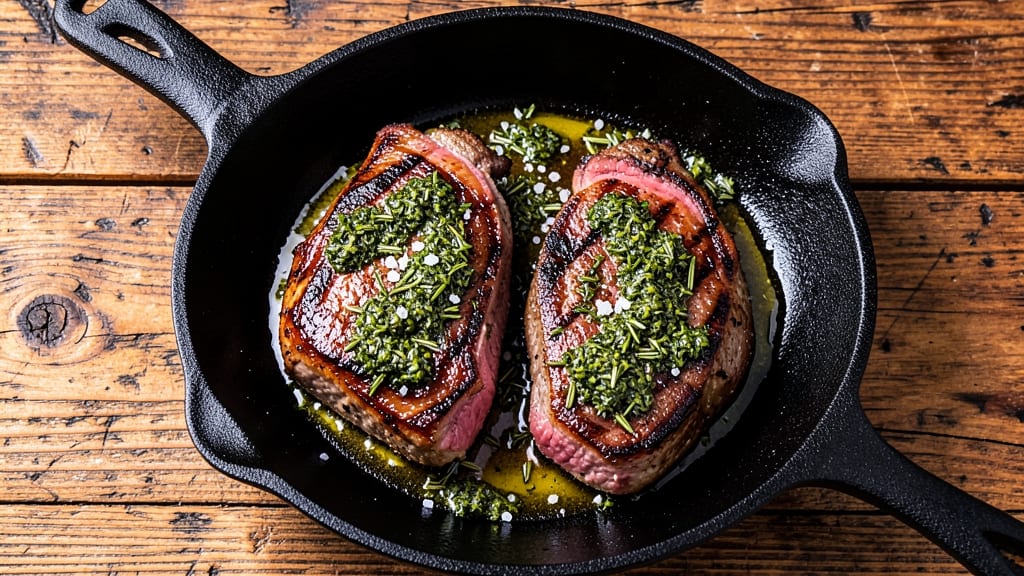
This carnivore pork steak recipe delivers juicy, melt-in-your-mouth perfection with a crisp herb-crusted exterior and rich marrow center—exactly how pork should be enjoyed.
After years of perfecting cuts from my own heritage pigs, I’ve developed a method that transforms tougher steaks into restaurant-quality centerpieces without a single carb in sight. The secret lies in high-heat searing paired with a dry herb crust that clings like armor while preserving all that natural fat.
What sets this technique apart is the balance of texture and flavor: the crust creates a satisfying crunch, while the reverse sear ensures the interior remains tender and moist. I use only salt, black pepper, and fresh rosemary for the crust—simple ingredients that amplify the pork’s natural richness.
This method works equally well for rib chops, loin cuts, or even bone-in steaks, giving you control over doneness from medium-rare to well-done without drying out the meat.
The result is a steak so flavorful it stands alone as a meal—no sides required. The herb crust adds aromatic depth, while the marrow inside adds a luxurious, velvety finish.
Serve it straight from the pan with a pat of rendered pork fat for dipping, or garnish with fresh thyme if you prefer. Every bite delivers that perfect harmony of crisp, savory, and succulent.
Perfect for carnivore diets, meat-focused gatherings, or anyone craving a steak that’s worth the effort. The technique is straightforward but delivers professional-level results—no fancy equipment needed, just patience and high heat. Let’s get cooking.
Ingredients for carnivore pork steak
Nine ingredients transform tough pork into restaurant-quality steaks with crisp crust and juicy marrow.
| Ingredient | Amount | Notes |
|---|---|---|
| Pork Steaks 🥩 | 1 ½ lb | Bone-in, 1-inch thick cuts |
| Fresh Rosemary 🌿 | ¼ cup | Finely chopped, organic preferred |
| Kosher Salt 🧂 | 2 tbsp | Diamond Crystal preferred |
| Freshly Ground Black Pepper 🌶️ | 1 tbsp | Coarse grind for texture |
| Fresh Thyme 🌿 | ⅛ cup | Leaves only, stems removed |
| Extra-Virgin Olive Oil 🫒 | 2 tbsp | High smoke point preferred |
| Pork Fat Back 🥓 | 2 tbsp | Rendered from pork cuts |
| Garlic Cloves 🧄 | 4 cloves | Minced, for optional finishing |
| Unsalted Butter 🧈 | 2 tbsp | European-style preferred |
The pork cuts are everything here—heritage pork steaks with bone-in deliver the richest marrow flavor. Look for thick-cut, 1-inch slices at your butcher or specialty meat counter. Butcher shops often carry heritage breeds like Duroc or Berkshire, which have more marbling and fat—ideal for this technique. If you're using regular pork chops, pat them dry with paper towels before seasoning; moisture is the enemy of that perfect crust. Fresh rosemary should be vibrant green with a piney aroma—dried works in a pinch, but fresh is non-negotiable for that aromatic depth.
No fresh rosemary? Dried rosemary at half the amount gets you close, though the flavor won't be as bright. Swap the thyme for fresh sage if you prefer, but stick with the same ratio. The olive oil and butter matter too—avoid anything with a low smoke point. For the pork fat, if you can't find rendered fat, use lard or extra pork fat from your steaks. The garlic is optional but adds a nice finishing touch; skip it if you're strictly carnivore. And yes, you can use salt-free pork steaks—just add the full 2 tbsp of salt to the crust mix.
Pat the steaks dry before seasoning—this is critical for that crisp crust. Store any extra pork fat in an airtight container in the fridge for up to 3 months, or freeze it for 6 months. Fresh herbs keep best in the fridge wrapped in damp paper towels for 5-7 days. The seasoned steaks can be prepped ahead and refrigerated for up to 24 hours before cooking, but bring them to room temperature first. Leftovers? Reheat gently in a skillet with a splash of pork fat to restore that crisp crust.
Why You'll Love This Recipe
- I swear by this trick: just slather those pork steaks with olive oil, scatter whole rosemary sprigs and thyme leaves on top, then crack in the salt and pepper. No chopping, no fuss—just raw meat getting a little herbal hug.
- Five-Minute Prep: I swear by this trick: just slather those pork steaks with olive oil, scatter whole rosemary sprigs and thyme leaves on top, then crack in the salt and pepper. No chopping, no fuss—just raw meat getting a little herbal hug.
- Herb Bomb Flavor: That rosemary and thyme? They don’t just season—they transform. The crispy edges caramelize into something almost smoky, while the inside stays juicy and tender. It’s the kind of flavor that makes you pause mid-bite.
- Leftovers That Don’t Suck: Cold pork steaks the next day? Still worth eating. Slice them up for tacos, toss in a salad, or just eat them straight with mustard. No sad, dry meat here—just meat that keeps giving.
Step-by-step instructions for herb-crusted pan-seared pork steaks
Master this technique and you'll achieve a perfectly crisp herb crust with tender, juicy pork steaks every time.
Prepare the Herb Crust Mixture
In a small bowl, combine the 0.25 cup fresh rosemary, 0.125 cup fresh thyme, 2 tbsp kosher salt, and 1 tbsp freshly ground black pepper. Use your fingers to gently crush the herbs and break up any large stems—this releases their aromatic oils. The mixture should look like a coarse, fragrant paste rather than finely chopped pieces.
Add 2 tbsp extra-virgin olive oil and 2 tbsp pork fat back to the herb mixture. Use a fork to thoroughly combine everything until it forms a thick, cohesive paste. This fat-infused herb crust will create that coveted crisp exterior while keeping the interior juicy. Set this mixture aside while you prepare the steaks.
Season and Sear the Pork Steaks
Pat the 1.5 lb pork steaks completely dry with paper towels—this is critical for achieving a good sear. Working with one steak at a time, press the herb crust mixture firmly onto both sides, covering the entire surface. The crust should adhere well but still feel slightly gritty to the touch.
Heat a heavy skillet over medium-high heat until it's very hot—you should see a slight shimmer of smoke when you hold your hand about 2 inches above it. Add the steaks and let them cook undisturbed for 3-4 minutes per side. You'll know they're ready to flip when they release easily from the pan and develop a deep golden-brown crust. Avoid moving them during cooking to prevent steam from forming under the crust.
Finish with Butter and Garlic
Once the steaks are beautifully browned on both sides, reduce the heat to medium and add 2 tbsp unsalted butter to the pan. Tilt the pan slightly and spoon the melted butter over the steaks for 1-2 minutes, basting them continuously. This creates a glossy finish and adds rich flavor.
In the last 30 seconds of cooking, sprinkle the 4 minced garlic cloves over the steaks. The garlic will infuse the butter with its aroma without burning. Use an instant-read thermometer to check the internal temperature—it should reach 145°F for medium-rare doneness. If your steaks are thicker, they may need an additional 1-2 minutes per side.
Rest and Serve
Transfer the steaks to a cutting board and let them rest for 5-10 minutes before serving. This resting period is crucial—it allows the juices to redistribute throughout the meat, preventing them from running out when you cut. During this time, keep the steaks warm by loosely tenting them with aluminum foil.
Slice the steaks against the grain into ½-inch thick pieces to maximize tenderness. The exterior should be crisp and fragrant with herb notes, while the interior remains succulent with a perfect pink center. Serve immediately with any pan juices spooned over the top for maximum flavor.
Pro Tips For Making Carnivore Pork Steak
- Dry the Steaks First: Take a paper towel and pat those pork steaks aggressive—no half-measures. Moisture is the enemy of a good crust, and you want that rosemary and thyme to stick like glue, not steam off into the air. I learned this the hard way when my first batch turned out more sad than seared.
- Salt 30 Minutes Early: Don’t just sprinkle salt on top right before cooking—get those steaks salted well in advance. The salt needs time to work its magic, drawing out moisture so the crust forms properly. After burning three batches with last-minute seasoning, I finally realized this isn’t just about flavor; it’s about texture.
- Use Two Heat Zones: Start with ripping high heat in one spot to get those steaks screaming hot, then finish over lower heat to render fat without flaming. I was skeptical until I tried it—now I swear by it. The high heat sears, the low heat cooks through, and you avoid that greasy, uneven mess.
- Crush the Rosemary: Tear the rosemary sprigs with your fingers instead of chopping—it releases more aroma and sticks better. Fresh thyme? Just strip the leaves off the stems. I skip this when I’m lazy, but the dish is noticeably better when I don’t. (Yes, even if you’re impatient like me.)
Pro cooking tips for this dish
High-Heat Sear Secrets
I can’t stress enough how critical the sear is for this recipe—it’s the difference between a good steak and a great one. Use a heavy cast-iron skillet (I swear by my Lodge 10.25-inch) and crank the heat to medium-high until it’s screaming hot.
A quick test: flick a drop of water onto the pan—if it sizzles and evaporates instantly, you’re ready. The steaks should release easily from the pan when flipped, signaling the crust is forming. 🔥
Reverse Sear for Thick Cuts
For steaks over 1.5 inches thick, I recommend a reverse sear approach: start them in a 300°F oven for 10-15 minutes (depending on thickness) until they reach 125°F internal temp, then finish with the pan sear.
This ensures even cooking without overcooking the exterior. My Thermoworks Smoke thermometer is a game-changer for precision.
Herb Crust Adhesion
The crust won’t stick properly if the steaks are damp. Pat them thoroughly dry with paper towels before pressing on the herb mixture—this is non-negotiable. For extra grip, I sometimes lightly dust the steaks with cornstarch before adding the crust.
And pro tip: press the crust on firmly but evenly to avoid clumps. Uneven crust = uneven crispiness.
Butter Baste Like a Pro
Don’t just dump butter in the pan and walk away—baste continuously for those last 1-2 minutes of cooking. Tilt the pan and spoon the melted butter over the steaks repeatedly. This isn’t just for flavor; it traps steam and keeps the crust crisp while adding richness.
I like to finish with a sprinkle of flaky sea salt right before serving for a pop of contrast. ✨
Resting: The Most Overlooked Step
Skipping the rest can ruin all your hard work—juices will pool on the plate instead of redistributing. Tent the steaks loosely with foil and let them rest for 5-10 minutes (longer for thicker cuts).
This also lets the crust firm up for cleaner slicing. Trust me, the wait is worth it for that first juicy bite. 💪
Equipment Upgrades Worth It
If you’re serious about pork steaks, invest in a meat thermometer (I use Thermoworks Smoke) and a heavy-duty skillet. A tongs with silicone tips prevents scratching the crust, and a sharp carving knife (like my Wüsthof) makes slicing against the grain effortless.
These tools elevate home cooking to restaurant quality. 💡
Nutrition facts
Frequently asked questions
Can I use regular pork chops instead of bone-in steaks?
Yes, but bone-in cuts deliver the richest flavor and juiciest results. For regular pork chops, look for 1-inch thick cuts with some fat cap. The bone helps retain moisture, but if using boneless, increase the cooking time slightly to 4-5 minutes per side to prevent drying. Just be sure to pat them completely dry before seasoning!
How do I adjust this for a carnivore diet?
This recipe is already carnivore-friendly—no carbs, no sugars, just pure pork and fat! For extra fat content, add an extra 1 tbsp pork fat back to the crust or serve with a side of crispy pork rinds. Skip the garlic if you're avoiding alliums, and focus on the herb crust for flavor. The butter finishing adds richness without carbs.
What's the best way to reheat leftovers?
Reheat gently in a skillet over low heat with a splash of pork fat to restore that crisp crust. Avoid microwaving—it makes the crust soggy. For ½-inch slices, 2-3 minutes per side should do it. If the crust falls apart, try broiling for 1-2 minutes at the end to crisp it back up. Leftovers keep well for 3-4 days refrigerated.
Can I make this ahead of time?
Prep the herb crust and season the steaks up to 24 hours ahead, then refrigerate uncovered. Bring to room temp before cooking. For the crust, store the herb mixture separately in an airtight container for up to 5 days. The pork fat stays fresh for 3 months refrigerated or 6 months frozen. Just press on fresh crust before cooking.
What if my steaks are too thick?
For steaks over 1.5 inches thick, use the reverse sear method: start in a 300°F oven for 10-15 minutes until internal temp reaches 125°F, then finish with the pan sear. This prevents overcooking the exterior while ensuring the center cooks through. A meat thermometer is your best friend here—145°F for medium-rare.