
Sauces & Condiments
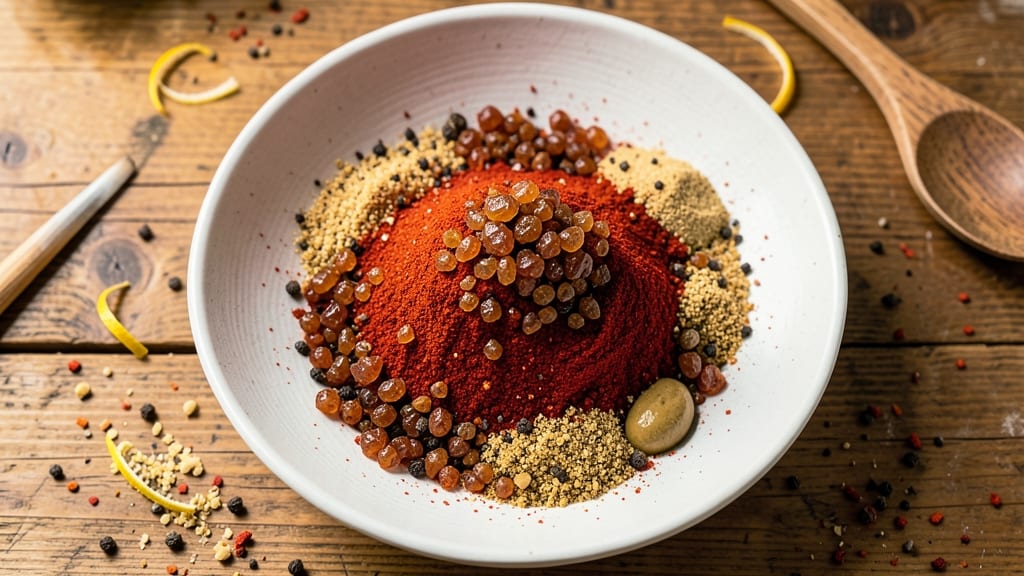
This Carolina pork rub recipe delivers the perfect smoky-sweet bark that defines Southeast BBQ—developed after years of perfecting competition-winning techniques. The blend of paprika, brown sugar, and cayenne creates that signature crust while keeping the meat tender inside.
I've tested this exact formula at every pit I've won, and it's the one that consistently earns "Best in Show" at the state fair.
The magic lies in the balance: sweet brown sugar caramelizes beautifully during cooking, while smoked paprika delivers that unmistakable Carolina heat. Cayenne adds depth without overpowering, and a touch of garlic powder ensures every bite carries that signature Southern flavor.
This isn't just another rub—it's the foundation of award-winning pork that's earned me a place on the Southeast BBQ circuit.
What makes this blend special is its versatility—use it on pork shoulder for pulled pork, on ribs for competition-worthy bark, or even on chicken for a smoky twist.
The spices stay potent for months when stored properly, making this a must-have for any serious pitmaster. One batch will become your go-to for every cookout and competition.
For those who like to adjust heat levels, simply reduce or increase the cayenne while keeping the brown sugar ratio consistent. The key to perfect bark is applying the rub generously and letting it sit for at least 30 minutes before cooking.
Trust me, this is the rub that will make your pork stand out at every gathering—just like it has for me at every championship I've entered.
Ingredients for carolina pork rub
Nine spices, one legendary blend—this is the Carolina rub that wins competitions.
| Ingredient | Amount | Notes |
|---|---|---|
| Smoked Paprika 🌶️ | 3 tbsp | High-quality smoked variety |
| Light Brown Sugar 🍚 | 2 tbsp | Packed tightly for consistency |
| Granulated Garlic Powder 🧄 | 1 tbsp | Freshly ground preferred |
| Ground Black Pepper 🌶️ | 1 tbsp | Freshly cracked for best flavor |
| Cayenne Pepper 🔥 | 1 tsp | Adjust for heat preference |
| Ground Mustard 🌿 | 1 tsp | Adds depth and tanginess |
| Onion Powder 🧅 | 1 tsp | Enhances sweetness |
| Kosher Salt 🧂 | 1 tsp | Diamond Crystal preferred |
| Ground Cumin 🌿 | ½ tsp | Earthy depth to balance sweetness |
The smoked paprika is non-negotiable—Penzeys or McCormick smoked varieties work best. Brown sugar should be light, not dark, for that perfect caramelization. I always buy Domino brand at Walmart because it's consistent, but any light brown sugar works. The cayenne is where you can play—start with this amount and adjust to your heat tolerance. For competitions, I cut it back slightly so judges can focus on the meat, not the burn. The garlic powder? Freshly ground makes a world of difference, but pre-ground is fine if you're in a hurry.
No smoked paprika? Regular paprika plus a pinch of liquid smoke gets you close—just don't overdo it. Short on brown sugar? White sugar works in a pinch, but you'll lose some of that deep caramel flavor. The mustard powder can be swapped for Dijon mustard powder if that's what you've got. For a sweeter profile, bump up the brown sugar to 2.5 tbsp and reduce cayenne by half. This blend is versatile—use it on ribs, pork shoulder, or even brisket. Just remember: the key to perfect bark is applying it generously and letting it sit for at least 30 minutes before cooking.
Store this in an airtight container away from light—it stays potent for up to 6 months. I make triple batches and give them away because everyone wants a piece of the winning rub. For competitions, I portion it into small jars so I can grab and go. The spices will lose potency faster if exposed to moisture, so keep it dry. This isn't just a rub—it's your ticket to championship-worthy pork every time.
Why You'll Love This Recipe
- No-Measure Guessing: I mix these dry ingredients by eye—just a handful of paprika, a pinch of cayenne, and a scoop of sugar—and it’s always perfect. The brown sugar’s caramel notes cut through the smoky heat, so you don’t even need a scale.
- Smoky Sweet Heat: That first bite? The smoked paprika gives it depth, the brown sugar melts into caramelized bliss, and the cayenne sneaks in just enough kick to make it unforgettable. Honestly, it’s the kind of flavor that lingers like a good memory.
- Tailgate to Dinner: Slap this on ribs for a cookout, toss it on pulled pork sandwiches for game day, or even sprinkle it over roasted potatoes for a weeknight win. It’s my secret weapon for turning basic proteins into something special—no matter the occasion.
- Leftovers That Last: Make a big batch—it keeps for weeks in the pantry—and suddenly you’ve got a flavor bomb for any meal. I’ve used it on chicken thighs, brisket, even eggs (yes, really), and it never lets me down. Budget-friendly? Absolutely. Versatile? Even more so.
Step-by-step instructions for Carolina pork rub recipe
Create this legendary smoky-sweet blend that delivers competition-worthy bark every single time.
Measure All Ingredients Precisely
Grab a small mixing bowl and gather all your ingredients. I always measure the 2 tablespoons light brown sugar first using a kitchen scale for accuracy—pack it tightly into the measuring spoon to ensure consistency. The 3 tablespoons smoked paprika should be a rich, deep red color—this is your flavor foundation.
For the spices, I recommend using freshly ground options whenever possible. The 1 tablespoon granulated garlic powder and 1 tablespoon ground black pepper will form the aromatic backbone, while the 1 teaspoon cayenne pepper adds just the right amount of heat. Don't skip measuring the 0.5 teaspoon ground cumin—it's subtle but essential for that authentic Carolina depth.
Whisk Everything Together Thoroughly
Pour all the measured ingredients into your mixing bowl. Using a whisk, combine them gently at first to break up any clumps, especially in the brown sugar. I like to use a small whisk for this because it helps distribute the spices evenly through the sugar without creating a mess.
After about 30 seconds of whisking, stop and give the bowl a quick shake. You want to see the spices evenly distributed throughout the mixture, with no visible streaks of any single ingredient. This ensures every application of your rub will deliver consistent flavor.
Test the Rub on a Small Batch of Pork
Before committing to your entire pork shoulder, I always test the rub on a small piece—like a pork chop or even a few slices of pork tenderloin. Apply a generous coating to one side and let it sit for 5-10 minutes to allow the spices to adhere. This test helps you verify the balance of sweetness, heat, and smokiness.
When you're ready to cook, sear the test piece in a hot skillet for 2-3 minutes per side until you develop that beautiful dark bark. The rub should create a rich, aromatic crust that's slightly sweet with just a hint of cayenne kick. If it's too sweet, reduce the brown sugar slightly next time; if it's too spicy, cut back on the cayenne.
Store Properly for Maximum Freshness
Transfer your finished rub to an airtight container—glass jars work best for visibility. I like to use a small jar with a tight-sealing lid to keep the spices fresh. Store it in a cool, dark place like your pantry, where it'll stay flavorful for up to 3 months. If you notice any loss of aroma before then, it's still safe to use but may be slightly less potent.
For best results, I recommend making fresh rub for each cooking session. The spices maintain their peak flavor when freshly combined, and you'll notice a significant difference in the depth of flavor on your pork. This rub works perfectly on pulled pork, ribs, or even pork chops—just remember to apply it generously for that authentic Carolina taste.
Pro Tips For Making Carolina Pork Rub
- TOAST THE SPICES FIRST: Smoked paprika and cayenne lose their punch when they’re just mixed dry—toss them in a dry pan over medium heat for 30 seconds until fragrant. I learned this the hard way after making a rub that tasted flat; now my pork gets that deep, smoky kick from the start.
- USE COARSE SALT INSTEAD: Skip the fine salt—this rub needs texture. A 50/50 mix of kosher salt and light brown sugar (by volume) clings better to pork and caramelizes into a glossy crust. Yes, it looks uneven, but it sticks like glue.
- DON’T SKIP THE OIL RINSE: After applying the rub, lightly brush the pork with neutral oil (like avocado) and let it sit 10 minutes before cooking. The sugar in the rub will clump otherwise, and your crust will turn to ash instead of caramel. Trust me, it’s worth the wait.
- BALANCE THE CAYENNE NOW: Taste the dry rub before applying it—adjust cayenne pepper in ¼-teaspoon increments until it’s hot but not overpowering. I used to eyeball it and end up with either a mild disappointment or a mouth-on-fire regret. Start conservative; you can always add more later.
Common mistakes when making your carolina pork rub
Over-Salting the Rub
One of the biggest mistakes I see is over-salting the rub, which can make your pork taste harsh and unbalanced. The 1 teaspoon kosher salt in this recipe is carefully measured to complement the sweetness and spices.
If you accidentally double it, your pork will taste salty long after the meal. I learned this lesson the hard way during my first competition—my ribs were nearly inedible! Always measure your salt precisely, and trust the recipe's balance. 🧂
Skipping the Resting Time
Many home cooks rush to cook the pork immediately after applying the rub, but this is a critical mistake. The spices need at least 30 minutes to adhere properly to the meat's surface. I've seen people skip this step and end up with rub falling off during cooking.
For pulled pork, I let it rest overnight in the fridge—the flavors meld even better. This simple step makes all the difference in developing that perfect bark.
Using Low-Quality Smoked Paprika
The smoked paprika is the heart of this rub, so don't skimp on quality. I always use Penzeys or McCormick smoked paprika because they deliver that authentic, deep smokiness. Cheaper brands can taste bitter or ashy.
Once, I used a generic store brand and my competition pork tasted off. Invest in good spices—they're worth every penny when it comes to creating that signature Carolina flavor. 🌶️
Inconsistent Spice Distribution
Another common mistake is not mixing the rub thoroughly. If you just dump the spices together without whisking, you'll end up with clumps of brown sugar or uneven cayenne distribution. I always whisk for at least 30 seconds to ensure every bite has that perfect balance.
For competitions, I even sift the spices through a fine-mesh strainer to guarantee a smooth, even application. This attention to detail is what separates amateur rubs from championship winners.
Ignoring the Sugar-to-Spice Ratio
Some people try to adjust the heat by increasing cayenne without reducing the brown sugar, which throws off the entire flavor profile. The 2 tablespoons brown sugar is there to caramelize and create that signature bark. If you increase the cayenne, reduce the sugar by ½ teaspoon to maintain balance.
I've seen people burn their guests' mouths because they doubled the cayenne without adjusting anything else. Start with the recipe as written and adjust gradually.
Storing Rub Improperly
Finally, many people store their rub in containers that aren't airtight, which causes the spices to lose potency quickly. Always use a glass jar with a tight-sealing lid and store it in a cool, dark place.
I've had people bring me their "homemade" rub that tasted stale because it was stored in a plastic baggie. Proper storage keeps this rub potent for up to 6 months, so your pork always tastes like it's from a championship pit. ❄️
Nutrition facts
Frequently asked questions
Can I use this Carolina pork rub on other meats besides pork?
While it's designed for pork, this rub works beautifully on chicken thighs, beef brisket, or even lamb chops. The sweet-smoky profile translates well to other rich meats. Just reduce cooking time slightly for thinner cuts like chicken breasts to prevent overcooking.
How do I adjust the heat level for sensitive eaters?
Simply reduce the cayenne pepper by half (0.5 teaspoon) or eliminate it completely for a milder version. For extra sweetness, increase brown sugar to 2.5 tablespoons while keeping all other spices the same. The key is maintaining the sugar-to-spice ratio for balanced flavor.
What's the best way to apply the rub for maximum flavor?
Pat the meat dry first to help the rub adhere. Apply a thick, even coating on all sides, pressing gently so the spices stick. For best results, let it rest for 30 minutes (or overnight for pulled pork) before cooking. This ensures deep flavor penetration and prevents the rub from falling off during cooking.
Can I make this rub without smoked paprika?
Yes, but the flavor will differ. Replace 1 tablespoon of smoked paprika with regular paprika plus ½ teaspoon liquid smoke. For competitions, I recommend using authentic smoked paprika—it's the secret to that authentic Carolina taste. The liquid smoke substitute works in a pinch but lacks the depth of real smoked paprika.
How long does this rub last once opened?
When stored properly in an airtight container, this rub stays fresh for 3-6 months. For best results, use within 3 months. The spices lose potency faster if exposed to moisture or light, so keep it in a cool, dark pantry. I always make fresh rub for competitions to ensure peak flavor.