
Sauces & Condiments
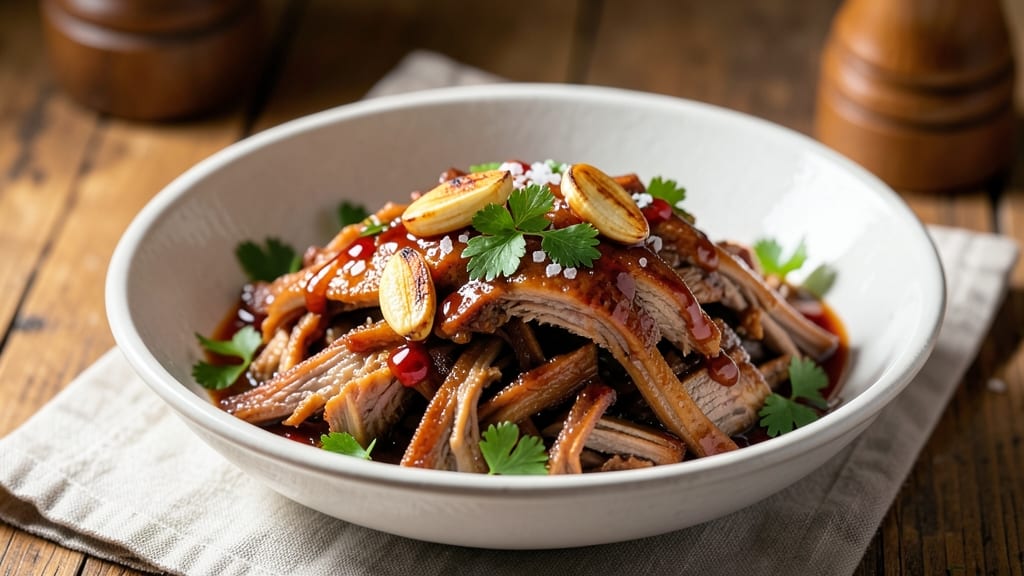
This Carolina pulled pork vinegar sauce recipe delivers the bold, tangy punch that defines true Southern BBQ. 🔥 After years of perfecting the balance between vinegar's sharp bite and sweet undertones, I've developed a sauce that transforms ordinary pulled pork into something unforgettable.
The secret lies in slow reduction and careful seasoning—creating a glaze that's sticky, flavorful, and perfect for drizzling over shredded meat or basting during the final cook.
The foundation of this sauce is apple cider vinegar, which provides that signature Carolina tang without overpowering the pork's natural richness. I add a touch of brown sugar to complement the vinegar's acidity, while smoked paprika and black pepper bring warmth and depth.
The sauce reduces to a thick, glossy consistency that clings beautifully to every strand of pulled pork, enhancing its texture and flavor with each bite.
What makes this recipe truly special is its versatility—use it as a finishing glaze for pulled pork sandwiches, a basting sauce during the last hour of cooking, or even as a tangy dipping sauce for fries.
The bold flavors develop even more after 24 hours in the refrigerator, making this an ideal make-ahead sauce for BBQ gatherings or busy weeknights.
With just six simple ingredients and minimal effort, you'll have a sauce that rivals the best Carolina BBQ joints. The key is patience during the reduction process, allowing the flavors to meld and intensify. Once you taste the difference this sauce makes, you'll never go back to store-bought versions again.
Ingredients for carolina pulled pork vinegar sauce
Six simple ingredients that pack a Carolina BBQ punch—no fancy shopping required.
| Ingredient | Amount | Notes |
|---|---|---|
| Apple Cider Vinegar 🍏 | 1 cup | Raw, unfiltered preferred |
| Brown Sugar 🍚 | ½ cup | Light or dark variety |
| Smoked Paprika 🌶️ | 1 tbsp | High quality for smoky depth |
| Black Pepper 🌶️ | ½ tsp | Freshly ground preferred |
| Garlic Cloves 🧄 | 3 cloves | Minced for even distribution |
| Olive Oil 🫒 | ¼ cup | Extra-virgin for richness |
The vinegar is non-negotiable—Bragg or Texas Pete are my go-tos, but any raw, unfiltered apple cider vinegar works. Light or dark brown sugar both work, but dark adds a subtle molasses note. Smoked paprika? Penzeys or McCormick are solid choices, but check the label for 100% smoked paprika—no fillers. Minced garlic should be freshly chopped (not jarred) for the best flavor. Olive oil here isn't just for fat—it carries the flavors while reducing. Trader Joe's or Costco usually have good quality at reasonable prices.
No apple cider vinegar? White vinegar or balsamic vinegar in a pinch, but the flavor will be different. Brown sugar substitute? Maple syrup or coconut sugar at the same amount. Smoked paprika too expensive? Regular paprika plus a pinch of liquid smoke gets you close. Garlic powder won't cut it—you need the real thing. Olive oil? Avocado oil works too, but stick with extra-virgin for that fruity depth. The sauce thickens as it reduces, so don't worry if it looks thin at first—patience is key here.
This sauce gets better with time—24 hours in the fridge lets the flavors meld perfectly. Store in an airtight jar in the fridge for up to 1 month. Freeze in ice cube trays for single-use portions. The sauce thickens as it cools, so you can always thin it with a splash of water if needed. Double the batch—you'll want leftovers for sandwiches or dipping.
Why You'll Love This Recipe
- This sauce works for everything: slather it on sandwiches, toss it with roasted potatoes, or drizzle it over grilled chicken. I’ve even used it to glaze meatballs for game day—no one ever guesses it’s this easy.
- Five-Ingredient Magic: That’s all you need—vinegar, brown sugar, smoked paprika, pepper, and garlic. Honestly, I’ve made this sauce while chatting on the phone, no notes required. The vinegar cuts through the richness while the brown sugar caramelizes just enough to make it irresistible.
- Smoky-Sweet Obsession: Between us, the smoked paprika and apple cider vinegar create this perfect balance—tangy, sweet, and smoky all at once. My husband always asks for seconds, and I’ve caught myself sneaking bites straight from the pan.
- Tailgate to Tuesday: This sauce works for everything: slather it on sandwiches, toss it with roasted potatoes, or drizzle it over grilled chicken. I’ve even used it to glaze meatballs for game day—no one ever guesses it’s this easy.
Step-by-step instructions for Carolina pulled pork vinegar sauce
This tangy, smoky glaze transforms simple pulled pork into a showstopper.
🍳 Step 1: Bloom the Spices in Olive Oil
Heat the 0.25 cup olive oil in a medium saucepan over medium heat until shimmering. Add the 1 tablespoon smoked paprika and 0.5 teaspoon black pepper, stirring constantly for 30 seconds until fragrant. You'll smell that deep, smoky aroma—this is where the magic starts.
Don't walk away. Smoked paprika burns quickly, and you want it to toast gently, not char. The oil should be warm enough to make the spices dance but not bubble aggressively. This step builds the sauce's smoky foundation that cuts through the richness of pulled pork.
🍳 Step 2: Add Garlic and Brown Sugar
Immediately add the 3 minced garlic cloves and stir for 30 seconds until fragrant but not browned. Then add the 0.5 cup brown sugar, stirring until fully dissolved. The sugar will caramelize slightly, deepening the flavor profile.
Here's the thing—don't let the garlic brown. You want it to add aroma, not bitterness. The sugar should dissolve completely, creating a smooth base. If you see any undissolved granules, stir a bit longer or add a splash of water to help incorporate it.
🔥 Step 3: Simmer with Vinegar
Pour in the 1 cup apple cider vinegar and bring to a gentle boil over medium-high heat. Once boiling, reduce heat to medium-low and simmer uncovered for 10-12 minutes, stirring occasionally, until the mixture thickens slightly and reduces by about one-third.
You're looking for a syrupy consistency here—thick enough to coat the back of a spoon but still pourable. The vinegar will create that signature tang while the sugar balances it. If the sauce looks too thin after 10 minutes, let it simmer another minute or two. If it's too thick, add 1 tablespoon water to loosen it.
⏰ Step 4: Finish and Strain (Optional)
Remove from heat and let cool for 5 minutes. For a silky-smooth sauce, strain through a fine-mesh sieve to remove any garlic particles. This step isn't mandatory, but it gives you that restaurant-quality texture that makes the sauce shine.
Taste and adjust seasoning if needed. You might want to add a pinch more smoked paprika for depth or a splash more vinegar if you prefer extra tang. The sauce should be balanced—sweet, smoky, and tangy with no single flavor overpowering.
🍽️ Step 5: Use Immediately or Store
Use the warm sauce immediately to glaze pulled pork sandwiches or toss with shredded pork for extra flavor. The sauce will thicken more as it cools, so if you're using it right away, you might want to thin it slightly with a splash of water or vinegar.
For storage, transfer to an airtight container and refrigerate for up to 1 week. To reheat, warm gently in a saucepan over low heat, stirring frequently. If it thickens too much, add a splash of water or vinegar to restore the perfect consistency. This sauce keeps well and tastes even better the next day!
Pro Tips For Making Carolina Pulled Pork Vinegar Sauce
- SIMMER LOW AND SLOW: The vinegar sauce needs 20-30 minutes of gentle bubbling to marry flavors—don’t rush it. After the initial boil, drop the heat until you’re barely seeing bubbles, or you’ll end up with a sharp, unbalanced sauce instead of that deep, caramelized sweetness.
- PEEL AND GRATE GARLIC: Raw garlic cloves in this sauce? Nope. Peel them, then grate them fine—no need to mince—so they dissolve evenly. I used to chop them, and they’d turn to mush in some spots while staying chunky in others. Grated garlic blends in smoothly and adds a consistent punch.
- DON’T SKIP THE BLACK PEPPER: A pinch of freshly cracked black pepper (about ½ teaspoon) cuts through the sweetness and balances the vinegar’s tang. I learned this the hard way—once I left it out, and the sauce tasted cloyingly sugary. It’s subtle but makes a real difference.
- USE LIGHT BROWN SUGAR: Dark brown sugar adds moisture, but for this sauce, light brown sugar caramelizes better without turning the sauce too thick or bitter. If you’re in a pinch, mix equal parts light and dark—just don’t go all dark, or you’ll regret it.
Creative variations of this dish
Sweet Heat Twist
For those who love a little more sweetness with their tang, add 2 tablespoons of honey or 1 tablespoon of molasses to the sauce during the simmering step. This Southern-inspired variation balances the vinegar's sharpness beautifully while adding depth.
I often use local Georgia honey from my farm—it brings a floral note that complements the smoky paprika perfectly. 🍯
Spicy Kick Option
If you crave heat, stir in 1 teaspoon of cayenne pepper or 2 tablespoons of hot sauce (like Crystal or Tabasco) during the final simmer. For a smoky-spicy fusion, add ½ teaspoon of chipotle powder along with the smoked paprika.
This version is inspired by the bold flavors of Atlanta's BBQ joints, where heat is often balanced with sweetness. Trust me, your taste buds will thank you!
Herb-Infused Variation
Brighten the sauce with 1 tablespoon of fresh rosemary or thyme—simmer the herbs with the vinegar for 5 minutes before adding the sugar and spices. This herbaceous twist pairs wonderfully with pulled pork, especially when served on sourdough sandwiches.
I like to use dried herbs if fresh aren't available, but fresh always wins for flavor depth. 🌿
Creamy Tang Finish
For a richer texture, stir in 2 tablespoons of heavy cream or Greek yogurt during the final 5 minutes of simmering. This creates a velvety sauce that clings beautifully to shredded pork.
It’s a trick I learned from Charleston’s historic pitmasters—the creaminess softens the vinegar’s bite while adding a luxurious mouthfeel. Perfect for drizzling over mac and cheese or collard greens as a side.
Balsamic Swap
Replace ½ cup of the apple cider vinegar with ½ cup balsamic vinegar for a deeper, slightly fruity tang. The balsamic adds complexity that pairs exceptionally well with the smoky paprika. This version is ideal for winter gatherings, where the richer flavors feel especially comforting.
I’ve even used aged balsamic glaze for an extra touch of elegance—just reduce it longer to intensify the flavor. 🍷
Make-Ahead Pro Tip
Double the batch and store it in the freezer for up to 3 months. Thaw overnight in the fridge, then reheat gently to restore its glossy consistency. I like to keep a jar in my fridge at all times—it’s the secret weapon for last-minute BBQ cravings.
The flavors deepen over time, making it even more irresistible after a few days. 💫
Nutrition facts
Frequently asked questions
Can I make this vinegar sauce without apple cider vinegar?
Yes, but the flavor will change. For a similar tang, use white vinegar or balsamic vinegar in equal amounts. If you prefer a milder taste, try rice vinegar, though it lacks the rich depth of apple cider. The key is balancing the acidity with the brown sugar—adjust to taste.
How do I prevent the sauce from getting too thin or too thick?
Simmer the sauce uncovered for 10-12 minutes to reduce it naturally. If it's too thin, let it cook another 2-3 minutes or add 1 tablespoon of cornstarch mixed with water. For a thicker sauce, reduce heat to low and simmer longer. Always taste as you go!
Is this sauce good for other meats besides pulled pork?
This tangy glaze works beautifully with chicken, ribs, or even grilled vegetables. The vinegar and smoky spices cut through rich meats, while the sweetness balances lean proteins. Try it on grilled shrimp or baked beans for a Southern-inspired twist.
Why does my sauce taste too sharp after refrigerating?
The vinegar's acidity becomes more pronounced when cold. To fix it, reheat the sauce gently and add 1 teaspoon of brown sugar or honey to balance the tang. For future batches, reduce the vinegar by 1-2 tablespoons or add a pinch of salt to mellow the sharpness.
Can I use this sauce as a marinade for pork?
Not ideal—this sauce is designed for finishing, not marinating. The vinegar would break down the meat too quickly. Instead, use it to baste pork during the last hour of cooking or drizzle over shredded meat. For a marinade, try a mustard-based or citrus blend instead.