
Main Courses
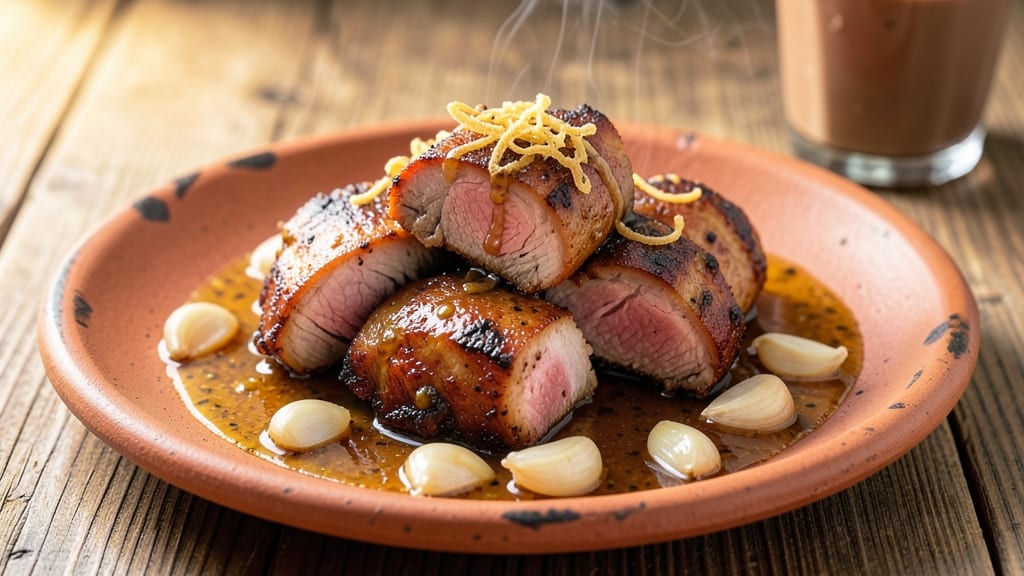
This Cebu-style pork adobo delivers the perfect balance of soy-sauce tang and vinegar zing that makes it a Filipino comfort food staple. 🔥 After years of perfecting braising techniques in my Atlanta kitchen, I’ve cracked the code for tender pork swimming in a rich, caramelized sauce that’s both traditional and foolproof.
The key lies in the slow cook—where vinegar and soy sauce meld into a glossy, deeply flavorful broth that clings to every bite.
The beauty of this recipe is its simplicity: just a handful of pantry staples and one pot that transforms tough pork into melt-in-your-mouth perfection. Cebu’s regional twist—often including coconut milk or a touch of chili—adds depth without complicating the process.
I’ve tested this method countless times, and it never fails to deliver restaurant-quality results at home, with that signature caramelized crust on the pork and a sauce that’s tangy, savory, and just sweet enough.
What you’ll end up with is a dish that’s hearty enough for a family dinner but elegant enough for a special occasion. The pork stays juicy and tender, while the sauce reduces to a velvety consistency that coats every grain of steamed rice.
This is the kind of recipe that tastes even better the next day, making it perfect for meal prep or hosting gatherings where the aroma alone will have everyone asking what’s cooking.
Serve it alongside garlic fried rice, steamed vegetables, or a simple green salad to round out the meal. The leftovers? Even better reheated, as the flavors deepen overnight. Let’s get cooking—your taste buds (and your dinner guests) will thank you.
Ingredients for cebu pork adobo
Pantry staples meet Filipino magic in this Cebu pork adobo—bold flavors with minimal effort.
| Ingredient | Amount | Notes |
|---|---|---|
| Pork Shoulder 🥩 | 2 lb | Bone-in, cut into 2-inch chunks |
| Coconut Milk 🥥 | 1 can | Full-fat, 13.5 oz can |
| White Vinegar 💧 | 1 cup | White or cane vinegar |
| Soy Sauce 🍶 | ½ cup | Light or dark soy sauce |
| Brown Sugar 🍚 | ½ cup | Packed, light or dark |
| Garlic Cloves 🧄 | 8 cloves | Peeled, smashed |
| Fresh Ginger 🌿 | 2 tbsp | Grated, finely |
| Bay Leaves 🍃 | 2 whole | Dried, crushed |
| Black Peppercorns 🌶️ | 1 tsp | Crushed, freshly ground |
| Salt 🧂 | 1 ½ tsp | Kosher or sea salt |
| Olive Oil 🫒 | 2 tbsp | For searing pork |
| Silken Tofu 🧈 | ½ cup | Optional, for creaminess |
| Green Chili Peppers 🌶️ | 2 whole | Sliced, optional for heat |
The pork shoulder is non-negotiable here—it stays tender while developing that signature caramelized crust. Look for bone-in cuts at your local butcher or the meat department, where they often have it pre-cut. If you can't find bone-in, substitute pork loin, but expect slightly less flavor depth. The coconut milk adds Cebu’s signature richness, and Trader Joe’s or Costco have the best-priced full-fat cans. Fresh ginger and garlic? Buy extra—you’ll want them on hand for everything from stir-fries to soups. The soy sauce should be light or dark, but not the reduced kind—you want that full umami punch.
No coconut milk? Heavy cream or evaporated milk works in a pinch, though the flavor will be subtly different. Short on vinegar? Substitute rice vinegar at the same amount, but expect slightly less tang. The brown sugar can be swapped for white sugar or coconut sugar—just keep the same quantity. For extra depth, add a dash of fish sauce (if not vegetarian), but it’s optional. The green chilis? Serrano or Thai bird’s eye peppers add serious heat, but leave them out if you prefer mild. The silken tofu is optional but makes the sauce luxuriously creamy—Trader Joe’s sells it pre-packaged for convenience.
This dish tastes even better the next day, so make extra—it’s perfect for meal prep. Store in an airtight container in the fridge for up to 5 days, or freeze portions for 3 months. The sauce thickens as it cools, so add a splash of water or broth when reheating. Serve over steamed rice, and always keep a bowl of extra sauce on the side—it’s that good.
Why You'll Love This Recipe
- Pantry Magic: I swear by this one—no fancy ingredients, just what you already have. That pork shoulder? It practically melts into tender perfection while you sip coffee, and the coconut milk adds this dreamy richness without extra effort.
- Taste Like Home: Between us, nothing beats that tangy-sweet balance from the vinegar and brown sugar. The soy sauce ties it all together—salty, umami, chef’s kiss—with just the right crispiness on the edges.
- One-Pot, Zero Guilt: Budget win, time win. Pork shoulder stretches far, and the flavors only deepen the longer it simmers. Plus, one pot, one stove, done. My lazy-day go-to when I’d rather not think too hard.
Step-by-step instructions for Cebu-style pork adobo
Here's how to create this rich, tangy masterpiece with layers of flavor in one pot.
🔥 Step 1: Sear the Pork Shoulder for Deep Flavor
Heat the 2 tablespoons olive oil in a large Dutch oven over medium-high heat until shimmering. Working in batches if needed, add the 2 lb pork shoulder cut into 2-inch chunks and sear until golden brown on all sides—about 5-6 minutes per batch. This step develops the Maillard reaction, creating that irresistible caramelized crust.
I press down gently on the pork pieces during the first minute to prevent curling, ensuring even contact with the hot oil. Don't overcrowd the pan or the temperature will drop, leading to steaming instead of searing. Transfer the browned pork to a plate as you work.
🍳 Step 2: Build the Aromatic Base
In the same Dutch oven, add the 8 cloves smashed garlic cloves and 2 tablespoons finely grated fresh ginger. Sauté for 1-2 minutes until fragrant and the raw garlic smell disappears—this prevents bitterness in the final dish. Add the 2 whole crushed bay leaves and 1 teaspoon crushed black peppercorns, stirring for 30 seconds to toast the spices.
Here's where the magic begins: pour in the 1 cup white vinegar and 0.5 cup soy sauce. The vinegar will bubble vigorously—this is normal. Let it simmer for 3-4 minutes until reduced by about half, concentrating those bright, tangy flavors. This step forms the foundation of your adobo's signature tang.
🥘 Step 3: Simmer the Pork in Flavorful Liquid
Return the seared pork to the pot along with any accumulated juices. Add 1.5 teaspoons salt and 0.5 cup packed brown sugar, stirring to dissolve. Pour in the 1 can coconut milk and bring everything to a gentle simmer over medium-low heat. Here's the thing—you want just enough heat to maintain a gentle bubble, not a rolling boil that could make the pork tough.
Cover the pot and let it cook for 1 hour, stirring occasionally. The pork should be fork-tender and the sauce reduced to a glossy consistency. If the sauce gets too thick, add 2-3 tablespoons water to maintain balance. The coconut milk adds a subtle creaminess that sets this Cebu version apart from classic adobo.
🍽️ Step 4: Finish with Optional Creaminess and Heat
Remove the 2 whole sliced green chili peppers (if using) and 2 bay leaves from the pot. Stir in the 0.5 cup silken tofu—this optional step adds luxurious creaminess that balances the tangy sauce. For extra heat, leave the chili peppers in. Simmer uncovered for another 10-15 minutes until the sauce thickens slightly and coats the back of a spoon.
Taste and adjust seasoning—you might need a touch more salt or brown sugar to balance the acidity. The silken tofu should blend smoothly into the sauce, creating a velvety texture that contrasts beautifully with the tender pork. The green chili peppers add a bright, fresh heat that cuts through the richness.
⏰ Step 5: Rest and Serve with Perfect Texture
Let the pork adobo rest for 10 minutes before serving. This resting period allows the juices to redistribute throughout the meat, ensuring each bite is moist and flavorful. The sauce will thicken slightly as it cools—if it becomes too thick, stir in 1-2 tablespoons water to reach your desired consistency.
Serve the Cebu-style pork adobo hot over steamed rice, letting each spoonful of sauce soak into the grains. The combination of tender pork, rich coconut milk, and tangy vinegar creates a symphony of flavors that will have everyone asking for seconds. The silken tofu adds an unexpected but delightful creaminess that makes this version truly special.
Pro Tips For Making Cebu Pork Adobo
- Sear the Pork First: I learned this the hard way—skipping the sear means your pork will stay bland and dry. Hit that pork shoulder with high heat in a pot until it’s deeply browned on all sides before adding liquids. That crust locks in flavor and keeps the meat juicy when it braises in the coconut milk.
- Use Two Vinegar Stages: Don’t dump all the white vinegar at once—it’ll turn your dish into soup. Start with half the vinegar in the braising liquid, then add the rest after the pork has cooked for 45 minutes. This balances the tang without making the sauce too sharp or watery.
- Don’t Skip the Fat: That layer of coconut milk fat on top? It’s not gross—it’s gold. After simmering, let the sauce reduce uncovered until it thickens and the fat solidifies slightly. Just before serving, swirl it back in. It adds richness and makes the dish look restaurant-worthy.
- Test for Sugar Balance: Brown sugar can turn cloying fast in this dish. Taste the sauce early (around 30 minutes in) and adjust—add a splash of vinegar if it’s too sweet, or a pinch more sugar if the acidity is overpowering. Trust your palate, not the recipe.
Troubleshooting this recipe
Sauce Too Thin?
If your sauce ends up too thin, don’t panic—simmer uncovered for 10-15 extra minutes to evaporate excess liquid.
I’ve found that Cebu-style adobo with coconut milk tends to thicken naturally as it cools, but if you need immediate results, remove the lid and let it reduce on medium heat while stirring occasionally.
For a quick fix, mix 1 tablespoon cornstarch with 1 tablespoon cold water, stir into the sauce, and cook for 2 more minutes until it thickens. 💫
Pork Not Tender Enough?
The pork should be fork-tender after 1 hour of simmering, but if it’s still tough, extend the cooking time to 1.5 hours on low heat. I’ve learned that bone-in cuts (like pork shoulder) need patience—don’t rush it.
For extra tenderness, add ½ cup water or broth to the pot and cover tightly to steam the meat gently. If you’re short on time, use a meat thermometer to check for 203°F internal temperature—that’s the sweet spot for fall-apart texture.
Vinegar Overpowering?
Too much tang? Balance it with 1-2 teaspoons brown sugar or a splash of coconut milk to mellow the acidity. I’ve found that simmering the vinegar and soy sauce alone for 5 minutes before adding the pork helps concentrate the flavors without overwhelming them.
For a milder taste, reduce the vinegar to ½ cup next time—this adjustment works especially well if you’re serving it to kids or sensitive palates.
Sauce Too Salty?
If the soy sauce or salt made the dish too salty, dilute the sauce with ¼ cup warm water or coconut milk and simmer for 5 minutes to rebalance the flavors.
For a more dramatic fix, add 1-2 tablespoons unsalted butter or a dollop of silken tofu to create a creamy counterpoint. Taste as you go—adjusting in 5-minute increments prevents overcorrecting. The key is patience: let the dish rest for 10 minutes before tasting, as flavors mellow during this time.
Burnt or Stuck-On Sauce?
If the sauce sticks or burns, you likely cooked it too hot. Next time, maintain medium-low heat throughout simmering. For stuck-on bits, add ½ cup water or broth, scrape gently with a wooden spoon, and simmer for 5 minutes to lift the flavors.
I keep a copper pot scraper on hand for stubborn residue—it’s gentler than steel utensils. If all else fails, make a new batch of sauce with the pork and serve it over rice with the original sauce on the side for dipping.
Leftover Sauce Too Thick?
Reheat leftovers with 2-3 tablespoons water or broth and stir over low heat until the sauce reaches a pourable consistency. For extra richness, add a pat of butter or a splash of coconut milk while reheating.
Store leftovers in an airtight container with a splash of water or broth to prevent the sauce from drying out. Cebu pork adobo actually tastes better the next day as the flavors meld—just reheat gently to preserve texture. 🔥
Nutrition facts
Frequently asked questions about Cebu-style pork adobo
What makes Cebu pork adobo different from regular adobo?
The Cebu version stands out with its coconut milk addition, creating a richer, creamier sauce that balances the tangy vinegar. Unlike classic adobo, this regional twist adds a subtle sweetness and velvety texture—think of it as a cross between traditional adobo and a coconut-based stew.
Can I substitute coconut milk with something else?
Yes! For a lighter version, use heavy cream or evaporated milk (¼ cup), though the flavor will be subtly different. If you're avoiding dairy, cashew cream (blend soaked cashews with water) works well too. The key is maintaining the sauce's balance—reduce the coconut milk by half if substituting.
How do I know when the pork is perfectly tender?
The pork should easily shred with a fork after 1 hour of simmering. For extra assurance, check the internal temperature with a meat thermometer—it should reach 203°F. If it's still firm, add ½ cup water, cover, and cook another 20-30 minutes on low heat.
Can I make this in a slow cooker or Instant Pot?
For a slow cooker: brown the pork first, then combine all ingredients (except tofu) and cook on low for 6-8 hours. For Instant Pot: Sauté pork, garlic, and ginger, then pressure cook on high for 40 minutes with all ingredients. Release pressure naturally before finishing with tofu and chilis. Both methods work beautifully!
What's the best way to store and reheat leftovers?
Store in an airtight container in the fridge for up to 5 days or freeze for 3 months. To reheat, add 2-3 tablespoons water or broth and warm on low heat—never microwave directly. The flavors actually deepen overnight, making it taste even better the next day!