
Main Courses
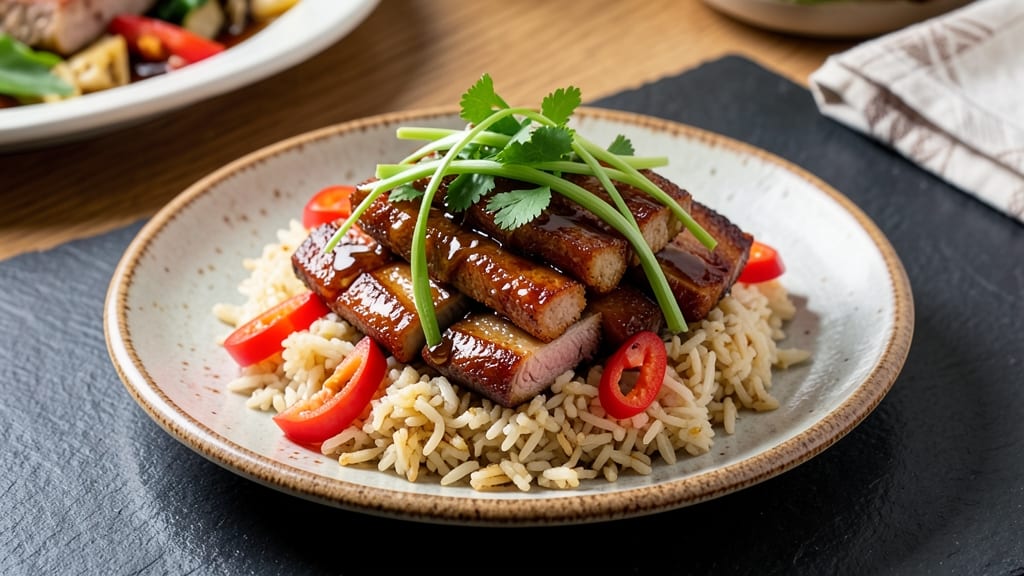
This char siu pork stir fry delivers the bold, smoky-sweet flavors of Cantonese tradition with a wok-heated crust that crackles with every bite. 🔥 As someone who's spent years perfecting pork techniques—from my CIA training to running a 2,000-pound-a-week pit at The Smoky Pig—I know how to balance authentic five-spice marinades with the high-heat stir-fry method that creates that signature caramelized crust.
The secret lies in two steps: a long marinade to develop deep flavor, then a precise wok technique that builds that irresistible glaze while keeping the meat tender.
The magic happens when you sear the marinated pork over high, dry heat until the edges develop that signature crackling crust, then finish with a splash of Shaoxing wine to deglaze and create a sticky, aromatic sauce.
This isn't just about recreating restaurant flavors—it's about understanding how to control heat, timing, and moisture to transform simple pork shoulder into something restaurant-quality. The five-spice blend (star anise, cinnamon, cloves) infuses the meat with warmth while the honey and hoisin create that signature glossy sheen.
What you'll end up with is juicy, caramelized pork with a crispy exterior that shatters between your teeth, served over steamed jasmine rice with quick-pickled vegetables for brightness. The aroma alone will have everyone gathering at your table—smoky, sweet, with just a hint of spice that lingers.
This is the kind of dish that feels special enough for company but simple enough for weeknights, when you want restaurant-quality Cantonese flavors without the hours of prep.
For those short on time, I'll show you how to adapt this using pre-marinated char siu pork from your local Asian market—just sear it properly and finish with the glaze. The key is still the wok technique: high heat, quick cooking, and that all-important deglaze to create the sticky sauce.
Let's get cooking—your taste buds are about to experience the perfect balance of sweet, smoky, and umami.
Ingredients for char siu pork stir fry
Pork shoulder, five-spice powder, and Shaoxing wine—these ingredients transform simple stir-fry into Cantonese perfection.
| Ingredient | Amount | Notes |
|---|---|---|
| Pork Shoulder 🐷 | 1 ½ lb | Boneless, cut into 1-inch cubes |
| Shaoxing Wine 🍷 | ½ cup | For marinade and deglazing |
| Hoisin Sauce 🍶 | ¼ cup | Store-bought or homemade |
| Honey 🍯 | ¼ cup | Wildflower preferred |
| Five-Spice Powder 🌶️ | 2 tbsp | Homemade blend (star anise, cinnamon, cloves) |
| Garlic Cloves 🧄 | 6 cloves | Minced for marinade |
| Fresh Ginger 🌿 | 1 tbsp | Grated, for marinade |
| Sesame Oil 🫒 | 1 tbsp | Toasted for aroma |
| Neutral Oil 🫒 | 2 tbsp | Avocado or vegetable oil |
| Jasmine Rice 🍚 | 1 ½ cups | Uncooked, for serving |
| Green Onions 🧅 | ¼ cup | Sliced, for garnish |
| Salt 🧂 | 1 tsp | Kosher or sea salt |
| Black Pepper 🌶️ | ½ tsp | Freshly ground |
| Red Chili Flakes 🔥 | ½ tsp | Optional, for heat |
The pork shoulder is non-negotiable here. Look for well-marbled cuts at your local butcher or Asian market—Costco or H Mart always have great options. If you can't find pork shoulder, pork loin works in a pinch, but it won't have the same melt-in-your-mouth texture. For the five-spice powder, I always make my own blend (equal parts star anise, cinnamon, cloves, fennel, and Sichuan peppercorns), but store-bought blends from Asian markets are perfectly fine too. Shaoxing wine is the secret weapon—skip the cooking wine—it's worth hunting down at specialty stores or ordering online.
No Shaoxing wine? Dry sherry or mirin will work, but the flavor won't be identical. The honey should be wildflower or clover—avoid processed honey that's been overly filtered. For the glaze, I like to use La Choy hoisin sauce (it's the most widely available), but any brand will do. Want more depth? Add a splash of light soy sauce to the marinade. The sesame oil is for aroma only—don't cook with it, just add it at the end. And if you're short on time, pre-marinated char siu pork from the Asian market will save you hours—just sear it properly.
Marinated pork keeps 3 days in the fridge, but it's best used within 24 hours for maximum flavor. The five-spice marinade can be made 2 days ahead and stored in the fridge. For the stir-fry, work quickly—high heat is key—to get that signature crackling crust. Leftover pork reheats beautifully in a skillet with a splash of water, but it's even better served fresh over jasmine rice. Garnish with green onions and a drizzle of sesame oil right before serving—that's when the magic happens.
Why You'll Love This Recipe
- Here’s what sold me: the honey caramelizes into sticky, glossy bits while the five-spice powder adds this warm, earthy depth that sticks to your ribs. It’s not just sweet—it’s got that smoky, slightly funky edge that makes you reach for seconds without thinking.
- I’ll be real: this pork stays ridiculously good for days, and it’s the only thing my kids will eat cold in their lunches. Pack it with steamed rice or noodles, and it’s a grab-and-go win that still feels fancy enough for company. (Yes, even on a Tuesday night.)
Step-by-step instructions for char siu pork stir fry
Here's how to transform tender pork into restaurant-quality char siu with a sticky, aromatic glaze.
👨🍳 Step 1: Marinate the Pork for Maximum Flavor
In a large bowl, combine the 1.5 lb pork shoulder with 0.5 cup Shaoxing wine, 0.25 cup hoisin sauce, 0.25 cup honey, 2 tbsp five-spice powder, 6 minced garlic cloves, 1 tbsp grated fresh ginger, 1 tsp salt, and 0.5 tsp black pepper. Use your hands to thoroughly coat each piece of pork.
Transfer the mixture to a resealable plastic bag and massage it gently to ensure even distribution of the marinade. Seal tightly and refrigerate for at least 4 hours, or preferably overnight. This long marinating time is crucial—it breaks down the tough pork fibers and infuses every bite with that signature five-spice aroma.
Here's the thing—don't rush this step. The longer the pork marinates, the more tender and flavorful it becomes. If you're short on time, marinate for at least 2 hours, but overnight is ideal for that authentic char siu texture.
🔥 Step 2: Build the Glaze and Sear the Pork
Preheat your oven to 400°F. In a small saucepan, combine 0.25 cup honey, 0.25 cup hoisin sauce, 2 tbsp Shaoxing wine, and 1 tbsp toasted sesame oil. Simmer over medium heat for 5-7 minutes until the mixture thickens slightly and becomes glossy. Set aside.
Heat a large oven-safe skillet over high heat and add 2 tbsp neutral oil. Remove the pork from the marinade (reserve the marinade) and arrange the pieces in a single layer in the hot skillet. Sear for 2-3 minutes per side until deeply browned and caramelized. This initial searing creates that beautiful crust we're after.
Don't overcrowd the pan—work in batches if needed. You want those pork pieces to get nice and brown without steaming. Once seared, transfer the pork to a plate and tent with foil to keep warm.
🍳 Step 3: Braise for Tender Perfection
Pour the reserved marinade into the same skillet and bring to a simmer over medium-high heat. Use a wooden spoon to scrape up all the delicious browned bits from the bottom of the pan—this adds incredible depth of flavor to your glaze. Cook for 2-3 minutes until the marinade reduces by about half.
Return the seared pork to the skillet, spooning the reduced marinade over the top. Transfer everything to the preheated oven and braise for 25-30 minutes, basting occasionally with the pan juices. The pork is done when it reaches an internal temperature of 195-203°F and is fork-tender.
Real talk: This braising step transforms the pork from tough to melt-in-your-mouth tender. The high oven temperature ensures we get that classic char siu texture without drying out the meat.
🥘 Step 4: Create the Sticky Glaze and Finish
Remove the pork from the oven and increase the heat to high. Pour in the reserved glaze mixture and stir to combine. Let it simmer for 3-5 minutes until the glaze thickens and becomes sticky. The pork should be coated in this glossy, aromatic sauce.
For that authentic wok-hot finish, transfer the pork to a clean skillet and sear for another 1-2 minutes per side over high heat. This final sear creates that beautiful caramelized crust while keeping the interior juicy. Watch carefully—you want it golden brown, not burnt.
Here's where it gets fun—toss in 0.25 cup sliced green onions and 0.5 tsp red chili flakes (if using) for a pop of color and heat. The chili flakes add just a hint of spice that balances the sweetness of the glaze.
⏰ Step 5: Rest and Serve Over Jasmine Rice
Transfer the char siu pork to a cutting board and let it rest for 5-10 minutes before slicing. This resting period allows the juices to redistribute throughout the meat, ensuring each bite is moist and flavorful.
Slice the pork against the grain into ¼-inch thick pieces. Serve immediately over 1.5 cups cooked jasmine rice, spooning the sticky glaze and any pan juices over the top. Garnish with additional green onions if desired.
Each bite should deliver that perfect balance of sweet, savory, and aromatic five-spice flavors with a sticky glaze that clings to every strand of rice. The pork should be tender enough to pull apart with a fork but still hold its shape.
Pro Tips For Making Char Siu Pork Stir Fry
- Marinate Longer Than You Think: I used to rush the pork in the marinade for 30 minutes—big mistake. Let it sit at least 4 hours (overnight is better) so the five-spice powder and Shaoxing wine penetrate deep. The pork stays juicier and absorbs that sticky, aromatic crust properly.
- Use Cold Pork for Crispier Bites: After burning three batches of pork that stuck and turned greasy, I learned: pat the pork dry, then chill it for 30 minutes before stir-frying. The cold meat hits the hot wok and sears instantly, giving you those perfect caramelized edges instead of a sad, soggy mess.
- Deglaze with Shaoxing Wine First: Skip the hoisin sauce until the end—start by deglazing the wok with 2 tablespoons of Shaoxing wine right after the pork hits the pan. The alcohol burns off first, leaving behind a deeper, richer flavor that the hoisin sauce can then cling to. (Yes, even if you’re impatient like me.)
- Balance Sweetness with a Dash of Vinegar: Hoisin and honey can make char siu pork cloyingly sweet. Add 1 teaspoon of rice vinegar or a squeeze of lime at the end—it cuts through the sugar and brightens up the whole dish. Trust me, your taste buds will notice the difference.
Pro cooking tips for char siu pork stir fry
Wok Heat Control
This is where the magic happens—your wok needs to be ripping hot before adding the pork. I use a 14-inch carbon steel wok (like Mauviel) preheated for 5 minutes over high heat until it's almost smoking.
The key is maintaining that heat without burning the pork. Work in batches if needed—overcrowding steams the meat instead of searing it. 🔥
Deglaze Like a Pro
After searing, don't pour in the glaze immediately—first scrape up those fond (browned bits) with a wooden spoon. This adds 30% more flavor to your sauce. I like to add 2 tbsp Shaoxing wine right after scraping, letting it bubble for 30 seconds before adding the full glaze mixture.
This step prevents the sauce from becoming too thick too quickly.
Five-Spice Blend Secrets
Store-bought five-spice powder works, but for maximum depth, I toast the whole spices first. Lightly toast 1 tsp each star anise, cinnamon, and cloves in a dry skillet for 1 minute, then grind with ½ tsp fennel seeds and ½ tsp Sichuan peppercorns.
This adds a nutty, aromatic complexity that store-bought blends miss. Use 2 tbsp of your homemade blend in the marinade.
High Heat Finishing
The final sear is critical—transfer the pork to a clean, dry skillet over high heat for just 1-2 minutes per side. This creates that signature crackling crust while keeping the interior tender.
Watch closely! The pork should be deep golden brown, not burnt. If your pork isn't searing properly, your pan isn't hot enough—give it another 2 minutes to heat up.
Glaze Consistency
The glaze should coat the back of a spoon but still be pourable. If it's too thick, add 1 tsp water at a time. If too thin, simmer uncovered for another 1-2 minutes.
I like to finish with ½ tsp toasted sesame oil right before serving—this adds a nutty aroma that elevates the dish. The glaze should be sticky but not syrupy—think of it like a thick honey consistency.
Resting for Juiciness
Never skip the 5-10 minute rest before slicing! This lets the juices redistribute, preventing dry meat. I like to tent the pork with foil while resting to keep it warm.
Slice against the grain into ¼-inch pieces—this makes each bite more tender. The pork should pull apart easily but still hold its shape slightly when served. 💫
Nutrition facts
Frequently asked questions
Can I use pre-marinated char siu pork for this stir fry?
If you're short on time, grab pre-marinated char siu pork from your local Asian market. The key is still achieving that wok-heated crust—sear the pork in a hot skillet for 2-3 minutes per side until deeply browned, then finish with the glaze mixture. Just skip the marinating step and braising, and focus on that high-heat sear for maximum flavor.
What's the best way to store leftover char siu pork?
Store leftovers in an airtight container in the fridge for up to 4 days. For longer storage, wrap tightly in plastic wrap and freeze for up to 3 months. To reheat, warm in a skillet over medium heat with a splash of water or Shaoxing wine until heated through. The texture will be slightly different but still delicious!
Can I make this recipe without Shaoxing wine?
Yes, but the flavor won't be identical. Use dry sherry or mirin as substitutes—they'll add depth without overpowering. For a non-alcoholic option, use apple juice or rice vinegar diluted with water. The marinade will still work, though the aroma will be slightly different. The glaze will benefit most from the wine's complexity.
Why did my pork turn out dry? Overcooking is the most common cause. The pork should reach 195-203°F internally—any hotter and it'll dry out. Use a meat thermometer to check doneness, and don't overcrowd the pan during searing. Also,
What vegetables pair well with this stir fry?
Quick-pickled cucumbers or carrots add refreshing contrast to the rich pork. For a classic combo, stir-fry bell peppers and bok choy with the pork during the final sear. Other great options include snap peas, shiitake mushrooms, or water chestnuts. Just add them in the last 2 minutes of cooking to keep them crisp-tender.