
Main Courses
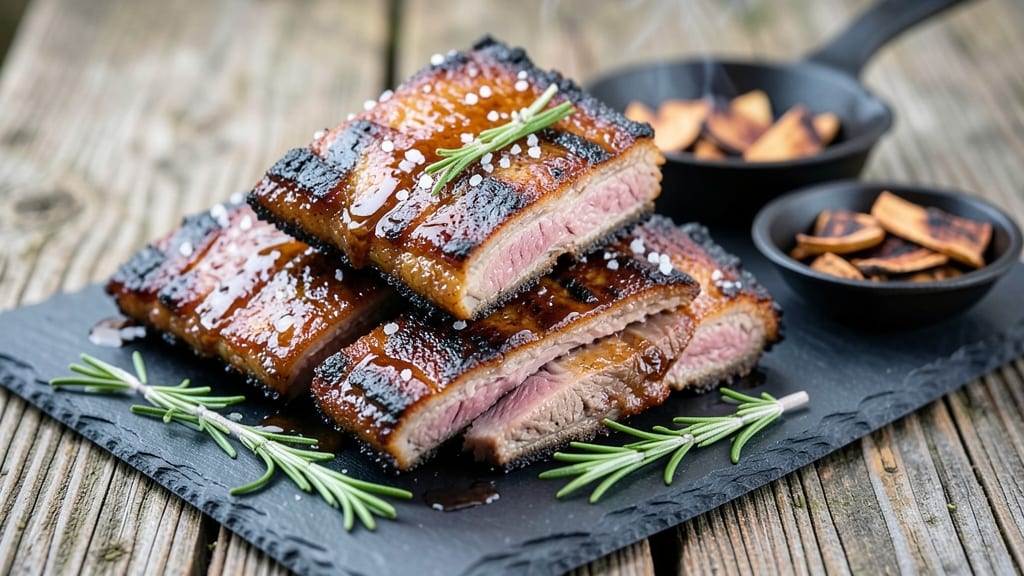
This charcoal-grilled pork ribs recipe delivers the kind of smoky, crispy bark that makes every bite worth the wait. 🔥 I spent years perfecting the balance between tender meat and that coveted caramelized crust—something that only comes from mastering direct heat and two-zone fires.
The secret lies in the 3-2-1 method, where we start with high heat, then slow-cook to lock in moisture while building that irresistible bark.
The difference between store-bought ribs and restaurant-quality starts with preparation: a dry rub that clings to the meat, a proper charcoal setup for temperature control, and patience during the cooking process.
I'll show you exactly how to create that perfect two-zone fire—one side for searing, the other for indirect heat—that transforms tough ribs into melt-in-your-mouth perfection. This isn't just about grilling; it's about understanding how smoke and heat work together to create restaurant-worthy results at home.
What you'll end up with is ribs that are fall-off-the-bone tender with a crispy, caramelized bark that's worth breaking your teeth on. The aroma alone will have everyone gathering around the grill, and the first bite delivers that perfect combination of smoky, spicy, and sweet flavors.
Serve with classic sides like tangy coleslaw and buttery cornbread to complete the meal.
Whether you're a seasoned pitmaster or a backyard griller looking to elevate your skills, this method will give you ribs that impress even the most critical crowd. The key is in the details—temperature control, smoke management, and knowing when to wrap those beauties.
Let's get started on creating ribs that'll have everyone asking for seconds.
Ingredients for charcoal grilled pork ribs
Six ingredients for the rub, plus charcoal and wood—simple but powerful for smoky ribs.
| Ingredient | Amount | Notes |
|---|---|---|
| Pork Ribs (Baby Back) 🥓 | 4 lb | Bone-in, meaty sections preferred |
| Yellow Charcoal Briquettes 🔥 | 4 lb | Kingsford or similar lump charcoal |
| Chimney Starter 🔥 | 1 whole | For quick, even lighting |
| Apple Wood Chips 🌳 | 1 package | Soaked for 30 minutes |
| Kosher Salt 🧂 | ½ cup | Diamond Crystal preferred |
| Brown Sugar 🍬 | ¼ cup | Light or dark variety |
| Smoked Paprika 🌶️ | 2 tbsp | For authentic smoky flavor |
| Ground Black Pepper 🌶️ | 1 ½ tbsp | Freshly cracked preferred |
| Garlic Powder 🧄 | 1 tbsp | Not garlic salt |
| Onion Powder 🧅 | 1 tbsp | For depth of flavor |
| Mustard Powder 🌶️ | 1 tsp | Dry yellow mustard |
| Aluminum Foil 📄 | 2 sheets | Heavy-duty, 18-inch squares |
| Butter 🧈 | ½ cup | Unsalted, melted for basting |
| Apple Cider Vinegar 🍎 | ¼ cup | For tangy balance |
| Water 💧 | ½ cup | For spray bottle |
The ribs are everything here. Baby back ribs are leaner and cook faster than spare ribs, but if you prefer the meatier cut, go for spare ribs instead. Look for meaty sections—avoid those with too much bone. Costco or local butchers often have the best quality, but any grocery store will have them. Freshness matters: ribs should have a vibrant pink color and smell slightly sweet. If they smell sour or have a grayish tint, skip them. The yellow charcoal is key—it burns hotter and cleaner than black charcoal, giving you better temperature control. Grab a chimney starter too if you don't have one; it makes lighting charcoal a breeze.
No smoked paprika? Regular paprika plus a pinch of liquid smoke works in a pinch, but the real stuff is worth it. The apple wood chips add that signature smoky flavor—soak them for 30 minutes before using. Short on brown sugar? Maple syrup or honey can substitute, but reduce to 2 tablespoons. The mustard powder is non-negotiable for that tangy kick; if you're out, swap in a teaspoon of Dijon mustard mixed with a splash of water. For the basting butter, use unsalted to control the seasoning. If you're grilling in windy conditions, keep a spray bottle of water handy to dampen the charcoal and control flare-ups.
Prep the ribs the night before: pat them dry and coat them in the rub, then refrigerate uncovered for 12-24 hours. This lets the flavors penetrate deep. Charcoal stays hot for about 2-3 hours, so plan accordingly. The ribs can be wrapped in foil and reheated in the oven for 10-15 minutes if needed, but honestly, they taste best fresh off the grill. Store leftovers in the fridge for 3-4 days or freeze for up to 3 months. I always make extra—these ribs disappear fast, and the second day is just as good.
Why You'll Love This Recipe
- No-Fuss Setup: I’ll be real—grilling with charcoal sounds intimidating, but the chimney starter does all the heavy lifting. Light it once, let it burn down to coals, and you’re ready. No fancy tools, no guesswork.
- Apple Smoke Magic: That first whiff of apple wood chips? Instantly transforms the ribs. The smoke clings to the meat like a hug, giving you a sweet, smoky depth that dry rubs or store-bought sauces can’t match.
- Tailgate to Tuesday: These ribs shine at backyard BBQs, but they’re just as happy on a lazy weeknight. Wrap leftovers in foil and reheat—still tender, still packed with flavor. (Yes, even on a Tuesday night.)
- Budget-Friendly Feast: Baby back ribs are pricier than spare ribs, but the smoky richness makes them feel like a splurge. A single bag of charcoal and wood chips stretches across multiple meals, and the salt alone keeps costs low. My wallet thanks me.
Step-by-step instructions for charcoal-grilled pork ribs
Here's how to build smoky, crispy bark using direct charcoal heat—no guesswork involved.
🔥 Step 1: Prepare the Ribs and Seasoning Mix
Start by removing the pork ribs from the refrigerator and letting them sit at room temperature for 30 minutes. This ensures even cooking. While they warm, mix the dry seasoning ingredients in a bowl: combine the 0.5 cup kosher salt, 0.25 cup brown sugar, 2 tbsp smoked paprika, 1.5 tbsp ground black pepper, 1 tbsp garlic powder, 1 tbsp onion powder, and 1 tsp mustard powder.
Once mixed, rub this seasoning all over the ribs, pressing it into the meat so it sticks. Pay special attention to the meaty sections between the bones. Here's the thing—this dry rub isn't just for flavor, it's also what creates that perfect crispy bark we're after. Let the seasoned ribs rest uncovered for 15 minutes while you set up the grill.
🔥 Step 2: Light the Charcoal and Set Up the Grill
Fill the chimney starter with the 4 lb yellow charcoal briquettes and place it on a heat-safe surface. Light the chimney starter and let the charcoal burn for 15-20 minutes until the briquettes are covered with a thick layer of white ash. This means they're ready for grilling.
While the charcoal is heating, soak the 1 package apple wood chips in 0.5 cup water for 30 minutes (if you didn't do this earlier). Once the charcoal is ready, dump the briquettes into your grill, spreading them evenly. Arrange the soaked wood chips on top of the charcoal—this will give you that authentic applewood smoke flavor. Open the grill vents slightly to maintain a steady temperature.
🍳 Step 3: Grill the Ribs Over Direct Heat
Place the seasoned ribs directly over the hot charcoal, bone-side down. Close the grill lid and cook for 45-50 minutes, maintaining a temperature of 250-275°F. Here's where the magic happens: the direct heat will create that beautiful crispy bark while the applewood smoke infuses the meat.
After 45 minutes, check the ribs by lifting one end. If the bark is dark mahogany and crispy, and the meat feels tender when you press it gently with tongs, it's ready for the next step. If not, continue cooking for another 5-10 minutes. Don't be tempted to move the ribs around—they need that direct heat to develop that perfect crust.
🥘 Step 4: Wrap and Finish the Ribs
Remove the ribs from the grill and place them on a sheet of aluminum foil. Drizzle the melted 0.5 cup butter and 0.25 cup apple cider vinegar evenly over the ribs. Fold the foil into a tight packet, sealing it completely. This step is crucial—it traps steam and helps tenderize the meat while keeping it moist.
Return the wrapped ribs to the grill and cook for another 30-40 minutes. The internal temperature should reach 203°F when you check with a meat thermometer. If the ribs aren't quite there, continue cooking for another 10 minutes. The foil wrap will also help prevent the bark from becoming too dark or burnt.
⏰ Step 5: Rest and Serve
Once the ribs reach the perfect temperature, remove them from the grill and let them rest for 10-15 minutes before serving. This resting period allows the juices to redistribute throughout the meat, ensuring each bite is tender and flavorful.
Unwrap the ribs and slice them between the bones into individual ribs. Serve them immediately with any accumulated juices from the foil packet. The result should be tender, juicy pork ribs with a beautiful crispy bark and a perfect balance of smoky, sweet, and tangy flavors. Enjoy your charcoal-grilled masterpiece!
Pro Tips For Making Charcoal Grilled Pork Ribs
- Split the Ribs First: Baby backs are easier to handle—and cook more evenly—when you separate them into individual ribs before grilling. I used to grill them whole, and they’d always end up with uneven doneness and awkward gaps between bones. A sharp knife and a little patience here save you from flipping and fussing later.
- Soak Wood Chips Cold: Toss apple wood chips in water for at least 30 minutes before grilling—no need to boil them. I learned this after my first batch smoked like a campfire instead of adding subtle sweetness. Cold soaking keeps them moist and smoky without overpowering the pork.
- Watch the Heat Zones: Start ribs over direct heat until seared, then move them to the cooler side of the grill for the rest of the cook. I used to hover over them like a nervous parent, constantly adjusting the coals, and ended up with charred edges and undercooked meat. Let the grill do the work.
- Salt Before the Grill: Generously coat ribs with kosher salt at least 4 hours ahead—or overnight if you’re feeling fancy. I skipped this once and got tough, bland ribs that tasted like they’d been neglected. Salt breaks down the meat fibers, so don’t rush it.
Perfect pairings for this dish
Smoky Side Dishes
Apple cider-glazed carrots are my go-to side—they absorb the smoky flavors beautifully. Toss 1 lb baby carrots with 2 tbsp melted butter, 1 tbsp apple cider vinegar, and a pinch of smoked paprika.
Roast at 400°F for 20 minutes until caramelized. The sweetness balances the ribs' richness perfectly. 🍎
Classic Tangy Coleslaw
Creamy coleslaw cuts through the fat and adds a refreshing crunch. I use 4 cups shredded cabbage, 1 cup shredded carrots, and a dressing of ½ cup mayo, 2 tbsp apple cider vinegar, 1 tbsp Dijon mustard, and 1 tbsp honey.
Toss with 1 tsp celery seeds for extra depth. Serve chilled to keep the crunch. 🥬
Buttery Cornbread
Warm cornbread soaks up those delicious rib juices like a dream. Use a simple mix of 1 cup cornmeal, 1 cup flour, 1 tbsp sugar, 1 tsp baking powder, and ½ cup buttermilk.
Bake at 375°F for 20 minutes in a cast-iron skillet. Brush with melted butter before serving for extra richness. 🍞
Grilled Vegetable Medley
For a lighter option, grill zucchini, bell peppers, and red onions with a sprinkle of coarse salt and olive oil. The charred flavors complement the ribs' smokiness. I like to toss them with fresh herbs like cilantro or parsley after grilling. 🔥
Sweet Potato Mash
Creamy mashed sweet potatoes add natural sweetness and heartiness. Boil 2 lbs sweet potatoes until tender, then mash with 2 tbsp butter, ¼ cup milk, and a pinch of cinnamon. The cinnamon enhances the ribs' smoky-sweet profile. Serve warm for the best texture. 🍠
Beverage Pairings
For drinks, I recommend a crisp apple cider or light lager like Peroni. The apple notes echo the wood chips, while the lager's crispness cleanses the palate. Avoid heavy beers—they'll overpower the delicate smoky flavors. A glass of iced tea with lemon works too for a non-alcoholic option. 🍺
Nutrition facts
Frequently asked questions
Why do the ribs need to rest uncovered after seasoning?
The uncovered rest allows the moisture to evaporate slightly, helping the dry rub adhere better and creating that perfect crispy bark. This step is crucial for developing flavor and texture—skipping it can result in a soggy rub or uneven seasoning. Think of it as letting the meat "breathe" before hitting the grill.
Can I use lump charcoal instead of briquettes?
Lump charcoal burns hotter and produces less ash, giving you better temperature control. For this recipe, use about 3 lb lump charcoal instead of briquettes. The key is to monitor the heat closely since lump charcoal can create hot spots. I recommend using a grill thermometer to maintain that 250-275°F range.
What if my grill doesn't have a two-zone setup?
No problem! Create a two-zone fire by piling all the charcoal on one side of the grill. For direct heat, place the ribs over the hot coals. When ready to wrap, move them to the cooler side of the grill. If your grill is too small, use a grill pan on the stovetop for indirect cooking—just keep the heat at medium-low and cover with a lid.
How do I know when the ribs are done?
The ribs are ready when they reach an internal temperature of 203°F and the meat pulls away easily from the bone. The bark should be dark mahogany and crispy. If you don't have a meat thermometer, lift a rib—it should feel tender and slightly wobbly. Pro tip: The 3-2-1 method (3 hours direct, 2 hours wrapped, 1 hour resting) is a foolproof guide for perfect timing.
Can I make these ribs in an oven?
While charcoal grilling gives the best bark, you can adapt this recipe for the oven. Preheat to 275°F, place ribs on a rack over a baking sheet, and follow the same 3-2-1 method. Use a meat thermometer to monitor temperature. For smoke flavor, add wood chips to a foil packet with a few holes punched in it and place it on the grill grate. The results won't be identical, but they'll still be delicious!