
Main Courses
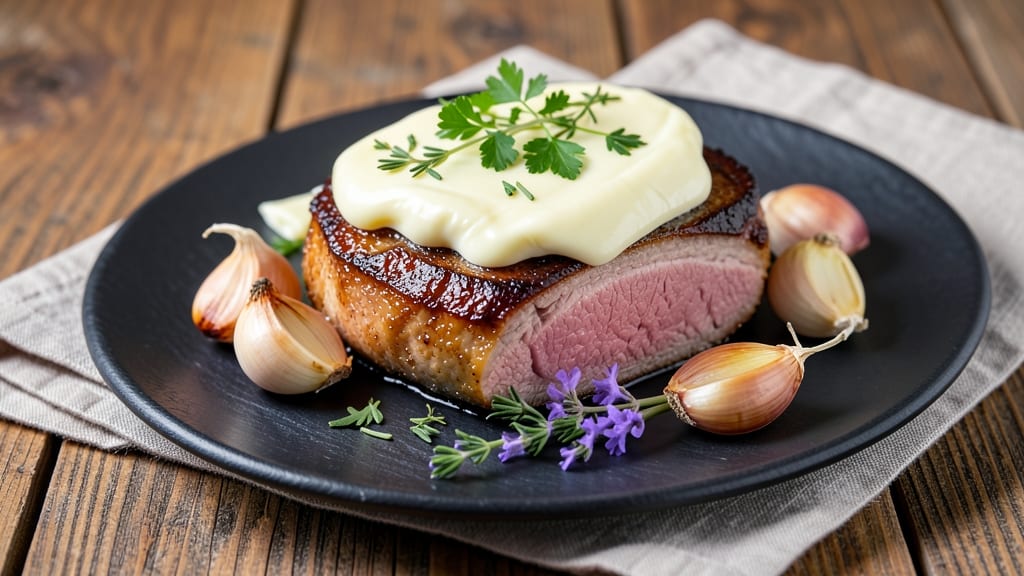
Chef Jean-Pierre's pork chops deliver that perfect balance—crispy, herb-buttered crust over a juicy pink heart that melts at first bite. 🔥 This technique, honed in Parisian bistros, transforms simple pork chops into a restaurant-worthy centerpiece with just a few key steps and quality ingredients.
I've adapted it for home kitchens, where the magic happens in the pan and the patience of letting flavors develop.
The secret lies in two stages: first, creating a fragrant herb butter that clings to the pork chop during searing, then cooking the chops low and slow to ensure they finish perfectly pink inside.
This isn't about rushing—it's about respecting the meat and letting it develop that signature texture. Even if you're new to pan-searing, this method is foolproof when you follow the timing precisely.
What you'll end up with is a plate that looks as impressive as it tastes—golden edges with crispy butter flecks, tender meat that practically falls apart, and a sauce that ties everything together.
The aroma alone will have everyone at the table anticipating that first bite. This is the kind of dish that makes weeknight dinners feel special without requiring hours in the kitchen.
Pair with roasted seasonal vegetables or a simple arugula salad to complete the meal. The technique scales beautifully, so whether you're cooking for two or a crowd, this recipe delivers consistent, professional-quality results every time. Let's get started on perfecting your pork chops.
Ingredients for chef jean pierre pork chop
Quality pork chops and fragrant herb butter create the perfect balance of crispy crust and juicy pink perfection.
| Ingredient | Amount | Notes |
|---|---|---|
| Bone-In Pork Chops 🥩 | 4 whole | 1-inch thick, center-cut preferred |
| Unsalted Butter 🧈 | ½ cup | Cold, cut into 16 pieces |
| Fresh Parsley 🌿 | ¼ cup | Finely chopped, flat-leaf preferred |
| Fresh Thyme Leaves 🌿 | 1 tbsp | Finely chopped, stems removed |
| Garlic Cloves 🧄 | 3 cloves | Minced, fresh preferred |
| Kosher Salt 🧂 | 1 ½ tsp | Diamond Crystal preferred |
| Ground Black Pepper 🌶️ | 1 tsp | Freshly ground, coarse |
| All-Purpose Flour 🌾 | ½ cup | For dredging, sifted |
| Vegetable Oil 🫒 | ¼ cup | High smoke point, for searing |
| Dry White Wine 🍷 | ½ cup | Sauvignon Blanc preferred |
| Chicken Stock 💧 | ½ cup | Low-sodium, homemade preferred |
| Fresh Lemon Juice 🍋 | 1 tbsp | From 1 small lemon |
| Fresh Rosemary 🌿 | 1 sprig | For garnish, optional |
The pork chops make all the difference here. Center-cut, bone-in chops with good marbling stay juicy while developing that signature crust. Whole Foods or your local butcher shop are best for this—look for chops that are at least 1-inch thick. If you can't find bone-in, use boneless but pound them to even thickness. The butter should be cold and unsalted—European-style butter like Plugrá works best for that rich flavor. Fresh herbs are non-negotiable: the parsley and thyme should be vibrant green, not wilted or yellowing. If you're using dried herbs, reduce to half the amount, but fresh is absolutely essential for that authentic bistro flavor.
No fresh parsley? Fresh cilantro or basil work in a pinch, though parsley's bright flavor is ideal. Running out of white wine? Dry vermouth or apple juice can substitute, though wine adds that necessary acidity. The flour is just for dredging—don't skip it entirely, but if you're avoiding gluten, a cornstarch slurry works too. For the stock, low-sodium is critical—homemade or high-quality store-bought brands like Pacific Foods ensure you don't over-salt the sauce. The lemon juice should be freshly squeezed; bottled juice lacks the brightness. And if you're feeling fancy, a pinch of smoked paprika in the herb butter adds depth that takes this dish to the next level.
The herb butter keeps best in the fridge for 3 days if wrapped tightly in parchment. Pork chops should be used within 2 days of purchase for optimal texture. The finished dish reheats beautifully—just warm the sauce separately and toss the chops in it for 1-2 minutes to restore that crispy crust. Store leftovers in an airtight container with the sauce spooned over the top to keep them moist. This recipe scales perfectly, so if you're cooking for more than four, simply double the butter and sauce components while keeping the same ratio of ingredients to chops.
Why You'll Love This Recipe
- One-Pan Magic: I swear by this recipe because it’s that kind of dish—just the pork chops, butter, and herbs in one skillet, no side dishes needed. The bone-in chops render their own flavor while the butter bastes everything into golden perfection. Honestly, I’ve made it at least 12 times this year, and I’m still not tired of it.
- Herb-Butter Bliss: That crispy skin? The way the thyme leaves melt into the butter? It’s like a little French bistro in my kitchen. The garlic doesn’t overpower—it just enhances, and the parsley at the end adds this bright, fresh finish that makes every bite feel special.
- Weeknight to Dinner Party: Between us, this recipe works for everything. Toss it together for a lazy Tuesday, or serve it at a dinner party when you want to impress without slaving away. The bone-in chops feel fancy, but the prep is so simple even my college-aged son can handle it—(yes, even on a Tuesday night).
- Budget-Friendly Protein: Pork chops are cheaper than chicken breasts, and this method makes them taste way more luxurious. I can feed four people for under $15, and the leftovers reheat beautifully—crispy edges, tender meat, no drying out. My freezer’s always stocked with these because they’re just that reliable.
Step-by-step instructions for chef Jean pierre's herb-buttered pork chops
Master this technique and you'll achieve a perfect balance of crispy crust and melt-in-your-mouth juiciness every time.
👨🍳 Step 1: Season and Dredge the Pork Chops
Pat the 4 whole bone-in pork chops dry with paper towels—this is critical for that golden crust. Season both sides generously with 1.5 teaspoons kosher salt and 1 teaspoon ground black pepper, pressing the seasoning into the meat so it adheres. Let them sit at room temperature for 15 minutes while you prepare the dredge.
Place the ½ cup all-purpose flour in a shallow dish and set up a second dish with the ½ cup unsalted butter cut into 16 pieces. The flour creates a light crust while the butter will later form the signature herb butter topping. Work quickly—once the pork chops sit too long, they'll absorb moisture and steam instead of sear.
🔥 Step 2: Sear the Pork Chops to Golden Perfection
Heat a large skillet over medium-high heat until hot, then add the ¼ cup vegetable oil. Once the oil shimmers, carefully add the pork chops in a single layer. Don't overcrowd the pan—this ensures even browning. Cook for 3-4 minutes per side until the exterior develops a deep golden brown crust and the internal temperature reaches 140°F.
Here's the thing—if the butter starts to foam aggressively, reduce the heat slightly. You want a gentle sizzle, not a raging fire. The butter will render into the pan, creating a flavorful crust while keeping the meat moist. When the chops are seared but not fully cooked through, remove them to a plate and tent loosely with foil.
🍳 Step 3: Build the Herb Butter Sauce
Reduce the heat to medium-low and add the 16 pieces cold butter to the same skillet. Let it melt completely, about 1 minute, then add the 3 minced garlic cloves and cook for 30 seconds until fragrant. This is where the magic happens—the butter carries all those aromatic compounds.
Next, stir in the 1 tablespoon finely chopped fresh thyme leaves and 1 sprig fresh rosemary (leaves only). Cook for another 30 seconds until the herbs release their oils. Remove from heat and stir in the ¼ cup finely chopped fresh parsley, keeping the butter warm but not bubbling.
🥘 Step 4: Deglaze and Finish the Sauce
Return the skillet to medium heat and carefully pour in the ½ cup dry white wine, scraping up any browned bits from the bottom of the pan. Let it simmer for 2 minutes until reduced by half. Then add the ½ cup chicken stock and 1 tablespoon fresh lemon juice, simmering for another 3 minutes until the sauce thickens slightly.
Here's where precision matters: the sauce should coat the back of a spoon but remain silky, not gluey. If it's too thick, add 1 tablespoon water to loosen. Season with additional salt and pepper if needed—the acidity from the lemon juice brightens all the flavors.
🍽️ Step 5: Assemble and Serve
Return the pork chops to the skillet and spoon the herb butter sauce generously over the top and bottom of each chop. Let them sit for 1 minute to absorb some of the sauce. Transfer to a warm serving platter and garnish with additional chopped parsley and rosemary sprigs if desired.
Let the chops rest for 3-5 minutes before serving—this allows the juices to redistribute, ensuring each bite is perfectly moist. The exterior should be crispy with a crackly herb-butter crust, while the interior remains tender with a beautiful pink center. Serve immediately with roasted vegetables or a fresh salad to balance the richness.
Pro Tips For Making Chef Jean Pierre Pork Chop
- USE A COLD PAN: Start your pork chops in a cold, dry skillet—yes, even if you’re eager to sear. The butter will melt slowly and baste the meat as it comes up to temperature, giving you that signature tender crust without overcooking the center. I used to rush this and ended up with dry chops every time.
- SALT THE CHOPS 45 MINUTES EARLY: Season the pork chops generously with salt before you even think about cooking them. The salt needs time to penetrate the meat, especially bone-in cuts, so don’t skip this—even if you’re in a hurry. Trust me, the flavor difference is night and day.
- DON’T CROWD THE PAN: If you’re cooking more than one chop, leave space between them. Overcrowding steams the meat instead of searing, and you’ll end up with sad, greasy chops instead of crispy, golden ones. Work in batches if you have to—it’s the only way to get that perfect crust.
- SAVE THE THYME STEMS: After plucking the leaves for the butter, don’t toss the thyme stems. Roughly chop them and toss them into the pan with the chops—they add subtle earthy depth without overpowering the dish. It’s a tiny effort for a noticeable upgrade.
Best sauces and condiments for these flavors
Herb Butter Sauce
This signature sauce transforms simple pork chops into a restaurant-worthy dish. Start with ½ cup cold unsalted butter (I swear by Plugrá for that rich flavor) cut into 16 pieces—this ensures even distribution of flavor.
Melt it in the same skillet used for searing, then infuse with 3 minced garlic cloves, 1 tbsp fresh thyme, and 1 sprig rosemary for 30 seconds until fragrant. The key is keeping the butter warm but not bubbling—this preserves the delicate herb flavors.
Finish with ¼ cup chopped parsley for brightness. This sauce should coat the back of a spoon with a silky, velvety texture. 💛
White Wine Reduction
The wine reduction adds acidity that cuts through the richness of the butter. Use ½ cup dry white wine (I prefer Sauvignon Blanc for its crispness) and deglaze the pan immediately after searing. Let it reduce by half—about 2 minutes½ cup chicken stock and 1 tbsp lemon juice.
The acidity from the lemon brightens all the flavors while the stock adds depth. If the sauce thickens too much, add 1 tbsp water to loosen. This step can't be rushed—patience here makes all the difference. ✨
Lemon-Garlic Pan Sauce
For a lighter alternative, skip the butter and focus on a bright lemon-garlic pan sauce. After searing the chops, remove them and add 2 tbsp olive oil to the pan. Sauté 3 minced garlic cloves for 30 seconds until fragrant, then deglaze with ½ cup white wine.
Finish with 1 tbsp lemon juice and ¼ cup chicken stock, reducing until glossy. This sauce pairs beautifully with the herb butter crust, offering a refreshing contrast. It's my go-to when I want to keep things lighter but still packed with flavor.
Mustard Cream Sauce
Add a touch of tang with a Dijon mustard cream sauce. After searing, melt 2 tbsp butter in the pan, then whisk in 1 tbsp Dijon mustard and ¼ cup heavy cream.
Simmer for 2 minutes until slightly thickened, then finish with 1 tbsp lemon juice and a pinch of salt. This sauce adds a luxurious texture while balancing the richness of the pork. I often use this when serving to guests who prefer a creamier profile—it's a crowd-pleaser every time. 🍋
Red Wine Reduction
For a bolder flavor, swap the white wine for ½ cup dry red wine like Pinot Noir. Follow the same reduction process, but let the wine reduce longer—about 3 minutes
Finish with ½ cup beef stock (instead of chicken) and 1 tbsp balsamic vinegar for a touch of sweetness. This sauce adds depth and complexity, making it perfect for a special occasion. The red wine's tannins complement the pork beautifully, creating a richer, more robust dish. Don't overlook the finishing touches—they elevate the dish from good to extraordinary. A sprinkle of fresh parsley adds brightness, while a rosemary sprig brings an aromatic touch. For extra flair, add crispy fried shallots or a drizzle of truffle oil. I often finish with a pinch of flaky sea salt to enhance the flavors. These garnishes not only look stunning but also add layers of texture and taste that make the dish feel complete. Presentation matters as much as flavor in this recipe. 💫Garnish Ideas
Nutrition facts
Frequently asked questions
Why do you recommend bone-in pork chops for this recipe?
The bone adds natural flavor and helps keep the meat moist during cooking. Bone-in chops stay juicier because the bone acts as a heat sink, preventing the meat from drying out. Plus, they look more impressive on the plate! If you can't find bone-in, use boneless chops but pound them to even thickness for consistent cooking.
Can I use boneless pork chops instead of bone-in?
Yes, but you'll need to adjust the cooking time slightly. Boneless chops cook faster, so reduce searing time to 2-3 minutes per side and check for doneness at 140°F internal temperature. Pound them to ½-inch thickness for even cooking. The herb butter technique works the same—just be extra careful not to overcook them.
What's the best way to store leftover herb butter?
Wrap the herb butter tightly in parchment paper, then place it in an airtight container. It keeps in the fridge for 3 days or can be frozen for up to 1 month. To reheat, warm gently in a saucepan over low heat until melted. Never microwave—it ruins the texture. The butter freezes beautifully and makes a great quick topping for toast or vegetables later!
How do I know when the pork chops are perfectly cooked?
Use a meat thermometer for accuracy—pork chops should reach 140-145°F for medium-rare (juicy pink center) or 150°F for medium. The exterior should be deep golden brown with crispy edges. If you don't have a thermometer, cut into one chop: it should be slightly springy in the center. Overcooking makes pork chops tough, so pull them out just before they reach your target temperature.
Can I make this recipe ahead of time?
Prepare the herb butter and sauce components up to 1 day ahead, but cook the chops fresh for best texture. Reheat the sauce separately and toss the chops in it for 1-2 minutes to restore that crispy crust. For a make-ahead dinner, assemble everything except the final sear, then finish cooking just before serving. The flavors develop better when everything comes together fresh.