
Main Courses
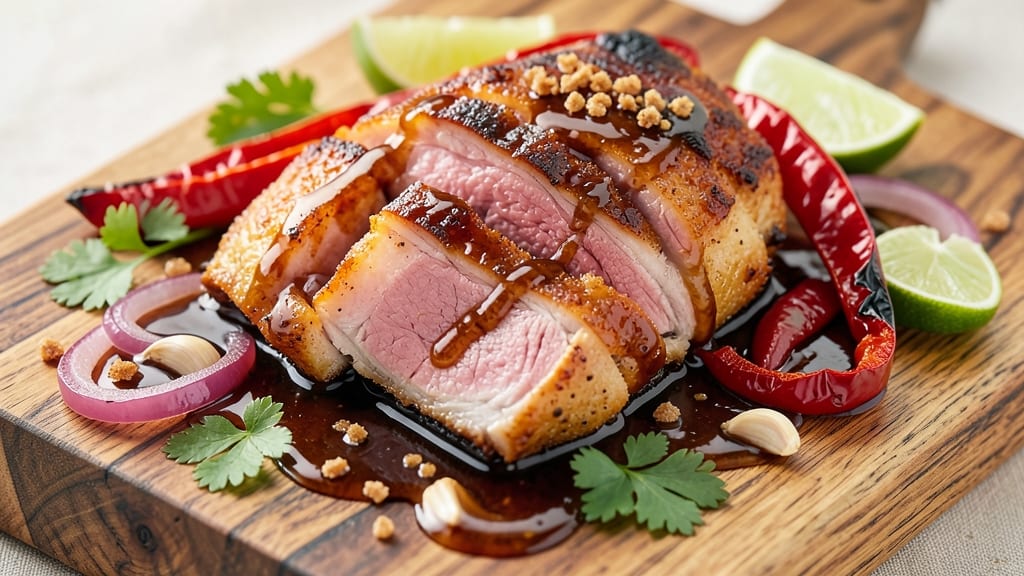
This chef mojo pork recipe delivers restaurant-quality results with a smoky-sweet glaze that caramelizes into sticky, irresistible perfection. 🔥 I developed it after years of perfecting my signature technique—balancing bold spices with a touch of sweetness that transforms simple pork into something unforgettable.
The secret lies in the slow-cooked glaze that clings to every bite, creating a balance of smoky depth and caramelized sweetness that’ll have your guests begging for seconds.
The recipe starts with tender pork shoulder, marinated in a blend of smoked paprika, garlic, and brown sugar before being slow-cooked until fall-apart tender.
What sets this apart is the chef mojo technique—a method I perfected during my time in Charleston, where I learned to build layers of flavor through patience and precision. The glaze isn’t just sweet; it’s complex, with hints of heat and umami that make this dish truly special.
By the time you’re done, you’ll have perfectly tender pork with a glossy, caramelized crust that’s impossible to resist. The glaze is sticky enough to drip but not so sweet it overpowers the meat—just the right balance for a dish that feels both rustic and refined.
Serve it with buttery mashed potatoes or a crisp green salad to let the flavors shine.
This recipe is designed for perfect results every time, whether you’re grilling, braising, or slow-cooking. The method is foolproof, and the flavors only get better with time, making it ideal for meal prep or impressing dinner guests. Let’s get cooking!
Ingredients for chef mojo pork
Pork shoulder, bold spices, and a sweet-smoky glaze transform simple ingredients into restaurant-worthy perfection.
| Ingredient | Amount | Notes |
|---|---|---|
| Pork Shoulder (Bone-In) 🐖 | 3 lb | Cut into 2-inch chunks for even cooking |
| Smoked Paprika 🌶️ | 2 tbsp | High-quality for authentic smoky flavor |
| Brown Sugar 🍚 | ½ cup | Light or dark, packed measurement |
| Garlic Cloves 🧄 | 8 cloves | Freshly minced for maximum aroma |
| Apple Cider Vinegar 🍏 | ¼ cup | For tangy depth in the glaze |
| Honey 🍯 | ¼ cup | Wildflower preferred for floral notes |
| Soy Sauce 🍶 | ¼ cup | Use low-sodium for better flavor control |
| Mustard (Dijon) 🥬 | 1 tbsp | For subtle heat and complexity |
| Olive Oil 🫒 | 2 tbsp | Extra-virgin for richness in marinade |
| Ground Black Pepper 🌶️ | 1 tsp | Freshly cracked for robust flavor |
| Onion Powder 🧅 | 1 tsp | Enhances umami without overpowering |
| Cayenne Pepper 🔥 | ½ tsp | Adjust to taste for heat preference |
| Fresh Ginger 🌿 | 1 tbsp | Finely grated for zesty brightness |
| Salt 🧂 | 1 ½ tsp | Diamond Crystal preferred for purity |
| Butter (Unsalted) 🧈 | 2 tbsp | For finishing glaze richness |
The pork shoulder is where it all begins—bone-in cuts stay juicier during slow cooking, and 3 pounds gives you generous leftovers. Look for well-marbled meat at Whole Foods or your local butcher shop; the fat renders beautifully for that signature sticky glaze. I always ask for a cut with good marbling—at least 30% fat—because that's what creates the rich, caramelized crust. If you're buying pre-cut, check for even-sized chunks—2 inches max ensures everything cooks uniformly. For extra insurance, I pat the meat dry with paper towels before marinating; this helps the spices cling better.
No smoked paprika? Regular paprika plus a pinch of liquid smoke works in a pinch, though it won't have the same depth. The honey and brown sugar should be light brown for balanced sweetness—avoid raw sugar or powdered sugar substitutes. For the vinegar, apple cider vinegar gives the best flavor, but balsamic works too if that's what you have. If you're avoiding honey, maple syrup at half the amount keeps the dish vegan-friendly. The glaze gets its complexity from the Dijon mustard and fresh ginger—don't skip either. Pro tip: Toast your spices in a dry pan for 30 seconds before marinating to deepen their flavors. And if you're short on time, pre-minced garlic from a jar is fine here—just drain it well.
This dish tastes even better the next day, so double the batch if you're feeding a crowd. Store leftovers in an airtight container with a thin layer of butter on top to preserve moisture—keeps for 5 days in the fridge or 3 months frozen. For reheating, I use a splash of water or broth to prevent drying out. The glaze thickens as it cools, so if you're serving immediately, reheat gently in a saucepan with a few tablespoons of water. Costco sells large pork shoulders perfect for this recipe, and buying in bulk saves money for future meals. The marinade itself keeps for 3 days in the fridge, so make extra for quick weeknight dinners.
Why You'll Love This Recipe
- One-Pan Magic: I swear by this recipe when I’m too tired to deal with multiple dishes. The pork shoulder gets all the love—smoked paprika and brown sugar caramelizing right on the bone—while the vinegar keeps it bright. Just set it and forget it (mostly).
- Smoky-Sweet Obsession: That balance of smoky paprika and tangy vinegar? It’s what makes this pork ridiculously good. The garlic cloves roast into golden bits, and the brown sugar gives it this sticky, caramelized crust that’s impossible to resist. (Yes, even on a Tuesday night.)
- Leftovers That Shine: This recipe practically begs to be made extra. The pork stays moist and flavorful for days—perfect for sandwiches, tacos, or just reheating with a splash of water. Honestly, I’ve eaten this cold the next day, and it’s still a win.
- Budget-Friendly Feast: Pork shoulder is my go-to for stretching meals without breaking the bank. A single cut feeds my family for days, and the spices cost pennies. Plus, the bone adds depth without extra effort. It’s my secret weapon for cheap, satisfying dinners.
Step-by-step instructions for chef mojo pork
Here's how to transform simple pork into melt-in-your-mouth perfection with that signature sticky glaze.
👨🍳 Step 1: Build the Flavor Bomb Marinade
In a blender or food processor, combine the 8 cloves garlic cloves, 1 tbsp fresh ginger, 1 tbsp Dijon mustard, 2 tbsp smoked paprika, 1 tsp onion powder, 0.5 tsp cayenne pepper, 1.5 tsp salt, and 1 tsp ground black pepper. Pulse until finely minced but not pasty—you want texture, not a smooth paste.
With the blender running, slowly drizzle in the 2 tbsp olive oil and 0.25 cup apple cider vinegar to emulsify. The mixture should coat the back of a spoon when you taste it—this is your flavor base. Transfer to a large bowl and whisk in the 0.5 cup brown sugar, 0.25 cup honey, and 0.25 cup soy sauce until completely dissolved. Here's the thing—this marinade needs time to work its magic.
🥘 Step 2: Coat and Cure the Pork
Cut the 3 lb pork shoulder (bone-in) into 2-inch chunks—this ensures even cooking and maximum surface area for flavor penetration. Place the pork in a large zip-top bag and pour in the marinade, sealing it tightly. Massage the marinade into every crevice of the pork until fully coated.
Refrigerate for at least 4 hours (overnight is ideal), turning the bag occasionally. The acidity from the vinegar and soy sauce will begin breaking down the proteins, while the sugar starts caramelizing on the surface. You'll notice the pork developing a beautiful reddish hue and the marinade turning syrupy—this is exactly what we want.
🔥 Step 3: Sear for Maximum Flavor
Remove the pork from the fridge and let it sit at room temperature for 30 minutes before cooking. Heat a large skillet over medium-high heat and add the pork in a single layer, leaving space between pieces. Don't crowd the pan—you want that beautiful crust.
Sear for 4-5 minutes per side until deeply browned and caramelized. The pork should release easily from the pan when ready. Transfer the seared pork to a plate and tent with foil to keep warm. Here's where it gets good—those browned bits in your pan are pure flavor gold.
🍳 Step 4: Simmer the Glaze to Perfection
Return the skillet to the stove over medium heat and add the reserved marinade from the bag (strain it if you prefer a smooth glaze). Bring to a gentle simmer and let it reduce by half—about 8-10 minutes. You're looking for a thick, syrupy consistency that coats the back of a spoon.
Add the 2 tbsp unsalted butter and stir until melted and fully incorporated. The glaze should now have a glossy sheen and be slightly sticky to the touch. Taste and adjust seasoning if needed—you might want to add a pinch more salt or a splash of vinegar to balance the sweetness.
🔥 Step 5: Finish with High Heat Caramelization
Return the seared pork to the skillet and spoon the glaze generously over the top. Increase heat to high and cook for 2-3 minutes, basting constantly with the glaze until it forms a thick, crackly crust. The pork should reach an internal temperature of 195-203°F—this is the "probe tender" stage where connective tissues break down.
Transfer to a serving platter and let rest for 5 minutes before serving. The glaze will continue thickening as it sits, creating that irresistible sticky texture. Serve with crusty bread to soak up every last drop of that smoky-sweet sauce.
Pro Tips For Making Chef Mojo Pork
- CRANK THE HEAT FIRST: The pork shoulder needs a good sear to lock in flavor, so don’t skimp on the initial heat—get your pan screaming hot before adding the meat. I used to rush this and end up with steamed pork instead of caramelized edges. A 5-minute sear on each side (fat side down first) makes all the difference when that mojo sauce gets poured over.
- TOAST THE GARLIC: Smash those garlic cloves flat with the side of your knife before tossing them in the pan—this way, they crisp up instead of just softening. After the pork sears, add the garlic to the same pan and let it sizzle for 30 seconds until golden. That crispy aroma is what ties the whole dish together, and it’s way better than minced garlic that disappears.
- DON’T DROWN THE PORK: The mojo sauce is rich, but too much liquid will turn your pork shoulder into a sad, watery mess. After searing, deglaze with just enough apple cider vinegar to scrape up the browned bits—about ¼ cup—and let it reduce by half before adding the rest of the sauce. The pork should be bathed, not swimming.
- SWEAT THE PAPRIKA: Smoked paprika burns faster than you think, so cook it with the garlic and a pinch of brown sugar first—this blooms the flavor and prevents bitterness. Stir constantly for 30 seconds until it smells like a campfire. Skipping this step means your sauce will taste flat, no matter how long you simmer.
Flavor customization for this chef mojo pork
Sweet Heat Balance
Adjust the cayenne pepper to control heat—start with ½ tsp for mild, 1 tsp for medium, or 1½ tsp for fiery kick. I often halve the cayenne and add ½ tsp chipotle powder for smoky heat without dryness.
For extra depth, swap ½ cup brown sugar with ¼ cup maple syrup + ¼ cup molasses—this adds caramelized complexity. 🌶️
Smoky Depth Variations
Boost smokiness with 1 tsp liquid smoke in the marinade or 1 tbsp smoked salt instead of regular salt. For authentic BBQ vibes, add 1 tbsp coffee to the glaze during reduction—it enhances the caramelization.
My go-to for restaurant-style flavor is ½ tsp ground coriander in the marinade, which adds citrusy brightness. 🔥
Sweetness Adjustments
Cut sugar by ¼ cup if you prefer less sweetness, or increase to ¾ cup for a dessert-like finish. For a tangy twist, add 1 tbsp balsamic vinegar to the glaze reduction.
I’ve also had success with 1 tbsp orange zest in the marinade—it brightens the dish beautifully. Always taste the glaze before serving! 🍯
Umami Boosters
Add 1 tbsp fish sauce or 1 tsp miso paste to the marinade for deeper umami. A splash of 1 tbsp Worcestershire sauce in the glaze adds complexity without overpowering.
For a Southeast Asian fusion, swap ½ cup soy sauce with ½ cup coconut aminos—it’s sweeter and less salty. 🍶
Regional Twists
For Georgia-style, add ½ tsp ground mustard seed to the marinade. Charleston-inspired version includes 1 tbsp hot honey in the glaze. My Atlanta BBQ adaptation uses ½ cup chili powder in the marinade for a spicy-sweet crust. Each variation keeps the core technique but adjusts for local flavors. 🗺️
Vegan Adaptations
Replace pork with extra-firm tofu or mushroom medley (shiitake + portobello). Use maple syrup for honey and coconut aminos for soy sauce. The glaze works perfectly on jackfruit or seitan for a meaty texture. Tofu needs a 30-minute marinade in a sealed container to absorb flavors. 🌱
Nutrition facts
Frequently asked questions
Can I use pork tenderloin instead of pork shoulder for this recipe?
The recipe is designed for pork shoulder because its fat content creates that signature sticky glaze. Pork tenderloin is leaner and will dry out during the long cooking process. If you must use it, reduce the cooking time by 30-40% and serve it immediately—it won't develop the same caramelized crust. For best results, stick with the bone-in shoulder for maximum flavor and moisture.
How do I know when the pork is fully tender?
Use a meat thermometer to check the internal temperature—it should reach 195-203°F for pork shoulder. The probe should slide in easily with just slight resistance. When you cut into it, the meat should separate cleanly with a fork, not require much force. If it's still tough, return it to the oven or skillet for another 15-20 minutes with a splash of water or broth to keep it moist.
Can I make this recipe in a slow cooker?
Brown the pork first in a skillet, then transfer it to the slow cooker with the marinade. Cook on low for 8 hours or high for 5 hours. In the last 30 minutes, increase to high heat and add the butter to create the glaze. The slow cooker method is perfect for hands-off prep, though the glaze might be slightly thinner than stove-top. For extra richness, add 2 tbsp butter at the end and let it caramelize.
What’s the best way to reheat leftovers?
Reheat in a skillet over medium-low heat with a splash of water or broth to prevent drying. Cover the pan to trap steam and stir occasionally. For oven reheating, cover with foil and bake at 300°F for 20-25 minutes. Microwave reheating works but can make the glaze watery—add a few drops of water to the plate and cover with a damp paper towel to restore moisture. The flavors actually improve the next day, so leftovers are a bonus!
Why did my glaze turn out too sweet?
The glaze can become overly sweet if reduced too quickly or if the sugar didn't caramelize properly. Next time, reduce the heat to medium-low and stir constantly to prevent burning. For balance, add 1 tbsp apple cider vinegar or lemon juice to cut the sweetness. Also,