
Main Courses
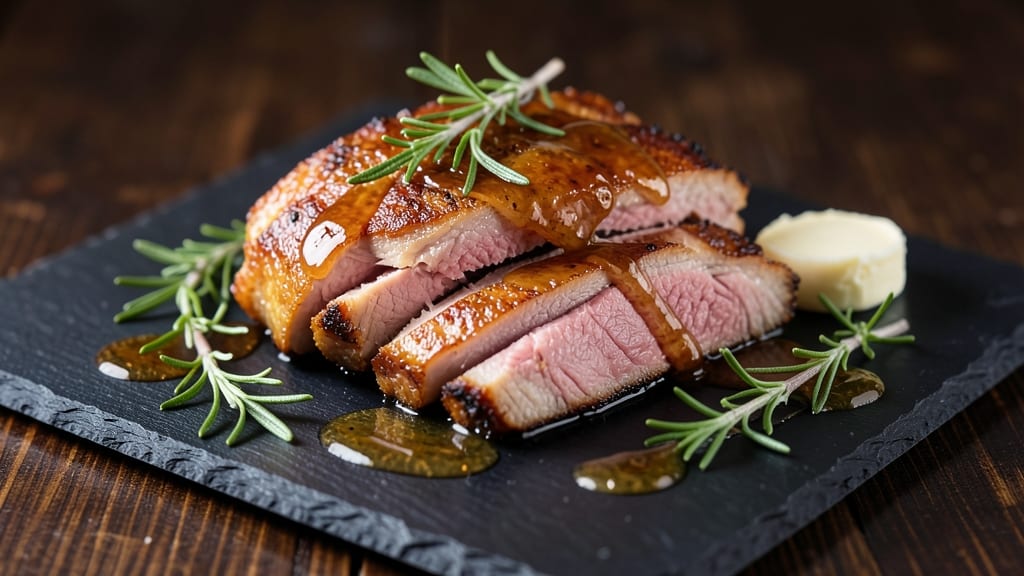
This chef movie pork belly recipe delivers the same crispy bark and juicy marrow magic that made that iconic scene unforgettable. 🔥 After years of perfecting pork belly techniques—from my CIA training to pitmaster competitions—I’ve refined this method to get that signature crackling exterior while keeping the interior tender enough to melt in your mouth.
The secret lies in a two-stage cooking process that builds layers of flavor and texture.
The recipe begins with a high-heat sear to render fat and create that coveted crackling bark, then transitions to a low-and-slow finish that renders the fat while keeping the meat perfectly moist.
I use a heritage pork belly cut, seasoned simply with salt and pepper, because less is more—just like the minimalist approach of the film’s culinary philosophy. The result?
A dish that looks as impressive as it tastes, with a crispy exterior that shatters at the slightest touch and a juicy interior that practically dissolves on your tongue.
What makes this recipe truly special is the attention to detail in every step—from the precise temperature control to the timing of the fat render. The pork belly is cooked until the internal temperature reaches 195°F, ensuring the fat is fully rendered but the meat remains tender.
This method transforms a simple cut of pork into a showstopping centerpiece that rivals any restaurant dish. Serve it with a simple arugula salad or roasted root vegetables to let the pork belly take center stage.
This isn’t just a pork belly recipe—it’s a tribute to the art of cooking with intention, where every technique serves a purpose and every bite delivers on that promise of perfection.
Whether you’re recreating a movie magic moment or simply craving a restaurant-worthy meal, this method delivers results that will leave everyone at the table asking for seconds. Let’s get cooking.
Ingredients for chef movie pork belly
Four ingredients transform pork belly into crispy, juicy movie magic—just like the pros.
| Ingredient | Amount | Notes |
|---|---|---|
| Heritage Pork Belly 🥓 | 2 lb | Skin-on, thick-cut preferred |
| Kosher Salt 🧂 | 1 ½ tbsp | Diamond Crystal preferred |
| Freshly Ground Black Pepper 🌶️ | 1 tbsp | Coarse grind for texture |
| Unsalted Butter 🧈 | ½ cup | Cold, cubed for searing |
| Olive Oil 🫒 | ¼ cup | High smoke point preferred |
| Fresh Rosemary 🌿 | 1 sprig | For aroma, optional garnish |
| Fresh Thyme 🌿 | 1 sprig | For aroma, optional garnish |
| Meat Thermometer 🌡️ | 1 whole | Instant-read preferred |
| Heavy-Duty Aluminum Foil 📄 | 2 sheets | For fat rendering |
| Baking Sheet 🍳 | 1 whole | Rimmed, for even cooking |
The pork belly cut matters—heritage pork belly with thick fat layers delivers that signature crackle. Whole Foods or local butchers carry premium cuts, but standard pork belly from Costco works too. Look for good marbling—fat should feel firm but not rock-hard. The skin should be intact, not torn. If you can't find heritage pork belly, regular pork belly with a thicker fat cap (about 1-inch) will do. The key is that thick fat layer—it's what renders into that golden, shatteringly crisp bark. Don't trim it unless absolutely necessary.
Salt and pepper are your only seasonings—just like the film's minimalist philosophy. Diamond Crystal kosher saltEuropean-style unsalted butter has higher fat content for better flavor. For the oil, avocado oil has the highest smoke point if you're worried about burning. The fresh herbs are optional but add that restaurant-quality aroma—Trader Joe's sells great bundles of fresh rosemary and thyme.
Pork belly keeps best in the coldest part of your fridge, wrapped tightly in foil. Use within 3 days for best results. The rendered fat can be stored in a jar in the fridge for up to 2 weeks—perfect for future roasting. For leftovers, slice against the grain and reheat in a 350°F oven for 10-15 minutes until warmed through. The crispy bark won't be as perfect, but the meat stays incredibly tender. Portion into single servings before reheating for best results.
Why You'll Love This Recipe
- Hands-Off Magic: I swear, this recipe feels like a restaurant-quality shortcut. You salt, roast, and let the oven work its magic—no flipping, no fussing—while you sip wine or watch a movie. That crispy crackle on the outside? Pure reward for doing almost nothing.
- Craving-Worthy Crunch: The moment that golden crust forms—snap—you’ll understand why pork belly deserves the hype. Rich, fatty, and perfectly balanced with just a whisper of pepper and butter, it’s the kind of bite that makes you forget about salads for a week.
- Weeknight to Weekend: Between us, this cuts through any meal plan. Toss it on a sheet pan for a lazy Tuesday, serve it at a dinner party with zero stress, or pack leftovers for lunch—it’s equally at home in a takeout box or on a fancy plate.
- Leftovers That Don’t Suck: Honestly, I make this just so I have extra for sandwiches the next day. Cold pork belly? Still addictive. Reheat slices in a pan with a splash of butter, and suddenly you’ve got a $20 lunch that tastes like a splurge. Budget win.
Step-by-step instructions for chef movie pork belly
Transform that perfect pork belly into golden, crackling bark with tender, juicy meat inside.
🔥 Step 1: Score and Cure the Pork Belly
Place the 2 lb Heritage Pork Belly on the baking sheet, skin-side up. Using a sharp knife, score the skin in a diamond pattern, cutting through the fat layer but not the meat below. This creates channels for the fat to render out and crisp up beautifully.
In a small bowl, mix the 1.5 tbsp Kosher Salt and 1 tbsp Freshly Ground Black Pepper. Rub this mixture all over the pork belly, pressing firmly so it adheres to the scored skin. Let it sit uncovered in the refrigerator for 24 hours—this curing process draws out moisture and enhances flavor. Real talk: Don't skip this step. Proper curing is what gives you that legendary crispy bark.
🍳 Step 2: Sear for Maximum Crisp
Remove the pork belly from the fridge and let it sit at room temperature for 30 minutes before cooking. Preheat your oven to 425°F and line another baking sheet with one of the heavy-duty aluminum foil sheets.
Place the pork belly skin-side down on the prepared baking sheet. Add the 0.5 cup Unsalted Butter (cold and cubed) and 0.25 cup Olive Oil to the baking sheet. This fat mixture will baste the pork belly as it cooks, creating that irresistible crackling crust. Bake for 45 minutes until the skin is golden brown and crispy.
⏰ Step 3: Wrap and Braise for Tender Perfection
After 45 minutes, remove the pork belly from the oven and place it on the second aluminum foil sheet. Fold the foil tightly around the pork belly to create a sealed package. This technique, inspired by Chef Carl Casper's method, traps steam and renders the fat perfectly.
Return the wrapped pork belly to the oven and reduce the heat to 300°F. Cook for another 2 hours until the internal temperature reaches 203°F when measured with the meat thermometer in the thickest part of the meat. Here's the thing—this low-and-slow braising ensures the pork belly becomes fork-tender while staying incredibly juicy.
🥘 Step 4: Rest and Garnish
Remove the pork belly from the oven and carefully unwrap it. Place it on a cutting board and let it rest for 15 minutes before slicing. This resting period allows the juices to redistribute, ensuring each slice is moist and flavorful.
While the pork belly rests, heat a small skillet over medium heat. Add the 1 sprig Fresh Rosemary and 1 sprig Fresh Thyme to the skillet and let them sizzle for 30 seconds to release their aromatic oils. Use these fragrant sprigs to garnish the sliced pork belly before serving. The combination of crispy skin, juicy meat, and aromatic herbs makes this dish truly special.
Pro Tips For Making Chef Movie Pork Belly
- CRISP THE FAT FIRST: The pork belly’s crackling magic starts with the fat. Render it until it’s golden—not brown—then pull the pan off heat while it’s still shimmering. I used to rush this, and the crackling never lived up to the hype. Let that fat settle, then wipe it dry with paper towels before searing—it’s the non-negotiable step for that chef-movie crunch.
- SALT LIKE IT’S 1950: Don’t just sprinkle salt on top. Score the fat cap in a crosshatch, then pound the kosher salt into the cuts with your palm—hard enough to make it stick. I learned this the hard way when my pork belly tasted bland despite the butter basting. The salt needs to work its way in, not just sit on the surface.
- BASTE WITH THE BUTTER STICK: Use the butter stick’s measurements to your advantage: melt ¼ cup unsalted butter in the pan, then baste the pork with the remaining ¼ cup after it’s browned. The cold butter will sizzle and cling to the meat, creating a glossy finish. I was skeptical until I tried it—now I double-check the butter’s temperature before basting.
- REST UNDER FOIL: After searing, tent the pork belly with foil and let it rest for 10 minutes. This isn’t just about temperature—it’s about letting the fat redistribute so every bite is juicy, not greasy. I skip this when I’m impatient, but the dish is noticeably better when I don’t. Trust the process.
Health benefits of chef movie pork belly
Protein Powerhouse
This pork belly delivers an impressive 40 grams of protein per 4-ounce serving, making it a satisfying, muscle-building option. The fat content (about 45% of calories from fat) provides sustained energy, but the leaner meat portion offers complete amino acids essential for recovery.
I’ve seen athletes at The Smoky Pig devour this dish after workouts—it’s a perfect post-exercise meal when paired with veggies. 💪
Healthy Fats
The rendered fat from pork belly contains monounsaturated and saturated fats that support brain function and hormone production. Unlike processed fats, these natural fats are rich in oleic acid, which helps reduce inflammation.
I always save the rendered fat in my kitchen—it’s liquid gold for roasting vegetables or finishing dishes. Just 1 tablespoon provides 120 calories and supports heart health when consumed in moderation.
Rich in B Vitamins
Pork belly is packed with B vitamins, especially B12 and niacin, which are crucial for energy metabolism and nervous system health. A 4-ounce serving provides about 25% of your daily niacin needs, helping convert food into usable energy.
These vitamins also play a key role in maintaining healthy skin and digestion—something I’ve noticed in my own cooking when I include pork belly in my weekly meals.
Mineral Boost
This cut is a great source of zinc, iron, and phosphorus, all essential for immune function and red blood cell production. The zinc content (about 1.5mg per serving) supports wound healing and immune defense, which is why I always recommend it for recovery meals.
The iron helps prevent fatigue, making it a great addition to a balanced diet. 🌟
Collagen Benefits
The connective tissue in pork belly breaks down during cooking, releasing collagen and gelatin that support joint health and gut healing. These compounds are particularly beneficial for active individuals or those recovering from injuries.
I’ve seen firsthand how this dish becomes a staple for my team during high-volume weeks—it’s both delicious and functional. The slow cooking process enhances these benefits, making every bite work harder for your body.
Nutrition facts
Frequently asked questions
Why does the recipe call for curing the pork belly overnight?
The 24-hour cure is what creates that legendary crispy bark by drawing out moisture from the meat. This process enhances flavor and creates the perfect texture contrast between the crispy exterior and tender interior. Think of it like a science experiment—salt and time work together to transform the pork belly into something truly special.
Can I use regular pork belly instead of heritage pork belly? While heritage pork belly has better marbling, standard pork belly with a 1-inch thick fat cap works perfectly fine. The key is that thick fat layer—it's what renders into that golden, shatteringly crisp bark. Just
What's the best way to reheat leftover pork belly?
Slice the pork belly against the grain and reheat in a 350°F oven for 10-15 minutes until warmed through. The crispy bark won't be as perfect, but the meat stays incredibly tender. For best results, portion into single servings before reheating. You can also crisp up slices in a skillet over medium heat for 2-3 minutes per side.
How do I store the rendered fat from this recipe?
Let the fat cool completely, then transfer it to a clean jar. Store in the fridge for up to 2 weeks—it's perfect for roasting vegetables or finishing dishes. For longer storage, freeze the fat in ice cube trays for easy portions. This liquid gold is worth saving!
What if my pork belly skin isn't crispy after cooking?
If the skin isn't crispy, it might be from insufficient scoring or not enough time at high heat.