
Main Courses
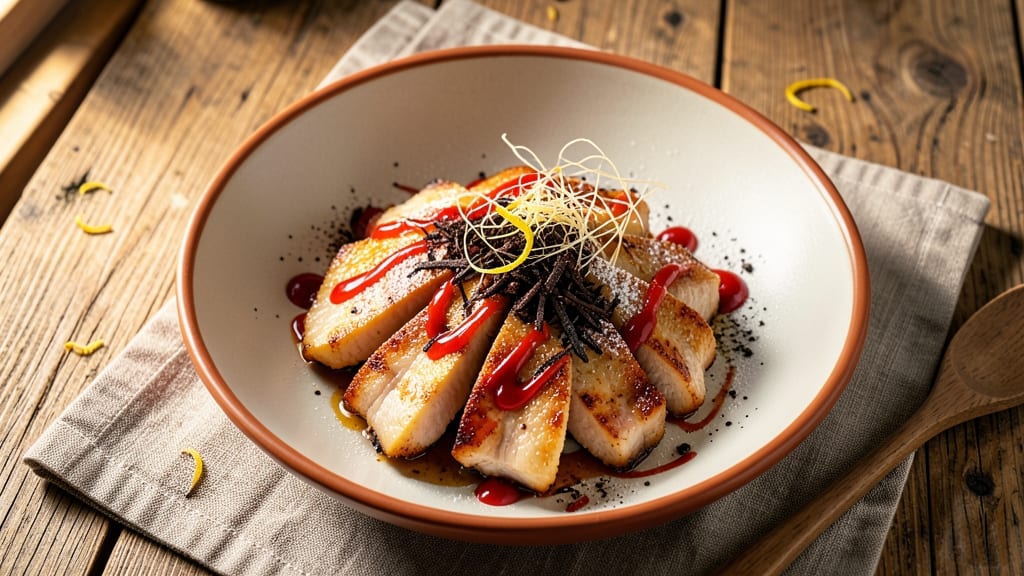
This Chinese boneless pork recipe delivers restaurant-quality results with a fragrant five-spice crust and impossibly tender meat. After years of perfecting the velveting technique, I've developed a method that ensures crisp edges and melt-in-your-mouth centers every time.
The secret lies in marinating the pork with a blend of five-spice powder, soy sauce, and cornstarch before cooking.
The recipe begins with a quick velveting process that transforms tough pork into silky perfection, then finishes with a crisp five-spice crust that adds texture and aroma. This technique works equally well for stir-frying or braising, giving you flexibility for different meal plans.
The pork pairs beautifully with steamed jasmine rice and stir-fried bok choy, creating a complete Chinese meal.
What sets this recipe apart is the balance of flavors and textures—crispy exterior, tender interior, and aromatic spices that linger on the palate. The five-spice blend adds warmth and complexity, while the velveting process ensures the pork remains juicy.
This dish is perfect for family dinners or special occasions when you want to impress without spending hours in the kitchen.
Once you try this method, you'll never go back to plain pork chops. The technique is surprisingly simple once mastered, and the results are worth every minute. Let's get started on creating your own restaurant-quality Chinese boneless pork at home.
Ingredients for chinese boneless pork
Restaurant-quality Chinese pork starts with these carefully balanced ingredients for crispy crust and silky meat.
| Ingredient | Amount | Notes |
|---|---|---|
| Boneless Pork Loin 🥩 | 1 ½ lb | Cut into 1-inch thick slices |
| Five-Spice Powder 🌶️ | 2 tbsp | High-quality blend preferred |
| Light Soy Sauce 🥄 | ½ cup | Kikkoman preferred for balance |
| Cornstarch 🌾 | ¼ cup | For velveting process |
| Egg Whites 🥚 | 2 whole | Freshly beaten for coating |
| Neutral Oil 🫒 | ½ cup | Peanut or vegetable oil |
| Garlic Cloves 🧄 | 6 cloves | Minced for marinade |
| Ginger Root 🌿 | 1 tbsp | Freshly grated |
| Sesame Oil 🫒 | 1 tbsp | Toasted for finishing |
| Green Onions 🧅 | 4 whole | Sliced for garnish |
| Diamond Crystal Kosher Salt 🧂 | 1 tsp | For seasoning |
| Black Peppercorns 🌶️ | ½ tsp | Freshly cracked |
| Jasmine Rice 🌾 | 1 ½ cups | Uncooked, for serving |
| Bok Choy 🥬 | 2 whole | Baby or regular size |
The five-spice powder is non-negotiable here—Penzeys or Spicewalla blends deliver the most authentic flavor profile. Look for vibrant, aromatic spices with no dusty residue, as freshly ground blends elevate the dish significantly. For the pork, boneless loin is ideal due to its uniform texture, but tenderloin works equally well. Pound the slices to an even thickness—1-inch ensures consistent cooking. The light soy sauce should be Kikkoman for its balanced saltiness, avoiding the darker varieties that can overpower the delicate flavors. Fresh ginger and garlic are essential; Asian markets often carry the most potent varieties, but grocery store produce works fine if used immediately.
No five-spice powder? Combine 1 tsp each of cinnamon, cloves, fennel, star anise, and Szechuan peppercorn for a homemade blend. Substituting dark soy sauce for light? Use half the amount—it's stronger and will darken the crust. The cornstarch is critical for velveting; Bob's Red Mill is a reliable brand. For oil, peanut oil adds a subtle nutty note, but neutral vegetable oil maintains purity. The egg whites should be freshly beaten—old eggs won't coat properly. If you're short on time, aquafaba (chickpea brine) works as a vegan substitute at a 1:1 ratio. The bok choy can be prepped ahead; store stems separately to maintain crispness.
Marinate the pork for at least 30 minutes—overnight yields even better results. The five-spice crust develops best when fried in small batches to maintain oil temperature at 350°F. Store cooked pork in an airtight container for 3-4 days in the fridge, though it reheats best when crispy again in a hot pan. The five-spice blend keeps its potency for 6 months in a sealed jar, away from light. For meal prep, cook the rice and bok choy separately—they absorb flavors differently. The sesame oil should be added just before serving to preserve its aroma.
Why You'll Love This Recipe
- Here’s what sold me: that golden crust from the egg whites and cornstarch combo, snapping with every bite, while the inside stays juicy as can be. It’s the kind of texture you don’t even have to explain—people just know it’s good when they take the first bite.
- Fewer Ingredients, Bigger Impact: Honestly, I was skeptical at first—just five-spice, soy sauce, and cornstarch? But that earthy five-spice blend (star anise, cinnamon, cloves) transforms plain pork into something ridiculously flavorful with zero fuss. No chopping, no marinating overnight—just toss, coat, and sear.
- Crispy Outside, Silky Inside: Here’s what sold me: that golden crust from the egg whites and cornstarch combo, snapping with every bite, while the inside stays juicy as can be. It’s the kind of texture you don’t even have to explain—people just know it’s good when they take the first bite.
- Lunchbox Hero: Between us, this is my go-to for packed lunches. Slice it thin, toss with steamed veggies or rice, and it stays fresh for days—no soggy leftovers here. My kid actually asks for it, and that’s saying something after the third time I packed it.
Step-by-step instructions for Chinese five-spice crusted pork
Master the velveting technique and aromatic crust for perfectly tender pork with crisp edges.
Prepare the Pork and Velveting Marinade
Slice the 1.5 lb boneless pork loin into 1-inch thick slices against the grain. Place each slice in a shallow dish and pound gently with a meat mallet to an even ¼-inch thickness—this ensures even cooking. In a separate bowl, whisk together the 0.5 cup light soy sauce, 2 tbsp five-spice powder, 0.25 cup cornstarch, and 1 tbsp freshly grated ginger root until smooth. The cornstarch creates a silky crust while the five-spice powder infuses deep aromatic complexity.
Pour the marinade over the pork slices, ensuring they're fully coated. Let them sit at room temperature for 15 minutes, then flip and coat the other side. This resting period allows the marinade to penetrate, creating that signature velvety texture. Don't skip this step—the cornstarch needs time to hydrate properly for optimal results.
Create the Egg White Coating
In a medium bowl, beat the 2 whole egg whites until frothy but not stiff—you want a light, airy consistency that will adhere to the pork without making it soggy. I use a whisk for this as it incorporates air more gently than a mixer. The egg whites create the final crispy crust that sets this dish apart from simple stir-fries.
Dip each pork slice into the egg white mixture, allowing any excess to drip off. Place them on a wire rack set over a baking sheet to catch drips. This double-coating technique—first with the cornstarch marinade, then with egg whites—gives you both the crispy exterior and tender interior that define this preparation method. Work quickly to prevent the egg whites from drying out.
Cook the Pork to Perfect Doneness
Heat 0.5 cup neutral oil in a large skillet over medium-high heat until shimmering. Add the pork slices in a single layer, being careful not to overcrowd the pan. Cook for 2-3 minutes per side until the edges develop a deep golden-brown crust and the internal temperature reaches 145°F when measured with an instant-read thermometer. The crust should be crisp enough to hold its shape when lifted with tongs.
Remove the pork from the skillet and set aside on a warm plate. In the same pan, add the 6 minced garlic cloves and cook for 30 seconds until fragrant. Deglaze with 2 tablespoons water, scraping up any browned bits from the bottom of the pan. This step captures all the concentrated flavors that would otherwise be lost. The pork will continue cooking slightly from residual heat, so don't overcook it in the pan.
Prepare the Jasmine Rice and Bok Choy
While the pork rests, prepare the 1.5 cups jasmine rice according to package instructions. I use a 1:1.5 rice-to-water ratio and bring to a boil before reducing to a simmer. The rice should be tender but still slightly firm—it will continue cooking slightly as it absorbs the pork's juices. Don't rinse the rice beforehand; the starch helps create a more flavorful base.
Separately, trim the 2 whole bok choy, removing any wilted outer leaves and cutting them into 1-inch pieces. Blanch the bok choy in boiling water for 1 minute, then shock in ice water to maintain vibrant color. Drain well and set aside. The blanching ensures the bok choy stays crisp when served alongside the tender pork, providing a perfect textural contrast.
Finish and Assemble the Dish
Return the pork to the skillet and add 1 tablespoon toasted sesame oil. Toss gently to coat, then remove from heat. Garnish with 4 sliced green onions and 0.5 teaspoon freshly cracked black peppercorns for a pop of color and freshness. The sesame oil adds a nutty depth that complements the five-spice crust beautifully.
Serve the pork immediately over the jasmine rice, accompanied by the blanched bok choy. Each bite should deliver a perfect balance of textures—the crispy five-spice crust giving way to silky meat, with the aromatic bok choy and fragrant rice completing the dish. The pork should be juicy but not falling apart, with a golden crust that crackles when cut into. This technique ensures restaurant-quality results at home.
Pro Tips For Making Chinese Boneless Pork
- VELVEET THE PORK FIRST: I learned this the hard way—pounding boneless pork loin to an even ¼-inch thickness makes all the difference. Use a meat mallet (or a rolling pin in a pinch) and work in one direction to avoid tearing. Thin slices crisp up faster and soak up marinades better, especially when you’re frying later.
- MARINATE WITH FIVE-SPICE: Don’t just sprinkle five-spice powder on top—mix it with light soy sauce and a splash of water first. Let the pork soak for at least 20 minutes (30 if you’re impatient like me). The spices need time to penetrate, and this step keeps them from burning when you sear.
- DON’T OVERMIX THE BATTER: When coating the pork in egg whites and cornstarch, resist the urge to dredge like you’re breading chicken. Lightly brush or dip—just enough to cling. Too much batter = soggy, gluey pork. A quick shake in a bag works best; no one’s judging your technique here.
- SEAR IN BATCHES: Crowding the pan is how you end up with greasy, unevenly cooked pork. Use a nonstick or well-seasoned wok and cook in single layers over medium-high heat. If you’re frying more than 4 pieces, work in two batches—your future self will thank you for not drowning in oil.
Flavor customization for these flavors
Spicy Sichuan Twist
For a fiery kick, add 1 tbsp Sichuan peppercorns and 1 tsp chili oil to the marinade—this creates the signature numbing-spicy sensation. I like to toast the Sichuan peppercorns first in a dry pan for 1 minute until fragrant, then grind them with the five-spice blend.
Serve with extra chili oil drizzled on top for heat lovers. 🌶️
Sweet and Tangy Glaze
Create a glossy finish by adding 2 tbsp honey and 1 tbsp rice vinegar to the marinade. The honey caramelizes beautifully during cooking, creating a sticky-sweet crust that balances the five-spice complexity.
Brush the pork with this glaze in the final 30 seconds of cooking for maximum shine. Pair with pickled vegetables for contrast.
Herb-Infused Variation
Swap the five-spice powder for a blend of 1 tbsp each of cilantro, basil, and mint (finely chopped) mixed with 1 tsp salt. This Thai-inspired twist keeps the crispy texture while adding bright, herbal notes.
Use fish sauce instead of soy sauce for depth. Garnish with extra fresh herbs before serving for a vibrant presentation.
Smoky BBQ Fusion
Combine 1 tbsp smoked paprika and 1 tbsp BBQ sauce (like Sweet Baby Ray's) with the original marinade. Cook the pork low and slow at 275°F for 45 minutes before finishing in a hot pan for crispiness.
This fusion works perfectly with coleslaw instead of bok choy for a Southern-Chinese mashup.
Vegetarian Adaptation
Replace pork with extra-firm tofu pressed for 30 minutes and cut into similar slices. Use the same velveting marinade but increase cornstarch to 0.5 cup to help bind the tofu. Pan-fry until golden and crispy—this version keeps all the aromatic flavors while being plant-based. 💚
Nutrition facts
Frequently asked questions
Can I use pork shoulder instead of pork loin for this recipe?
Pork shoulder works but requires adjustments. Cut it into ½-inch thick slices and braise at 300°F for 1.5 hours before finishing in a hot pan with the five-spice crust. The shoulder's fat content makes it more forgiving for slow cooking, but it won't have the same crispy texture as loin. For best results, trim excess fat first.
Why does my pork turn out chewy instead of tender?
Overcooking is the most common mistake. Use a meat thermometer and remove pork when it hits 145°F—it will carry over to 150°F while resting. Also ensure you're pounding slices to ¼-inch thickness and marinating for at least 30 minutes. The cornstarch velveting needs proper hydration time to work its magic.
How do I make this recipe gluten-free?
Replace light soy sauce with tamari or coconut aminos (use ⅓ cup for the same flavor impact). For the crust, use ½ cup gluten-free cornstarch instead of regular cornstarch. The egg white coating remains safe for gluten-free diets. Always check labels on five-spice blends—some contain wheat fillers.
Can I prepare this dish ahead of time?
Cook the pork up to 2 days ahead and store in an airtight container in the fridge. Reheat in a skillet over medium heat with a splash of water to restore crispiness. The rice and bok choy should be prepared fresh before serving. For make-ahead convenience, cook the rice separately and store it in the fridge for up to 3 days.
What's the best way to reheat leftover pork?
For crispy results, reheat in a clean skillet over medium-high heat with 1 tsp neutral oil for 2-3 minutes per side. Add 1 tbsp water to the pan to create steam, which helps restore moisture. Microwaving works for convenience but sacrifices texture—only use if you're willing to eat soggy pork! The egg white crust needs dry heat to re-crisp.