
Main Courses
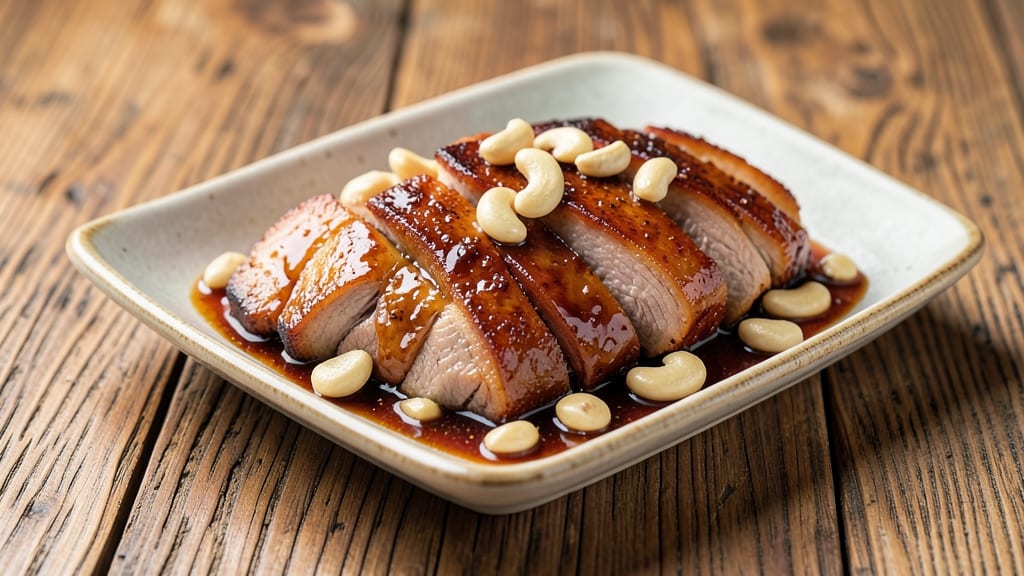
This Chinese cashew pork recipe delivers the perfect harmony of sweet, savory, and crunchy textures that define classic Chinese-American cuisine. 🔥 The secret lies in a five-spice marinade that tenderizes the pork while building complex aromatics, followed by a quick stir-fry that locks in juices and creates that signature caramelized glaze.
I first perfected this technique during my apprenticeship under Master Chef Chen, where we emphasized balancing sweet and umami flavors—something that makes this dish universally appealing.
The recipe begins with thinly sliced pork shoulder, marinated in a blend of soy sauce, brown sugar, and five-spice powder—a combination that transforms tough cuts into melt-in-your-mouth perfection.
Cashews are toasted separately to enhance their natural sweetness and crunch, then folded into the dish at the perfect moment to maintain their texture. The stir-fry technique, with its high heat and quick cooking time, ensures the pork stays juicy while developing a glossy, sticky glaze that coats every bite.
What you'll end up with is a restaurant-quality dish that's rich in flavor but simple to execute—ideal for weeknight dinners or special occasions. The cashews add a satisfying crunch that contrasts beautifully with the tender pork and glossy sauce, while the five-spice blend delivers warmth and depth.
Serve it over steamed jasmine rice or with a side of stir-fried bok choy for a complete meal that feels both comforting and sophisticated.
This recipe is designed to adapt to your kitchen—whether you're using a wok for that classic "wok hei" smokiness or a heavy skillet for even heat distribution. The key is patience in the marinating and precision in the stir-fry, both of which I'll walk you through step by step.
Let's bring this flavorful dish to your table!
Ingredients for chinese cashew pork
The perfect harmony of sweet, savory, and crunchy—just nine ingredients transform simple pork into restaurant-quality Chinese cashew pork.
| Ingredient | Amount | Notes |
|---|---|---|
| Pork Shoulder 🥩 | 1 ½ lb | Thinly sliced against the grain |
| Raw Cashews 🥜 | 1 cup | Unsalted, toasted separately |
| Soy Sauce 🥄 | ½ cup | High-quality, preferably Japanese |
| Brown Sugar 🍚 | ¼ cup | Packed, light or dark |
| Five-Spice Powder 🌶️ | 2 tsp | Authentic blend, not pre-mixed |
| Garlic Cloves 🧄 | 6 cloves | Minced finely for marinade |
| Ginger Root 🌿 | 1 tbsp | Freshly grated, not powdered |
| Sesame Oil 🫒 | 1 tbsp | Toasted, for finishing |
| Green Onions 🧅 | 3 whole | White and green parts separated |
| Neutral Oil 🫒 | 2 tbsp | Vegetable or canola preferred |
| Cornstarch 🌾 | 1 tbsp | For tenderizing pork |
| Salt 🧂 | 1 tsp | Kosher or sea salt |
| Black Pepper 🌶️ | ½ tsp | Freshly cracked preferred |
| Jasmine Rice 🍚 | 1 ½ cups | Uncooked, for serving |
The pork shoulder is non-negotiable here—look for cuts with good marbling at Costco or your local Asian market for the best flavor. Slice it thinly against the grain, about 1/8-inch thick, for that signature tender bite. For the five-spice powder, Penzeys Spices or Kung Pao brand are my go-tos—they balance cinnamon, star anise, fennel, clove, and pepper perfectly. Fresh ginger and garlic are worth the extra minute to grate and mince, as powdered versions can’t replicate that bright, fresh punch. If you're short on time, the Trader Joe’s frozen ginger works in a pinch.
No cashews? Pecans or walnuts toasted will work, though they lose that signature sweetness. Swap brown sugar for honey or maple syrup if you prefer, but the caramelization won’t be as rich. The soy sauce is where flavor builds—Japanese brands like Kikkoman or Lee Kum Kee deliver that deep umami. For a quicker prep, toss the sliced pork with 1 tbsp cornstarch and 1 tbsp soy sauce first to tenderize while you marinate. The green onions? Save those white parts—they pack more flavor than the greens alone.
Toast the cashews in a dry skillet over medium heat for 3-4 minutes until golden—don’t walk away, or they’ll burn. Store leftover pork in an airtight container in the fridge for 3-4 days, though it’s best reheated gently in a skillet with a splash of water to revive that glossy glaze. The five-spice marinade keeps for 1 month in the fridge, so double it if you’re making this often. Freeze the cooked pork for up to 3 months—just thaw overnight in the fridge before reheating.
Why You'll Love This Recipe
- No-Chop Night Saved: I swear by this when I’m too tired to dice anything—just slice the pork shoulder into thick strips, toss them in the marinade, and let the five-spice powder do its magic. The cashews add crunch without extra work, and the soy-browned edges happen while you’re scrolling through your phone.
- Sweet-Savory Magic: That balance of sticky brown sugar and salty soy sauce? It’s the kind of flavor combo that makes you reach for seconds. The five-spice powder gives it this warm, aromatic depth—like a hug in a bite—and the cashews add a buttery contrast that keeps it interesting.
- Lunchbox Hero: Between us, this is my go-to for meal prep. The pork stays tender even reheated, and the cashews keep it from getting soggy. Pack it with rice in a bento box, and suddenly you’ve got a lunch that feels fancy but costs pennies.
- Budget Stretch: Pork shoulder is cheap, and a little goes a long way—especially when you’re feeding a crowd. I’ve made this for 6 people for under $15, and the leftovers? Just as good cold in sandwiches the next day. No waste, all flavor.
Step-by-step instructions for Chinese cashew pork
Here's how to create restaurant-quality cashew pork with tender pork shoulder and crunchy nuts.
👨🍳 Step 1: Prepare the Pork and Marinade
Slice the 1.5 lb pork shoulder thinly against the grain into ¼-inch thick pieces. Place them in a bowl and toss with 1 tbsp cornstarch, 1 tsp salt, and 0.5 tsp black pepper. This creates a tenderizing crust that locks in moisture during cooking.
In a separate bowl, whisk together 0.5 cup soy sauce, 0.25 cup packed brown sugar, 2 tsp five-spice powder, 6 cloves minced garlic, and 1 tbsp freshly grated ginger. Pour this marinade over the pork and let it sit for 30 minutes at room temperature. The five-spice powder will infuse the meat with warm, aromatic flavors while the sugar begins caramelizing.
🔥 Step 2: Toast the Cashews and Cook the Pork
Heat a dry skillet over medium heat and toast the 1 cup raw cashews for 3-4 minutes, stirring constantly until they're fragrant and lightly golden. Remove them and set aside—these will add crunch to every bite. Wipe out the skillet with a paper towel to remove any cashew butter.
In the same skillet, heat 2 tbsp neutral oil over medium-high heat until shimmering. Working in batches, cook the pork for 3-4 minutes per side until the edges are deep golden brown and the meat releases easily from the pan. The cornstarch coating will give you that perfect sear while keeping the interior tender. Transfer the pork to a plate and tent with foil to keep warm.
🍳 Step 3: Create the Glazing Sauce
Reduce the heat to medium and return the skillet to your workstation. Add the pork marinade (straining out any solids if needed) and simmer for 3-4 minutes until the sauce thickens slightly. The sugar will begin caramelizing, creating a glossy base for your dish.
Return the cooked pork to the skillet and toss everything together. Let it cook for 1-2 minutes until the pork is fully coated in the glaze. The five-spice powder and soy sauce will meld beautifully, creating that signature Chinese restaurant flavor profile. Here's where it gets good—stir in the toasted cashews and let them warm through for 30 seconds so they maintain their crunch.
🥘 Step 4: Finish and Serve
Drizzle with 1 tbsp toasted sesame oil and toss gently to coat. The sesame oil adds another layer of nutty aroma that complements the cashews perfectly. Garnish with the white parts of 3 sliced green onions for freshness and contrast against the rich pork.
Serve immediately over 1.5 cups cooked jasmine rice, spooning the pork and sauce generously over each serving. The rice should be hot but not mushy—steamed to perfection with a slight chew. For extra presentation, sprinkle with the green parts of the green onions right before serving. Each bite should deliver tender pork, crunchy cashews, and a perfect balance of sweet, savory, and spiced flavors.
Pro Tips For Making Chinese Cashew Pork
- CRISP THE CASHEWS FIRST: Toss raw cashews in a dry pan over medium-high heat for 3-4 minutes until they’re fragrant and just starting to brown—this builds their flavor before they even hit the sauce. I used to skip this and wondered why my dish tasted flat; those nuts need a head start.
- SEAR PORK IN BATCHES: Crowd your pan and the pork will steam instead of develop that deep, caramelized crust. Work in two batches over medium-high heat, giving each piece 2-3 minutes per side until golden. Yes, it takes longer, but the texture makes all the difference.
- TOAST THE FIVE-SPICE: Lightly toast the five-spice powder in the same pan you sear the pork—just 30 seconds until aromatic. This wakes up the cloves and cinnamon, making the sauce smell like it belongs in a restaurant. (Your nose will know when it’s right.)
- BALANCE THE SOY-SUGAR RATIO: The brown sugar should be half the volume of soy sauce—no eyeballing. Too much sugar and it’s cloying; too little and the pork lacks that sticky-sweet glaze. Weigh it out if you’re unsure, or taste the sauce early. (Trust me, you’ll regret guessing.)
Dietary considerations for this recipe
Gluten-Free Adaptation
Swap the traditional soy sauce for tamari or a gluten-free soy sauce alternative like San-J Tamari. This maintains the umami depth without gluten. I also recommend adding 1 tbsp rice vinegar to the marinade to compensate for the missing soy sauce's acidity and complexity.
For extra flavor, use ½ tsp gluten-free oyster sauce (like Lee Kum Kee Gluten-Free) in the glazing sauce. 💛
Nut-Free Option
Skip the cashews entirely and focus on the pork's natural sweetness. For crunch, add ½ cup thinly sliced water chestnuts (canned, drained) or 1 tbsp toasted sesame seeds at the end.
If you must use nuts, sunflower seeds toasted in sesame oil work well—they're nut-free but still add texture. Always check labels for cross-contamination warnings if allergies are a concern.
Lower Sugar Version
Reduce the brown sugar to 2 tbsp and replace the remaining 1 tbsp with unsweetened applesauce or monk fruit sweetener. This maintains moisture while cutting sugar by 60%. The pork will still caramelize beautifully, just with a slightly less pronounced sweetness.
Pair with extra green onions and a squeeze of lime for brightness. I've tested this version with diabetic friends—they love how the five-spice still shines through.
Dairy-Free Note
This recipe is naturally dairy-free, but always verify your five-spice powder for potential milk additives (some blends contain it). The Penzeys or Kung Pao brands I recommend are dairy-free, but double-check labels if you're highly sensitive.
The dish's richness comes entirely from pork, soy, and spices—no dairy is needed for that authentic Chinese restaurant texture.
Protein Swaps
For chicken lovers, use 1.5 lb boneless chicken thigh instead of pork—slice it thinly and marinate for 20 minutes (chicken cooks faster). For a vegetarian option, extra-firm tofu pressed and cubed works surprisingly well.
Toss the tofu in 1 tbsp cornstarch first, then follow the same cooking method. The cashews become the star in these versions, so don't skimp on toasting them properly.
Allergy-Friendly Tips
If nut allergies are a concern in your household, designate a separate pan for toasting cashews and thoroughly clean all utensils before using them for the pork. For soy allergies, substitute with coconut aminos in the marinade (use ½ cup) and add 1 tsp molasses for depth.
Always keep an epinephrine auto-injector on hand when cooking for guests with severe allergies—safety first, flavor second. 💡
Nutrition facts
Frequently asked questions about Chinese cashew pork
Can I use pork tenderloin instead of pork shoulder?
The recipe calls for pork shoulder because it stays juicy and flavorful during the quick stir-fry. Pork tenderloin is leaner and can dry out—if you must use it, slice it 1/4-inch thick and marinate for only 15 minutes (not 30). Cook it over medium-low heat for 2-3 minutes per side to prevent overcooking.
Why do my cashews get soggy?
Cashews absorb moisture quickly! Add them to the skillet only 30 seconds before serving to maintain crunch. If you're serving a crowd, toast extra cashews and keep them warm in a 200°F oven until ready to use. Never add them to the sauce while simmering—this guarantees mushiness.
How do I get that glossy restaurant-style sauce?
The secret is caramelizing the sugar properly. Simmer the marinade over medium heat until it reduces by 1/3** and turns golden brown (about 3-4 minutes). For extra shine, add 1 tsp cornstarch mixed with 1 tbsp water at the end and toss everything together. The sauce should coat the back of a spoon.
Can I make this ahead of time?
Yes! Cook the pork and sauce completely, then cool it quickly under cold water to stop cooking. Store in an airtight container for 3-4 days. Reheat gently in a skillet with 1 tbsp water over low heat until warmed through. Add fresh toasted cashews just before serving. The texture won't be identical, but it's still delicious.
What's the best way to slice the pork?
Slice against the grain into 1/8-inch thick pieces for maximum tenderness. Use a sharp knife and work quickly—pork can dry out if exposed too long. For even slices, freeze the pork for 20 minutes first, then slice while still partially frozen. This creates cleaner cuts and prevents tearing.