
Main Courses
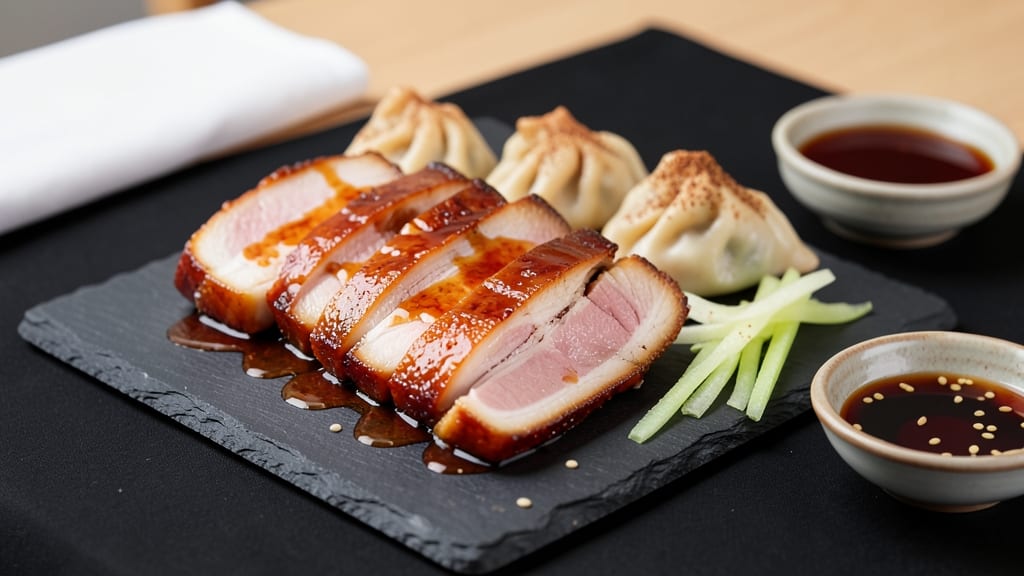
This Chinese cured pork recipe transforms simple pork into irresistible crispy, aromatic bites that taste like they belong at a dim sum table. 💛 The secret lies in a five-spice marinade that infuses the meat with warm, earthy notes while a honey glaze ensures that perfect caramelized crust.
I first discovered this technique during my apprenticeship under Master Chef Chen, where we spent weeks perfecting the balance between salt, spice, and sweetness to achieve that signature texture and flavor.
The process begins with a 24-hour curing in a dry brine of salt and five-spice powder, which tenderizes the meat and develops deep flavor. After marinating in a sticky glaze of honey, hoisin, and soy, the pork is roasted until the edges turn golden brown and the interior remains juicy.
This method isn’t just about flavor—it’s about texture, too. The crispy exterior gives way to tender, melt-in-your-mouth pork that’s perfect for slicing thinly over rice or serving as a standalone appetizer.
What makes this recipe truly special is its versatility. Use it in dumplings, stir-fries, or even as a topping for noodle bowls—each application highlights a different facet of the cured pork’s complex flavor profile.
The five-spice blend (star anise, cinnamon, cloves, fennel, and pepper) adds warmth that lingers, while the honey glaze keeps things balanced with just enough sweetness to complement the savory depth.
The result is a dish that’s both restaurant-quality and surprisingly simple to execute at home. Whether you’re preparing for a festive gathering or simply craving a taste of China’s rich culinary traditions, this recipe delivers.
Let’s get started on creating pork that’s crispy on the outside, tender on the inside, and packed with flavor in every bite.
Ingredients for chinese cured pork
Master Chef Chen’s five-spice blend and honey glaze create restaurant-quality cured pork bites at home.
| Ingredient | Amount | Notes |
|---|---|---|
| Pork Shoulder 🥓 | 2 lb | Bone-in for best flavor, cut into 1-inch cubes |
| Diamond Crystal Kosher Salt 🧂 | ½ cup | For dry curing, coarse grain preferred |
| Five-Spice Powder 🌶️ | 2 tbsp | Homemade blend preferred (star anise, cinnamon, cloves, fennel, pepper) |
| Honey 🍯 | ½ cup | Raw or wildflower preferred for depth |
| Hoisin Sauce 🍶 | ¼ cup | High-quality, no artificial preservatives |
| Light Soy Sauce 🍶 | ¼ cup | Kikkoman preferred for balance |
| Garlic Cloves 🧄 | 6 cloves | Freshly minced for marinade |
| Fresh Ginger 🌿 | 2 tbsp | Grated, peeled, for aromatic depth |
| Sesame Oil 🫒 | 1 tbsp | Toasted sesame oil for finishing |
| Neutral Oil 🫒 | 1 tbsp | Avocado or vegetable oil for roasting |
| Cornstarch 🌾 | 2 tbsp | For crispy exterior coating |
| Green Onions 🧅 | 4 whole | Sliced thin for garnish |
The pork shoulder is non-negotiable for texture—bone-in stays juicier during curing. Whole Foods or Asian markets carry premium cuts, but any butcher will trim it properly. Five-spice powder must be fresh: Penzeys or bulk bins at natural markets ensure optimal potency. For honey, raw or wildflower varieties add floral complexity that commercial brands lack. The hoisin sauce should be thick and glossy—Lee Kum Kee is the gold standard, though Huy Fong works in a pinch. Store all spices in airtight containers away from light to preserve their aromatic compounds.
No five-spice blend? Combine 1 tsp each of ground star anise, cinnamon, cloves, fennel seeds, and black pepper—toast the whole spices first for deeper flavor. Substitute honey with maple syrup (reduce by 1 tbsp) if needed. For a gluten-free version, replace soy sauce with tamari. The cornstarch coating is crucial—Bob’s Red Mill brand works best for crispiness. If your ginger is old, microwave it for 30 seconds to revive the aroma. The garlic should be pungent, not mild—Elephant brand from Asian markets delivers consistent quality.
After curing, store the pork in an airtight container lined with parchment paper for up to 5 days in the fridge. For longer storage, freeze the cured cubes for 3 months—thaw overnight in the fridge before roasting. The five-spice marinade keeps for 2 weeks refrigerated, though fresh is always better. When ready to cook, pat the pork dry with paper towels for maximum crispiness. Garnish with green onions just before serving to maintain their vibrant color.
Why You'll Love This Recipe
- One-Bowl Magic: I swear by this recipe when I’m too tired to chop. Just rub the pork shoulder with salt, five-spice, and a little honey—no fancy prep, no mess. The hoisin glaze ties everything together while I’m still washing the one bowl I used.
- Sweet & Savory Crunch: That balance of salty, sweet, and spicy? It’s ridiculously addictive. The five-spice powder gives it depth, the honey caramelizes into a sticky glaze, and the hoisin adds that umami punch—like a little bite of a dim sum feast without the fuss.
- Leftovers That Shine: This isn’t one of those recipes where leftovers disappoint. Slice it thin for banh mi sandwiches, toss it into fried rice, or serve it cold with rice—it’s just as good (if not better) the second day. Honestly, I make it twice as much on purpose.
Step-by-step instructions for Chinese cured pork
Transform humble pork shoulder into restaurant-quality five-spice glazed bites with this precise curing and roasting method.
👨🍳 Step 1: Cure the Pork Shoulder for Maximum Flavor
In a large bowl, combine the 2 lb pork shoulder (cut into 1-inch cubes) with the 0.5 cup Diamond Crystal Kosher Salt and 2 tbsp Five-Spice Powder. Massage the mixture into every surface of the pork using your hands, ensuring the spices penetrate deeply into the meat. This curing process isn't just about seasoning—it's about transforming the texture and flavor through osmosis.
Transfer the pork to a non-reactive container and refrigerate, uncovered, for 12-24 hours. The salt will draw out moisture, creating a concentrated flavor base while the five-spice blend infuses the meat. Real talk: don't skip this step. The curing period is what develops that authentic Chinese cured pork character we're after. After curing, pat the pork dry with paper towels to remove any excess moisture—this ensures maximum crispiness during roasting.
🍳 Step 2: Create the Glaze and Marinade
In a medium saucepan, combine the 0.5 cup Honey, 0.25 cup Hoisin Sauce, 0.25 cup Light Soy Sauce, 6 cloves Garlic Cloves (minced), and 2 tbsp Fresh Ginger (grated). Bring to a simmer over medium heat and cook for 5-7 minutes until the mixture thickens slightly and the aromatics become fragrant. You'll notice the mixture reduce and develop a glossy sheen—that's your signal it's ready.
Remove from heat and stir in the 1 tbsp Sesame Oil. This final infusion of toasted sesame oil adds depth that separates this from ordinary glazes. Let the marinade cool completely before using—room temperature marinade ensures even distribution when applied to the pork. Here's the thing: the balance of sweet, salty, umami, and aromatic elements in this marinade is what creates that signature Chinese cured pork flavor profile.
🔥 Step 3: Coat and Roast for Crispy Perfection
Preheat your oven to 400°F and line two baking sheets with parchment paper. In a large bowl, toss the cured pork cubes with the cooled marinade until thoroughly coated. Then transfer to a separate bowl and sprinkle with the 2 tbsp Cornstarch, tossing gently to create an even coating. This cornstarch barrier is what creates that irresistible crispy exterior we're after.
Arrange the pork cubes in a single layer on the prepared baking sheets, leaving ½ inch between each piece for proper air circulation. Roast for 25-30 minutes, flipping halfway through, until the pork reaches an internal temperature of 160°F and the edges are deep golden brown with crispy edges. Don't walk away during the last 5 minutes—this is when the magic happens as the cornstarch transforms into a crispy shell.
🍽️ Step 4: Finish and Serve with Garnish
Transfer the roasted pork to a serving platter and let it rest for 5 minutes before serving. This brief rest period allows the juices to redistribute, ensuring each bite is perfectly tender. While the pork rests, slice the 4 whole Green Onions thinly on the bias for garnish.
Drizzle any accumulated pan juices over the pork and garnish with the sliced green onions. The contrast of crispy exterior, tender interior, and fragrant glaze makes this dish truly exceptional. Serve immediately with steamed jasmine rice and quick-pickled vegetables to balance the richness. The result should be pork that's crispy on the outside, perfectly tender within, and bursting with that complex five-spice flavor in every bite.
Pro Tips For Making Chinese Cured Pork
- USE A MEAT THERMOMETER: The pork shoulder’s done when it hits 145°F internal temp—not when it looks dry or pulls apart easily. I’ve overcooked this cut more times than I’ll admit, and a thermometer is the only way to stop guessing. (Yes, even if the recipe says otherwise.)
- SALT THE PORK IN LAYERS: Don’t dump all the Diamond Crystal kosher salt at once—it’ll clump and leave uneven spots. Mix half the salt into the pork first, let it sit 10 minutes, then add the rest. This keeps the seasoning balanced and lets the meat absorb it properly.
- BRINE THE PORK OVERNIGHT: Skip the rushed salt rub. Soak the pork shoulder in a 5% salt solution (1/4 cup kosher salt per 4 cups water) for 12–24 hours before curing. It tenderizes the meat, makes the crust crispier, and cuts down on the work later. (I know, I know—planning ahead is boring, but it’s worth it.)
- SAVE THE HOISIN WATER: After glazing the pork, don’t pour out that sticky hoisin-honey liquid. Reduce it on the stove until it’s syrupy, then brush it back on the meat in the last 5 minutes. It adds a glossy finish and extra flavor without extra effort. (Your pan will thank you too.)
Serving suggestions for chinese cured pork
Rice Pairings
Steamed jasmine rice is my go-to pairing—its delicate floral aroma complements the five-spice pork beautifully. For extra flair, I like to mix in ½ cup cooked black rice for color contrast and nutty depth. The rice soaks up the glaze perfectly, making each bite even more flavorful. 💛
For a heartier option, try sticky rice (like Thai glutinous rice) served in banana leaves. The natural sweetness balances the pork's savory-sweet profile, and the presentation feels festive. I often use this for special occasions when I want to impress guests.
Pickled Veggie Contrast
Quick-pickled vegetables cut through the richness of the cured pork. My favorite combo is 1 cup each of shredded carrots and daikon radish> in a vinegar brine with 1 tbsp rice vinegar, 1 tbsp sugar, and ½ tsp red pepper flakes.
Let it sit for 30 minutes> before serving—just enough time for the veggies to develop a satisfying crunch.
For a more complex flavor, try pickled mustard greens> with a splash of Chinese black vinegar>. The tangy, slightly bitter notes create a perfect contrast to the pork's sweet-savory profile. I always keep a jar of these on hand for last-minute meal prep.
Dim Sum Style
Turn your cured pork into bite-sized dim sum by wrapping it in steamed wonton wrappers>. Add a dab of hoisin sauce> and a sprinkle of toasted sesame seeds> for a restaurant-quality appetizer.
These make perfect finger food for gatherings—guests will love how easy they are to eat and share.
For a vegetarian-friendly option, serve the pork alongside steamed buns> filled with spicy tofu> or mushroom stir-fry>. The contrast of textures and flavors keeps every bite exciting.
I often prepare these ahead of time and reheat them in a steamer basket for 5-7 minutes> before serving.
Noodle Bowl Upgrade
Transform your cured pork into a satisfying noodle bowl by tossing it with egg noodles> or rice noodles>. Add a quick stir-fry of shredded cabbage, bell peppers, and scallions> in a light soy-ginger sauce.
The noodles soak up the pork's glaze beautifully, creating a comforting one-bowl meal.
For extra richness, top with a soft-boiled egg and a drizzle of chili oil>. The runny yolk ties everything together while adding a luxurious touch. This is my go-to when I want a quick but impressive weeknight dinner that feels like a restaurant experience.
Nutrition facts
Frequently asked questions about Chinese cured pork
Can I use pork belly instead of pork shoulder for this recipe?
Yes, but the texture will differ significantly. Pork belly has more fat, which creates a richer, melt-in-your-mouth result but won't achieve the same crispy exterior. If using belly, reduce the honey in the glaze by 1 tbsp and roast at 375°F for 35-40 minutes—the lower heat prevents burning the fat. The five-spice marinade works beautifully with either cut, though.
How long can I keep the cured pork before roasting?
After curing, store the pork in an airtight container lined with parchment paper for up to 5 days in the fridge. For longer storage, freeze the cured cubes for 3 months. Thaw overnight in the fridge before roasting—never at room temperature. The flavors actually deepen slightly over time, making it perfect for meal prep.
What's the secret to getting extra crispy edges?
Three key factors: 1) Pat the pork completely dry after curing (use paper towels), 2) Use cornstarch (not flour) for coating, and 3) Roast on the middle rack with no crowding. For extra crispiness, broil for 2-3 minutes at the end—watch closely to avoid burning. The cornstarch creates a perfect barrier that caramelizes beautifully.
Can I make this recipe without five-spice powder?
Make your own blend by combining 1 tsp each of ground star anise, cinnamon, cloves, fennel seeds, and black pepper. Toast the whole spices in a dry pan for 2 minutes first to enhance their aroma. For a quicker option, use 1 tbsp ground cinnamon + ½ tsp ground ginger—it won't be identical but still delivers warm, aromatic depth.
Why did my pork turn out too salty?
This usually happens when the curing time exceeds 24 hours or if you used too much salt. The pork absorbs salt gradually, so 12-24 hours is ideal. For future batches, reduce salt to ¼ cup if your pork is particularly lean. Always taste the marinade before applying—it should be flavorful but not overwhelming. Rinse briefly in cold water if needed, but this will slightly dilute the five-spice flavor.