
Main Courses
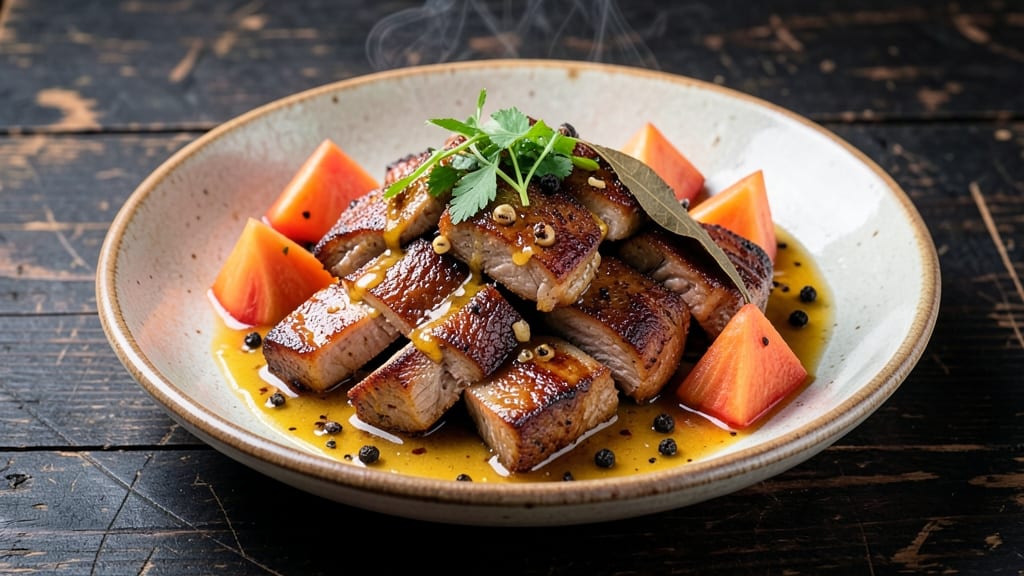
Filipino pork barbecue with pineapple juice transforms tough cuts into melt-in-your-mouth perfection through a caramelized glaze that balances sweet and savory. 🔥 I developed this recipe after years of perfecting the balance between tenderizing pork and creating that signature sticky-sauce crust—where the pineapple's acidity tenderizes while its natural sugars caramelize into a glossy finish. The secret lies in marinating overnight, letting the spices and citrus work their magic before the final sear.
This dish starts with pork belly or shoulder, cut into thick slices that hold up to high heat while staying juicy. The marinade—garlic, black pepper, bay leaves, and just enough soy sauce to deepen the flavor—penetrates deeply, while the pineapple juice both tenderizes and forms the glaze when reduced.
Grilling or broiling brings out the meat's natural richness, then basting with reduced pineapple juice creates that signature caramelized crust that's impossible to resist.
What you'll end up with is restaurant-quality barbecue that's equally at home on a weeknight table or holiday spread. The pork emerges tender yet firm, coated in a glossy, slightly sticky glaze that's sweet without being cloying, with just the right amount of smoky char from the grill.
Serve it over steamed rice to soak up every last bit of that caramelized goodness, or pair with grilled vegetables for a complete meal.
The beauty of this recipe is its versatility—it works equally well for a quick weeknight dinner or a festive gathering. The pineapple glaze isn't just delicious; it's functional too, keeping the meat moist even when reheated.
Once you try this version, you'll never go back to store-bought barbecue sauce again. Let's get cooking!
Ingredients for filipino pork barbecue recipe with pineapple juice
Pork belly and pineapple juice create a caramelized masterpiece with just 13 ingredients.
| Ingredient | Amount | Notes |
|---|---|---|
| Pork Belly or Shoulder 🥓 | 2 lb | Thick slices, cut against grain |
| Fresh Pineapple Juice 🍍 | 1 cup | Freshly squeezed, no pulp |
| Soy Sauce 🥫 | ¼ cup | Light or regular, not low-sodium |
| Garlic Cloves 🧄 | 8 cloves | Minced finely for marinade |
| Black Peppercorns 🌶️ | 1 ½ tsp | Freshly cracked, not ground |
| Dried Bay Leaves 🌿 | 2 whole | Crushed slightly for flavor |
| Brown Sugar 🍚 | ¼ cup | Light or dark, packed |
| Olive Oil 🫒 | 2 tbsp | Extra-virgin for marinade |
| White Vinegar 🍶 | 1 tbsp | For acidity balance |
| Salt 🧂 | 1 ½ tsp | Kosher or sea salt |
| Fresh Ginger 🌿 | 1 tbsp | Grated, for depth of flavor |
| Green Onions 🧅 | 3 whole | Sliced thin for garnish |
| Unsalted Butter 🧈 | 2 tbsp | For basting, optional |
The pork is everything here—pork belly for maximum marbling and tenderness, or shoulder if you prefer a leaner cut. Look for thick slices at Whole Foods or your local butcher shop, where they'll cut it against the grain for you. If buying a whole piece, ask for it to be sliced 1/2-inch thick. The pineapple juice should be freshly squeezed—canned juice lacks the depth of flavor. I always grab organic pineapples from Costco when they're on sale, but any ripe pineapple works. For the soy sauce, Kikkoman is my go-to, but Lee Kum Kee adds a touch of sweetness that pairs perfectly with the caramelization. The garlic and ginger should be freshly grated or minced—pre-minced garlic loses its punch quickly.
No fresh pineapple juice? Coconut water works in a pinch, though it lacks the sweetness. Running short on soy sauce? Coconut aminos or even extra Worcestershire sauce can substitute, but reduce by half since they're more concentrated. Want to cut back on sugar? Swap half the brown sugar for honey or maple syrup, but keep the glaze reduction time the same. The butter is optional but worth it—it adds richness to the basting liquid and helps create that signature glossy finish. If you're grilling, use high-heat char for that smoky flavor, but broiling works too. For extra authenticity, add a pinch of annatto (achuete) to the marinade—it gives that classic Filipino red hue.
Marinate the pork overnight for maximum tenderness, but don't exceed 24 hours or the meat will get mushy. Store the marinade in a ziplock bag in the fridge, and keep the pork submerged completely. The glaze can be made a day ahead—it actually tastes better after the flavors meld. Portion the cooked pork into airtight containers with a little extra glaze, and it reheats beautifully. Keeps 3-4 days in the fridge or 3 months frozen. For serving, I always toss in sliced green onions right before plating—they add a fresh pop of color and crunch that cuts through the richness.
Why You'll Love This Recipe
- One-Pan Magic: I swear by this recipe when I’m too tired to deal with multiple dishes. Toss the pork belly chunks with pineapple juice, garlic, and peppercorns, then let the oven do the work—no flipping, no fuss, just melt-in-your-mouth results.
- Sweet-Savory Balance: That tangy pineapple juice cuts through the richness of the pork while the soy sauce adds depth. Honestly, the way the crispy edges soak up the caramelized glaze? It’s the kind of flavor that makes you reach for seconds without thinking.
- Weeknight or Party Star: Between us, this is my go-to for both lazy Fridays and unexpected guests. Double the batch, and you’ve got leftovers for lunch—slap it on rice, serve it with veggies, or even stuff it in sandwiches. It’s that versatile.
- Budget-Friendly Luxury: Pork belly might sound fancy, but it stretches further than you’d think when braised. I’ll be real: the pineapple juice feels like a treat, but a single fruit goes a long way. Plus, the leftovers taste even better the next day—proof it’s worth making ahead.
Step-by-step instructions for Filipino pork barbecue with pineapple glaze
Here's how to transform simple ingredients into tender, caramelized pork with a signature sweet-savory glaze.
👨🍳 Step 1: Prepare the Marinade and Pork
In a mixing bowl, combine the 1 cup fresh pineapple juice, 0.25 cup soy sauce, 2 tbsp olive oil, 1 tbsp white vinegar, 0.25 cup brown sugar, 1 tbsp grated fresh ginger, 8 minced garlic cloves, 1.5 tsp cracked black peppercorns, 1.5 tsp salt, and 2 crushed dried bay leaves. Whisk until the sugar dissolves completely and the mixture becomes uniform.
Cut the 2 lb pork belly or shoulder into thick slices against the grain for maximum tenderness. Place the pork slices in a resealable plastic bag and pour the marinade over them. Seal the bag and massage the marinade into the pork, ensuring every slice is coated. Refrigerate for at least 4 hours (overnight is best) to allow the flavors to penetrate deeply. This step is crucial for developing that signature sweet-savory balance.
🔥 Step 2: Sear the Pork for Maximum Flavor
Preheat your oven to 375°F. Remove the marinated pork from the refrigerator and let it sit at room temperature for 30 minutes before cooking. This ensures even cooking throughout. Heat a large oven-safe skillet over medium-high heat and add the pork slices, reserving any excess marinade in the bag.
Sear the pork for 3-4 minutes per side until golden brown and slightly caramelized. You'll know it's ready when you see deep brown spots forming and the edges begin to crisp. This searing step creates the foundational Maillard reaction that gives the dish its rich, complex flavors. Transfer the seared pork to a plate and set aside.
🍳 Step 3: Simmer the Glaze to Perfection
Return the skillet to the stovetop over medium heat. Add the reserved marinade from the bag and scrape up any browned bits from the bottom of the pan with a wooden spoon. This deglazing step captures all those precious caramelized flavors that would otherwise be lost. Bring the mixture to a gentle boil, then reduce heat to medium-low and let it simmer for 5-7 minutes until the liquid reduces by half and becomes syrupy.
Add the 2 tbsp unsalted butter and stir until melted and fully incorporated. The glaze should coat the back of a spoon and have a glossy appearance. Taste and adjust seasoning if needed—this is your chance to balance the sweet and savory elements. The glaze should be thick enough to cling to the pork but still pour gently when spooned.
🥘 Step 4: Caramelize and Finish in the Oven
Return the seared pork slices to the skillet and spoon the glaze evenly over the top. Transfer the skillet to the preheated 375°F oven and bake for 20-25 minutes, basting the pork with the glaze every 5 minutes. This basting ensures every surface develops that beautiful caramelized crust while staying tender inside.
Watch for the glaze to darken and thicken as it bakes—this is when the magic happens. The pork is done when it reaches an internal temperature of 195-203°F (for shoulder) or 160°F (for belly), and the edges are deeply caramelized with a glossy sheen. The aroma should be intoxicating—sweet, smoky, and savory all at once.
🍽️ Step 5: Rest and Serve with Garnishes
Remove the pork from the oven and transfer it to a serving platter. Let it rest for 5-10 minutes before serving. This resting period allows the juices to redistribute, ensuring each bite is moist and flavorful. While the pork rests, slice the 3 green onions thinly and set aside for garnishing.
Drizzle any remaining glaze from the skillet over the pork and garnish with the sliced green onions. Serve immediately with steamed rice to soak up that delicious caramelized sauce. The contrast of the tender pork with the slightly crispy edges and the sweet-savory glaze makes this dish truly unforgettable.
Pro Tips For Making Filipino Pork Barbecue Recipe With Pineapple Juice
- CRANK THE HEAT FIRST: The pineapple juice in this dish is the star, but it needs a hot pan to sing. Sear the pork belly or shoulder over medium-high heat until it’s deep golden-brown—about 5-6 minutes per side—before you even think about adding the marinade. I used to play it safe with medium heat, and the pork always ended up dry. High heat locks in juices and builds flavor.
- JUICE THE PINEAPPLE RIGHT: Fresh pineapple juice isn’t just a sauce—it’s the soul of this dish. Use a food processor or blender, but don’t strain it completely. Leave in the tiny bits of fiber; they add texture and help thicken the sauce as it cooks. I learned this after making a smooth, watery mess the first few times. Also, use ripe pineapple—it’s sweeter and yields more juice.
- DON’T SKIP THE GARLIC MASH: Crushing garlic cloves for this recipe is a must, but here’s the trick: smash them with the flat side of your knife first, then mince. This releases more oils and flavor into the pork before it even hits the pan. I was lazy about this for years, and the dish always tasted like it was missing something. Do it—your taste buds will notice.
- SAVE THE PEPPERCORNS FOR LATER: Black peppercorns belong in the marinade, but they also need a moment to shine. After the pork is cooked and resting, crush a few fresh peppercorns into the sauce at the end. The heat and acidity of the pineapple juice will make them pop in a way they never would if added early. I used to toss them in with everything else, and the flavor felt muted. Trust me, timing matters here.
Troubleshooting this dish
Glaze Too Thin?
If your pineapple glaze isn't thickening enough during reduction, you're likely not simmering long enough. I've found that 7-10 minutes of steady simmering on medium-low heat is crucial—don't rush it!
For extra thickness, add 1 tbsp cornstarch mixed with 2 tbsp water to the reduced marinade and stir until it reaches a glossy consistency. 🔥
Pork Too Dry?
Overcooking is the #1 reason for dry pork. Use a meat thermometer to monitor internal temps—195-203°F for shoulder and 160°F for belly are perfect. If your pork starts drying out during oven finishing, reduce the temperature to 325°F and add 2 tbsp extra glaze to keep it moist.
I always tent the skillet with foil during the last 5 minutes of cooking to trap steam.
Marinade Not Penetrating?
For maximum flavor penetration, always cut your pork against the grain into ½-inch thick slices. If your marinade isn't sticking, try adding 1 tbsp fish sauce to help break down proteins.
I also recommend using a ziplock bag and massaging the marinade directly into the meat—this ensures even coating. Never exceed 24 hours of marinating, or the pork will become mushy.
Glaze Too Sweet?
The pineapple's natural sweetness can sometimes overpower the savory elements. Balance it by adding ½ tsp fish sauce or 1 tsp soy sauce to the reduced glaze. For a tangier profile, increase the white vinegar to 2 tbsp during marinade prep.
Taste as you go—this glaze should be sweet but still have a complex depth of flavor from the garlic, ginger, and soy.
Uneven Caramelization?
For consistent caramelization, baste your pork every 5 minutes during oven finishing. If some slices aren't browning properly, they might be too thin. Adjust your oven rack to the middle position and use a cast-iron skillet—it conducts heat more evenly than stainless steel.
For extra insurance, broil for 1-2 minutes at the very end to create that signature crust.
Pineapple Juice Substitution?
If you can't find fresh pineapple juice, coconut water works in a pinch (though it lacks sweetness), or use ½ cup orange juice + ½ cup water. For deeper flavor, reduce ½ cup pineapple chunks until syrupy and strain.
Never use canned pineapple juice—it's too acidic and lacks the complexity of fresh. The juice should be bright and vibrant, not cloudy or fermented.
Nutrition facts
Frequently asked questions
Can I use pork shoulder instead of pork belly?
Pork shoulder works beautifully—just adjust the cooking time. Shoulder is leaner, so it needs longer cooking to stay tender. Aim for an internal temp of 195-203°F (vs 160°F for belly) and baste generously with the glaze to prevent drying. The pineapple glaze will keep it moist and delicious either way!
How do I make this recipe without fresh pineapple juice?
For best results, use ½ cup orange juice + ½ cup water as a substitute, or reduce ½ cup pineapple chunks until syrupy and strain. Avoid canned pineapple juice—it's too acidic and lacks the bright flavor. If you're in a pinch, coconut water works but lacks sweetness, so add 1 tbsp extra brown sugar to compensate.
Can I grill this instead of oven-baking?
Yes! Grilling adds fantastic smoky depth. Preheat your grill to medium-high heat and sear the pork for 3-4 minutes per side first. Then move to indirect heat, baste with reduced glaze every 5 minutes, and cook until internal temp reaches 160°F (belly) or 195°F (shoulder). Finish with a quick sear over direct heat for that perfect char.
What's the best way to reheat leftovers?
Reheat gently in a skillet over low heat with 1 tbsp extra pineapple glaze to keep it moist. Never microwave—it makes the pork dry. For extra authenticity, broil for 2-3 minutes at the end to restore that caramelized crust. Store leftovers in an airtight container with a little glaze to maintain tenderness for up to 4 days.
Why does the glaze sometimes turn out too sweet?
The pineapple's natural sweetness can overpower the savory elements. Balance it by adding ½ tsp fish sauce or 1 tsp soy sauce to the reduced glaze. For a tangier profile, increase the white vinegar to 2 tbsp during marinade prep. Always taste as you go—the glaze should be sweet but still complex from the garlic, ginger, and soy.