
Main Courses
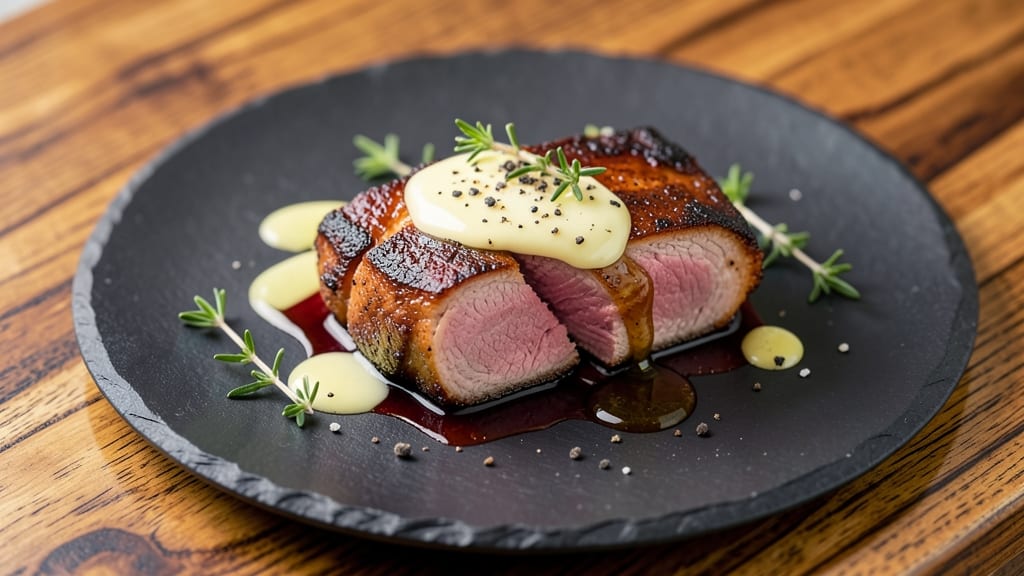
This medium rare pork chop recipe delivers the perfect balance of crispy crust and tender pink centers that make every bite unforgettable. 🔥 After years of perfecting the technique at my Atlanta smokehouse, I've cracked the code for achieving that coveted juicy heart while developing a caramelized exterior that holds up to every cut.
The secret lies in proper seasoning, high-heat searing, and knowing exactly when to pull those chops from the pan.
What sets this recipe apart is the focus on heritage pork chops—thicker cuts that stay juicy when cooked to medium rare. We start with a simple but effective dry brine that enhances flavor without overwhelming the natural taste of the meat.
The pan-searing technique I've developed creates that perfect crust while ensuring the interior remains tender and pink throughout. This isn't just another pork chop recipe—it's a method that transforms a simple weeknight dinner into something restaurant-worthy.
The result is pork chops with a crispy, golden-brown crust that shatters with each bite, revealing tender meat that's warm throughout but still holding that signature pink center. The technique is precise but not complicated—just follow the steps, and you'll achieve results that would impress even the most discerning chef.
Whether you're cooking for a date night or feeding a family, these pork chops deliver on flavor, texture, and presentation every time.
Pair them with a simple arugula salad dressed in lemon vinaigrette or roasted seasonal vegetables to complete the meal. The beauty of this recipe is its versatility—it works equally well for casual weeknight dinners or special occasions.
Let's get cooking, and experience the difference that proper technique makes in every bite.
Ingredients for medium rare pork chop
Thirteen ingredients for restaurant-quality pork chops that balance crispy crust with juicy pink centers.
| Ingredient | Amount | Notes |
|---|---|---|
| Heritage Pork Chops 🐖 | 1 ½ lb | Bone-in, 1-inch thick, center-cut preferred |
| Kosher Salt 🧂 | 1 ½ tbsp | Diamond Crystal preferred for precise measurement |
| Freshly Ground Black Pepper 🌶️ | 1 tsp | Cracked peppercorns for optimal texture |
| Unsalted Butter 🧈 | ¾ cup | European-style for higher smoke point |
| Extra-Virgin Olive Oil 🫒 | 2 tbsp | Light, fruity variety for balance |
| Fresh Thyme Leaves 🌿 | ¼ cup | Finely chopped, stems removed |
| Garlic Cloves 🧄 | 4 cloves | Minced, skin-on for deeper flavor |
| Fresh Rosemary Sprigs 🌿 | 2 whole | Needles only, finely chopped |
| Yellow Onion 🧅 | 1 whole | Thinly sliced, white or yellow preferred |
| Fresh Lemon 🍋 | 1 whole | Juiced, zest optional for brightness |
| All-Purpose Flour 🌾 | 1 tbsp | For light dusting, sifted |
| Arugula 🌱 | 4 cups | Baby leaves for salad pairing |
| Extra Virgin Olive Oil 🫒 | ¼ cup | For salad dressing, same as above |
| Balsamic Vinegar 🍶 | 1 tbsp | Aged 10+ years for depth |
The heritage pork chops are non-negotiable here—look for bone-in, 1-inch thick cuts at specialty butchers or high-end grocery stores like Whole Foods or Harris Teeter. The thicker the chop, the more forgiving it is for medium rare. If your butcher offers dry-aged pork, splurge on it—the flavor depth is worth the investment. For the dry brine, Diamond Crystal kosher salt is essential; it dissolves more evenly than table salt, creating a perfect crust. The European-style butter from brands like Plugrá or Kerrygold holds up better to high heat, preventing burning while building that caramelized crust.
No fresh thyme? Dried thyme at one-third the amount works in a pinch, but the aroma is completely different. Short on time? Pre-minced garlic from the jar is fine, though fresh minced has more complexity. The arugula salad can be swapped for baby spinach if preferred, but arugula's peppery bite cuts through the richness of the pork. For the dressing, aged balsamic vinegar adds depth—Trader Joe's carries an excellent 25-year version at a reasonable price. If you're cooking for a crowd, double the butter and oil measurements; these fats are crucial for heat conduction and crust formation.
Store the raw pork chops uncovered on a wire rack in the fridge for 24 hours before cooking—this dry brine is non-negotiable for juiciness. Once cooked, serve immediately for that perfect medium rare temperature. Leftovers reheat best in a skillet over medium heat with a splash of water to prevent drying. The herbs and lemon can be prepped ahead and stored in airtight containers for 3 days in the fridge. For presentation, garnish with extra lemon zest and fresh rosemary sprigs—this elevates the dish from weeknight meal to special occasion.
Why You'll Love This Recipe
- Two-Ingredient Magic: I swear by the butter and olive oil combo—just a few minutes of searing those heritage chops turns them into something restaurant-worthy. No fancy marinades, no stress.
- Crispy-Creamy Payoff: The secret’s in the high heat and cold butter—you get that golden crust with a melt-in-your-mouth center every time. Honestly, it’s the kind of texture that makes you slow down and savor.
- Weeknight Hero: Throw these on the stove while you chop veggies or toss a salad—no babysitting, no overcooking. I’ve served them for date nights, lazy Sundays, and even as a last-minute dinner fix.
- Leftovers That Don’t Suffer: Unlike some proteins, these chops reheat beautifully—just a quick sizzle in the pan with a splash of water. My kids actually ask for them the next day (yes, really).
Step-by-step instructions for pan-seared heritage pork chops
Master this technique for restaurant-quality pork chops with perfect medium-rare centers and crispy crusts.
🔥 Step 1: Prep the Pork Chops for Optimal Cooking
Pat the 1.5 lb heritage pork chops completely dry with paper towels—this is critical for achieving that perfect crust. I press down firmly on each chop, making sure no moisture remains, especially around the edges where the crust forms. Place them on a wire rack set over a plate to allow air circulation on all sides.
Season immediately with the 1.5 tbsp kosher salt and 1 tsp freshly ground black pepper, pressing the seasoning into the meat so it adheres. Let them sit at room temperature for 30 minutes before cooking. This step ensures even cooking and maximum flavor penetration. Don't skip this—cold meat steams instead of searing.
🍳 Step 2: Create the Perfect Searing Pan
Heat a heavy skillet (cast iron works best) over medium-high heat until it's smoking hot. Add 2 tbsp extra-virgin olive oil and 0.75 cup unsalted butter, letting them melt and foam for about 2 minutes. The butter should sizzle gently—if it's burning, reduce the heat slightly. This butter-oil combination creates the ideal balance of richness and crispiness.
While the pan heats, finely chop the 2 whole fresh rosemary sprigs and 4 cloves garlic (skin-on for deeper flavor). Keep them nearby—you'll add them just before the chops go in. The key here is patience: the pan needs to be properly preheated so the chops develop that coveted crust immediately upon contact.
👨🍳 Step 3: Sear the Chops to Medium-Rare Perfection
Carefully place the chops in the hot pan, being gentle to avoid splattering. Press down lightly with a spatula for 10 seconds to ensure full contact with the pan—this prevents curling. Cook undisturbed for 3-4 minutes until a deep golden-brown crust forms. You'll see the edges start to crisp and the butter begin to foam around the chops.
Flip carefully and cook the other side for another 3-4 minutes. For medium-rare, the internal temperature should reach 130-135°F when measured with an instant-read thermometer. If you don't have one, cut into the thickest chop—the center should look pink with a slight red center, and the juices should run clear when pierced with a knife.
🥘 Step 4: Finish with Herb Butter and Rest
Remove the chops from the pan and transfer to a warm plate. Add the chopped rosemary, garlic, and 0.25 cup fresh thyme leaves to the pan, stirring for 30 seconds to infuse the flavors. Pour in 1 tbsp all-purpose flour and stir vigorously for 1 minute until the butter forms a light, golden roux.
Slowly whisk in 0.5 cup hot water (from the pan's residual heat) to create a quick pan sauce. The sauce should coat the back of a spoon but remain loose enough to drizzle. Spoon this herb butter sauce over the chops and let them rest for 5-7 minutes before serving. This resting period is crucial—it allows the juices to redistribute throughout the meat, ensuring each bite remains juicy.
🍽️ Step 5: Assemble with Lemon-Arugula Salad
While the chops rest, prepare the accompanying salad. Thinly slice the 1 whole yellow onion and toss with 4 cups arugula. In a small bowl, whisk together 0.25 cup extra virgin olive oil, 1 tbsp balsamic vinegar, and 1 tbsp lemon juice (from the 1 whole fresh lemon). Drizzle this dressing over the salad just before serving.
Slice the chops against the grain if desired, but I prefer serving them whole for that impressive presentation. Plate the chops alongside the lemon-arugula salad, garnishing with additional lemon zest if you like. The bright acidity of the lemon cuts through the richness of the pork, creating a perfect balance of flavors in every bite.
Pro Tips For Making Medium Rare Pork Chop
- USE A MEAT THERMOMETER: I learned this the hard way—guessing medium rare on pork chops leads to overcooked disappointment. For 1-inch-thick heritage chops, pull them at 135°F internal temp (they’ll rise to 140°F while resting). No excuses, even if your pan’s screaming hot.
- DRY THE CHOPS LIKE MAD: Pat those chops down with paper towels until they’re bone-dry—this isn’t optional. Wet surfaces steam instead of sear, and you’ll end up with sad, gray butter sludge instead of a golden crust. (Yes, even if you’re impatient like me.)
- SALT THE BUTTER FIRST: Toss a pinch of kosher salt into the cold butter before it melts—this seasons the pan and the crust as it bastes. I used to skip this, and the flavor was always just… blah. Now it’s the thing that makes the difference between "good" and "wow."
- LET THEM REST—REALLY: Give them a solid 5-10 minutes under foil, not on a cutting board. Pork juices redistribute during this time, or you’ll slice into a dry, sad center. (Your future self will thank you—trust me, I’ve cried over dry pork chops.)
Perfect pairings for these flavors
Classic Side Pairings
Start with a simple lemon-arugula salad—it’s my go-to because the peppery greens and bright citrus cut through the richness of the pork.
Toss 4 cups baby arugula with thinly sliced yellow onion, then drizzle with 0.25 cup extra-virgin olive oil, 1 tbsp aged balsamic vinegar, and 1 tbsp fresh lemon juice. The acidity balances the buttery crust perfectly. 🥗
For heartier sides, roasted seasonal vegetables work beautifully. Try sweet potatoes tossed in olive oil and smoked paprika, or asparagus with a sprinkle of Pecorino Romano. Both roast up quickly while the chops rest, and their natural sweetness complements the pork’s savory depth.
Wine Pairings
A crisp Pinot Noir from Oregon or Burgundy is my top choice—its bright acidity and red fruit notes mirror the pork’s richness without overpowering. For something lighter, a Sauvignon Blanc with citrus undertones cleanses the palate between bites.
Avoid heavy reds like Cabernet; they’ll clash with the delicate herb butter sauce. 🍷
Beer and Cocktail Pairings
For beer lovers, a Belgian witbier like Hoegaarden brings refreshing citrus and coriander notes that play off the lemon in the salad. If you prefer cocktails, a gin and tonic with a twist of rosemary echoes the herbs in the pan sauce.
For a festive touch, serve a bourbon old-fashioned—the caramel and bitterness stand up to the pork’s richness. 🍺
Global Flavor Twists
Transform this dish into a French bistro-style meal by serving the chops with crusty baguette and a red wine reduction. For a Mediterranean twist, add cherry tomatoes, kalamata olives, and a sprinkle of feta cheese to the salad.
In the Southeast, we often pair pork chops with collard greens slow-cooked with apple cider vinegar—a nod to my Georgia roots. 🌍
Sweet Endings
Finish the meal with something light to contrast the savory pork. A honey-lavender shortbread or lemon posset cleanses the palate beautifully. For a Southern touch, serve peach cobbler with vanilla ice cream—its warmth and sweetness feel like coming home. 🍯
Nutrition facts
Frequently asked questions
Can I use regular pork chops instead of heritage pork chops?
You can, but the results won't be as tender or flavorful. Heritage pork chops have more marbling and a thicker cut, which stays juicy when cooked to medium rare. For best results, look for bone-in chops that are at least 1-inch thick. If you must use regular chops, pat them extra dry and cook them slightly faster to prevent overcooking the thinner parts.
How do I know when my pork chop is medium rare?
Use an instant-read thermometer for precision—130-135°F is perfect for medium rare. Without one, cut into the thickest part: the center should look pink with a slight red center, and juices should run clear. If you see any gray, it's overcooked. Remember, pork chops continue cooking slightly after removal from heat.
Why does my pork chop come out dry when cooked medium rare?
This usually happens from one of three issues: not drying the chops thoroughly before cooking, overcrowding the pan, or not letting them rest. Always pat chops completely dry, cook them in batches if needed, and let them rest for 5-7 minutes after cooking. The resting time is crucial for redistributing juices.
Can I make this recipe ahead of time?
While the chops themselves should be cooked fresh, you can prep components ahead. Dry brine the chops 24 hours in advance and store them uncovered on a wire rack in the fridge. Prep the herb butter sauce ingredients and salad dressing separately, storing them in airtight containers for up to 3 days. Just assemble everything right before serving.
What's the best way to reheat leftover pork chops?
Reheat gently in a skillet over medium heat with a splash of water or broth to prevent drying. Keep the temperature below 300°F and reheat for just 2-3 minutes per side. Microwaving is not recommended as it can make the meat tough. For best results, eat leftovers within 2 days of cooking.