
Main Courses
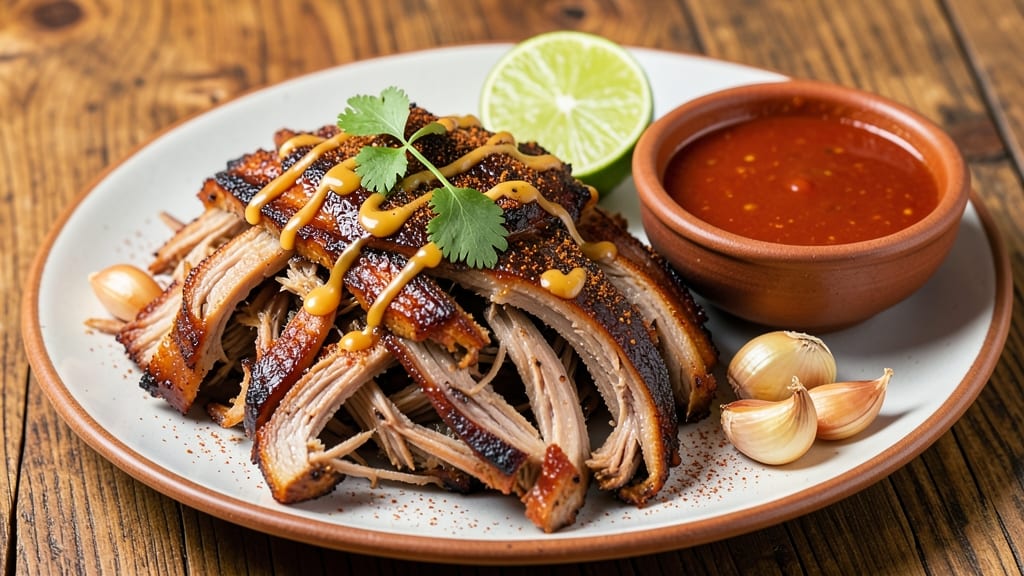
This Mexican smoked pulled pork recipe delivers the kind of tender, smoky, chipotle-kissed meat that transforms tacos into something unforgettable. After years of perfecting my technique—from brining to smoke—this method guarantees restaurant-quality results at home, whether you're using a pellet smoker or a traditional pit.
The secret lies in the adobo-spiced marinade and low-and-slow smoking that melts fat while preserving moisture.
We start with a 24-hour brine of citrus, garlic, and smoked paprika—this tenderizes the meat while infusing it with bright, complex flavors. Then, it's all about the smoke: oak and hickory blend at 225°F for 12-14 hours, creating that perfect balance of heat and sweetness.
The result? Pork so tender it falls apart at the touch, with a deep, smoky aroma that fills your entire kitchen.
Serve it in warm corn tortillas with pickled onions, avocado, and a drizzle of crema for authentic Mexican tacos, or pile it high on nachos with melted cheese and jalapeños.
The versatility is what makes this recipe a game-changer—it works for burrito bowls, quesadillas, or even as a hearty sandwich filling. Every bite delivers that perfect harmony of smoky, spicy, and tangy flavors.
What sets this apart is the attention to tradition without sacrificing modern convenience. We'll cover everything from selecting the right cut to troubleshooting your smoker, so you can achieve professional results no matter your experience level. Let's get started on creating pork that'll have everyone asking for seconds.
Ingredients for mexican smoked pulled pork
Six pounds of pork, a 24-hour marinade, and a smoker’s worth of patience—this is how you make restaurant-quality pulled pork at home.
| Ingredient | Amount | Notes |
|---|---|---|
| Pork Shoulder (Boston Butt) 🥓 | 6 lb | Bone-in preferred for flavor |
| Adobo Sauce 🌶️ | ½ cup | From canned chipotle peppers |
| Orange Juice 🍊 | 1 cup | Freshly squeezed preferred |
| Lime Juice 🍋 | ¼ cup | Freshly squeezed |
| Garlic Cloves 🧄 | 8 cloves | Minced for marinade |
| Smoked Paprika 🌶️ | 2 tbsp | High-quality for depth |
| Ground Cumin 🌿 | 1 tbsp | Toasted for aroma |
| Oregano 🍃 | 1 tbsp | Mexican oregano preferred |
| Bay Leaves 🌿 | 2 whole | Fresh for best flavor |
| Brown Sugar 🍯 | ½ cup | Light or dark |
| Apple Cider Vinegar 🍎 | ¼ cup | For tangy brightness |
| Salt 🧂 | 1 ½ tbsp | Diamond Crystal preferred |
| Black Peppercorns 🌶️ | 1 tsp | Freshly cracked |
| Oak-Hickory Wood Chips 🌳 | 1 package | For authentic smoke flavor |
| Corn Tortillas 🌽 | 16 whole | For serving |
The pork shoulder is non-negotiable here—bone-in cuts from Costco or your local butcher give you that rich, deep flavor you can't get with pre-cut boneless. Look for well-marbled meat with a vibrant pink color; anything grayish or overly dry will compromise the end result. If you're buying a whole pork shoulder, trim excess fat to about 1/4-inch thickness—this renders beautifully during smoking and keeps the meat moist. For the adobo sauce, Penzeys or Goya brands deliver the authentic chipotle heat and smokiness that defines Mexican flavor. The orange juice should be freshly squeezed—bottled versions lack the bright acidity that tenderizes the meat.
No smoked paprika? Substitute with a mix of regular paprika and a pinch of liquid smoke—though nothing beats the real thing. Running short on lime juice? Fresh lemon juice works in a pinch, but the citrus balance is crucial. The brown sugar isn't just for sweetness—it helps caramelize during smoking, adding depth to the bark. If you're using a pellet smoker, oak-hickory blend pellets (like Traeger or Green Mountain) are essential for that authentic Mexican smoky profile. For the tortillas, Mission brand is my go-to—they toast perfectly and hold up to the juicy pork without getting soggy. And if you're worried about the 24-hour brine time, don't skip it—this step is what transforms tough pork into melt-in-your-mouth perfection.
Store any leftover pulled pork in an airtight container in the fridge for up to 5 days, or freeze portions for 3 months. The flavor actually improves after a day or two as the spices meld. For serving, keep the tortillas wrapped in a damp towel in a warm oven until ready to use—this prevents them from drying out. The wood chips can be reused once or twice before they lose their potency, but I always buy fresh for that first smoke. And if you're planning ahead, double the recipe—this pork disappears faster than you can say 'taco Tuesday'
Why You'll Love This Recipe
- Tangy Smoky Magic: That adobo and citrus combo? It’s the secret weapon—deep, smoky, but with this zesty brightness that makes every bite feel like a little vacation. The garlic cloves? They caramelize into these little flavor bombs.
- Taco Night Every Night: Between us, this pulled pork turns any meal into a fiesta. Tacos, burrito bowls, nachos—even a quick sandwich with pickled onions. Honestly, I’ve served it cold in wraps when I’m too tired to reheat.
- Leftovers That Don’t Suck: Smoked pork stays tender for days, and honestly? It tastes even better the next day. Freeze half for when you’re too wiped to cook, then pull it out for quesadillas or a quick soup boost. Budget-friendly and foolproof.
Step-by-step instructions for smoky chipotle-kissed pulled pork
Here's how to transform that pork shoulder into melt-in-your-mouth perfection with deep, smoky flavor.
Prepare the Pork Shoulder with the Dry Rub
Start by removing the pork shoulder from the refrigerator and letting it sit at room temperature for 30 minutes. This ensures even cooking throughout. Pat the meat completely dry with paper towels - I can't emphasize this enough, as moisture is the enemy of crispy bark.
In a small bowl, combine the 2 tablespoons smoked paprika, 1 tablespoon ground cumin, 1 tablespoon oregano, 1.5 tablespoons salt, and 1 teaspoon freshly cracked black peppercorns. Mix thoroughly until evenly distributed. Generously coat the pork shoulder with this dry rub, pressing it into all surfaces including the fat cap. The rub should adhere well - if it doesn't, add a little water to help it stick.
Place the rubbed pork shoulder on a wire rack set over a baking sheet. This allows air circulation on all sides, which is crucial for developing that beautiful bark. Cover loosely with plastic wrap and refrigerate for at least 12 hours or up to 24 hours. This long marinating time is what creates that incredible tenderness we're after.
Create the Marinade and Prepare the Smoker
In a blender or food processor, combine the 0.5 cup adobo sauce, 1 cup freshly squeezed orange juice, 0.25 cup freshly squeezed lime juice, 8 minced garlic cloves, 0.5 cup brown sugar, 0.25 cup apple cider vinegar, and 2 whole bay leaves. Blend until smooth. Remove the pork shoulder from the refrigerator and place it in a large resealable plastic bag.
Pour the marinade over the pork shoulder, making sure it's completely coated. Seal the bag and massage the marinade into the meat, pressing out any air bubbles. Refrigerate for an additional 4-6 hours, turning the bag occasionally to ensure even coating. This step infuses the pork with incredible depth of flavor that will shine through in every bite.
While the pork marinates, prepare your smoker. Soak the oak-hickory wood chips in water for 30 minutes, then drain. Set your smoker to 225°F using the soaked wood chips. This low and slow approach is key to achieving that perfect balance of tenderness and smokiness.
Smoke the Pork Shoulder Low and Slow
Once your smoker reaches 225°F and you see clean, blue smoke, it's time to cook. Place the pork shoulder fat-side up on the smoker grates. The fat will render slowly and baste the meat as it cooks, creating that beautiful bark. Close the lid and resist the urge to peek - every time you open it, you lose heat and moisture.
Smoke the pork shoulder for 8-10 hours, maintaining a consistent 225°F temperature. You'll notice around the 6-hour mark that the internal temperature will stall around 165°F - this is normal and called "the stall." Don't worry; it's just the meat releasing moisture. The bark should develop a deep mahogany color, and you'll see smoke rings forming just beneath the surface.
Continue smoking until the internal temperature reaches 200-203°F and the meat is fork-tender. This usually takes about 10-12 hours total, but trust the probe test over the thermometer. When you insert a meat thermometer into the thickest part of the shoulder (not touching bone), it should slide in like butter with no resistance.
Rest and Shred the Pulled Pork
Remove the pork shoulder from the smoker and transfer it to a cutting board. Tent loosely with aluminum foil and let it rest for at least 1 hour, preferably 2 hours. This resting period is crucial as it allows the juices to redistribute throughout the meat, ensuring every bite is moist and flavorful. If you're short on time, you can place the wrapped pork in a cooler to rest.
After resting, remove the string and any remaining bay leaves. Using two forks or a pair of meat claws, shred the pork shoulder against the grain into 2-3 inch pieces. You should have about 4-5 cups of pulled pork. If the meat seems dry, you can add a splash of the cooking juices to keep it moist. The pork should pull apart easily with minimal resistance, and each strand should be tender enough to eat with a fork.
Serve with Warm Corn Tortillas
Warm the 16 whole corn tortillas according to package instructions - I like to heat them in a dry skillet over medium heat for 30 seconds per side until pliable. The warm tortillas will help contain all that delicious pulled pork and its juices. Serve the pulled pork immediately with the warm tortillas, allowing everyone to build their own tacos.
Each bite should deliver a perfect balance of smoky, chipotle-infused flavor with a touch of sweetness from the brown sugar and tang from the citrus. The pork should be so tender it practically melts in your mouth, with just enough resistance to hold its shape on the tortilla. This is the kind of pulled pork that makes people come back for seconds - and thirds.
Pro Tips For Making Mexican Smoked Pulled Pork
- TRUST THE PORK SHOULDER’S PATIENCE: That 8-10 hour smoke isn’t just a suggestion—it’s when the collagen breaks down and the meat falls apart like it’s supposed to. I learned this the hard way by rushing it to 6 hours, ending up with tough, chewy pork that tasted like overworked leather. Keep the smoker steady at 225°F (203°C) and resist the urge to peek.
- SALT THE PORK BEFORE SMOKING: Generously coat the Boston butt with kosher salt at least 12 hours ahead—yes, even if you’re using adobo sauce. This isn’t just for flavor; it’s what makes the crust crisp and the meat juicy. I skipped it once, and the pork ended up dry despite all the citrus and smoke.
- DON’T SKIP THE GARLIC INFUSION: Smash those garlic cloves into a paste and rub it directly onto the pork before hitting the smoker. The heat will mellow the raw bite, but the flavor will seep in deeper than if you just toss it in later. I was skeptical until I tried it—now it’s non-negotiable.
- USE FRESH LIME JUICE AT THE END: Save a splash of fresh lime juice for the last 30 minutes of smoking or when shredding. Store-bought juice loses its punch, and this brightens the adobo’s smoky depth. I used bottled once and the whole dish tasted flat—like someone forgot to finish it.
Flavor customization for these flavors
Spice Level Control
Adjust the heat to your preference by modifying the adobo sauce and smoked paprika. For a milder version, reduce the adobo to ¼ cup and add ½ teaspoon ground cumin to balance. If you love heat, increase adobo to ¾ cup and add 1 teaspoon cayenne pepper.
I once made a batch with 1 tablespoon chipotle powder in adobo—trust me, it packs a punch! 🌶️
Sweet-Smoky Balance
The brown sugar in the marinade adds depth, but you can tweak it. For a sweeter profile, add 1 tablespoon honey or 1 teaspoon maple syrup to the marinade.
If you prefer less sweetness, reduce the brown sugar to ¼ cup and boost the apple cider vinegar to ⅓ cup for extra tang. The key is maintaining harmony between smoky, spicy, and sweet notes.
Citrus Variations
Swap the orange juice for grapefruit juice (½ cup) for a sharper, more complex flavor. Or try pineapple juice (½ cup) for a tropical twist—it pairs surprisingly well with the smoky pork.
For a brighter finish, add 1 tablespoon lime zest to the marinade. I once used lemon juice instead of lime, and while it worked, the citrus balance wasn’t quite as vibrant.
Wood Smoke Alternatives
While oak-hickory is traditional, experiment with mesquite for a stronger, earthier smoke or fruitwoods like cherry for a sweeter profile. If you’re using pellets, try a 50/50 oak-cherry blend for a unique twist.
Just soak the wood chips for 20 minutes to ensure steady smoke. I’ve even used pecan wood—it adds a subtle nuttiness that’s delicious with the pork.
Texture Adjustments
For extra tender pork, add 1 tablespoon apple cider vinegar to the marinade—it breaks down fibers further. If you prefer more bark, increase the smoked paprika to 3 tablespoons and pat the pork extra dry before smoking.
I once added 1 teaspoon coffee grounds to the rub for a deeper, almost espresso-like bark—it was a hit!
Serving Style Flexibility
This pulled pork isn’t just for tacos! Use it in burrito bowls with cilantro-lime rice and black beans, or stuff it into quesadillas with Oaxaca cheese and pico de gallo.
For a Southern twist, pile it high on buns with coleslaw and pickles. The possibilities are endless—just keep the crema and pickled onions nearby for that authentic Mexican touch. 🌮
Nutrition facts
Frequently asked questions
Can I use boneless pork shoulder instead of bone-in?
Yes, but expect slightly less flavor and moisture retention. Bone-in cuts stay juicier during the long smoke, and the bone adds depth to the flavor. If using boneless, trim excess fat to 1/4-inch and consider adding 1 extra tablespoon of brown sugar to the marinade to compensate. For best results, look for well-marbled boneless pork from your butcher.
How do I know when the pork is fully cooked?
Use a meat thermometer to check the internal temperature at the thickest part (not touching bone). It should read 200-203°F—this is the "probe test" that guarantees tender, pull-apart perfection. The pork will also have a deep mahogany bark and should feel fork-tender when pierced. Never rely on time alone; the thermometer is your best friend here.
What's the best way to reheat leftovers?
Reheat gently in a skillet over low heat with 2 tablespoons of apple cider vinegar or chicken broth to restore moisture. Alternatively, warm in a 300°F oven for 15-20 minutes covered with foil. Avoid microwaving—it turns the pork rubbery. For extra flavor, add a splash of the original marinade or a pinch of smoked paprika while reheating.
Can I make this in an oven instead of a smoker?
Preheat your oven to 275°F and place the pork on a rack over a baking sheet. Add 1 cup water and 1 soaked oak chip to the sheet for indirect heat. Smoke for 6-8 hours, basting occasionally with marinade. For extra smokiness, wrap the pork in foil with a few wood chips during the last 2 hours. The texture will be slightly different but still delicious.
How do I store the pulled pork for later use?
Store in an airtight container in the fridge for up to 5 days or freeze for 3 months. For freezing, portion into 1-cup servings in freezer bags with the marinade. Thaw overnight in the fridge—never at room temperature. The flavor actually improves slightly after 24 hours as the spices meld. For serving, reheat with a splash of water or broth to restore juiciness.