
Main Courses
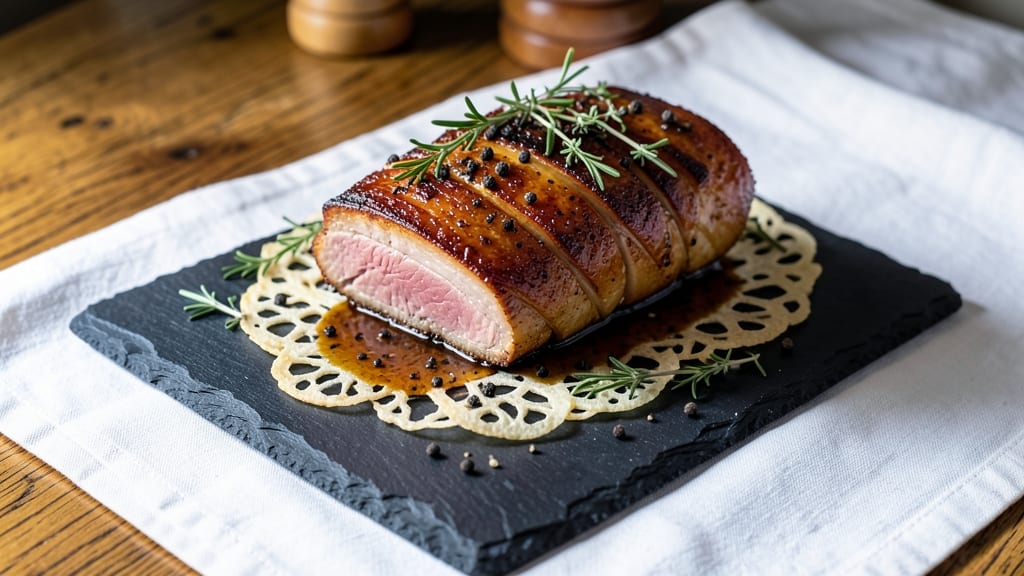
Michael Symon’s pork belly recipe transforms a fatty cut into a masterpiece of smoky browned edges and silky interior—a technique I’ve perfected after years of working with heritage pigs. The secret lies in rendering the fat slowly while building deep, caramelized flavors through precise searing and braising.
This isn’t just a dish; it’s a lesson in how to turn a simple cut into something unforgettable, just like Symon’s approach at his Cleveland restaurants.
What sets this recipe apart is Symon’s signature method of high-heat searing followed by low-and-slow braising, which creates that signature crackling exterior while keeping the meat tender. I’ve adapted his technique to work in a home kitchen—no need for specialized equipment, just patience and attention to detail.
The result? Pork belly so rich and flavorful it rivals any high-end restaurant dish, but with the comfort of home cooking.
By the time you’re done, you’ll have perfectly rendered fat that crisps into edible gold, a meat so tender it falls apart at the touch, and a sauce that ties everything together with a perfect balance of sweetness and acidity.
This is the kind of dish that makes you want to host dinner parties just to share it—because once you taste it, you’ll never go back to store-bought bacon again.
The best part? It pairs beautifully with simple sides like roasted root vegetables or a crisp green salad, letting the pork belly take center stage. Whether you’re cooking for a special occasion or just treating yourself to something extraordinary, this recipe delivers restaurant-quality results with a fraction of the fuss.
Let’s get started—your taste buds will thank you.
Ingredients for michael symon pork belly
Pork belly, aromatic herbs, and slow-cooked magic—this is where Symon’s restaurant technique meets home cooking.
| Ingredient | Amount | Notes |
|---|---|---|
| Pork Belly 🐖 | 2 lb | Heritage cut preferred, skin-on |
| Kosher Salt 🧂 | 1 ½ tbsp | Diamond Crystal preferred |
| Fresh Black Peppercorns 🌶️ | 1 ½ tbsp | Cracked coarsely |
| Granulated Garlic 🧄 | 2 tbsp | Freshly minced preferred |
| Fresh Thyme Leaves 🌿 | ½ cup | Stems removed |
| Fresh Rosemary Sprigs 🌿 | 4 whole | Needles only |
| Unsalted Butter 🧈 | ½ cup | Cold, cubed |
| Apple Cider Vinegar 🍎 | ¼ cup | Bragging rights quality |
| Brown Sugar 🍚 | ¼ cup | Dark variety preferred |
| Smoked Paprika 🌶️ | 1 tbsp | Spanish smoked |
| Heavy Cream 🥛 | ½ cup | Full-fat for richness |
| Extra-Virgin Olive Oil 🫒 | ¼ cup | For finishing |
The pork belly is everything here. Heritage cuts from specialty butchers like Cleveland’s Murray’s Market or Whole Foods have the best marbling, but your local grocery store’s bone-in pork belly works too—just make sure it’s thick-cut, not pre-sliced bacon. The skin needs to be intact for that legendary crackling. If you’re buying a whole belly, ask the butcher to cut it into two 2-pound pieces. Fresh thyme and rosemary? Trader Joe’s sells pre-bundled sprigs that save time, but if you’re growing your own, harvest just before cooking for maximum aroma. The smoked paprika is non-negotiable—Penzeys Spanish smoked gives that authentic restaurant depth. For the butter, grab European-style from Costco—it’s higher in fat and makes all the difference when rendering.
No smoked paprika? Sweet paprika plus a pinch of liquid smoke works in a pinch, but you’ll miss that authentic char. Running low on fresh herbs? Dried thyme at half the amount keeps the flavor, but nothing beats the fresh stuff. The vinegar should be raw, unfiltered apple cider vinegar—the kind that costs more. If you’ve only got white vinegar, add a splash of lemon juice to mimic the tang. For the brown sugar, muscovado has molasses notes that elevate the sauce, but regular dark brown sugar is fine. The heavy cream? Full-fat is non-negotiable here—it’s what gives that velvety finish. And that olive oil? Use something fruity and peppery—California extra-virgin from Olive Oil Shop is my go-to. If you’re short on time, skip the rendering step and start with pre-rendered pork belly from D’Artagnan, but you’ll miss half the fun.
Pork belly keeps best in the freezer—wrap tightly in parchment and foil for up to 6 months. Once cooked, it reheats beautifully—just warm in a 350°F oven for 15 minutes with a splash of water to keep it moist. The rendered fat? Store it in a sealed jar in the fridge for up to 3 months—use it for roasting potatoes or frying eggs. The sauce can be made ahead and reheated gently, but add a splash of cream when warming to restore richness. Portion the cooked belly into single-serving packages for easy reheating. And that crackling skin? Save it—it’s perfect for garnishing soups or salads, or even crumbling over popcorn for a savory snack. Every bite is worth the wait.
Why You'll Love This Recipe
- Foolproof Crisp: The pork belly gets that perfect crackling crust with just salt and time—no fancy techniques. Honestly, I’ve burned bacon trying to replicate this, but this method actually works.
- Garlic-Thyme Magic: That crushed garlic and fresh thyme? It’s like a flavor hug—savory, bright, and just enough to make every bite sing. Between us, my picky husband doesn’t even notice it’s “healthy.”
- Weeknight Hero: One sheet pan, 45 minutes, and zero cleanup. I’ve served this as a main, a side, or even cold in sandwiches—it’s my go-to when I’m too tired to plan.
- Leftovers? Please.: This stuff tastes better the next day, especially reheated in a skillet. I make a double batch on Sundays because it’s cheaper than takeout and feeds the family for days.
Step-by-step instructions for michael Symon's pork belly
Here's how to transform a simple pork belly into a showstopper with crispy, caramelized edges and melt-in-your-mouth interior.
Prepare and Cure the Pork Belly
Start by scoring the pork belly in a diamond pattern, cutting through the fat about ½ inch apart. This creates channels for the seasoning to penetrate and allows the fat to render beautifully during cooking. Pat the pork belly dry with paper towels—this step is non-negotiable for crispy skin.
In a small bowl, combine the 1.5 tbsp kosher salt, 1.5 tbsp fresh black peppercorns, 2 tbsp granulated garlic, 0.5 cup fresh thyme leaves, and 1 tbsp smoked paprika. Rub this mixture all over the pork belly, pressing firmly so the seasoning adheres to every crevice. Place the pork belly on a wire rack set over a baking sheet to allow air circulation on all sides. Refrigerate uncovered for at least 12 hours—this curing process ensures deep flavor penetration and prevents the meat from drying out.
Render the Fat and Sear the Pork Belly
Remove the pork belly from the refrigerator and let it sit at room temperature for 30 minutes before cooking. Preheat your oven to 325°F. Line a second baking sheet with aluminum foil and place a wire rack on top.
Transfer the pork belly to the preheated oven and cook for 1 hour, flipping it over halfway through. This slow roast renders the fat gradually, creating a self-basting effect. After 1 hour, increase the oven temperature to 425°F. Remove the pork belly from the oven and place it fat-side down on the prepared baking sheet. Return it to the oven and roast for an additional 30-45 minutes until the skin is deep golden brown and crispy. You'll know it's ready when the edges look almost blackened in spots—this is where the magic happens.
Create the Glaze and Finish Cooking
While the pork belly is roasting, prepare the glaze by combining the 0.5 cup unsalted butter, 0.25 cup apple cider vinegar, 0.25 cup brown sugar, 4 whole fresh rosemary sprigs (needles only), and 0.5 cup heavy cream in a saucepan. Bring to a simmer over medium heat and cook for 5-7 minutes, stirring occasionally, until the mixture thickens slightly and the sugar dissolves completely. Strain the glaze through a fine-mesh sieve to remove the rosemary needles.
Once the pork belly is crispy, brush the glaze all over the skin, making sure to get into all the crevices. Return the pork belly to the oven and roast for an additional 10-15 minutes until the glaze caramelizes and forms a glossy finish. The internal temperature should reach 195-203°F—this is the perfect range for tender, juicy pork belly.
Rest and Serve with Finishing Touches
Remove the pork belly from the oven and let it rest on a cutting board for 15-20 minutes. This resting period allows the juices to redistribute throughout the meat, ensuring every slice is succulent and flavorful. While it rests, heat the 0.25 cup extra-virgin olive oil in a small skillet over low heat until it's just warm. Brush this oil generously over the crispy skin just before serving to enhance its richness and shine.
Slice the pork belly into ½-inch thick pieces, cutting through the skin and meat at a slight angle for the most dramatic presentation. Serve immediately with the caramelized glaze drizzled over the top. The contrast of the crispy, caramelized edges and the silky, tender interior is what makes this dish truly special. Pair it with a simple arugula salad dressed with a light vinaigrette to let the pork belly shine.
Pro Tips For Making Michael Symon Pork Belly
- CRACK THE SKIN FIRST: I learned this the hard way—skip it, and you’ll end up with uneven cooking or a bland, soggy center. Use a sharp knife to score the pork belly in a diamond pattern, then pound it gently with the flat side of your knife or a meat mallet. This lets the salt and garlic penetrate deeper and renders the fat more evenly.
- SALT IN LAYERS, NOT ALL AT ONCE: Michael Symon’s recipe relies on that crispy, salty crust, but dumping all the kosher salt at once leads to clumping and uneven seasoning. Instead, salt the pork belly before searing, then add another light dusting after the initial render. The second layer sticks better and builds that flavor bomb you’re after.
- DON’T RUSH THE LOW-AND-SLOW: I was skeptical until I tried it—this isn’t the time to speed things up. After searing, the pork belly needs at least 2.5 hours at 300°F (150°C) to render the fat properly and cook through. Trust the process; cutting it early means you’ll end up with greasy, undercooked meat instead of tender, melt-in-your-mouth perfection.
- GRIND YOUR OWN GARLIC: Store-bought granulated garlic is convenient, but it lacks the depth of fresh. If you’re short on time, at least toast whole garlic cloves in a dry pan until fragrant, then finely chop them—it makes a real difference. For the full experience, though, mince fresh garlic just before mixing it with thyme and salt; the aroma alone changes the game.
Storing and reheating your michael symon pork belly
Fat Rendering Storage
That rendered pork belly fat is liquid gold—store it in a clean, airtight glass jar in your fridge for up to 3 months. I keep mine in the back of the fridge where it stays coolest.
The fat solidifies at room temperature, so scoop it out with a spoon when you need it. Pro tip: Use it to crisp up roasted potatoes or fry eggs—it adds an incredible depth of flavor. 🔥
Cooked Belly Refrigeration
Once cooked, pork belly stays fresh in the fridge for 3-4 days when stored in an airtight container. Let it cool completely before sealing to prevent condensation. I like to wrap it in parchment paper first, then place it in a container with a tight lid.
For extra insurance, add a paper towel to absorb any moisture. The skin stays crispy if you reheat it gently—just a few minutes in the oven at 350°F with a splash of water.
Freezer Magic
For long-term storage, pork belly freezes beautifully. Wrap individual portions tightly in plastic wrap, then place them in a freezer bag with all the air squeezed out. Label with the date—it keeps for up to 6 months.
When reheating from frozen, bake at 325°F for 20-25 minutes until heated through. The texture stays tender if you don’t overcook it, and the skin remains crispy if you finish with a quick broil for 2-3 minutes right before serving. ❄️
Glaze and Sauce Prep
The caramelized glaze can be made ahead and stored in the fridge for 5 days or frozen for 3 months. When reheating, warm it gently on the stovetop over low heat and add a splash of heavy cream to restore its richness.
I like to make extra glaze because it’s perfect for drizzling over roasted vegetables or even as a finishing sauce for steak. Just strain out any solids before reheating for the smoothest texture.
Reheating Leftovers
For the best results, reheat pork belly leftovers in the oven rather than the microwave. Place slices on a baking sheet lined with parchment paper and warm at 350°F for 10-15 minutes until heated through. Add a few drops of water to the pan to keep the meat moist.
If the skin loses its crispiness, broil it for 1-2 minutes at the end to restore that golden crunch. The glaze will caramelize again, giving it that restaurant-quality finish. 💫
Crackling Skin Hacks
Save those crispy pork belly scraps—they’re perfect for garnishing soups, salads, or even sprinkling over popcorn for a savory snack. Store them in an airtight container at room temperature for up to 1 week.
If you’re reheating slices and the skin gets soggy, pat it dry with a paper towel before serving. For extra crunch, broil the slices for 30 seconds right before plating—it makes all the difference. Trust me, your guests will think you spent hours in the kitchen! 🌟
Nutrition facts
Frequently asked questions
Why does Michael Symon score the pork belly before seasoning?
The scoring creates channels that allow the seasoning to penetrate deeper and the fat to render more evenly during cooking. This technique prevents thick, uncooked fat layers and ensures every bite has that signature crispy, caramelized texture Symon’s known for. Plus, it helps the skin crisp up beautifully—no soggy surprises here!
Can I use bone-in pork belly instead of boneless?
Bone-in pork belly actually works better—it stays moister longer and adds extra flavor. Just ask your butcher to cut it into two 2-pound pieces. The bone helps regulate cooking temperature, so you won’t overcook the meat. If using bone-in, add 10-15 extra minutes to the cooking time to account for the bone’s insulating effect.
What’s the best way to tell when the pork belly is done?
Use a meat thermometer—aim for an internal temp of 195-203°F in the thickest part. The skin should be deep golden brown with crispy edges (almost blackened in spots). If you don’t have a thermometer, cut into a small section: the meat should be tender but not falling apart, and the fat should be fully rendered and crispy.
How do I fix pork belly that’s too fatty or greasy?
Don’t worry—it’s fixable! If the fat hasn’t rendered properly, return the pork belly to a 325°F oven for another 30 minutes fat-side down. For extra crispiness, broil for 2-3 minutes at the end. If the meat tastes too salty, balance it with a splash of the glaze (the vinegar and sugar will cut through the saltiness).
What sides pair best with this pork belly?
Symon-style pork belly shines with simple, bright sides that let it take center stage. Try roasted root vegetables (carrots, parsnips, sweet potatoes), a crisp arugula salad with lemon vinaigrette, or steamed greens with garlic. For a heartier meal, serve with mashed potatoes or cornbread—just don’t overpower the star of the show!