
Side Dishes
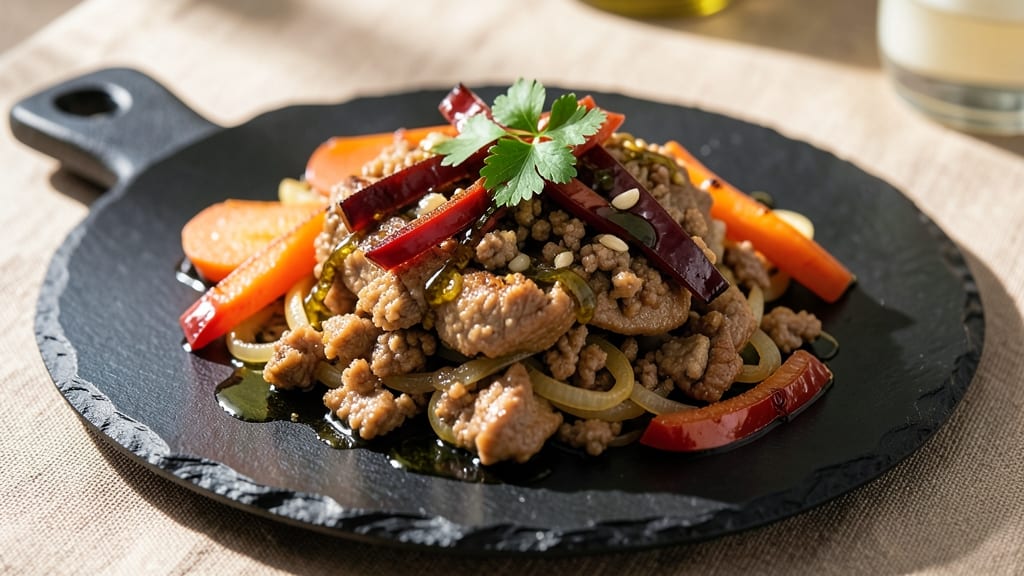
This one-pot minced pork and vegetables stir-fry delivers restaurant-quality umami depth with minimal effort—perfect for weeknight dinners when you crave bold flavors without the fuss. ✨ I developed this recipe during a particularly hectic week when I needed a dish that came together in one pan, using ingredients I always had on hand.
The secret lies in properly browning the pork first, which builds layers of savory richness that transform simple vegetables into something extraordinary.
What makes this recipe work is the balance of textures and flavors: tender, caramelized pork meets crisp-tender vegetables, all coated in a light, aromatic sauce that enhances rather than overpowers.
The process is straightforward—brown the pork, stir-fry the vegetables in batches to avoid steaming, and finish with a splash of soy sauce and a touch of sweetness for depth. This method ensures every bite delivers that perfect harmony of savory, slightly sweet, and umami-packed goodness.
The result is a one-pot dish that’s hearty enough to stand alone but pairs beautifully with steamed jasmine rice or fluffy noodles to soak up the flavorful sauce. The aroma alone will have everyone gathered around the table, and the leftovers reheat perfectly for lunch the next day.
It’s the kind of meal that feels special without requiring hours in the kitchen—just 30 minutes of active time and a single pan to clean.
Whether you're feeding a family or meal prepping for the week, this recipe scales effortlessly. The technique is foolproof, and the flavors only deepen as it sits, making it ideal for those nights when you want something satisfying but don’t have the energy for a complicated meal.
Let’s get cooking—your taste buds will thank you.
Ingredients for minced pork and vegetables
Simple ingredients that pack serious flavor—this one-pot stir-fry delivers restaurant-quality umami with minimal effort.
| Ingredient | Amount | Notes |
|---|---|---|
| Ground Pork 🐖 | 1 lb | Lean or regular, finely minced |
| Extra-Virgin Olive Oil 🫒 | 2 tbsp | For high-heat searing |
| Carrots 🥕 | 2 medium | Julienned into thin strips |
| Onion 🧅 | 1 large | Thinly sliced, yellow or red |
| Bell Pepper 🌶️ | 1 whole | Red or green, diced |
| Garlic Cloves 🧄 | 4 cloves | Minced for aromatic base |
| Fresh Ginger 🌿 | 1 tbsp | Grated, fresh preferred |
| Low-Sodium Soy Sauce 🥢 | 3 tbsp | For umami depth |
| Honey 🍯 | 1 tbsp | For subtle sweetness |
| Sesame Oil 🌱 | 1 tsp | For aromatic finish |
| Salt 🧂 | ½ tsp | Kosher or sea salt |
| Black Pepper 🌶️ | ¼ tsp | Freshly ground |
| Green Onions 🧅 | 2 whole | Sliced, for garnish |
| Sesame Seeds 🌰 | 1 tsp | Toasted for crunch |
The pork is where the magic starts. Ground pork from the butcher's counter (not pre-minced) gives the best texture—it browns beautifully and stays tender. Trader Joe's or Whole Foods carry excellent quality, but the regular grocery store stuff works too. Look for good fat content—about 15-20%—so it doesn't dry out. The carrots should be crisp; organic ones from the farmers market stay crunchier. If you're short on time, baby carrots work in a pinch, but they won't look as pretty. The bell pepper? Red or green—whatever's on sale. Yellow peppers add sweetness if you're feeling fancy, but they're not necessary.
No soy sauce? Coconut aminos work in a bind, though it's slightly sweeter. Fresh ginger is ideal, but dried ginger at half the amount gets you close. The honey can be swapped for maple syrup if you're vegan—just reduce the soy sauce slightly. Sesame oil is non-negotiable for that nutty aroma, but if you're avoiding it, toasted sesame seeds in the sauce add similar depth. The garlic and ginger should be minced finely—a food processor makes quick work of it. For extra umami, add a dash of fish sauce (if not vegetarian) or a pinch of MSG to the soy sauce mixture.
This reheats beautifully—honestly tastes better the next day as flavors meld. Store in an airtight container for 4-5 days in the fridge or freeze for 3 months. I always double the batch because it disappears fast. The sauce thickens as it cools, so add a splash of water when reheating. Garnish with fresh green onions and sesame seeds right before serving—that's the difference between good and great. If you're prepping for the week, portion into containers with rice so lunches are ready to grab.
Why You'll Love This Recipe
- One-Pan Magic: I swear by this—just toss everything in one skillet, no flipping required. The carrots caramelize right alongside the pork, and by the time the bell pepper softens, you’re done. Honestly, I’ve made it while scrolling through my phone.
- Savory Umami Bomb: That first bite? The pork’s rich, meaty depth with the sweetness of caramelized onions and the slight crunch of bell pepper—it’s like a hug in a pan. The olive oil adds this silky finish that makes it taste restaurant-worthy.
- Lunchbox Hero: Between us, this is my go-to for meal prep. Pack it cold in jars, and it reheats like a dream—no soggy veggies, just hearty, flavorful bites. My kids actually eat their veggies when they’re hiding in here.
- Budget-Friendly Powerhouse: Ground pork stretches further than you’d think, and the veggies bulk it up without breaking the bank. I’ve fed four people for under $10, and the leftovers? Even better the next day with a sprinkle of soy sauce.
Step-by-step instructions for one-pot minced pork stir-fry
Here's how to create a perfectly balanced stir-fry with deep umami flavor—all in one pan.
🍳 Step 1: Sear the Pork Until Browned
Heat a large skillet or wok over medium-high heat until it's smoking slightly. Add the 1 lb ground pork and let it sit undisturbed for 1-2 minutes—this creates a nice crust. Use a wooden spoon to break up the pork into small pieces as it cooks.
Watch for the pork to lose its raw color and turn golden brown throughout. This searing step is crucial—it builds flavor through the Maillard reaction. If the pork starts sticking too much, you can add 1 tablespoon of the extra-virgin olive oil to help release it from the pan.
👨🍳 Step 2: Stir-Fry the Vegetables
Push the cooked pork to one side of the pan. Add the remaining 1 tablespoon extra-virgin olive oil and swirl to coat the pan. Add the thinly sliced onion and diced bell pepper first—they need the most time to soften. Stir-fry for 3-4 minutes until they begin to soften but still retain some bite.
Add the julienned carrots, minced garlic cloves, and grated fresh ginger. Stir everything together and cook for another 2-3 minutes until the garlic becomes fragrant and the carrots begin to soften. You want the vegetables to stay vibrant but tender—overcooking will make them mushy.
🥘 Step 3: Combine and Season
Return the pork to the center of the pan and stir everything together. Add the 3 tablespoons low-sodium soy sauce, 1 tablespoon honey, 0.5 teaspoon salt, and 0.25 teaspoon black pepper. Stir well and let the mixture cook for 3-4 minutes until everything is heated through and the sauce begins to thicken slightly.
Here's the thing—don't rush this step. The sauce needs time to meld with all the flavors. If it starts to dry out before the flavors develop, add 1-2 tablespoons of water to keep everything moist. The dish should have a glossy sheen from the sauce.
🔥 Step 4: Finish with Aromatics
Reduce the heat to medium-low and stir in the 1 teaspoon sesame oil. This adds a nutty aroma that elevates the entire dish. Taste the mixture and adjust the seasoning if needed—you might want to add a bit more soy sauce for saltiness or honey for sweetness.
Remove the pan from heat and let the stir-fry rest for 1-2 minutes. This gives the flavors time to settle and the sauce to thicken just right. Then, garnish with the sliced green onions and toasted sesame seeds. Toast the sesame seeds in a dry pan for 30 seconds until fragrant before sprinkling them on top for maximum flavor impact.
Pro Tips For Making Minced Pork And Vegetables
- Sear the Pork First: Don’t just toss the raw pork in with the veggies—get that pan screaming hot and brown the meat in batches first. I learned this the hard way when my dish turned out gray and bland; a quick 2-3 minute sear on high heat builds flavor you can’t get any other way. Let the onions and peppers join in after the pork pulls away cleanly.
- Dice Veggies Evenly: Skip the random chopping—aim for ½-inch cubes for carrots and bell peppers, and thin slices for onions. Uneven pieces mean some veggies stay crunchy while others turn mushy. My grandmother swore by this, and she was right: consistency = harmony in every bite.
- Salt the Pork Early: Toss the ground pork with ½ teaspoon of salt before cooking—it draws out moisture, so you’ll need to pat it dry later. I was skeptical until I tried it; the meat browns better, and the final texture is juicier. (Yes, even if you’re impatient like me.)
- Deglaze with a Splash: After browning the pork, splash in ¼ cup of water or broth and scrape the pan like your life depends on it. That crusty bit? Pure flavor. I skip this when I’m lazy, but the dish is noticeably better when I don’t—it’s the thing that makes your sauce sing.
Creative variations of these flavors
Southern Comfort Style
Channel your inner Georgia cook by swapping the soy sauce for ½ cup homemade BBQ sauce (I use a tangy vinegar-based one) and adding ½ cup diced tomatoes with the vegetables. Toss in ½ cup cooked black-eyed peas for a classic Southern touch.
Finish with a sprinkle of smoked paprika and serve over fluffy white rice. This version reminds me of my grandma's potluck dishes—comfort food at its finest. 🌶️
Spicy Sichuan Fusion
For a fiery kick, add 1 tbsp Sichuan peppercorns toasted and ground to the oil before cooking the pork. Stir in 1 tbsp chili bean paste (or 1 tsp chili crisp) with the soy sauce, and finish with 1 tsp doubanjiang (fermented chili bean paste).
Garnish with thinly sliced scallions and crushed peanuts for texture. This version packs serious heat but balances with sweetness from the honey. 🔥
Mediterranean Herb Twist
Replace the soy sauce with 3 tbsp lemon juice and 2 tbsp olive oil, then add 1 tsp dried oregano, 1 tsp dried thyme, and ½ tsp cinnamon to the pork. Stir in ½ cup crumbled feta cheese at the end for a bright, herby flavor.
Top with kalamata olives and fresh parsley. This version feels like a summer garden in a pan—perfect for a light lunch. 🌿
Breakfast-for-Dinner Mashup
Turn this into a hearty breakfast by adding 2 scrambled eggs cooked directly in the pan with the pork. Stir in ½ cup cooked breakfast sausage (crumbled) and top with sautéed spinach.
Serve with toasted brioche and hot sauce on the side. I love this version for lazy Sunday mornings—it’s like a stir-fry brunch. 🍳
Vegetarian Swap
Replace the pork with 1 lb extra-firm tofu pressed and cubed, or 1 lb mushrooms (shiitake or cremini) sliced thin. For umami depth, add 1 tbsp miso paste to the sauce. The mushrooms especially soak up the flavors beautifully, making this a satisfying meat-free option. 🌱
Meal Prep Powerhouse
Double the recipe and portion it into glass meal prep containers with steamed jasmine rice at the bottom. The flavors meld even better overnight, and it reheats perfectly in the microwave.
Store in the fridge for 4-5 days or freeze for 3 months. I always prep this on Sundays—it’s my go-to for busy weeknights. ✨
Nutrition facts
Frequently asked questions
Can I use ground beef instead of minced pork?
You can absolutely substitute ground beef, but the texture and flavor will differ slightly. Use an 80/20 lean-to-fat ratio for juiciness, and consider adding 1 teaspoon smoked paprika to mimic pork's depth. Beef requires slightly longer browning time—watch closely to avoid overcooking.
How do I prevent the vegetables from getting mushy?
Cook them in batches and keep stirring! Start with onions and peppers (they need the most time), then add carrots and garlic last. Use high heat and avoid overcrowding the pan. If needed, work in two batches to maintain crisp-tender texture.
What's the best way to serve this dish?
This stir-fry pairs perfectly with steamed jasmine rice or egg noodles to soak up the flavorful sauce. For extra heartiness, serve with a side of quick-pickled cucumbers or steamed bok choy to balance the richness.
Can I make this recipe ahead of time?
Yes! This dish actually tastes better the next day as flavors meld. Store in an airtight container in the fridge for 4-5 days or freeze for 3 months. When reheating, add 1 tablespoon water to prevent drying out—microwave until steaming hot.
What if I don't have sesame oil?
No problem! Use 1 teaspoon toasted sesame seeds instead—simply dry-toast them in a pan for 30 seconds until fragrant, then sprinkle over the finished dish. This adds similar nutty aroma without the oil's strong flavor.