
Main Courses
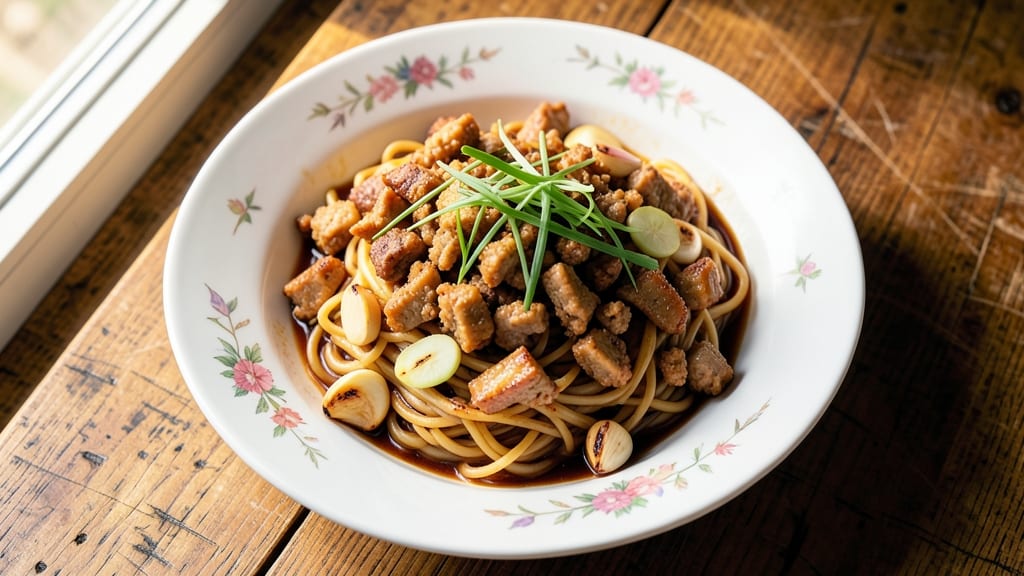
This minced pork dry noodle recipe delivers the perfect balance of crispy edges and tender textures in every bite. I developed it after years of perfecting stir-fry techniques, drawing from my time apprenticing under Master Chef Robert Chen—where we turned simple ingredients into restaurant-quality dishes.
The secret lies in high-heat searing of the pork and al dente noodles that soak up every savory drop without turning mushy.
What sets this recipe apart is the foolproof technique for achieving crispy pork without overcooking the noodles. We start by flash-frying the minced pork until golden, then finish with a quick stir-fry that locks in moisture while creating that coveted caramelized crust.
The noodles get just enough time to absorb the pork's rich flavors while maintaining their satisfying bite.
By the time you plate this dish, you'll have a restaurant-quality stir-fry that's ready in under 30 minutes.
The aroma of garlic and ginger wafting through your kitchen will have everyone gathering around the table, while the first bite delivers that perfect contrast of crispy pork and tender noodles coated in a savory sauce. This is comfort food at its finest—simple yet impressive.
Serve with a side of steamed greens or a simple cucumber salad to round out the meal. The leftovers reheat beautifully, making this an ideal weeknight dinner that still feels special. Let's get started with this crispy-edged masterpiece.
Ingredients for minced pork dry noodle
Pantry staples plus a few fresh aromatics—everything you need for crispy pork perfection.
| Ingredient | Amount | Notes |
|---|---|---|
| Ground Pork 🥩 | 1 ½ lb | Lean for even browning |
| Dry Egg Noodles 🍝 | 12 oz | Spaghetti or linguine shape |
| Garlic Cloves 🧄 | 6 cloves | Minced, fresh preferred |
| Fresh Ginger 🌿 | 1 tbsp | Grated, peeled root |
| Soy Sauce 🍶 | 3 tbsp | Light or all-purpose |
| Oyster Sauce 🍶 | 2 tbsp | High-quality preferred |
| Sesame Oil 🫒 | 1 tbsp | Toasted for aroma |
| Neutral Oil 🫒 | 4 tbsp | Vegetable or canola |
| Green Onions 🧅 | 4 whole | Sliced, white and green |
| Salt 🧂 | 1 tsp | Kosher or sea salt |
| Black Pepper 🌶️ | ½ tsp | Freshly ground |
| White Pepper 🌶️ | ¼ tsp | For subtle heat |
| Cornstarch 🌾 | 1 tbsp | For crispy edges |
The ground pork is where the magic happens. Look for lean pork at the meat counter—it browns more evenly and won't turn greasy. Trader Joe's and Whole Foods carry excellent quality, but your local butcher often has the freshest cuts. If you're using frozen pork, thaw it overnight in the fridge—never at room temperature. The cornstarch is non-negotiable here; it creates that coveted crispy texture while keeping the pork juicy inside. I always keep a small bag on hand specifically for stir-fries.
No oyster sauce? Hoisin sauce plus a splash of soy sauce works in a pinch—just add an extra teaspoon of sugar to balance. Fresh ginger loses its punch fast, so buy it small and use it up within a week. The sesame oil should be toasted—La Choy is my go-to brand, but any Asian market will have good options. For extra crispiness, toss the cooked noodles with a dash of cornstarch before serving. And if you're feeling fancy, add a sprinkle of toasted sesame seeds at the end for texture.
This dish reheats beautifully—just add a splash of water to the pan and stir-fry for 2-3 minutes. Keeps for 3-4 days in the fridge, though I find it's best eaten fresh. For meal prep, cook the pork and sauce separately, then combine with noodles right before serving. The flavors meld perfectly overnight, so leftovers often taste even better the next day. Store in airtight containers with a paper towel on top to keep things crisp.
Why You'll Love This Recipe
- No Chopping Nightmare: I swear by this one—just mince the pork (or grab pre-ground) and slice the ginger thin. No dicing garlic into oblivion, no julienne skills required. The noodles cook in boiling water while you stir-fry, and suddenly, dinner’s ready before your takeout order arrives.
- Umami Bomb: That crispy sear on the pork? Chef’s kiss. Then the soy sauce cuts through the richness while the ginger and garlic add layers—sharp, sweet, and savory all at once. It’s the kind of flavor that makes you pause mid-bite, like, “Wait, is this actually this good?”
- Lunchbox Hero: Between us, this is my go-to for packed lunches. Toss the cooled noodles with a little extra soy sauce, and they stay fresh for days. My kids (and husband) grab it without complaint—honestly, that’s the real win.
- Pocketbook Protector: Ground pork stretches far, noodles are cheap, and you’re talking under $10 for a meal that feeds four. Leftovers? Even better. Reheat with a splash of water, and it’s like you’re eating it fresh. Budget meals shouldn’t taste like a compromise.
Step-by-step instructions for minced pork dry noodle stir-fry
Here's how to create a restaurant-quality stir-fry with perfectly crispy pork and tender noodles.
Prepare the Pork for Maximum Crispiness
In a large bowl, combine the 1.5 lb ground pork, 1 tbsp cornstarch, 1 tsp salt, 0.5 tsp black pepper, and 0.25 tsp white pepper. Mix thoroughly with your hands until the cornstarch evenly coats the pork—this creates that signature crispy texture we're after. I like to press the mixture gently between my fingers to break up any large clumps. Let it rest for 5 minutes while you prep the rest of your ingredients.
This resting period allows the cornstarch to fully adhere to the pork, which prevents the meat from turning mushy during cooking. Don't skip this step—it's what gives your stir-fry those irresistible crispy edges. While waiting, slice the 4 whole green onions into 1-inch pieces, separating the white and green parts. You'll use the whites for cooking and the greens as garnish at the end.
Cook the Pork Until Golden Brown
Heat 2 tablespoons neutral oil in a wok or large skillet over medium-high heat until shimmering. Add the pork mixture in small batches—don't overcrowd the pan—so it sizzles and browns properly. Cook for 4-5 minutes, stirring occasionally, until the pork is deep golden brown and cooked through. The cornstarch will create a crispy crust on the outside while keeping the inside juicy.
If the pork releases from the pan easily and looks fully cooked, it's ready. If it sticks, add another ½ tablespoon neutral oil and cook for another 30 seconds. Transfer the cooked pork to a plate and set aside. Here's the thing—if you see any pink remaining, cook it another 30 seconds to ensure food safety. The pork should be fully opaque with no pink centers.
Stir-Fry Aromatics and Sauce Base
In the same wok, add 2 tablespoons neutral oil and heat over medium heat. Add the 6 cloves minced garlic and 1 tbsp grated fresh ginger, stirring constantly for 30 seconds until fragrant—you should smell that pungent garlic-ginger aroma. Be careful not to let them burn, as they can turn bitter quickly. Add the white parts of the green onions and stir for another 30 seconds until softened.
Pour in the 3 tbsp soy sauce and 2 tbsp oyster sauce, stirring to combine. Let the sauce simmer for 1 minute until slightly reduced. This step builds the flavor foundation for your stir-fry. The sauce should coat the back of a spoon but still be slightly glossy—not dry. If it thickens too quickly, add 1 tablespoon water to loosen it.
Cook the Noodles and Combine
While the sauce simmers, bring a large pot of water to a rolling boil and add the 12 oz dry egg noodles. Cook according to package instructions until al dente—usually 4-5 minutes. Drain the noodles and rinse briefly under cold water to stop the cooking process, then drain again thoroughly. Toss the noodles with 1 tbsp sesame oil to prevent sticking.
Return the wok to medium-high heat and add the cooked noodles along with the reserved pork. Stir-fry for 2-3 minutes until everything is well combined and heated through. The noodles should absorb the flavorful sauce while maintaining their bite. If the mixture looks dry, add 1-2 tablespoons water to create a glossy finish. Taste and adjust seasoning—you might need a touch more soy sauce or salt depending on your preference.
Finish and Serve Immediately
Remove the wok from heat and stir in the green onion greens. This is where the dish comes together—those bright green tops add freshness and color. Give everything one final toss to distribute the green onions evenly. Serve immediately while the pork is still crispy and the noodles are hot. The dish should be packed with flavor—savory from the pork and sauces, with a subtle peppery kick from the white pepper.
For the best experience, serve with extra green onions on the side and a drizzle of sesame oil if desired. This stir-fry tastes even better the next day when the flavors have had time to meld, but the crispy pork is best enjoyed fresh. Don't forget to save any leftovers in an airtight container—the cornstarch coating helps keep it crispy longer than you'd expect!
Pro Tips For Making Minced Pork Dry Noodle
- CRANK THE HEAT FIRST: Start your ground pork on high heat until it loses its raw color—about 2-3 minutes—before tossing in garlic and ginger. I learned this the hard way: low heat means greasy, uncooked pork that tastes like it’s still in the package. Once it’s browned, drop the heat to medium and keep stirring.
- GRATE THAT GINGER: Skip the mincer and grate fresh ginger with the largest holes on your box grater—this way, it blends in without turning the sauce into mush. My grandmother swore by this, and she was right: fine ginger paste makes the dish taste like it came from a restaurant, not a rushed weeknight.
- DON’T BOIL THE NOODLES: Cook the dry egg noodles al dente (1 minute less than package instructions), then toss them straight into the wok with the pork mixture. The residual heat finishes them off while absorbing all that savory pork juice—no soggy, gluey mess here. (Yes, even if you’re impatient like me.)
- SALT THE WATER, THEN SALT THE PORK: Add a teaspoon of salt to the noodle cooking water, and save the rest for the pork. The noodles soak up flavor like sponges, but the pork needs that extra punch later—especially if you’re using low-sodium soy sauce. Trust the process, even if it feels like overkill.
Creative variations of this minced pork dry noodle
Southeast BBQ Twist
Growing up in Georgia, I learned that pork deserves bold flavors—so I adapted this recipe with a Carolina-inspired kick. Swap the oyster sauce for ½ cup BBQ sauce (I love Sweet Baby Ray's Original) and add 1 tbsp smoked paprika to the pork mixture.
Finish with crumbled crispy bacon on top for that Southern smoky touch. The sweet-tangy BBQ sauce balances the crispy pork beautifully. 🔥
Spicy Sichuan Fusion
For heat lovers, transform this into a Sichuan-style stir-fry by adding 1 tbsp doubanjiang (chili bean paste) to the pork mixture and finishing with 1 tsp chili crisp. Toss in 1 tbsp Sichuan peppercorns when cooking the aromatics for that signature numbing heat.
Garnish with thinly sliced red chili peppers and serve with steamed bok choy on the side. The numbing-spicy combo is addictive!
Creamy Mushroom Upgrade
Add 8 oz sliced shiitake mushrooms to the stir-fry for an umami boost. Cook them with the pork until golden, then stir in 2 tbsp heavy cream at the end for a luxurious texture.
Finish with toasted walnuts and fresh thyme for a restaurant-worthy twist. This version feels fancy but still comes together in under 30 minutes. 💫
Vegetarian Adaptation
Swap the pork for 12 oz crumbled firm tofu (pressed and pan-fried with cornstarch) or shredded king oyster mushrooms for a meaty texture. Boost umami with 1 tbsp mushroom powder in the sauce.
The crispy coating works just as well on these plant-based swaps—just reduce the cooking time by 1 minute. Garnish with sesame seeds and lime wedges for brightness.
Breakfast Noodle Hack
Turn this into a hearty breakfast by adding 2 fried eggs on top and a sprinkle of crumbled feta cheese. Use egg noodles and double the green onions. The runny yolk ties everything together—perfect for brunch or a quick weeknight dinner.
Pro tip: Cook the eggs in the same pan after removing the stir-fry to save time. 🍳
Meal Prep Version
For easy lunches, cook the pork and sauce separately, then store in airtight containers. When ready to eat, toss with cold cooked noodles and a splash of water to reheat. The cornstarch keeps the pork crispy even after reheating.
Pack with steamed edamame and pickled ginger for a balanced bento-box-style meal. This method saves 30 minutes of active cooking time during the week!
Nutrition facts
Frequently asked questions
Can I use ground beef instead of pork in this recipe?
You can substitute ground beef, but pork has a more delicate texture that works better for this stir-fry. If using beef, opt for 80/20 lean-to-fat ratio to prevent dryness and reduce cooking time by 1-2 minutes. The flavor will be richer, but the crispy edges may not be as pronounced. For best results, add ½ tsp extra cornstarch to help with browning.
How do I prevent the noodles from getting mushy?
Always cook noodles al dente (1 minute less than package instructions) and rinse briefly with cold water to stop cooking. Toss them with 1 tbsp sesame oil immediately after draining to create a protective barrier. When combining with pork, stir-fry for only 2-3 minutes over high heat. The residual heat will finish cooking them perfectly without turning soggy.
What's the best way to make this dish spicier? Add ½ tsp red pepper flakes to the pork mixture or 1 tsp chili garlic sauce to the final stir-fry. For authentic heat, include 1 tbsp doubanjiang (chili bean paste) when cooking the aromatics.
Can I make this recipe ahead of time?
Yes! Cook the pork and sauce separately, then store in airtight containers. When ready to serve, toss with cold cooked noodles and a splash of water to reheat. The cornstarch coating helps maintain crispiness. For best texture, reheat in a wok or skillet over medium-high heat for 3-4 minutes, stirring constantly.
Why did my pork turn out greasy instead of crispy?
Greasy pork usually means one of three things: using fatty ground pork, overcrowding the pan, or insufficient cornstarch. For crispy results, use lean ground pork (90/10 or leaner), cook in small batches, and ensure the cornstarch coats the pork evenly. Also, maintain medium-high heat throughout cooking—dropping the heat causes steam instead of browning.