
Main Courses
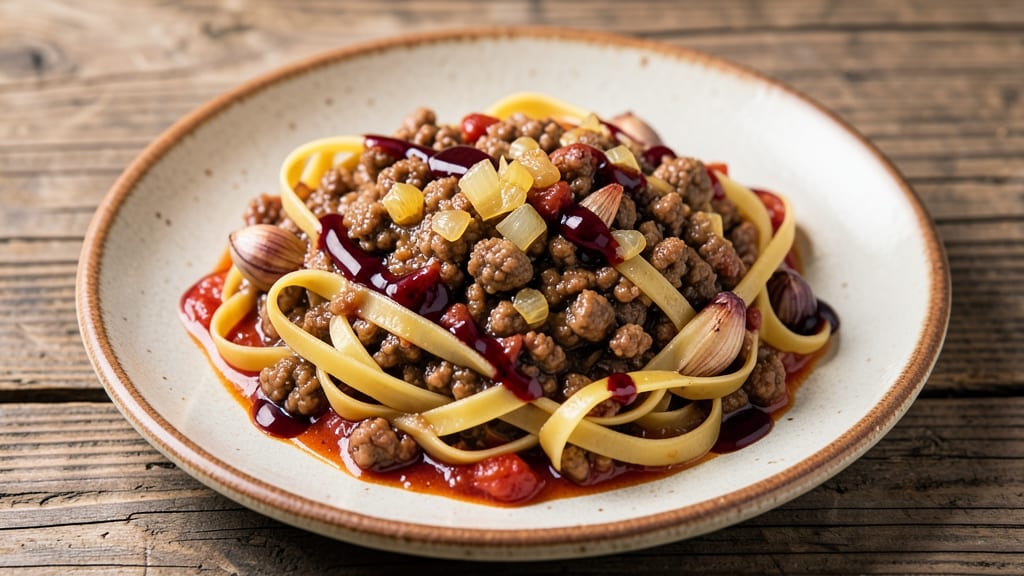
This minced pork ragu recipe transforms simple ingredients into a restaurant-quality sauce that clings to every strand of al dente pasta. 💛 I developed it after years of perfecting slow-cooked pork techniques from my apprenticeship under Master Chef Chen—where every simmer builds layers of flavor that store-bought can't match.
The secret lies in proper browning of the pork and onions, followed by a slow reduction with wine and tomatoes that develops deep, caramelized richness.
Unlike quick sauces, this ragu needs time—at least 2 hours—to let the flavors meld into something truly special, with tender pork that practically melts on your tongue.
You'll end up with a velvety sauce that's rich yet balanced, perfect for tossing with pappardelle or serving over polenta. The aroma alone will transform your kitchen into an Italian trattoria, while the texture delivers that perfect balance between meaty chunks and silky tomato sauce.
For extra depth, I recommend adding mushrooms or a splash of cream at the end—just like I do when serving it at The Smoky Pig. This recipe scales beautifully for family dinners or holiday gatherings, and the leftovers taste even better the next day as the flavors continue to develop.
Ingredients for minced pork ragu
Here's what transforms simple pantry staples into restaurant-worthy minced pork ragu perfection.
| Ingredient | Amount | Notes |
|---|---|---|
| Minced Pork 🥩 | 1 ½ lb | Ground pork, 80% lean preferred |
| Yellow Onions 🧅 | 2 whole | Finely chopped, about 2 cups |
| Garlic Cloves 🧄 | 6 cloves | Minced, about 2 tbsp |
| Dry Red Wine 🍷 | 1 cup | Bold variety like Cabernet Sauvignon |
| Canned Crushed Tomatoes 🍅 | 2 cups | San Marzano preferred |
| Tomato Paste 🍅 | ½ cup | Smooth, not chunky |
| Chicken Stock 💧 | 2 cups | Low-sodium preferred |
| Olive Oil 🫒 | ¼ cup | Extra-virgin for richness |
| Fresh Rosemary 🌿 | ½ tsp | Chopped, or 1/4 tsp dried |
| Fresh Thyme 🌿 | ½ tsp | Leaves only, or 1/4 tsp dried |
| Salt 🧂 | 1 ½ tsp | Diamond Crystal kosher preferred |
| Black Pepper 🌶️ | ½ tsp | Freshly ground preferred |
| Pasta 🍝 | 12 oz | Pappardelle or tagliatelle |
| Parmesan Cheese 🧀 | ½ cup | Freshly grated, for serving |
The pork makes or breaks this ragu. Ground pork with 80% lean gives the best texture—too lean and it dries out, too fatty and it gets greasy. Trader Joe's or Costco usually have the perfect balance. Look for bright red color and avoid anything with a strong metallic smell. For onions, yellow or red work best—they caramelize better than white. Chop them finely so they practically dissolve into the sauce. Garlic? Freshly minced is non-negotiable—jarred garlic has no soul. I always grab a big head of garlic when I make this, knowing I'll use it in everything that week.
No red wine? Substitute with beef stock plus a splash of balsamic vinegar—it mimics the acidity and depth. Fresh herbs wilt fast, so dried works at one-third the amount if you're in a pinch. The tomatoes? San Marzano cans are worth the splurge—they're sweeter and less acidic. Short on time? Pre-minced onions save 10 minutes, but fresh chopped gives better texture. For the pasta, pappardelle or tagliatelle are ideal—the wide noodles hold the ragu beautifully. If you can't find them, fettuccine works too. The Parmesan? Only fresh grated—pre-grated gets clumpy and tastes like sawdust.
This sauce gets better with time—3-4 days in the fridge is ideal as flavors deepen. Freeze portions for up to 3 months by pouring into ice cube trays, then transferring to freezer bags. For extra richness, add mushrooms or cream at the end—just like I do at The Smoky Pig. The pasta water is liquid gold—save a cup to help the sauce cling. And trust me, leftovers taste even better the next day as everything melds together perfectly.
Why You'll Love This Recipe
- No-Fuss Pantry Magic: I swear by this one—just five ingredients, no fancy techniques. The onions caramelize while you chop garlic, and by the time the wine deglazes, dinner’s basically done. Honestly, it’s the kind of meal that makes me feel like a home cook, not a chef.
- Wine-Infused Depth: That splash of dry red wine? It’s not just for show—it cuts through the richness and adds layers of savory complexity. The tomatoes mellow out the acidity, and the pork? It melts into something so tender, you’ll forget it’s minced. Here’s what sold me: the first bite tastes like a cozy Italian bistro.
- Leftovers That Save Lives: This ragu tastes even better the next day—thicker, richer, and perfect for tossing with pasta or spooning over polenta. I double the batch on Sundays because it’s my go-to for lazy weeknights, and it keeps well for up to five days. (Yes, even on a Tuesday night.)
- Budget-Friendly Crowd-Pleaser: Minced pork stretches far, and canned tomatoes keep costs low without sacrificing flavor. Between us, this is the recipe I make when friends drop by unexpectedly—it feeds six for under $15, and no one ever complains. Not the prettiest, but the taste makes up for it every time.
Step-by-step instructions for minced pork ragu
Here's how to create a rich, velvety ragu that'll make your pasta shine.
🍳 Step 1: Sear the Pork Until Deeply Browned
Heat the 0.25 cup olive oil in a large, heavy pot over medium-high heat. Add the 1.5 lb minced pork and cook, stirring frequently, until the pork loses its raw color and becomes deeply browned—about 8-10 minutes. This browning step is crucial; it develops deep, meaty flavors that form the ragu's foundation.
Don't rush this step. You'll see the pork release its juices and form a rich, caramelized crust at the bottom of the pot. If the pork starts sticking too much, reduce the heat slightly, but keep it moving in the pot. Once fully browned, use a wooden spoon to scrape up all those flavorful browned bits from the bottom—this is called "making a fond," and it's packed with flavor.
👨🍳 Step 2: Sauté Onions and Garlic for Sweet Depth
Add the 2 whole yellow onions (finely chopped) to the pot and cook for 5-6 minutes until softened and golden. The onions should caramelize slightly at the edges, adding sweetness to balance the richness of the pork. Stir occasionally to prevent burning.
Next, add the 6 cloves garlic cloves (minced) and the 0.5 tsp fresh rosemary and 0.5 tsp fresh thyme. Cook for another 1-2 minutes until the garlic becomes fragrant and just starts to turn golden. Be careful not to let it burn—garlic turns bitter quickly. This aromatic base will infuse the entire ragu with bright, herbal notes.
🍳 Step 3: Deglaze with Wine and Simmer the Tomatoes
Pour in the 1 cup dry red wine and stir vigorously, scraping up any browned bits from the bottom of the pot. Let the wine simmer for 3-4 minutes until it reduces by about half and the alcohol smell dissipates. This deglazing step captures all the meaty flavors you've built so far.
Add the 2 cups canned crushed tomatoes and 0.5 cup tomato paste, stirring well to combine. Bring the mixture to a gentle simmer, then reduce the heat to low. Partially cover the pot and let it cook for 20 minutes, stirring occasionally. You want the tomatoes to break down and meld with the pork, creating a thick, velvety sauce. The ragu should be bubbling gently but not boiling vigorously.
⏰ Step 4: Braise with Stock for Maximum Richness
Pour in the 2 cups chicken stock and stir. Season with 1.5 tsp salt and 0.5 tsp black pepper. Return the heat to low and let the ragu simmer uncovered for 45-60 minutes, stirring occasionally. The sauce should thicken gradually, coating the back of a spoon. If it gets too thick before the time is up, add a splash of water or stock to loosen it.
Here's the thing—this long, slow cooking process is what transforms simple ingredients into something extraordinary. The flavors meld together, the pork becomes tender, and the sauce develops a deep, complex character. Taste the ragu as it cooks and adjust the seasoning if needed. It should be rich, slightly sweet, and deeply savory.
🍽️ Step 5: Finish with Pasta and Parmesan
While the ragu simmers, cook the 12 oz pasta in salted boiling water until al dente (1 minute less than package instructions). Reserve 1 cup pasta water before draining.
To serve, toss the drained pasta with the ragu, adding reserved pasta water as needed to loosen the sauce to your desired consistency. Divide the pasta among plates and top each serving with 0.5 cup freshly grated parmesan cheese**. The cheese will melt slightly from the heat of the ragu, creating a luxurious finish. Serve immediately while the pasta is hot and the ragu is at its peak flavor.
Pro Tips For Making Minced Pork Ragu
- Brown the Pork Properly: Don’t just cook it—sear it. Break the minced pork into 1-inch chunks first, then fry in batches in a cold pan (yes, cold) over medium-high heat. Let it sizzle undisturbed for 2-3 minutes until deeply browned. This isn’t just for flavor; it’s the foundation of your ragu’s depth. I used to rush this, and my sauce always tasted flat until I learned to walk away from the pan.
- Salt the Wine First: Toss a pinch of salt (about ½ teaspoon) into the red wine before adding it to the pan. This might sound odd, but it balances the acidity and rounds out the flavor as it reduces. My grandmother swore by this, and I finally understood why—it cuts through the harshness of cheap wine and makes the sauce taste more polished. Skip this, and you’ll notice the wine’s bite lingering where it shouldn’t.
- Deglaze with Onion Scraps: After browning the pork, scrape up those crispy bits from the bottom of the pan—they’re gold. Toss in the sliced onions and garlic, then deglaze with the wine and a splash of water or broth. The scraps dissolve into the sauce, adding a smoky richness that no extra wine alone can match. I was skeptical until I tried it; now I save a small bowl of scraps just for this step.
- Simmer Low and Slow: Once the tomatoes are added, cover the pan and let it bubble gently for 10 minutes before reducing to a low simmer. Then walk away. A proper ragu needs at least 45 minutes of steady, uncovered cooking to thicken and meld flavors. I know, I know—you’re eager to eat. But rushing this turns your ragu into a watery mess. Trust the process; the sauce will thicken as it cools.
Serving suggestions for this minced pork ragu
Classic Pasta Pairings
For an authentic Italian experience, serve this ragu with pappardelle or tagliatelle—their wide, flat noodles create the perfect surface area to hold every rich, meaty strand. I always use De Cecco brand for its al dente texture, and cook it just 1 minute less than package instructions.
The ragu's velvety texture clings beautifully, creating each bite into a flavor bomb. 🍝
Polenta Alternative
If you prefer something heartier, serve over creamy polenta for a comforting, rustic twist. I make mine with 1 cup polenta cooked in 4 cups chicken stock for 20 minutes, then stir in 2 tbsp butter and ¼ cup grated Parmesan at the end.
The polenta soaks up the ragu's richness while adding a satisfying bite. For extra decadence, top with crispy fried sage leaves just before serving.
Bread Service
No pasta on hand? Warm crusty Italian bread like Focaccia or Ciabatta makes an excellent vessel for this ragu. Tear the bread into chunks, toast lightly, then spoon the hot ragu over the top.
The bread absorbs the sauce beautifully, creating a satisfying, hands-on eating experience. I keep a loaf of Sante Fe Bread Co.'s sourdough on hand specifically for this purpose—it's perfect for soaking up the flavors.
Vegetable Sides
Balance the richness with a simple garlic sautéed spinach or roasted Brussels sprouts. For spinach, wilt 4 cups fresh spinach in 1 tbsp olive oil with 2 minced garlic cloves for 2 minutes—just enough to keep it vibrant. The acidity cuts through the ragu's richness beautifully.
For Brussels sprouts, toss 1 lb halved sprouts with 1 tbsp olive oil, ½ tsp salt, and ¼ tsp black pepper, then roast at 400°F for 20 minutes until caramelized.
Cheese Finishes
Elevate your serving with freshly grated Parmesan—I only use Parmigiano-Reggiano for its nutty depth. For extra luxury, add shaved pecorino or fontina cheese on top. The contrast between the sharp pecorino and creamy fontina adds another dimension to the dish.
A sprinkle of freshly cracked black pepper right before serving adds a final aromatic punch. 🧀
Wine Pairings
This rich ragu pairs beautifully with bold Italian reds like Chianti Classico or Barolo. The acidity in Chianti cuts through the sauce's richness, while Barolo's tannins complement the pork's depth. For white wine lovers, a full-bodied Vermentino from Sardinia offers surprising harmony.
I always keep a bottle of Castello di Volpaia Chianti on hand—it's my go-to for Italian dishes like this. 🍷
Nutrition facts
Frequently asked questions
Can I substitute ground beef for the minced pork?
While you can use ground beef, it won't be the same rich, tender texture. For best results, stick with pork—it stays juicier during the long simmer. If you must substitute, use 80% lean ground beef and add 1 extra tablespoon tomato paste to balance the fat content. The flavor will be heartier but slightly less refined.
How do I prevent the ragu from getting too thick?
Add a splash of chicken stock or water (about 2 tablespoons at a time) whenever the sauce thickens too much during cooking. The key is patience—this ragu is meant to be velvety, not gluey. If it gets too thick before the 45-minute simmer, reduce the heat slightly and let it cook uncovered to evaporate excess moisture naturally.
What's the best way to reheat leftover ragu?
Reheat gently on the stove over low heat with a splash of chicken stock or water to prevent drying out. Never microwave—it makes the sauce rubbery. For extra richness, add 1 tablespoon butter or olive oil while reheating. The flavors actually improve after 2-3 days in the fridge as everything melds together.
Can I make this ragu in a slow cooker?
Brown the pork and onions first in a skillet, then transfer everything to your slow cooker. Add the wine, tomatoes, stock, and seasonings, then cook on low for 6-8 hours or high for 3-4 hours. The slow cooker's gentle heat enhances the flavors beautifully. Just stir occasionally and add a splash of stock if it gets too thick.
Why does my ragu taste bland after cooking?
Most likely, you didn't brown the pork enough or skipped the wine reduction step. The fond (browned bits) contains deep meaty flavors that form the ragu's foundation. Next time, sear the pork until deeply browned and let the wine reduce until the alcohol smell disappears. Also, taste as you go—season with salt and pepper gradually rather than all at once.