
Main Courses
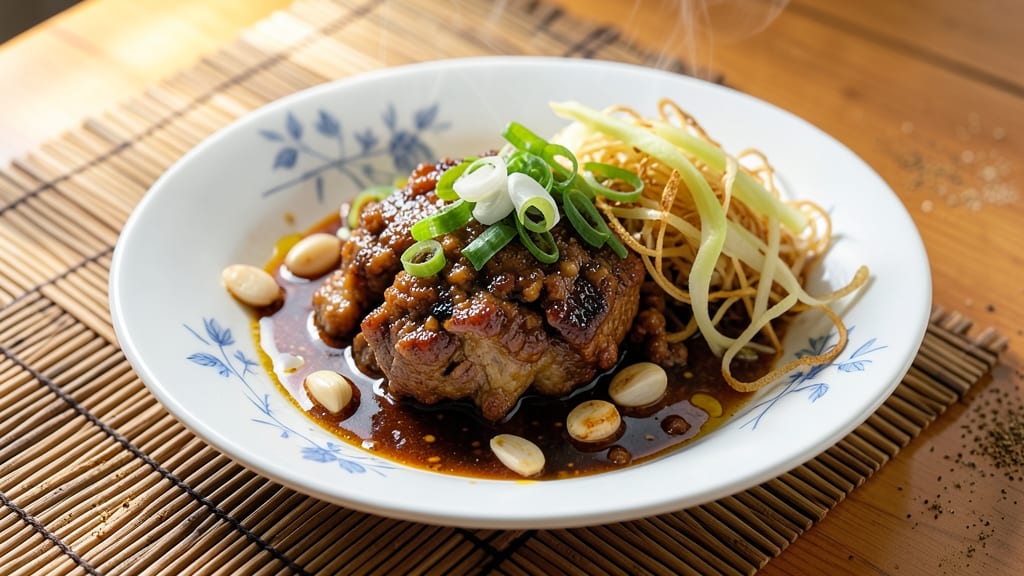
This Filipino-style minced pork recipe delivers the crispy sizzle and savory depth that makes it a staple in Filipino kitchens. 🔥 The secret lies in the perfect balance of soy, ginger, and garlic—simmered just enough to tenderize the meat while keeping it juicy, then finished with a quick sear for that irresistible crisp.
My grandmother used to make this for family gatherings, and it always disappeared faster than the rice. What sets this dish apart is the authentic Filipino flavor profile: the tangy kick of soy sauce, the warmth of ginger, and the aromatic punch of garlic all work together in harmony.
The minced pork develops a caramelized crust that gives way to tender, flavorful bites, while the sauce clings perfectly to each piece. It's the kind of dish that feels both comforting and special—simple enough for weeknights but impressive enough for guests.
The result is a crispy-edged, savory-sweet minced pork that pairs beautifully with steamed rice and a side of atchara (pickled papaya) for that classic Filipino contrast. The aroma alone will have everyone gathering at the table, and the taste? Pure comfort food magic.
This is the recipe that brings a little bit of home to every meal. Serve it with garlic fried rice or fresh salad to round out the plate.
The beauty of this dish is in its versatility—it works as a main course, a filling for lumpia, or even a topping for noodles. Let's get cooking!
Ingredients for minced pork recipe filipino style
Authentic Filipino flavors start with these 12 essential ingredients for crispy, savory minced pork.
| Ingredient | Amount | Notes |
|---|---|---|
| Ground Pork 🐖 | 1 ½ lb | Lean or regular, minced finely |
| Soy Sauce 🍶 | ½ cup | High-quality Filipino brand preferred |
| Fresh Ginger 🌿 | 2 tbsp | Finely grated, aromatic |
| Garlic Cloves 🧄 | 8 cloves | Minced, aromatic punch |
| Green Onions 🧅 | 4 whole | Thinly sliced, white and green parts |
| Vegetable Oil 🫒 | ¼ cup | High smoke point for frying |
| White Vinegar 🍶 | 1 tbsp | For tangy brightness |
| Brown Sugar 🍯 | 2 tbsp | Lightly packed, for caramelization |
| Salt 🧂 | 1 tsp | Kosher or sea salt |
| Black Pepper 🌶️ | ½ tsp | Freshly ground for heat |
| Sesame Oil 🌰 | 1 tsp | For nutty aroma finish |
| Cornstarch 🌾 | 1 tbsp | For crispy coating |
The ground pork is the heart of this dish—look for finely minced pork at your local Asian market for that authentic texture. Filipino brands like Gold or Silver Swan make a noticeable difference in flavor. If you're using regular ground pork, pulse it extra times in a food processor for that signature minced consistency. Fresh ginger and garlic are non-negotiable here; pre-minced garlic works in a pinch, but fresh is always better. The green onions add brightness, so grab a bunch and use both the white and green parts for maximum flavor.
No soy sauce with Filipino branding? Light soy sauce works in a pinch, but you'll miss that authentic depth. Fresh ginger can be swapped for 1 tbsp ground ginger, though it won't be as aromatic. Pre-minced garlic is fine, but smash whole cloves first for better flavor. The brown sugar adds just enough sweetness—coconut sugar works too if you prefer. For extra crispiness, toss the pork in cornstarch before frying, but don't skip the sesame oil at the end—it's what gives that classic Filipino aroma. The white vinegar is key for balancing the flavors, so don't substitute with lemon juice.
This dish tastes even better the next day—make extra and store in airtight containers for up to 5 days in the fridge. For longer storage, freeze portions for up to 3 months. The crispy edges soften when reheated, so fry again briefly in a pan to restore that satisfying crunch. Serve with steamed rice and atchara for the full Filipino experience. The leftovers make amazing lumpia fillings or noodle toppings—just heat them gently to maintain that crispy texture.
Why You'll Love This Recipe
- One-Pan Magic: I swear by this—just brown the pork, toss in the garlic and ginger, and let the soy sauce work its savory magic. No extra pots, no fuss, and the scent alone makes my kitchen feel like a little Filipino comfort spot.
- Umami Bomb: That crispy edge on the pork? The ginger’s zing cutting through the richness? Honestly, the soy sauce does most of the heavy lifting, but the garlic—oh, the garlic—turns this into something dangerously addictive. (Yes, even on a Tuesday night.)
- Leftover Hero: This keeps perfectly for days, reheats like a dream, and turns into something even better the next time around. Pack it in lunches, stir it into rice, or just eat it straight—my kids beg for it, and that’s the real test.
- Budget-Friendly Powerhouse: Ground pork stretches far, soy sauce adds depth without cost, and fresh ginger/garlic feel fancy but won’t break the bank. I’ve made this for date nights, potlucks, and lazy Sundays—it’s my go-to when I need flavor without the grocery shock.
Step-by-step instructions for minced pork Filipino style
Master the perfect balance of crispy edges and savory depth with this foolproof method.
🍳 Step 1: Sear the Pork for Maximum Crispiness
Heat the 0.25 cup vegetable oil in a large wok or skillet over medium-high heat until shimmering. Add the 1.5 lb ground pork and break it apart with a wooden spoon, spreading it evenly across the pan. Cook for 5-6 minutes, stirring frequently, until the pork loses its raw color and begins to brown.
Here's the secret: don't rush this step. You're building flavor and texture simultaneously. The pork should be deep golden brown in spots with some crispy edges forming. If it starts sticking, gently press down with your spatula—this helps release any moisture and promotes even browning.
👨🍳 Step 2: Build the Flavor Foundation
Reduce heat to medium and add the 2 tbsp finely grated fresh ginger and 8 cloves minced garlic cloves. Stir for 30 seconds until fragrant—you should smell that aromatic punch of ginger and garlic filling your kitchen. Then add the 0.5 cup soy sauce, 2 tbsp brown sugar, 1 tbsp white vinegar, 1 tsp salt, and 0.5 tsp black pepper. Stir vigorously to combine everything with the pork.
Let the mixture simmer for 3-4 minutes until the liquid reduces by about half. You're looking for a thick, glossy sauce that coats the pork evenly. This is where all the flavors meld together—don't walk away. The sauce should be syrupy but still pourable, with visible caramelization from the brown sugar.
🥘 Step 3: Create the Crispy Coating
In a small bowl, whisk together the 1 tbsp cornstarch and 1 tsp sesame oil. Sprinkle this mixture evenly over the pork mixture in the pan. Stir continuously for 1-2 minutes until the cornstarch absorbs the moisture and creates a crispy, golden coating on each pork piece. This is what gives authentic Filipino minced pork its signature texture.
Watch carefully—the cornstarch works quickly. You'll see the pork transform from glossy to crispy and slightly crunchy around the edges. If it looks too dry, add 1-2 tablespoons of water to maintain moisture while keeping that crispy texture.
⏰ Step 4: Finish with Green Onions
Remove the pan from heat and stir in the 4 whole green onions, sliced thinly. The heat from the pork will wilt them slightly, adding freshness to the rich, savory base. Let the mixture rest for 2 minutes to allow the flavors to fully meld together.
Taste and adjust seasoning if needed—you might want to add a splash more soy sauce for saltiness or a touch of vinegar for tang. The final texture should be crispy yet tender, with a sauce that clings perfectly to each piece of pork. Serve immediately over steamed rice to enjoy the full experience of this classic Filipino dish.
Pro Tips For Making Minced Pork Recipe Filipino Style
- CRANK THE HEAT FIRST: I learned this the hard way—starting with medium heat means your pork steams instead of browning. Get that pan smoking hot (medium-high) before adding the meat, then reduce to medium after the first 2-3 minutes. That initial sear locks in flavor and keeps the texture crisp, not greasy.
- GRATE NOT MINCE GINGER: Pre-packaged ginger paste is convenient, but freshly grated makes a real difference. Use a fine grater or microplane and rub the ginger between your fingers to break up fibers—this releases more aroma and prevents clumping. Skip the food processor; it turns ginger into a pulp that won’t distribute evenly.
- DON’T OVERMIX THE SOY: After adding soy sauce, resist the urge to stir constantly. Let the pork cook undisturbed for 1-2 minutes so the sauce caramelizes slightly on the bottom—this adds depth. Once you see those dark brown spots, then gently fold everything together. Overstirring just makes the dish look watery.
- SAVE TIME WITH GARLIC: My shortcut? Smash 3-4 whole garlic cloves with the flat side of your knife before mincing. This breaks down the cell walls so they cook faster and release more flavor. No knife skills needed—just pound them like you’re mad at them. (Yes, even if you’re impatient like me.)
Perfect pairings for this dish
Filipino Rice Pairings
This minced pork shines brightest with steamed jasmine rice—the slightly floral aroma complements the savory-sweet pork perfectly. My grandmother always used long-grain white rice because it stays separate and soaks up the pork juices beautifully.
For extra authenticity, try garlic fried rice using leftover rice—just stir-fry with 2 tbsp minced garlic, 1 tbsp soy sauce, and a splash of sesame oil for a quick, flavorful side. 🍚
Pickled Vegetable Contrast
Filipino meals need that tangy crunch to cut through the richness. Atchara (pickled papaya) is the classic choice—look for it at Asian markets or make your own with 1 cup shredded papaya, ½ cup vinegar, 2 tbsp sugar, and 1 tsp salt.
For a quicker option, quick-pickled cucumbers work too: slice 1 cucumber thin, toss with ½ cup rice vinegar, 1 tbsp sugar, and ½ tsp salt, then let sit for 30 minutes. The acidity balances the pork's depth beautifully.
Simple Green Salad
A mixed greens salad with a calamansi or lime dressing adds freshness without overpowering.
Toss 4 cups butter lettuce with 1 tbsp minced cucumber, 2 tbsp chopped cilantro, and a dressing of 2 tbsp calamansi juice (or lime), 1 tbsp honey, 1 tbsp soy sauce, and 1 tsp sesame oil.
The citrusy tang cleanses your palate between bites of rich pork. For extra Filipino flair, add thinly sliced radishes—they hold their crunch perfectly. 🥗
Crispy Lumps or Egg Rolls
Turn leftovers into crispy lumpia (Filipino spring rolls) for a fun twist. Mix the cooled pork with ½ cup shredded cabbage, 1 tbsp soy sauce, and 1 tsp sesame oil, then wrap in spring roll wrappers with 1 tsp minced ginger inside each.
Fry until golden—golden brown and crispy is the goal. For a quicker option, stuff egg roll wrappers with the pork mixture, fold, and pan-fry for 2-3 minutes per side. Serve with a sweet chili dipping sauce for dipping.
Savory Noodle Bowls
Transform this into a Filipino-style noodle bowl by serving over egg noodles or rice noodles. Toss cooked noodles with 1 tbsp soy sauce, 1 tsp sesame oil, and 1 tsp grated ginger, then top with the minced pork.
Add steamed bok choy or bean sprouts for texture, and drizzle with a spicy vinegar sauce made from 2 tbsp rice vinegar, 1 tsp sriracha, and 1 tsp sugar. The noodles soak up all the pork's flavor while adding a satisfying chew. 🍜
Nutrition facts
Frequently asked questions
Can I substitute ground pork with another meat?
For the best results, stick with finely minced pork as it delivers that signature Filipino texture. However, you can use ground chicken or turkey in a pinch—just cook it slightly longer (about 8-10 minutes instead of 5-6) to ensure it's fully done. Avoid leaner meats like beef; they won't render fat the same way and may dry out.
What makes this different from regular pork recipes?
The magic lies in the Filipino flavor profile: the perfect balance of soy sauce, ginger, and garlic creates that signature umami depth, while the cornstarch coating gives it that irresistible crispy texture. The white vinegar adds tang, and sesame oil finishes with nutty aroma—elements you won't find in typical Western pork dishes.
How do I fix if the pork turns out too dry?
If your pork lost moisture, don't worry—you can revive it! Add 1-2 tablespoons of water or broth to the pan, cover with a lid, and simmer for 2-3 minutes on low heat. For extra richness, stir in ½ teaspoon sesame oil or a splash of soy sauce to restore that glossy finish.
Can I make this ahead of time?
This dish tastes even better the next day. Store leftovers in an airtight container in the fridge for up to 5 days. To reheat, warm in a pan over medium heat with 1 teaspoon oil until heated through—this helps restore some crispiness. For freezing, portion into airtight containers and freeze for up to 3 months.
What's the best way to serve this?
Serve it with steamed jasmine rice as the base, then add pickled vegetables (atchara or quick-pickled cucumbers) for that classic Filipino contrast. For extra flair, garnish with chopped green onions and a squeeze of calamansi (or lime). It also works perfectly as a filling for lumpia or stuffed into egg rolls!