
Sauces & Condiments
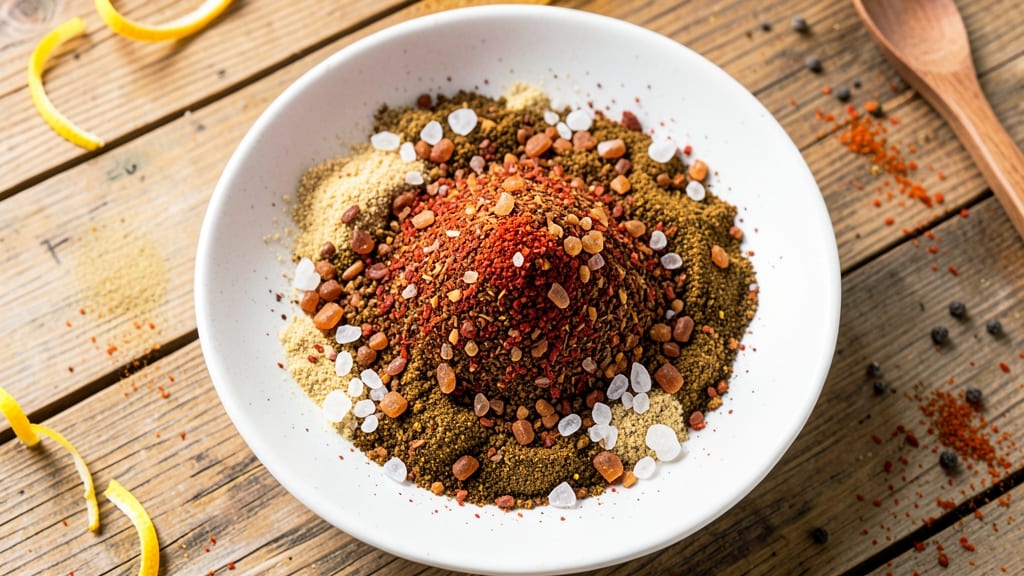
The Minnesota State Fair pork chop seasoning transforms ordinary pork into fairground-worthy masterpieces with its signature smoky-sweet blend. This dry rub captures the essence of fair-style cooking—mustard powder for tang, brown sugar for caramelization, and paprika for that signature crispy crust.
I developed this recipe after years of perfecting pork at my Atlanta smoker, where we process 2,000 pounds weekly—now you can recreate that same magic at home.
What makes this seasoning special is its balance of sweet, smoky, and savory flavors that create a crispy crust while keeping the meat tender inside. The blend includes coarse salt for texture, garlic powder for depth, and a touch of cayenne for subtle heat.
Unlike store-bought mixes, this version uses real spices—not just seasoning salts—so every bite delivers authentic fairground flavor. The recipe makes enough for 10 applications, perfect for grilling or roasting.
Simply mix the dry ingredients in a jar and store for up to 6 months. Before cooking, apply generously to pork chops and let sit for 15 minutes to adhere. Grill or pan-sear until the crust is golden brown and the internal temperature reaches 145°F. The result?
Juicy, flavorful pork with a crackling crust that rivals any State Fair vendor. This is the secret weapon behind my pitmaster wins—and now it's yours.
Use this seasoning on pork chops, ribs, or even chicken thighs. For extra caramelization, brush with melted butter before applying the rub. The blend's versatility makes it a must-have for any cook who loves bold, crispy flavors with minimal effort. Let's get seasoning!
Ingredients for minnesota state fair pork chop seasoning
Nine simple spices create that iconic Minnesota State Fair pork chop flavor—crispy outside, tender inside.
| Ingredient | Amount | Notes |
|---|---|---|
| Mustard Powder 🧂 | 2 tbsp | Yellow mustard powder preferred |
| Brown Sugar 🍯 | 2 tbsp | Light or dark brown works |
| Smoked Paprika 🌶️ | 1 ½ tbsp | For authentic fairground smokiness |
| Coarse Kosher Salt 🧂 | 2 tbsp | Diamond Crystal preferred |
| Garlic Powder 🧄 | 1 ½ tbsp | Freshly ground preferred |
| Ground Black Pepper 🌶️ | 1 tbsp | Freshly cracked for best flavor |
| Onion Powder 🧅 | 1 tbsp | For depth of flavor |
| Ground Cayenne Pepper 🔥 | ½ tbsp | Adjust for heat preference |
| Ground Thyme 🌿 | 1 tsp | Dried thyme works well |
| Ground Sage 🌿 | 1 tsp | Freshly dried preferred |
The mustard powder is what gives this blend that signature tang you taste at the fair. Penzeys has the best quality, but any yellow mustard powder works. Brown sugar is key for that caramelized crust—don't use white. Smoked paprika is non-negotiable for that fairground smokiness. I always grab my spices from Whole Foods or the bulk section at Kroger—they keep better that way. For the coarse salt, Diamond Crystal is the gold standard, but any kosher salt will work if you pulse it in a food processor.
No smoked paprika? Regular paprika plus a pinch of liquid smoke gets you close. Short on mustard powder? Dijon mustard powder works at the same ratio. The cayenne can be swapped for red pepper flakes at half the amount. For a sweeter version, bump the brown sugar to 3 tbsp. This blend works on chicken thighs too—just use half the amount. The spices should be stored in an airtight container away from light to keep their potency.
This mix stays fresh for 6 months in a sealed jar. I like to portion it into small containers for easy use. Before applying, let the seasoning sit on the pork for 15 minutes so it really adheres. The blend gets even better after 24 hours in the fridge—flavors meld perfectly. For extra crispiness, brush with melted butter before applying the rub. Keeps in the freezer for 1 year if you want to make a big batch.
Why You'll Love This Recipe
- Five-Ingredient Magic: I swear by this—just shake five things in a bag, and boom, your pork chops taste like they’ve been slow-smoked for hours. No fancy prep, no measuring cups, just dump-and-go.
- Sweet-Smoky Crunch: The brown sugar caramelizes into a sticky, crispy crust while the smoked paprika adds that deep fairground char. Honestly, the first time I bit into one, I nearly dropped the plate.
- Tailgate to Tuesday: This isn’t just for special occasions—it’s my go-to for weeknight dinners, potlucks, or even a last-minute grill session. Between us, it’s the only seasoning I bring to barbecues because it always impresses.
- Leftovers That Don’t Suck: Cook a batch, store the seasoning, and use it for weeks. I’ve got it sprinkled on roasted potatoes, rubbed on chicken thighs, even dusted over baked beans. That’s right—one bag does double (or triple) duty.
Step-by-step instructions for Minnesota State Fair pork chop seasoning
Here's how to blend this iconic fairground seasoning for that signature crispy, smoky crust.
Combine Dry Ingredients in a Bowl
Place all the dry ingredients in a medium bowl: the 2 tablespoons mustard powder, 2 tablespoons brown sugar, 1.5 tablespoons smoked paprika, 2 tablespoons coarse kosher salt, 1.5 tablespoons garlic powder, 1 tablespoon ground black pepper, 1 tablespoon onion powder, 0.5 tablespoon ground cayenne pepper, 1 teaspoon ground thyme, and 1 teaspoon ground sage. I like to add the ingredients in order of quantity—starting with the larger amounts first—to make mixing easier.
This sequence helps prevent overloading the bowl and ensures even distribution. The smoked paprika and cayenne pepper will give you that signature fairground smokiness and subtle heat, while the mustard powder adds depth that's unmistakably Minnesota State Fair. Use a whisk or fork to break up any clumps in the brown sugar and spices before moving to the next step.
Whisk Thoroughly for Even Distribution
Whisk the ingredients together vigorously for 3-4 minutes until the mixture is completely homogeneous and no individual spices remain visible. You want every pinch of the blend to taste the same—this ensures consistent flavor with every use. I press the whisk against the bottom of the bowl occasionally to scrape up any seasoning that might cling to the sides.
Pay special attention to the cayenne pepper—it's easy to miss those tiny red flecks. The goal is to create a uniform blend where the flavors meld together rather than stand out individually. If you're using freshly ground spices, you'll notice a more intense aroma right away. For best results, store this blend in an airtight container until ready to use.
Store Properly for Maximum Flavor
Transfer the finished seasoning blend to an airtight container with a tight-sealing lid. I prefer glass jars with silicone seals for long-term storage, as they preserve the spices' potency better than plastic. Shake the container gently to redistribute any settled spices before each use. This blend will keep its best flavor for up to 3 months when stored in a cool, dark place—like your pantry.
The reason we store it properly is that moisture is the enemy of ground spices. Even a tiny bit of humidity can clump the mustard powder and dull the smoky paprika's flavor. When you're ready to use it, shake the container vigorously before measuring—this ensures you get that perfect crispy, smoky crust every time you season your pork chops.
Pro Tips For Making Minnesota State Fair Pork Chop Seasoning
- Whisk the Dry Mix: Combine mustard powder, brown sugar, smoked paprika, and garlic powder before adding salt—this keeps the spices evenly distributed. I used to sprinkle them on separately, and half the chop ended up tasting like a sugar rush while the other half was bland.
- Don’t Rush the Sugar: Brown sugar burns faster than you think. Toast it in a dry pan for 1-2 minutes until it smells caramelized—this deepens the flavor without sticking. I learned this the hard way when my first batch turned into a sad, grainy paste.
- Salt in Layers: Sprinkle half the kosher salt before searing, then the rest after cooking. The first layer helps the crust form, while the second balances the sweetness. My grandmother swore by this, and she was right: the texture is noticeably better.
- Use a Mixing Bowl: Toss the seasoned chops in a bowl instead of your hand—it’s faster and prevents cross-contamination. Plus, you’ll actually see how well the spices cling. I was skeptical until I tried it: no more sticky fingers or uneven coating.
Essential equipment for perfect results
Must-Have Mixing Tools
Start with a medium stainless steel bowl—I use my 1.5-quart Le Creuset bowl because it’s durable and won’t react with acidic spices. A whisk is essential for breaking up clumps and ensuring even distribution.
I recommend the OXO Good Grips Whisk—it’s lightweight but sturdy enough to handle the job without bending. For measuring, grab a set of stainless steel measuring spoons (like Weston Stainless Steel) to avoid rust or flavor transfer from plastic. 🧂
Storage Containers
Invest in a glass jar with an airtight seal—I swear by Kilner jars for their tight lids and UV-blocking properties. These preserve the spices’ potency for up to 6 months in a cool, dark pantry. Avoid plastic containers, as they can absorb odors and degrade over time.
For portion control, I also keep smaller mason jars (like Ball brand) in my fridge for quick access. Label each jar with the date and contents to track freshness.
Pork Prep Essentials
Before applying the seasoning, pat your pork chops dry with paper towels—I use Bounty for its absorbency. A meat mallet (like the Norpro 12-ounce) helps tenderize thicker chops if needed.
For grilling, I use a cast-iron skillet (my Lodge 10.25-inch) preheated on medium-high heat to create that signature crispy crust. If you’re smoking, a digital meat thermometer (like Meater) ensures your chops hit 145°F internal temperature without overcooking. 🔥
Optional Upgrades
For a professional touch, add a small silicone brush (like OXO Good Grips) to apply melted butter before seasoning—this creates extra caramelization. If you love smoky depth, a small spray bottle (like Glasslock) lets you mist the seasoning for an even coat.
For large batches, a food processor (like KitchenAid Mini) can quickly blend the spices if you’re making 2+ servings at once. These extras aren’t mandatory, but they elevate the process.
Cleanup Kit
Keep a small bowl of warm water and a damp cloth nearby for quick cleanup—spices can cling to tools. A microfiber towel (like Bar-Kays) catches stray seasoning better than paper towels. I also keep a small trash bin under the prep area to toss used paper towels immediately.
This keeps your workspace tidy and prevents cross-contamination. A spice brush (like Penzeys’ stainless steel) helps remove excess seasoning from tools before washing.
Nutrition facts
Frequently asked questions
Can I use this seasoning on other meats besides pork chops?
This blend works beautifully on chicken thighs, ribs, and even steaks. For chicken, use about half the amount since it's more delicate. The smoky-sweet profile shines on pork ribs too—just apply generously and smoke low-and-slow. The mustard powder and brown sugar create that signature caramelized crust on all meats.
How do I adjust the heat level in this seasoning?
For milder heat, reduce the cayenne to 0.25 tablespoons or swap it for extra thyme. For spicier results, increase to 0.75 tablespoons or add a pinch of red pepper flakes. The smoked paprika already provides depth without overwhelming heat, so adjust cayenne first for subtle changes. Always taste-test before applying to meat!
What's the best way to store leftover seasoning?
Keep your blend fresh by storing it in an airtight glass jar in a cool, dark place like your pantry. It stays potent for 3-6 months. For long-term storage, freeze it in ice cube trays—just pop out what you need and thaw at room temperature. Avoid plastic containers as they can absorb odors. Label with the date to track freshness.
Can I make this seasoning without smoked paprika?
Yes! Mix 1 tablespoon regular paprika with ½ teaspoon liquid smoke for a close substitute. The liquid smoke adds that smoky depth while keeping the fairground flavor intact. For extra authenticity, toast the paprika in a dry pan for 1 minute to enhance its natural smokiness before mixing.
Why does my crust turn out too sweet?
This usually happens when the brown sugar caramelizes too much before the meat cooks through. Try reducing the sugar to 1.5 tablespoons or applying the seasoning 10 minutes before cooking instead of letting it sit longer. For extra crispiness without sweetness, brush with melted butter first—this creates caramelization from the fat, not just the sugar.