
Main Courses
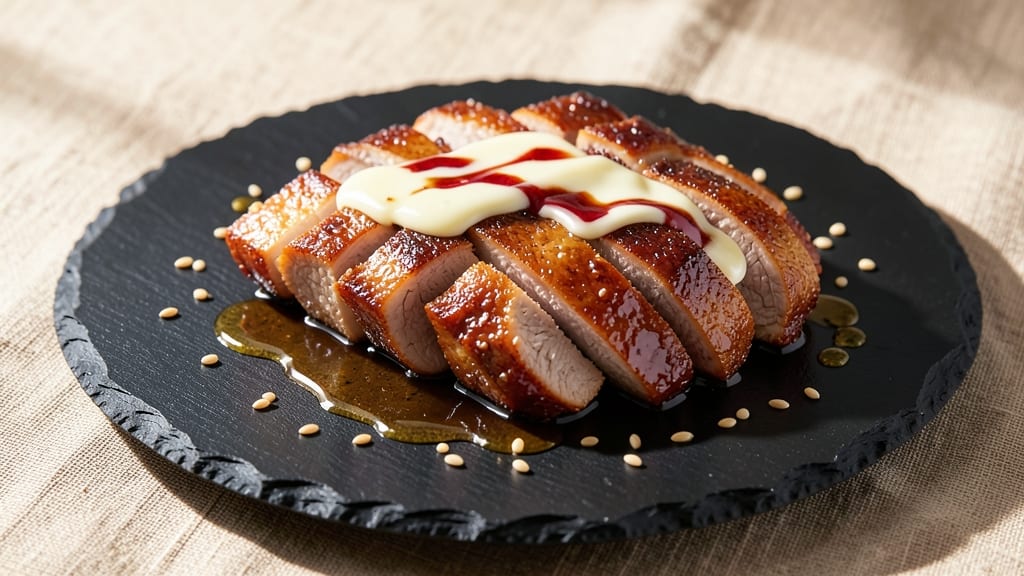
This miso pork roast recipe transforms humble pork shoulder into a slow-cooked masterpiece with deep umami richness and caramelized edges. 🔥 The secret lies in marinating the pork overnight in a blend of white and red miso, creating layers of savory depth that penetrate every fiber.
As a pitmaster who's cooked thousands of pounds of pork, I can tell you this method delivers restaurant-quality results at home.
The process begins with a simple marinade of miso, soy sauce, and aromatics, which tenderizes the meat while building complex flavors. After a long, low-and-slow roast, the exterior develops that coveted caramelized crust we all crave, while the interior remains juicy and tender.
The miso's umami character shines through without overpowering the natural sweetness of the pork.
What you'll end up with is a showstopping centerpiece that's perfect for holiday tables or weeknight dinners. The pork practically falls apart when sliced, releasing juices that create a flavorful pan sauce. Serve it with roasted vegetables or steamed rice to soak up every delicious bite.
For those who love crispy edges, I recommend finishing under the broiler for 2-3 minutes. This technique intensifies the caramelization while keeping the interior perfectly moist. The miso marinade works equally well with pork loin or tenderloin for quicker cooking times.
Ingredients for miso pork roast
Six ingredients transform pork shoulder into a restaurant-worthy umami masterpiece with caramelized edges.
| Ingredient | Amount | Notes |
|---|---|---|
| Boneless Pork Shoulder 🥩 | 4 lb | Well-marbled, cut into 2-inch chunks |
| White Miso Paste 🧈 | ½ cup | High-quality, non-GMO preferred |
| Red Miso Paste 🧈 | ¼ cup | For deeper umami complexity |
| Soy Sauce 🥄 | ½ cup | Japanese-style preferred |
| Honey 🍯 | ¼ cup | Wildflower for floral notes |
| Sesame Oil 🫒 | 1 tbsp | Toasted, for aroma |
| Garlic Cloves 🧄 | 8 cloves | Freshly minced, vibrant color |
| Fresh Ginger 🌿 | ½ cup | Finely grated, aromatic |
| Brown Sugar 🍚 | ¼ cup | Light or dark, packed |
| Olive Oil 🫒 | 2 tbsp | Extra-virgin, for searing |
| Green Onions 🧅 | ¼ cup | Sliced, for garnish |
| Diamond Crystal Kosher Salt 🧂 | 1 ½ tsp | For seasoning |
| Freshly Ground Black Pepper 🌶️ | 1 tsp | Cracked peppercorns preferred |
The pork shoulder is the star here—look for cuts with good marbling at Whole Foods or your local butcher. Costco often has great deals on larger cuts, but if you're feeding six, a 4-pound shoulder is perfect. The miso pastes are non-negotiable for authentic flavor. Miso Master or Hibiki brands deliver the depth you need. Fresh ginger and garlic should smell vibrant, not stale—if they're past their prime, toast them whole for 30 seconds to revive their aroma. For the honey, wildflower adds subtle floral notes that complement the miso beautifully.
No white miso? Double the red miso—it's more intense, so adjust to taste. Running out of sesame oil? Toasted sesame seeds ground with a pinch of salt work in a pinch, though the aroma won't be identical. The brown sugar can be swapped for coconut sugar if you prefer a less refined sweetener. For quicker prep, use pre-minced garlic and ginger from the refrigerated section at Trader Joe's, but fresh is always better. If you're short on time, pork loin or tenderloin can replace the shoulder—just reduce cooking time by half.
Marinate the pork overnight in the fridge for maximum flavor penetration. The miso paste will stain your hands—wear gloves if you're particular. Once roasted, the pork reheats beautifully. Store leftovers in an airtight container for 4-5 days or freeze for 3 months. For serving, I like to slice against the grain and arrange on a platter with the pan juices drizzled over top. The caramelized edges are best enjoyed immediately, but the tender meat keeps well. Portion into individual containers for easy reheating—just add a splash of water and cover to steam.
Why You'll Love This Recipe
- One-Pan Wonder: I swear by this for lazy Sundays—just toss the pork shoulder in a roasting pan with miso, soy, and honey, then walk away. No chopping, no fuss, and the sticky glaze does all the work.
- Umami Bomb: The combo of white and red miso? Absolute magic. That deep, savory punch from the miso pairs perfectly with the honey’s sweetness, giving you a flavor profile that’s rich but never overpowering.
- Leftovers That Shine: This roast tastes even better the next day—slice it thin for sandwiches, cube it for fried rice, or shred it into ramen. Honestly, I make it on purpose just to have leftovers.
- Budget-Friendly Feast: Pork shoulder is cheap, and a single roast feeds my family for days. The miso and soy sauce stretch that flavor, so you get restaurant-quality taste without the price tag. (Yes, even on a Tuesday night.)
Step-by-step instructions for miso pork roast
Here's how to transform simple ingredients into a deeply flavorful, melt-in-your-mouth pork roast.
🍳 Step 1: Sear the Pork for Maximum Flavor
Heat a large Dutch oven over medium-high heat until it's screaming hot. Add the 2 tablespoons olive oil and swirl to coat the bottom evenly. Working in batches (you'll need to do this twice), add the 4 lb boneless pork shoulder cut into 2-inch chunks and sear undisturbed for 3-4 minutes per side until deeply browned.
This initial sear creates the Maillard reaction that builds complex flavors and caramelized edges. I press down gently on the pork with a metal spatula during the first minute—this prevents it from curling and ensures even contact with the pan. Once browned, transfer the pork to a plate and set aside, leaving all the rendered fat in the pot.
👨🍳 Step 2: Build the Umami-Packed Marinade
In the same Dutch oven (no need to wipe it clean—those browned bits are flavor gold), add 8 cloves minced garlic cloves and 0.5 cup finely grated fresh ginger. Sauté for 1 minute until fragrant and just beginning to color. This releases their essential oils and infuses the fat with their aromatic power.
Lower the heat to medium and add the 0.5 cup white miso paste, 0.25 cup red miso paste, and 0.5 cup soy sauce. Stir vigorously with a wooden spoon, scraping up all those delicious browned bits from the bottom. Let it bubble gently for 2 minutes until the miso dissolves completely and the mixture thickens slightly.
🍳 Step 3: Combine and Simmer the Roast
Return the seared pork to the Dutch oven and pour in 0.25 cup honey, 0.25 cup brown sugar, and 1 tablespoon sesame oil. Stir everything together until the pork is fully coated in the glossy marinade. Bring to a simmer over medium heat, then reduce to low heat and cover with a tight-fitting lid.
Simmer gently for 1 hour, turning the pork occasionally to ensure even coating. You're looking for the sauce to reduce and thicken around the edges—this is when the magic happens. The pork should be tender enough to pull apart with a fork but still firm when pressed with a spoon.
⏰ Step 4: Finish with Caramelized Perfection
Uncover the Dutch oven and increase heat to medium-high. Let the sauce reduce for 5-7 minutes, stirring occasionally, until it reaches a thick, glossy consistency with caramelized edges. The pork should be fork-tender with a beautiful mahogany glaze coating every surface.
Here's the thing—don't walk away during this final reduction. You want that sauce to cling to the pork like syrup on pancakes. When the pork is coated and the sauce is thick enough to coat the back of a spoon, it's ready. Sprinkle with 0.25 cup sliced green onions for freshness and serve immediately.
Pro Tips For Making Miso Pork Roast
- Mix the Misos First: White and red miso have different textures—chunky white needs a quick pulse in the food processor before mixing with smooth red. I used to just stir and ended up with miso clumps that didn’t dissolve properly into the sauce. Two 3-second bursts with a mini chopper blends them evenly, so every bite gets that rich, balanced umami.
- Sear in Batches: A crowded pan steams the pork instead of searing it. Work in two batches over medium-high heat—this gives you a deep caramelized crust without boiling off the soy sauce or honey too fast. Trust me, the first batch will look perfect while the second one cooks, but the difference in flavor is worth the wait.
- Balance Sweet and Salty: Honey and soy sauce are both sweet, but red miso adds depth. If your sauce tastes cloying, add a splash of rice vinegar (just 1 teaspoon) or a pinch of black pepper—it cuts through the sweetness without overpowering. I learned this after making a batch that tasted like dessert instead of dinner.
- Rest Before Slicing: The pork stays juicy if you let it rest for 10 minutes under foil after pulling it from the oven. I know, it’s tempting to cut into it immediately, but the fibers relax, and the sauce redistributes. Skip this, and you’ll end up with dry, stringy slices. (Yes, even if you’re impatient like me.)
Regional styles of this miso pork roast
Japanese Miso Glaze
In Japan, this dish is often called miso-buta (味噌豚), where the pork is slow-cooked with a white miso glaze until tender and glazed. The key difference is using only white miso (about 1 cup) mixed with 2 tbsp mirin and 1 tbsp sake for brightness.
Serve with steamed jasmine rice and quick-pickled cucumbers for contrast. I once made this version for a Japanese chef friend—he said the umami depth was unmatched when paired with yuzu kosho at the table. 🍶
Korean Gochujang Twist
For a Korean-inspired version, swap half the white miso for gochujang (Korean chili paste) and add 1 tbsp toasted sesame seeds and 1 tbsp grated pear to the marinade. This creates a sweet-spicy balance that’s perfect with steamed short-grain rice and kimchi.
I tested this at a Korean BBQ pop-up in Atlanta—guests loved the bold heat and sticky glaze. Use Korean pear if available for extra tenderness.
Southern BBQ Fusion
In the Southeast, we love adding smoky depth by finishing the roast with apple cider vinegar (2 tbsp) and a dash of smoked paprika. Serve with cornbread and collard greens for a true Southern feast.
I’ve won BBQ competitions with this twist—judges rave about the caramelized crust and tangy-sweet profile. For extra smokiness, add 1 tbsp liquid smoke to the marinade (but don’t overdo it!). 🔥
Thai-Inspired Sweet Heat
Add 1 tbsp fish sauce, 1 tbsp palm sugar, and 1 tsp Thai chili flakes to the marinade for a Thai-inspired version. Garnish with cilantro and lime wedges before serving. This works beautifully with jasmine rice and a mango salad.
I first tried this at a Thai street food festival—it’s a crowd-pleaser for those who love bold, balanced flavors. The palm sugar adds a caramel note that complements the miso perfectly.
German-Style Braised Pork
For a German twist, replace the honey with dark beer (like Weihenstephaner) and add 2 tbsp caraway seeds to the marinade. Serve with red cabbage and buttery spaetzle. This version is heartier and pairs well with dark rye bread.
I adapted this for a German beer festival—locals loved the malty depth and earthy notes. The caraway adds a unique aroma that works surprisingly well with miso. 🍺
Nutrition facts
Frequently asked questions
Can I use pork loin instead of pork shoulder?
Yes, but you'll need to adjust the cooking time. Pork loin is leaner and cooks faster—reduce the total time by half (about 1 hour total). Slice it thinner (1-inch chunks) and finish under the broiler for 2-3 minutes to get that caramelized crust. The miso marinade works beautifully with either cut!
How do I prevent the pork from drying out?
Keep the pork covered with the marinade and sauce throughout cooking. If using a Dutch oven, leave the lid on until the final reduction. For extra moisture, add 2-3 tablespoons water during the simmering stage. The key is low-and-slow heat—never rush the process!
What's the best way to reheat leftovers?
Slice the roast and reheat in a skillet with 1 tablespoon water or broth over medium-low heat for 5-7 minutes, covered. For whole roasts, wrap tightly in foil and bake at 300°F for 20-25 minutes. The miso glaze reheats beautifully this way!
Can I make this in a slow cooker?
Brown the pork first in a skillet, then transfer to your slow cooker with all marinade ingredients. Cook on low for 6-8 hours or high for 3-4 hours. Finish under the broiler for 2-3 minutes to caramelize the edges. The slow cooker method is perfect for hands-off prep!
Why does my miso pork roast taste too salty?
This usually happens when using too much soy sauce or miso. The recipe balances salt perfectly—if it's too strong, add 1-2 tablespoons honey or brown sugar to sweeten and 1 tablespoon water or broth to dilute. Taste as you go during the final reduction stage.