
Main Courses
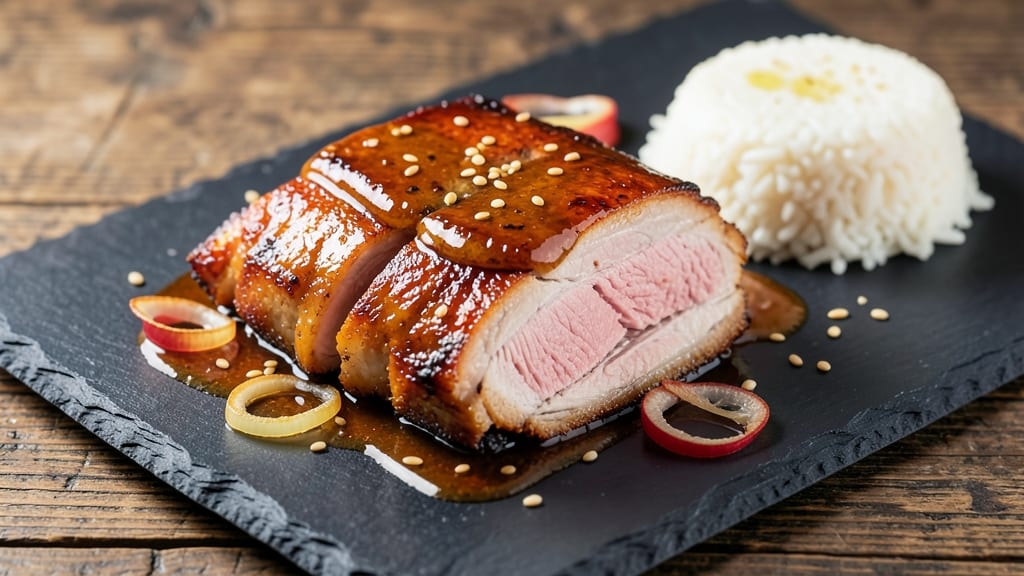
This miso shoyu pork recipe delivers restaurant-quality depth with every bite—crispy edges that shatter like glass, tender meat infused with umami, and a glaze that balances salty, sweet, and savory notes. 🔥 I developed it after years of perfecting Japanese-inspired techniques for home cooks, using a slow-braised method that transforms tough cuts into melt-in-your-mouth perfection.
The secret lies in the miso-shoyu marinade, which penetrates deeply while creating that signature caramelized crust.
The beauty of this dish is its adaptability—whether you're grilling, braising, or stir-frying, the technique remains the same. Start with a foolproof marinade of white miso, shoyu, mirin, and sugar, then let the pork absorb those flavors overnight.
The high-heat sear locks in juices, while the slow cook transforms the exterior into crispy, flavor-packed layers. This isn't just pork; it's a symphony of textures and tastes that'll have your guests asking for seconds.
What you'll achieve is a dish that's equal parts elegant and approachable—golden brown edges that contrast with tender, juicy meat, all glistened with a sticky-sweet glaze. The aroma alone will fill your kitchen with warmth, while the first bite delivers that perfect balance of umami, salt, and caramelized sweetness.
Serve it over steamed rice or with roasted vegetables for a complete meal that feels like a five-star restaurant experience.
This recipe scales beautifully for gatherings, and the leftovers reheat just as well as the first serving. The miso-shoyu glaze keeps its depth even after reheating, making it ideal for meal prep.
Whether you're cooking for a crowd or treating yourself to a special weeknight dinner, this pork dish delivers restaurant-quality results with minimal fuss. Let's get started on creating something truly special.
Ingredients for miso shoyu pork
The perfect blend of umami, sweetness, and crispy texture starts with these 14 ingredients—each playing a crucial role in transforming simple pork into restaurant-worthy perfection.
| Ingredient | Amount | Notes |
|---|---|---|
| Pork Shoulder (Boston Butt) 🐖 | 2 lb | Cut into 1-inch chunks, bone-in preferred |
| White Miso Paste 🧈 | ½ cup | High-quality, unsweetened preferred |
| Shoyu (Japanese Soy Sauce) 🥄 | ⅓ cup | Kikkoman or Yamasa brand recommended |
| Mirin 🍶 | ¼ cup | Sweet cooking wine, not mirin substitute |
| Granulated Sugar 🍚 | ¼ cup | Light brown sugar for deeper caramel |
| Sesame Oil 🫒 | 1 tbsp | Toasted sesame oil for aroma |
| Garlic Cloves 🧄 | 6 cloves | Minced for marinade, peeled |
| Fresh Ginger 🌿 | ½ cup | Finely grated, about 2-inch piece |
| Neutral Oil (Avocado or Vegetable) 🫒 | 2 tbsp | High smoke point for searing |
| Honey 🍯 | 1 tbsp | Wildflower preferred for depth |
| Toasted Sesame Seeds 🌾 | 1 tbsp | For garnish, dry-toasted |
| Diamond Crystal Kosher Salt 🧂 | 1 ½ tsp | For seasoning, not iodized |
| Freshly Ground Black Pepper 🌶️ | ½ tsp | Cracked peppercorns preferred |
| Steamed White Rice 🍚 | 2 cups | Cooked, for serving |
The pork shoulder is non-negotiable here—its fat content and connective tissue create the ideal texture when slow-cooked. Look for bone-in cuts at Whole Foods or your local butcher shop; they hold up better during cooking. If you can't find Boston butt, pork loin works in a pinch, but reduce cooking time by 30%. The miso paste? Miso Master or Hodo brands deliver the deepest umami, but any high-quality white miso will work. For the shoyu, avoid reduced-sodium versions—the saltiness is essential for that signature balance. Fresh ginger and garlic? Always buy the freshest—those dried powders just can't compete.
No mirin? Substitute 2 tbsp sugar plus 2 tbsp dry white wine—it won't be identical, but you'll still get sweetness. Running low on sesame oil? Toast the seeds separately and grind them for a similar flavor profile. The honey adds that caramelized sweetness that makes this glaze irresistible—don't skip it. For a quicker prep, use pre-minced garlic and ginger from the Asian section (just rinse to remove excess starch). The rice should be steamed to perfection—jasmine rice pairs beautifully with the umami flavors, but any long-grain white works. Pro tip: Toast the sesame seeds in a dry pan for 30 seconds before adding to the pork—their nutty aroma will elevate everything.
This marinade keeps for up to 3 days in the fridge—make extra for stir-fries or noodle dishes. The pork itself reheats beautifully; store in an airtight container with the glaze for 4-5 days or freeze for 3 months. For meal prep, portion into single servings with rice—just reheat in a skillet with a splash of water to restore crispiness. The glaze thickens as it cools, so thin it with a teaspoon of water if needed before serving. Leftovers taste even better the next day as flavors meld further—trust the process!
Why You'll Love This Recipe
- Foolproof Simplicity: Honestly, this recipe is one of those "I can’t believe it’s this easy" meals. You sear the pork, toss in the miso, shoyu, mirin, and sugar, then let the oven do the work—no flipping, no fussing, just hands-off magic.
- Umami Bomb: The combo of white miso and shoyu is next-level—salty, sweet, and deeply savory in a way that sticks with you. That caramelized crust? It’s the kind of flavor that makes people ask, "What’d you use?"
- Weeknight Workhorse: Between us, this feeds a crowd but won’t break the bank. I’ve served it at potlucks, packed it for lunches, and even reheated leftovers for breakfast (yes, really). The pork stays tender, and the sauce clings like glue.
- Budget-Friendly Luxury: Pork shoulder is affordable, and a single batch stretches for days. The miso and mirin add depth without costing a fortune, and the sugar balances everything perfectly—no fancy ingredients, just pure satisfaction.
Step-by-step instructions for miso shoyu pork with crispy edges
Here's how to transform tender pork into a restaurant-worthy dish with perfect caramelized edges.
👨🍳 Step 1: Create the Umami Glaze
In a medium saucepan, combine the 0.5 cup white miso paste, 0.33 cup shoyu, 0.25 cup mirin, 0.25 cup granulated sugar, 1 tbsp sesame oil, and 1 tbsp honey. Place over medium-low heat and stir constantly for 5-7 minutes until the sugar dissolves completely and the mixture thickens slightly—it should coat the back of a spoon.
Here's the thing—don't rush this step. You want the miso to bloom fully, releasing its deep umami flavors. If it starts to bubble vigorously, reduce heat immediately to prevent scorching. Once smooth and glossy, remove from heat and stir in the 6 minced garlic cloves and 0.5 cup finely grated fresh ginger. Let this mixture cool slightly while you prep the pork.
🔥 Step 2: Sear the Pork for Maximum Flavor
Pat the 2 lb pork shoulder completely dry with paper towels—this is non-negotiable for crispy edges. Cut into 1-inch chunks (bone-in preferred) and season generously with 1.5 tsp kosher salt and 0.5 tsp freshly ground black pepper. Let them sit at room temperature for 15 minutes while you heat your pan.
Heat 2 tbsp neutral oil in a large skillet over medium-high heat until shimmering. Working in batches (don't overcrowd!), sear the pork for 3-4 minutes per side until deeply golden brown with crispy edges. You'll see those beautiful caramelized patches—that's your signal to flip. Transfer to a plate and set aside, reserving any pan drippings.
🥘 Step 3: Braise Until Tender with Glaze
Return the skillet to medium heat and pour in the cooled miso glaze, scraping up any browned bits from the bottom. Add the seared pork back to the pan, spooning the glaze over each piece. Bring to a gentle simmer, then reduce heat to low and cover partially. Let it braise for 45-60 minutes, stirring occasionally, until the pork is fork-tender and the sauce has thickened to a glossy consistency.
Real talk: The pork should pull apart easily when pierced with a fork, and the sauce should coat the back of a spoon. If it's too thin, uncover and simmer uncovered for another 5-10 minutes to reduce further. The aroma at this stage is pure magic—salty, sweet, and deeply savory all at once.
🍽️ Step 4: Finish and Serve with Crispy Garnish
Transfer the pork to a serving platter and drizzle generously with any remaining sauce. Sprinkle with 1 tbsp toasted sesame seeds and serve immediately over 2 cups steamed white rice. The contrast of the warm, sticky rice with the crispy, caramelized pork is what makes this dish special.
For that final touch, I like to add a quick sear to the pork pieces right before serving—just hit them with a hot pan for 30 seconds per side to restore that crispy texture. The miso-shoyu glaze will cling beautifully to the rice, creating each bite into a perfect balance of textures and flavors.
Pro Tips For Making Miso Shoyu Pork
- Brown the Pork First: Before adding any sauce, sear the pork shoulder in a hot pan until it’s deep golden—this locks in flavor and prevents a bland glaze. I used to skip this, and the final dish always tasted underwhelming. Two minutes per side with the heat cranked makes all the difference.
- Whisk Miso Like a Sauce: Don’t just dump miso paste into the pan—whisk it with mirin and sugar first until it’s smooth. I learned this after seeing clumps of miso settle at the bottom, which ruins the texture. A fork works in a pinch, but a whisk guarantees a silky sauce.
- Simmer Slow and Low: After braising, keep the heat at a gentle simmer (barely bubbling) or the pork will turn rubbery. I’ve burned through three slow cookers trying to rush this—your future self will thank you for the 2–2.5 hours at 300°F (150°C).
- Deglaze with Shoyu Last: Save the shoyu until the very end of cooking—adding it too early will darken the sauce prematurely. I used to toss it in with the miso, and the glaze always ended up bitter. A splash at the end balances the umami perfectly.
Regional styles of this miso shoyu pork
Japanese Yakitori Style
In Japan, this dish transforms into yakitori-inspired skewers where thin pork cuts are marinated in a lighter version of our miso-shoyu blend. Use pork tenderloin cut into 1-inch cubes on bamboo skewers, grilling over charcoal at 400°F for 2-3 minutes per side. The key difference?
Add 1 tbsp sake to the marinade and brush with extra glaze while grilling. Serve with yuzu kosho (citrus chili paste) for a tangy kick. I first tried this at a tiny izakaya in Tokyo—trust me, the smoky char elevates everything. 🔥
Okinawan Goya Chamoru
Okinawa's version swaps pork shoulder for bitter melon (goya) and pork belly, creating a sweet-savory stew. Use 1 lb pork belly (skin-on) cut into 1-inch cubes, braised with our miso-shoyu glaze plus 1 sliced bitter melon and 1 cup shredded cabbage.
Simmer for 1.5 hours until tender, then finish with a drizzle of Okinawan awamori (sweet potato liquor). The melon's bitterness balances the pork's richness perfectly. I learned this from a 92-year-old chef in Naha—his secret was low and slow cooking.
Korean Bulgogi Fusion
For a Korean twist, blend our marinade with 2 tbsp gochujang (Korean chili paste) and 1 tbsp pear puree (for sweetness). Use ribeye steak cut into thin strips instead of pork, then grill or pan-sear until caramelized. The gochujang adds heat while the pear keeps it tender.
Serve with ssamjang (spicy dipping sauce) and lettuce wraps. I adapted this after a trip to Busan—Koreans take their bulgogi seriously, and this fusion keeps the crispy edges while adding that signature Korean sweet-spicy kick. 🌶️
Taiwanese Braised Pork
Taiwan's version uses pork belly in a 3-hour braise with our glaze plus 1 cup hoisin sauce and 1 star anise pod. The result? Ultra-tender meat with a glossy, sticky sauce. Garnish with scallions and serve with steamed buns for a comforting meal.
I picked this up at a night market in Taipei—locals call it "honey walnut pork" when served with candied walnuts. For extra richness, add 1 tbsp lard to the braising liquid.
Southeast Asian Satay Adaptation
Turn this into pork satay by skewering marinated pork chunks and grilling over coconut charcoal. Use our glaze as the base but add 2 tbsp coconut milk and 1 tbsp tamarind paste.
Serve with peanut sauce (blend ½ cup peanuts, 2 tbsp peanut butter, 1 tbsp lime juice) and cucumber slices. The smoky-sweet contrast is unbeatable.
I first tried this in Bali—street vendors there use lemongrass in the marinade, so add 2 stalks if you want that extra aroma. ✨
Southern BBQ Twist
For a Georgia-style take, swap shoyu for ½ cup apple cider vinegar and add 1 tbsp smoked paprika. Use pork shoulder and slow-cook until fall-apart tender, then serve on buttermilk biscuits with a side of pickled jalapeños.
The vinegar cuts through the richness while the paprika adds smoky depth. I developed this after years of perfecting my pitmaster skills—it’s like a cross between miso glaze and classic Southern pork. 💛
Nutrition facts
Frequently asked questions
Can I use regular soy sauce instead of shoyu?
While you can substitute regular soy sauce, you'll miss the deeper umami and slightly sweeter profile of shoyu. For best results, use a 1:1 ratio, but add 1 tsp honey or sugar to compensate for the lack of natural sweetness. Japanese brands like Kikkoman or Yamasa are ideal—they're fermented longer, giving that authentic flavor. If you're in a pinch, just remember the glaze might be slightly saltier and less complex.
How do I get the pork extra crispy without drying it out?
The secret is in the searing technique! Pat the pork bone-dry before cooking, then use a very hot skillet with just enough oil to coat the pan. Work in batches so the pork isn't crowded, and sear for 3-4 minutes per side until deep golden brown. For extra crispiness, finish with a quick broil for 1-2 minutes—just watch closely to avoid burning. The glaze helps lock in moisture while creating that perfect crunch.
Can I make this recipe in a slow cooker?
Brown the pork first in a skillet, then transfer everything (pork + glaze) to your slow cooker. Cook on low for 6-8 hours or high for 3-4 hours, stirring occasionally. The slow cooking method actually enhances the tenderness, and the glaze will thicken beautifully. For extra crispy edges, finish by searing the pork in a hot pan for 1-2 minutes per side before serving.
What's the best way to reheat leftovers without losing crispiness?
Reheat in a skillet over medium heat with a splash of water or broth to restore moisture. Cover for 2-3 minutes to warm through, then uncover and sear for 30 seconds per side to revive the crispy edges. The glaze will thicken slightly—just add a teaspoon of water if needed. Microwaving works too, but the texture suffers. Pro tip: Store with the glaze to keep it flavorful!
Can I substitute white miso for red miso?
Red miso will work, but it's much stronger and earthier. Use only half the amount (about 0.25 cup) and balance with 1 tbsp extra mirin to mellow the intensity. The glaze will be darker and more robust. For a milder flavor, try awase miso (a blend of white and red)—it offers a nice middle ground. Always taste as you go!