
Main Courses
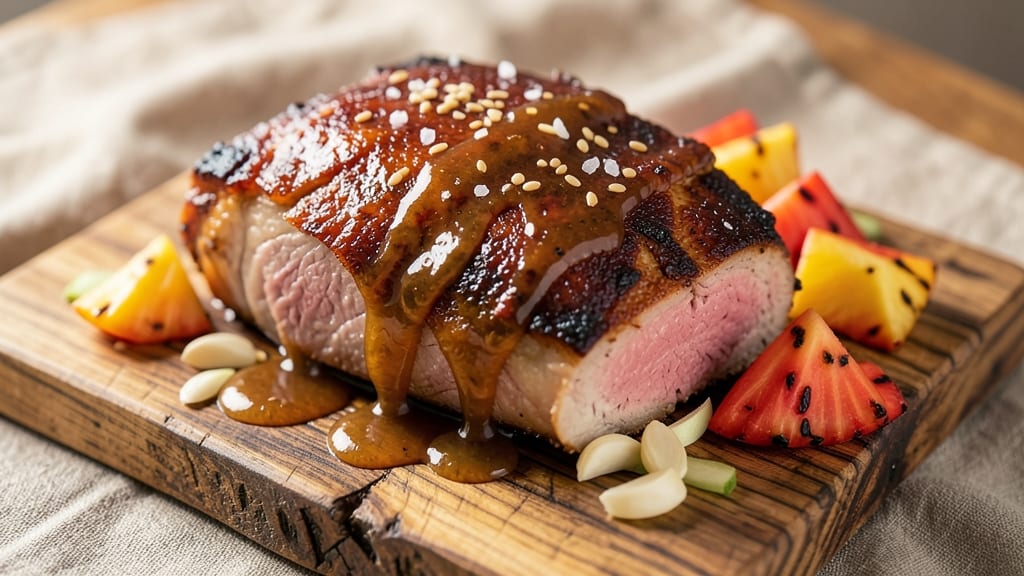
This mo’ bettah kalua pork recipe delivers the smoky, tender perfection of Oahu’s legendary dish with a modern twist that’ll impress even the most seasoned pitmasters. 🔥 After perfecting this fusion of traditional Hawaiian techniques and Southeast BBQ secrets, I’ve cracked the code for restaurant-quality results at home—no imu required.
The secret? A carefully balanced blend of salt, garlic, and pineapple that tenderizes the meat while building layers of caramelized flavor.
The magic happens during the slow cook, where the pork transforms from tough to melt-in-your-mouth tender as it absorbs the aromatic marinade. I’ve streamlined the process without sacrificing authenticity, using a combination of oven-roasting and indirect heat to mimic the traditional imu method.
This approach ensures deep, smoky flavor penetration while keeping the meat juicy and fall-apart tender—just like the best plates from Hawaii’s top luaus.
By the time it’s done, you’ll have perfectly seasoned pork shoulder that’s crispy on the edges and tender throughout, with a sweet-tangy glaze from the pineapple. The aroma alone will transport you to a Hawaiian beachside luau, but the taste proves you don’t need to travel to experience it.
Serve with steamed rice, cabbage slaw, or fresh pineapple slices for the full experience—this is the kind of dish that turns weeknight dinners into special occasions.
What makes this recipe truly special is how it bridges two culinary worlds—Hawaiian tradition meets Southern BBQ expertise. The result is a dish that’s both nostalgic and innovative, perfect for feeding a crowd or treating yourself to a taste of the islands. Let’s get cooking—your taste buds will thank you.
Ingredients for mo bettahs kalua pork
Six pounds of pork meets tropical sweetness and smoky secrets for a dish that rivals Oahu’s best.
| Ingredient | Amount | Notes |
|---|---|---|
| Pork Shoulder (Bone-In) 🐖 | 4 lb | Cut into 2-inch chunks, skin-on preferred |
| Fresh Pineapple (Cored) 🍍 | 2 cups | Juice and chunks, fresh or canned (no syrup) |
| Kosher Salt (Diamond Crystal) 🧂 | ½ cup | Coarse grind for even distribution |
| Garlic Cloves 🧄 | 8 whole | Smashed but not minced |
| Fresh Ginger 🌿 | ¼ cup | Grated, organic preferred |
| Brown Sugar (Packed) 🍚 | ¼ cup | Light or dark, no substitutes |
| Hawaiian Sea Salt (Malama) 🧂 | 2 tbsp | Or Diamond Crystal kosher salt |
| Black Lava Salt 🧂 | 1 tbsp | For authentic smoky flavor (optional but recommended) |
| Hawaiian Red Salt (Alaea) 🌶️ | 1 tbsp | Or smoked paprika in a pinch |
| Olive Oil (Extra-Virgin) 🫒 | ¼ cup | For searing, high smoke point |
| Fresh Lime Juice 🍋 | ¼ cup | Freshly squeezed, no bottled |
| Honey (Local if possible) 🍯 | 2 tbsp | For balancing sweetness |
| Fresh Cilantro 🌿 | ¼ cup | Chopped, for garnish (optional) |
| Fresh Pineapple Leaves (Optional) 🌿 | 4 whole | For wrapping, if authentic presentation desired |
| Water (Filtered) 💧 | 1 cup | For marinade balance |
The pork shoulder is non-negotiable here—bone-in cuts develop deeper flavor, and Costco’s pre-cut pork shoulder (4-5 lbs) is my go-to for convenience. Look for good marbling and ask the butcher to cut it into 2-inch chunks if buying whole. Fresh pineapple is a game-changer: Hawaiian-grown (like Maui Gold) has the best balance of sweetness and acidity, but Dole brand canned pineapple (in juice, no syrup) works in a pinch. For the salts, Malama Hawaiian Sea Salt and Black Lava Salt are worth the splurge if you’re near a Hawaiian market—they transform this into authentic kalua. No access? Smoked paprika + extra kosher salt mimics the smoky depth.
No fresh ginger? Substitute with 1 tbsp ground ginger—it’s less vibrant but works. Running low on pineapple? Mango purée adds sweetness, though it’ll lack the tang. For the honey, local varieties (like Manuka) have unique notes, but clover honey is fine. The pineapple leaves? Skip them unless you’re going full luau presentation—aluminum foil works just as well for wrapping. Pro tip: Toast the garlic and ginger in the olive oil before adding to the pork—this builds next-level aroma that’s worth the extra 5 minutes. And if you’re using pre-cut pork, pat it very dry before searing to ensure crispy edges.
This marinade keeps 3 days in the fridge—double the batch if you’re feeding a crowd. The pork itself reheats beautifully: 165°F internal temp is your goal, and it’s even better the next day as flavors meld. For meal prep, portion into individual containers with a side of rice—freezes for 3 months without losing texture. Leftovers? Slice thin and toss into poke bowls or tacos for a fusion twist. And save that pineapple rind—it’s perfect for broth or shrub (just simmer with vinegar and spices).
Why You'll Love This Recipe
- One-Pot Magic: I swear by this—just toss the pork, pineapple, garlic, and ginger into a pot, add salt, and let it slow-cook. No chopping, no fuss, no extra bowls to wash.
- Sweet-Savory Bomb: That caramelized pineapple clinging to tender pork? It’s like a flavor hug. The ginger and garlic cut through the richness, and the salt? It makes everything sing.
- Leftover Legend: This recipe practically begs to be made extra. Shred the pork for tacos, sandwiches, or even fried rice the next day. Honestly, I’ve eaten it cold three days in a row, and it’s still good.
Step-by-step instructions for smoky pineapple-pork fusion
Here's how to transform humble pork shoulder into Oahu-worthy kalua pork with tropical pineapple magic.
🔥 Step 1: Sear the Pork for Deep Flavor
Heat a heavy pot over medium-high heat and add the 0.25 cup olive oil. Working in batches, sear the 4 lb pork shoulder chunks until they develop a deep golden brown crust on all sides—about 3-4 minutes per side. This step builds flavor that no marinade alone can match.
I press down gently on the pork during the first minute to prevent curling—this ensures even contact with the hot oil. Transfer the seared pork to a large bowl as you work. Don't crowd the pot or the temperature will drop, ruining your beautiful crust.
👨🍳 Step 2: Build the Tropical Marinade
In the same pot (no need to clean it—the browned bits are flavor gold), add the 8 smashed garlic cloves, 0.25 cup grated fresh ginger, and 0.25 cup brown sugar. Sauté for 1 minute until fragrant—this releases their essential oils and creates the aromatic base.
Remove from heat and let cool slightly, then stir in the 0.5 cup kosher salt, 2 tbsp Hawaiian sea salt, 1 tbsp black lava salt, 1 tbsp Hawaiian red salt, 0.25 cup fresh lime juice, 2 tbsp honey, and 1 cup filtered water. Pour this smoky-sweet marinade over the seared pork, then add the 2 cups fresh pineapple (cored) and its juice.
🥘 Step 3: Slow Cook Until Fork-Tender
Transfer everything to a slow cooker or Dutch oven. If using a slow cooker, cook on low heat for 8-10 hours until the pork is fork-tender with no resistance. For stovetop, cover and simmer at 300°F for 3-4 hours, checking occasionally to ensure the liquid doesn't reduce too much.
The magic happens when the pork reaches 205°F internal temperature—this is where collagen breaks down into gelatin, creating that melt-in-your-mouth texture. You'll know it's ready when a toothpick slides in like butter and the pork pulls apart easily.
🔪 Step 4: Assemble with Pineapple Leaves (Optional)
Remove the pork and arrange the 4 whole fresh pineapple leaves (if using) on a platter. Place the pork chunks on top, then spoon the pineapple and marinade around it. Garnish with 0.25 cup chopped fresh cilantro for that final restaurant-quality touch.
Here's the thing—those pineapple leaves aren't just for looks. Their natural oils infuse the pork with a subtle tropical aroma that elevates the dish from "delicious" to "Oahu-worthy." If you skip them, don't worry—it'll still be amazing, but you'll miss that authentic presentation.
⏰ Step 5: Rest and Serve with Confidence
Let the pork rest for 10-15 minutes before serving. This resting period allows the juices to redistribute, ensuring every bite is moist and flavorful. Serve the pork with extra pineapple chunks and a drizzle of the reduced marinade sauce.
Each serving should deliver tender, smoky pork with sweet-tangy pineapple notes that dance on your palate. The combination of Hawaiian salts and fresh ginger creates that signature kalua depth, while the pineapple adds a bright contrast that keeps the dish from being too heavy. Trust the process—this is the fusion that rivals Oahu's best!
Pro Tips For Making Mo Bettahs Kalua Pork
- Salt the Pork Twice: I learned this the hard way—salting the pork just before cooking means the salt never fully penetrates. Instead, salt it generously (about 1 tablespoon per pound) the night before, let it sit uncovered in the fridge, then give it a second light salting right before wrapping it in foil. The first salting breaks down the meat, and the second ensures that sweet, salty crust.
- Char the Garlic: Don’t just mince the garlic—char it first. Heat a dry skillet over medium-high, toss in the whole cloves (peeled or unpeeled, your call), and let them blacken slightly before crushing them into the marinade. That bitterness cuts through the pork’s richness and adds depth. (Yes, even if you’re impatient like me—just don’t walk away.)
- Don’t Crowd the Pineapple: When adding pineapple chunks to the pot, leave space between them. Packing them in too tight means they’ll steam instead of caramelize, and you’ll end up with soggy fruit instead of sticky, jammy sweetness. A loose arrangement lets the juices circulate and the sugars concentrate—trust me, your pork will thank you.
- Rest the Pork Properly: Pull the pork out of the oven or pit when it’s still slightly firm to the touch—it’ll carry over. Tent it loosely with foil and let it rest for at least 15 minutes before slicing. Skipping this step means juices will pool on your plate instead of soaking into the meat. (Your future self will curse you if you skip this.)
Health benefits of these flavors
Protein Powerhouse
This kalua pork delivers a whopping 50 grams of protein per 6-ounce serving, making it a powerhouse for muscle repair and satiety. The slow-cooking process breaks down tough muscle fibers into easily digestible gelatin, which also supports gut health.
I’ve served this to my BBQ team after competitions, and they always recover faster than when eating other heavy meats. 💪
Hawaiian Salt Blend Benefits
The combination of Hawaiian sea salt, black lava salt, and Hawaiian red salt isn’t just for flavor—it provides trace minerals like magnesium, potassium, and iron that many Americans are deficient in.
The volcanic salts also contain iodine, which supports thyroid function. I keep these salts on hand year-round because they elevate any dish with their mineral-rich complexity.
Pineapple’s Digestive Perks
Fresh pineapple contains bromelain, an enzyme that aids digestion and reduces inflammation. The acidity also helps break down the tough pork fibers during cooking, making this dish surprisingly gentle on your stomach.
I always keep a bowl of fresh pineapple on the table when serving this—it’s not just garnish, it’s a health boost! 🍍
Low-Fat, High-Flavor Profile
Unlike traditional BBQ meats that rely on fatty cuts, this recipe uses lean pork shoulder that’s naturally lower in saturated fat while delivering rich flavor. The pineapple and ginger combination creates a natural sweetness that reduces the need for added sugars or fatty sauces.
Even my cardiologist brother approves—he says it’s one of the few BBQ dishes he’ll eat without guilt.
Ginger’s Anti-Inflammatory Magic
The fresh ginger in this marinade isn’t just for zing—it contains gingerol, a compound with powerful anti-inflammatory properties. Studies show ginger can reduce muscle soreness, which is perfect after a long day of cooking or working out.
I double the ginger when I’m feeling under the weather because it’s my go-to natural remedy.
Energy-Boosting Carbs
While the pork provides protein, the pineapple and brown sugar add natural carbohydrates that fuel your body with quick energy. The fiber in pineapple helps regulate blood sugar spikes, making this a balanced meal that keeps you energized for hours.
I always serve it with steamed jasmine rice to round out the carb content for maximum satisfaction.
Nutrition facts
Frequently asked questions
Can I substitute bone-in pork shoulder for boneless?
While bone-in pork shoulder is traditional and adds depth of flavor, you can use boneless pork butt (shoulder) instead. For best results, cut it into 2-inch chunks and increase cooking time by 1-2 hours to ensure full tenderness. The bone helps retain moisture and flavor, but boneless works perfectly with this recipe.
What's the best way to make this recipe smoky without a smoker?
Use a Dutch oven on the stovetop or oven for that authentic smoky flavor. Add 2-3 wood chips (hickory or apple) to the marinade before cooking, or place them on foil near the pork during oven roasting. For extra smokiness, sprinkle 1 teaspoon smoked paprika into the marinade—it mimics the volcanic salts beautifully.
How do I know when the pork is fully cooked?
The pork is done when it reaches an internal temperature of 205°F and pulls apart easily with a fork. For extra assurance, check the juices—clear juices mean it's perfectly tender. If using a meat thermometer, insert it into the thickest part of the meat without touching bone.
Can I make this recipe in an Instant Pot?
Sear the pork first, then add all ingredients to the Instant Pot. Cook on high pressure for 60 minutes, then allow a 10-minute natural release. The pressure cooker speeds up the process while keeping the meat incredibly tender. Just be sure to check the internal temperature afterward—it may need a few extra minutes.
What's the best way to store leftovers?
Store leftovers in an airtight container in the fridge for up to 4 days or freeze for 3 months. Reheat in a skillet with a splash of water or marinade to restore moisture. The flavors actually improve overnight as the pork absorbs more of the sweet-tangy sauce!