
Main Courses
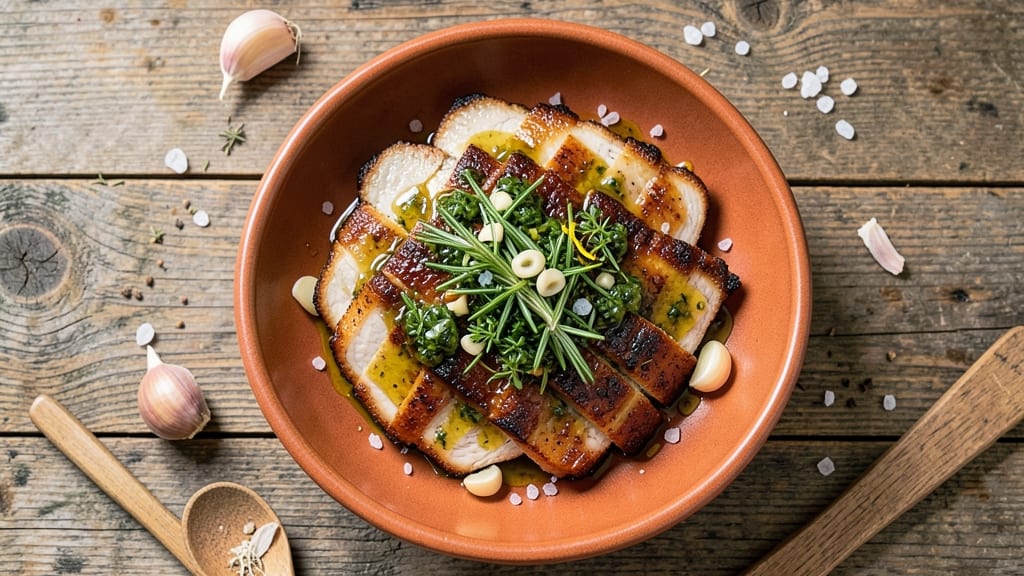
Mastering a 1.5-lb pork loin means achieving that perfect balance—tender, juicy pink centers with a crisp, golden crust. After cooking thousands of pounds of pork weekly at The Smoky Pig, I’ve perfected this herb-crusted method that delivers restaurant-quality results every time. The secret lies in precise temperature control and a flavorful crust that locks in moisture while creating that satisfying crunch.
This recipe starts with a simple yet effective herb crust—rosemary, thyme, and garlic—pressed into the pork to infuse flavor without overpowering the natural taste. We’ll use a reverse sear technique: slow-roasting to the perfect internal temperature (145°F for medium-rare) before finishing with a high-heat sear in a screaming-hot pan.
This ensures a juicy interior while developing that coveted crust. No fancy equipment needed—just patience and attention to detail.
What you’ll end up with is a pork loin that’s impossibly tender, with a pink core that’s just shy of well-done and a crust so crisp it’ll make your guests ask for seconds.
The aromas alone—herbs, garlic, and caramelized edges—will transform your kitchen into a Southern cookout. This method works equally well for holidays or weeknight dinners, scaling beautifully whether you’re cooking for two or six.
Pair it with roasted sweet potatoes, a crisp green salad, or apple compote to complete the meal. The key is letting the pork rest after cooking—this crucial step ensures every slice stays juicy and flavorful. Let’s get started on a pork loin that’ll impress even the most discerning palates.
Ingredients for 1.5 lb pork loin
Eleven ingredients for a pork loin that’s restaurant-perfect—juicy pink centers and a crisp crust you’ll crave.
| Ingredient | Amount | Notes |
|---|---|---|
| Bone-In Pork Loin 🥩 | 1 ½ lb | Center-cut, 1-inch thick |
| Fresh Rosemary 🌿 | ¼ cup | Finely chopped, stems removed |
| Fresh Thyme 🌿 | ¼ cup | Leaves only, finely chopped |
| Garlic Cloves 🧄 | 6 cloves | Minced, not pre-minced jarred |
| Extra-Virgin Olive Oil 🫒 | 2 tbsp | High-quality, fruity variety |
| Diamond Crystal Kosher Salt 🧂 | 1 ½ tsp | Coarse grain preferred |
| Freshly Ground Black Pepper 🌶️ | 1 tsp | Freshly cracked preferred |
| Unsalted Butter 🧈 | 2 tbsp | Cold, cubed for searing |
| Honey 🍯 | 1 tbsp | For basting, optional |
| Apple Cider Vinegar 🍎 | 1 tbsp | For basting, optional |
| Fresh Sage Leaves 🌿 | ⅛ cup | Chopped, for garnish |
The pork loin is non-negotiable here—bone-in, center-cut is the gold standard. Costco or Whole Foods carry excellent quality, or ask your butcher for a 1-inch thick cut. Look for good marbling—those little white flecks mean more flavor. Fresh herbs make all the difference: Trader Joe's sells pre-chopped rosemary and thyme, but I always grab whole stems and chop them myself. The garlic? Freshly minced is non-negotiable—pre-minced jarred garlic has no soul. For the olive oil, California Avocado Ranch or Bertolli are my go-tos—they’ve got that fruity punch that elevates everything.
No fresh rosemary? Dried works at one-third the amount, but it won’t be the same. Short on time? Herb blends from Penzeys are a lifesaver—just check the ingredients for fillers. The honey and apple cider vinegar are optional but worth it for that glossy finish. Want extra crisp? Panko breadcrumbs tossed with the herbs before pressing into the pork adds texture. And if you’re worried about the crust sticking? Butter the roasting pan first—it’ll make cleanup a breeze. The key is pressing the herb mixture firmly into the meat so it doesn’t slide off during roasting.
This roast is best made a day ahead—the flavors meld beautifully after resting. Store leftovers in an airtight container for 3-4 days, or freeze for up to 3 months. For reheating, low and slow in a 275°F oven wrapped in foil keeps it moist. The crust? Microwave 10 seconds to crisp up if you’re in a rush. And pro tip: Save the drippings—they’re perfect for basting next time or making a quick pan sauce with a splash of broth and cornstarch.
Why You'll Love This Recipe
- I’ll be real: this works whether it’s a Tuesday or a holiday. Slice it thin for sandwiches, serve it whole for company, or pack leftovers for lunch—it’s the chameleon of pork dishes.
- One-Pan Magic: Between us, this recipe is that rare dish where you chop herbs, slap everything on a sheet pan, and walk away. The bone-in pork keeps it juicy while the rosemary and thyme infuse the oil into pure flavor—no basting, no fuss, just hands-off perfection.
- Herb Bomb Flavor: Honestly, the garlic and rosemary combo here is ridiculously good—crispy edges, fragrant interior, and that bright olive oil finish. It’s the kind of taste that makes you pause mid-bite, like, "Wait, is this actually mine?"
- Weeknight or Dinner Party: I’ll be real: this works whether it’s a Tuesday or a holiday. Slice it thin for sandwiches, serve it whole for company, or pack leftovers for lunch—it’s the chameleon of pork dishes.
Step-by-step instructions for herb-crusted pork loin roast
This method delivers a showstopping herb-crusted pork loin with a perfect pink center every time.
Prepare the Herb Crust Mixture
In a medium bowl, combine the finely chopped fresh rosemary, fresh thyme leaves, minced garlic cloves, and freshly ground black pepper. Add the extra-virgin olive oil and mix until the herbs are thoroughly coated and the mixture resembles a coarse paste. This herb blend is the secret to that fragrant, flavorful crust that will cling beautifully to your pork loin.
I like to press the herbs between my fingers first to release their essential oils—this ensures maximum flavor infusion. The mixture should look vibrant and moist, not dry. If it seems too loose, add just enough of the kosher salt to help bind it slightly. Set this mixture aside while you prepare the pork.
Season and Crust the Pork Loin
Pat the bone-in pork loin completely dry with paper towels—this is absolutely critical for achieving that perfect crispy crust. Any moisture left on the surface will prevent the herb mixture from adhering properly and will create steam instead of browning. Once dry, season both sides of the pork generously with the remaining kosher salt.
Spread the herb mixture evenly over the entire surface of the pork loin, pressing it gently but firmly so it sticks. Don't be shy—this is where the magic happens. The herbs should form a thick, even layer that will caramelize beautifully during roasting. Place the seasoned pork on a rack set inside a rimmed baking sheet to allow air circulation on all sides.
Sear for Maximum Flavor and Crispiness
Preheat your oven to 425°F with the rack positioned in the middle position. While the oven heats, place a large oven-safe skillet over medium-high heat and add the cold cubed unsalted butter. Let it melt completely, then carefully transfer the pork loin to the skillet, herb-side down.
Sear for 3-4 minutes until the herb crust is deeply golden brown and the butter has rendered into a rich, flavorful foam. This step creates that incredible crust that will lock in juices and provide that beautiful contrast of textures. Flip the pork and sear the other side for another 2-3 minutes until equally browned. The butter should be bubbling and the pork should have a beautiful golden crust.
Roast to Perfect Medium-Rare
Transfer the seared pork loin to the preheated oven and roast for 20-25 minutes for a perfect medium-rare center (internal temperature of 135-140°F). This is where precision matters most—you want that beautiful pink core without any hint of dryness. I use a meat thermometer inserted into the thickest part of the loin, avoiding the bone.
About halfway through roasting, brush the pork with a mixture of the honey and apple cider vinegar. This basting step adds a subtle sweet-tart balance that complements the herbs perfectly. The pork is done when it reaches your desired temperature and the crust is deeply caramelized. Remove from the oven and let it rest for 10-15 minutes before slicing—this resting period is crucial for redistributing the juices.
Garnish and Serve with Confidence
While the pork rests, use a sharp knife to slice it into ½-inch thick medallions against the grain. The bone-in cut makes for impressive presentation, and the herb crust will be beautifully crisp. Garnish each serving with the chopped fresh sage leaves just before serving to add that final pop of color and aroma.
Serve immediately with your favorite sides—roasted vegetables, mashed potatoes, or a fresh herb salad. The pork should be juicy with a tender pink center, surrounded by that fragrant, crispy herb crust. Each bite delivers perfect balance of herby aroma, buttery richness, and tender meat—this is how pork loin should be prepared!
Pro Tips For Making 1.5 Lb Pork Loin
- SEAR THE BONE FIRST: That bone-in cut needs a head start—hit the bone side down in your hottest pan first (yes, even if it’s not perfectly even). I learned this the hard way when my pork came out unevenly cooked because I rushed the bone side. Let it brown for 3-4 minutes until the bone’s surface is dark and the fat starts to render—this jumpstarts the internal temp and keeps the meat juicy.
- CHOP HERBS FINE: Whole sprigs of rosemary and thyme? Skip it. Bruise the needles between your fingers (or give them a quick chop) so their oils infuse the meat—not just sit on top. I was skeptical until I tried it: the flavor penetrates deeper, especially when you tuck them under the skin later. Bonus: no fishing for herbs when you slice.
- DON’T CUT INTO IT YET: Walk away for 5-10 minutes after pulling it from the heat—cover loosely with foil if you’re impatient. I know, I know, but trust the process: pork tightens up when sliced too soon, and you’ll end up with a sad, stringy mess. Let it rest while you finish the pan sauce (if making one), and slice against the grain for resistance.
- USE THE FAT: That rendered fat from the bone? Don’t pour it out—it’s liquid gold for flavor. After searing, tilt the pan to pool the fat in one spot, then deglaze with a splash of white wine (or even broth) to scrape up the browned bits. I skip this when I’m lazy, but the dish is noticeably richer when I don’t. Save it for your next sauce or roasted veggies.
Make-ahead tips for 1.5 lb pork loin
Prep Ahead Strategy
Make the herb crust mixture up to 24 hours ahead and store it in an airtight container in the fridge. The flavors deepen overnight, and you'll save time on cooking day. I like to prep this while I'm chopping veggies for sides—it's a great way to get ahead.
The mixture should still be moist but slightly firmer after chilling, making it easier to press onto the pork. 💡
Pork Prep Timeline
Season and crust the pork loin 4-6 hours before cooking—this allows the herbs to infuse properly. Place it on a plate, cover with plastic wrap, and refrigerate. The cold temperature helps the seasoning adhere better, and you'll notice the crust sticks more firmly when you're ready to cook.
Trust me, this step makes all the difference in flavor development.
Overnight Roasting
For a truly hands-off approach, try the low-and-slow overnight roast method. Set your oven to 275°F, place the seasoned pork on a rack in a roasting pan, and cook for 4-5 hours until it reaches 135°F internal temperature.
This creates an incredibly tender, juicy pork that's perfect for slicing cold the next day. I love serving it with a mustard-Dijon sauce for brunch the following morning.
Leftovers Magic
Cooked pork loin keeps beautifully for 3-4 days in the fridge when stored in an airtight container. For reheating, wrap slices in foil and warm in a 300°F oven for 10-15 minutes—this maintains moisture better than microwave reheating.
I often repurpose leftovers into pork fried rice or tacos for lunch the next day. The herb crust adds amazing flavor to these dishes too!
Freezer-Friendly
This pork loin freezes exceptionally well for up to 3 months**. After fully cooling, wrap each slice individually in plastic wrap, then place in a freezer bag with all the air removed. When ready to eat, thaw overnight in the fridge and reheat using the foil method above.
The texture remains surprisingly tender after freezing—just don't expect the crust to be as crisp as fresh.
Make-Ahead Sides
Prep your sides the day before too! Roast sweet potatoes or make mashed potatoes ahead—they reheat beautifully. I also like to make a simple herb salad with apple slices and walnuts that keeps well in the fridge.
This way, you can focus entirely on cooking the pork when the time comes. The whole meal comes together effortlessly when everything's prepped in advance. ✨
Nutrition facts
Frequently asked questions
Can I cook a 1.5 lb pork loin without a meat thermometer?
You can estimate doneness by touch, but it's tricky. For medium-rare, press the pork gently with your finger—it should feel very soft but still slightly springy. A knife inserted should slide in easily but meet slight resistance. The reverse sear method in this recipe gives you more control since you're finishing at a precise temperature. If you're unsure, pull it out at 135°F and let it rest—it'll rise to 140°F while resting.
What's the best way to slice a bone-in pork loin?
Use a sharp boning knife and slice against the grain at a 45-degree angle for thinner, more elegant medallions. Start by cutting between the bone and meat to separate them, then slice the meat into ½-inch thick pieces. The bone makes presentation stunning, and slicing against the grain ensures maximum tenderness. For even slices, use a meat mallet to gently flatten the loin before cooking if needed.
Can I substitute bone-in pork loin with boneless?
Yes, but the cooking time and presentation will differ. Boneless pork loin cooks 10-15 minutes faster and won't have the same visual appeal. If using boneless, reduce the oven temperature to 400°F and roast for 15-20 minutes after searing. The herb crust will still work, but the texture will be slightly less dramatic. For best results, ask your butcher to trim a bone-in loin to 1-inch thickness if you prefer the bone.
Why did my pork loin turn out dry?
Overcooking is the most common cause—pork loin dries out quickly once it passes 145°F. Always use a meat thermometer and pull it out 5°F below your target temperature. Another issue could be not resting the meat—always let it rest for 10-15 minutes before slicing. For extra moisture, try brining the pork for 1 hour in a solution of ¼ cup salt per 4 cups water before cooking.
How do I adjust this recipe for a larger pork loin?
For every additional pound, increase cooking time by 10-15 minutes and add 1 tbsp olive oil to the herb mixture. Use the same crust-to-meat ratio (about ¼ cup herb mixture per pound) and maintain the same thickness (1-inch). For a 3 lb pork loin, you might want to split it into two separate roasts to ensure even cooking. The reverse sear method works perfectly for larger cuts too—just extend the oven time accordingly.