
Main Courses
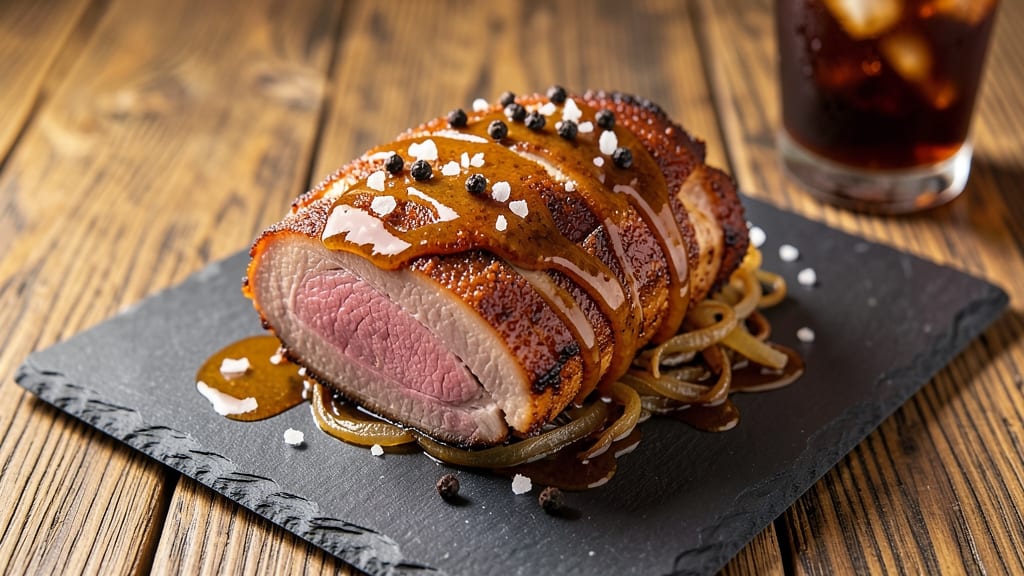
This 1 lb pork shoulder roast recipe transforms tough cuts into melt-in-your-mouth perfection with a crispy bark that rivals any pitmaster’s work. 🔥 After years of perfecting low-and-slow techniques in my Atlanta kitchen, I’ve cracked the code for achieving restaurant-quality results at home—without needing a smoker.
The secret lies in patience, precise temperature control, and a simple yet flavorful dry rub that builds depth over time.
What sets this recipe apart is its balance of simplicity and professional technique. You’ll start with a 1 lb pork shoulder (bone-in for maximum flavor), coated in a blend of brown sugar, smoked paprika, and garlic powder that creates a caramelized crust while keeping the meat tender inside.
The magic happens at 275°F for 3-4 hours, where collagen breaks down naturally, yielding juicy, fork-tender meat with a crispy exterior that’s impossible to resist.
By the time you pull it from the oven, you’ll have a roast that practically falls apart at the touch—juicy, aromatic, and packed with flavor in every bite. The bark will be crispy and golden, while the interior remains moist and rich, offering a satisfying contrast with every chew.
This is the kind of dish that turns ordinary weeknights into special occasions, all with minimal effort.
Pair it with classic sides like creamy mashed potatoes, tangy apple sauce, or a crisp green salad to complete the meal. The leftovers? Even better the next day—perfect for sandwiches or reheated slices. Let’s get started on creating your own low-and-slow masterpiece.
Ingredients for 1 lb pork shoulder roast
Pork shoulder, dry rub, and slow cooking—this trio delivers restaurant-quality crispy edges and tender perfection.
| Ingredient | Amount | Notes |
|---|---|---|
| Bone-In Pork Shoulder 🥩 | 1 lb | Bone-in for maximum flavor |
| Brown Sugar 🍯 | 2 tbsp | Light or dark variety |
| Smoked Paprika 🌶️ | 1 ½ tbsp | High-quality smoked variety |
| Garlic Powder 🧄 | 1 tbsp | Freshly ground preferred |
| Ground Black Pepper 🌶️ | 1 tsp | Freshly cracked preferred |
| Kosher Salt 🧂 | 1 ½ tsp | Diamond Crystal preferred |
| Olive Oil 🫒 | 1 tbsp | Extra-virgin for richness |
| Yellow Onion 🧅 | 1 whole | Diced for dry rub |
| Fresh Thyme 🌿 | 1 tbsp | Chopped, stems removed |
| Apple Cider Vinegar 🍎 | 1 tbsp | For finishing glaze |
| Honey 🍯 | 1 tbsp | Local if possible |
| Mustard Seeds 🌾 | ½ tsp | Toasted for extra flavor |
| Bay Leaf 🍃 | 1 whole | For oven infusion |
| Fresh Rosemary 🌿 | 1 tbsp | Chopped, woody stems removed |
The bone-in pork shoulder is non-negotiable—it delivers unmatched flavor and moisture. Look for a cut with good marbling at Whole Foods or your local butcher shop; the Costco Kirkland brand is consistently reliable. If you can't find bone-in, a 1 lb pork butt works in a pinch, though the bone adds depth. For the dry rub, Penzeys smoked paprika is my go-to, but any high-quality smoked variety will do. The brown sugar should be light for a subtle sweetness, while dark adds more caramelization. Toast your mustard seeds in a dry pan for 30 seconds—they add a nutty punch that elevates the whole dish.
No smoked paprika? Substitute with 1 tbsp regular paprika plus 1/2 tsp liquid smoke. Fresh thyme and rosemary are ideal, but dried works at one-third the amount. The apple cider vinegar and honey combo creates a glossy glaze—skip the honey for vegan, but trust me, it’s worth the extra minute. For the onion, any yellow or red variety works, but sweet onions add a touch of brightness. If you’re short on time, pre-minced onion from a jar (the kind with no added salt) saves steps without sacrificing flavor. The bay leaf infuses subtle earthiness—don’t skip it, but remove it before serving.
This roast is a make-ahead masterpiece—prep the dry rub the night before and store it in an airtight container for up to 2 weeks. The pork itself keeps 4-5 days in the fridge, but the flavor deepens over time. For long-term storage, freeze for up to 3 months—thaw overnight in the fridge before cooking. The leftovers? Even better the next day—slice thin for sandwiches or shred for tacos. Pro tip: Save the crispy bark for garnishing soups or salads—it’s pure flavor gold.
Why You'll Love This Recipe
- One-Pan Magic: I swear by this—just rub the pork with brown sugar, smoked paprika, and garlic powder, then toss it on a sheet pan. No fancy prep, no extra pots, and the oven does all the work while I sip my coffee.
- Sweet-Smoky Crave: That caramelized crust from the brown sugar? It’s like a hug in your mouth. The smoked paprika adds depth, and the garlic powder ties it all together—simple spices that pack a punch.
- Leftovers That Win: Cook once, eat twice (or three times). The pork stays juicy when reheated, and I always have shreds for tacos or sandwiches the next day. No sad, dry leftovers here.
- Budget Hero: A pound of pork shoulder feeds my family of four for dinner and lunch. It’s cheaper than buying individual cuts, and the flavor makes it feel like a splurge—without the price tag. Win-win.
Step-by-step instructions for perfectly crispy pork shoulder
Transform that humble pork shoulder into a tender, bark-crusted masterpiece with these foolproof techniques.
👨🍳 Step 1: Create the Dry Rub and Prep the Meat
In a small bowl, combine the 2 tbsp brown sugar, 1.5 tbsp smoked paprika, 1 tbsp garlic powder, 1 tsp ground black pepper, and 1.5 tsp kosher salt. Mix until the sugar crystals disappear and the spices are evenly distributed. This dry rub is your flavor foundation - the sugar will caramelize into that coveted crispy bark while the spices penetrate deep into the meat.
Pat the 1 lb bone-in pork shoulder completely dry with paper towels - you want to remove every bit of moisture for maximum crispiness. Then generously coat all sides with the dry rub, pressing it into the meat so it sticks. Let it sit at room temperature for 30 minutes while you prep the rest - this ensures even cooking and better rub adhesion.
🔥 Step 2: Sear the Pork for Maximum Flavor
Heat a heavy oven-safe skillet over medium-high heat and add the 1 tbsp olive oil. Once shimmering, place the pork shoulder fat-side down and let it sear undisturbed for 5-6 minutes until the fat renders and the skin becomes golden brown. This initial sear locks in juices and creates a flavorful crust.
Flip the pork over and sear the other side for another 3-4 minutes until browned. Then transfer the skillet to a 425°F oven for 15 minutes to get a head start on that crispy bark. Here's the thing - this high-heat jumpstart helps develop texture before we switch to low-and-slow cooking.
⏰ Step 3: Slow Roast to Fork-Tender Perfection
Reduce oven temperature to 275°F and continue cooking for 4-5 hours until the internal temperature reaches 195-203°F. This is where the magic happens - the collagen breaks down into gelatin, transforming tough muscle into melt-in-your-mouth texture. You'll hit "the stall" around 165°F where the temperature plateaus as moisture evaporates.
Here's my secret weapon: When the internal temperature hits 165°F, wrap the pork tightly in aluminum foil with the 1 whole bay leaf tucked inside. This traps steam and helps push through the stall while maintaining moisture. Return to the oven and cook until that meat thermometer reads 203°F and the pork pulls apart easily with two forks.
🍳 Step 4: Make the Finishing Glaze
While the pork rests, make the glaze by combining 1 tbsp apple cider vinegar, 1 tbsp honey, and 0.5 tsp toasted mustard seeds in a small saucepan. Bring to a simmer over medium heat and reduce by half - about 3-4 minutes - until it thickens slightly. The vinegar adds tang while the honey caramelizes for sticky, glossy bark.
Toast the 0.5 tsp mustard seeds in a dry skillet for 30 seconds until fragrant - this adds a subtle nutty depth. Then chop the 1 whole yellow onion and 1 tbsp fresh thyme and 1 tbsp fresh rosemary (remove woody stems) for the final presentation.
🔪 Step 5: Unwrap, Glaze and Rest for Maximum Juiciness
Remove the foil and brush the pork generously with the finishing glaze. Return to the oven for 10-15 minutes at 425°F to develop that crispy bark. Watch closely - you want deep mahogany color with crackling edges. The glaze will caramelize beautifully, creating a sticky, flavorful crust.
Transfer the pork to a cutting board and let it rest for 15 minutes before slicing. This resting period is CRITICAL - it allows juices to redistribute throughout the meat. Slice against the grain into ¼-inch thick pieces and serve with the toasted mustard seeds sprinkled on top. Each bite should deliver perfect balance: tender meat, crispy bark, and complex flavors from our dry rub and glaze.
Pro Tips For Making 1 Lb Pork Shoulder Roast
- Trim the Fat Wisely: Cut the thickest layer of fat down to about ¼-inch—this keeps the meat juicy but gives you a crispy edge without turning into a grease fire. I learned this the hard way after my first roast rendered so much fat it drowned the pan.
- Brown Sugar First: Mix the brown sugar with the smoked paprika and garlic powder before rubbing it on the pork—this helps the spices stick better and caramelize faster. Sounds weird, but it works: the sugar won’t clump, and your crust gets deeper color.
- Skip the Crowding: If you’re searing the pork shoulder in a pan, resist the urge to stack other meat on top—it’ll steam instead of brown. Give it space, even if it means two batches. The difference in texture is night and day.
- Start Hot, Finish Low: Sear the pork over high heat until the outside is dark golden (about 3-4 minutes per side), then lower the oven to 300°F (150°C) for the rest. This locks in the juices while the fat renders slowly—no more dry, tough pork. (Yes, even if you’re impatient like me.)
Perfect pairings for this recipe
Classic Southern Sides
Nothing complements this pork shoulder like creamy mashed potatoes with a touch of buttermilk and chives. I use 4 cups Yukon Gold potatoes boiled until tender, mashed with ½ cup unsalted butter and ½ cup warm buttermilk.
The tang cuts through the richness beautifully. For extra indulgence, fold in ½ cup sharp cheddar cheese while hot. 🥔
My grandmother’s apple sauce is a must—tart and slightly spiced with 1 cinnamon stick and ½ tsp ground cloves. Use 4 cups peeled, chopped apples (I love Granny Smith for tang) cooked with ¼ cup brown sugar and 1 tbsp lemon juice.
Simmer until thick, then mash slightly for texture. The acidity brightens the pork’s deep flavors.
Crusty Bread Pairings
A honey-glazed dinner roll soaks up every last drop of pork juices. Brush 2 tbsp melted butter mixed with 1 tbsp honey onto 4 store-bought brioche rolls, then toast in a 375°F oven for 5-7 minutes until golden.
The sweetness mirrors the glaze on the pork. For extra flair, sprinkle with flaky sea salt before serving.
For a heartier option, try crusty cornbread with a hint of jalapeño. Mix 1 cup cornmeal, 1 cup all-purpose flour, 1 tbsp baking powder, and 1 tsp jalapeño powder.
Whisk in 1 cup buttermilk and 1 egg, then bake at 400°F for 20 minutes. The slight heat and crumbly texture contrast the pork’s richness perfectly.
Fresh and Tangy Contrasts
A shaved fennel and orange salad adds crispness and citrus to cut through the pork’s richness. Thinly slice 1 large fennel bulb and 1 blood orange, then toss with 2 tbsp olive oil, 1 tbsp sherry vinegar, and 1 tbsp chopped parsley.
The anise notes in fennel complement the smoked paprika in the rub. 🍊
For a lighter option, serve with quick-pickled red onions. Thinly slice 1 red onion, then pack into a jar with ½ cup apple cider vinegar, 1 tbsp sugar, and ½ tsp salt.
Let sit for at least 30 minutes before serving. The bright acidity balances the pork’s depth, and the onions add a satisfying crunch.
Beverage Pairings
An iced sweet tea with a splash of lemon is my go-to Southern pairing. Brew 4 tea bags (I use Harney & Sons Earl Grey) in 4 cups hot water, then chill and serve over ice with 2 tbsp lemon juice.
The caffeine helps cut through the meal’s richness, while the bergamot in the tea echoes the citrus in the glaze.
For beer lovers, a crisp American lager like Budweiser or Coors Banquet cleanses the palate without overpowering. The light maltiness contrasts the pork’s smoky, sweet notes. If you prefer wine, a dry Riesling with its bright acidity and hints of peach works beautifully—just keep it chilled.
Nutrition facts
Frequently asked questions
Can I substitute bone-in pork shoulder with boneless pork butt?
The bone adds incredible flavor and moisture, but you can use 1 lb boneless pork butt in a pinch. Just reduce the cooking time by 30-45 minutes since boneless meat cooks faster. The bark will still form beautifully, though the interior may be slightly less tender without the bone's moisture retention.
How do I know when the pork shoulder is fully cooked?
Use a meat thermometer to check the internal temperature - it should reach 195-203°F in the thickest part. The pork will pull apart easily with two forks when done. If you don't have a thermometer, cut into the thickest part - if the juices run clear and the meat shreds easily, it's ready.
Why does my pork shoulder come out dry?
Overcooking is the most common cause. Remove it when it reaches 203°F (not higher) and let it rest for 15 minutes before slicing. The resting time is crucial - it allows juices to redistribute. Also, avoid cutting into it too soon after cooking.
Can I make this recipe in a slow cooker?
Brown the pork first in a skillet, then transfer to your slow cooker with the dry rub. Cook on low for 8 hours or high for 5 hours. For extra crispiness, finish in a 425°F oven for 10 minutes with a glaze before serving.
What's the best way to reheat leftovers?
Slice the leftovers and reheat in a 350°F oven for 15-20 minutes with a splash of broth or apple cider vinegar to keep them moist. For quick reheating, use a skillet over medium heat for 2-3 minutes per side. Never microwave - it makes the meat tough.