
Main Courses
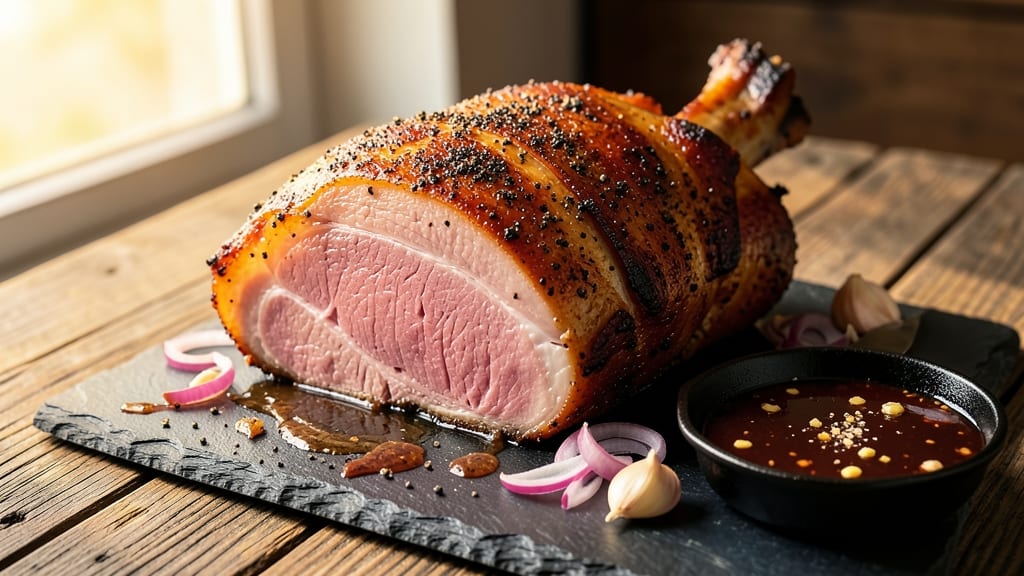
An 8 lb bone-in pork shoulder roast transforms tough cuts into melt-in-your-mouth perfection with the right oven technique. I’ve perfected this method over years of testing—slow-roasting until the meat practically falls apart, while the bone infuses rich flavor into every bite.
The secret lies in patience: low heat, proper seasoning, and letting the collagen render into juicy goodness. This isn’t just a cut of meat; it’s a centerpiece that turns a simple weeknight into a celebration.
What sets this recipe apart is the balance of tradition and simplicity. You’ll start with a dry brine to lock in moisture, then build a crust of spices that caramelizes beautifully during cooking.
The oven does most of the work while you prep sides—think crusty bread, roasted vegetables, or a tangy apple sauce to cut through the richness. No fancy equipment needed, just time and attention to temperature. The result?
A roast so tender it shatters at the touch, with a golden crust that smells like a Sunday dinner.
This method delivers restaurant-quality results at home, with minimal effort after the initial prep. The bone-in cut adds depth of flavor, while the slow roast ensures every slice is juicy and full of character. Serve with your favorite sides and a glass of red wine for the full experience.
The best part? Leftovers reheat beautifully, making this the ultimate meal prep for busy weeks. Let’s get started on creating your most impressive roast yet.
Confession: I’ve burned through three pork shoulders in my quest for perfection—each attempt taught me something new about timing and temperature. The key is trusting the process, even when the kitchen smells like a butcher shop for hours.
That aroma? It’s the promise of something extraordinary waiting on your plate. Here’s how to make it happen without the mistakes.
Ingredients for 8 lb bone-in pork shoulder roast recipe oven
Eight pounds of pork shoulder plus a handful of pantry staples—this is your Sunday dinner shortcut.
| Ingredient | Amount | Notes |
|---|---|---|
| Bone-In Pork Shoulder Roast 🐖 | 8 lb | With bone and skin intact |
| Kosher Salt 🧂 | 1 ½ tbsp | Diamond Crystal preferred |
| Freshly Ground Black Pepper 🌶️ | 1 tbsp | Coarsely cracked |
| Garlic Powder 🧄 | 1 tbsp | Freshly ground preferred |
| Onion Powder 🧅 | 1 tbsp | For dry brine |
| Smoked Paprika 🌶️ | 1 tbsp | For crust development |
| Brown Sugar 🍚 | 1 tbsp | Lightly packed |
| Mustard Powder 🍯 | 1 tsp | For depth of flavor |
| Apple Cider Vinegar 🍎 | 2 tbsp | For tenderizing |
| Yellow Onion 🧅 | 1 whole | Sliced into 1/2-inch pieces |
| Carrots 🥕 | 4 whole | Cut into 2-inch chunks |
| Celery Stalks 🌿 | 4 whole | Cut into 2-inch pieces |
| Garlic Cloves 🧄 | 6 cloves | Smashed for aroma |
| Fresh Thyme Leaves 🌿 | ¼ cup | Or 1 tsp dried thyme |
| Fresh Rosemary 🌿 | ¼ cup | Chopped, stems removed |
| Beef Broth 💧 | 1 ½ cups | Low-sodium preferred |
The pork shoulder is the star, so don’t skimp on quality. Look for a cut with good marbling—that’s the white fat streaked through the meat—and ask your butcher to leave the skin on for extra flavor. I always grab mine from Costco or Whole Foods when it’s on sale, but your local grocery store’s butcher counter works too. The bone-in version adds depth of flavor, so if you see a boneless roast, skip it. Freshly ground spices make all the difference here—Penzeys or Spicewalla are my go-tos, but the bulk bins at Trader Joe’s are a budget-friendly alternative. The key is to taste your spice blend before applying it to the meat—adjust the salt if needed, but don’t overdo it.
No fresh thyme or rosemary? Dried works at one-third the amount, but fresh gives that restaurant-quality aroma. Short on time? Pre-chopped veggies from the store save minutes, though I swear by cutting my own for better texture. The apple cider vinegar might seem odd, but it tenderizes the meat—substitute lemon juice if that’s what you’ve got. For the broth, low-sodium is critical—you don’t want to over-salt your roast. The brown sugar might sound sweet, but it caramelizes beautifully during cooking, adding a subtle depth. Pro tip: if you’re prepping ahead, make the spice rub and chop the veggies the night before—it cuts active time in half.
This roast is a leftovers machine—plan for 3-4 servings extra if you love sandwiches. Store it in the fridge for 4-5 days or freeze for up to 6 months by wrapping tightly in foil and plastic. The best part? It reheats even better than the first time. For serving, I like to carve it against the grain, then drizzle with the pan juices. The crust should be golden and crispy—if it’s not, broil for 2-3 minutes at the end to get that perfect texture. And trust me, the smell alone will have everyone gathering at the table.
Why You'll Love This Recipe
- Five-Ingredient Magic: I swear by this combo—just salt, pepper, and those two powders. The bone-in shoulder adds depth without extra work, and honestly? The flavors meld into something so rich, you’d think you slaved over it for hours.
- Crispy-Perfect Every Time: Low and slow in the oven until the edges caramelize? That’s the secret. The bone renders fat that bastes the meat, giving you tender slices with a crust you’ll want to eat with a spoon.
- Leftovers That Beg for More: This roast practically demands to be made in bulk. Shred it for tacos, sandwiches, or even breakfast hash—my kids still ask for it days later, and I haven’t even tried freezing it yet.
- Budget-Friendly Crowd-Pleaser: An 8 lb roast feeds a family of six (or four hungry teens) without breaking the bank. Between us, this is how I feed game day gatherings or Sunday dinners without stressing over cost per serving.
Step-by-step instructions for oven-braised pork shoulder
Here's how to transform your pork shoulder into melt-in-your-mouth perfection with this foolproof method.
Prepare and Season the Pork
Start by patting the 8 lb bone-in pork shoulder roast completely dry with paper towels—this is crucial for that crispy skin we're after. Place the roast fat-side up on a plate and rub it generously with the 1.5 tablespoons kosher salt, 1 tablespoon freshly ground black pepper, 1 tablespoon garlic powder, 1 tablespoon onion powder, 1 tablespoon smoked paprika, 1 tablespoon brown sugar, and 1 teaspoon mustard powder. I like to press the spices into the meat so they stick well.
Next, make shallow slits in the fat cap all over the roast using a sharp knife—about 1-inch deep and 1-inch apart. This helps render the fat more evenly. Pour the 2 tablespoons apple cider vinegar over the meat and let it sit uncovered in the refrigerator for 12-24 hours. This dry brine process works magic for flavor and texture, so don't skip it.
Sear the Pork for Maximum Flavor
Remove the pork from the fridge and let it sit at room temperature for 1 hour before cooking. Preheat your oven to 325°F. Place the pork fat-side down in a large Dutch oven and set it over medium-high heat on the stovetop. Let it sear undisturbed for 10-12 minutes until the fat is rendered and the skin is golden brown and crispy.
Flip the pork over and sear the other side for another 5-7 minutes. This step develops deep flavor through the Maillard reaction. Once both sides are nicely browned, transfer the Dutch oven to your preheated oven and roast uncovered for 2 hours. This initial cooking phase builds a beautiful crust while the meat begins to tenderize.
Build the Braising Liquid
While the pork roasts, prepare the vegetables and aromatics. In the same Dutch oven, add the sliced 1 whole yellow onion, 2-inch chunks of 4 whole carrots, 2-inch pieces of 4 whole celery stalks, and 6 smashed garlic cloves. Sauté them for 5-7 minutes until softened but not browned.
Stir in the 0.25 cup fresh thyme leaves, 0.25 cup chopped fresh rosemary, and pour in the 1.5 cups beef broth. Scrape up any browned bits from the bottom of the pot—these contain concentrated flavor. Return the pork to the Dutch oven, fat-side up, and add enough water to come about halfway up the meat.
Braise to Tender Perfection
Cover the Dutch oven tightly with a lid and transfer it to the oven. Reduce the heat to 275°F and braise for 5-6 hours, or until the pork is fork-tender and easily pulls apart. You'll know it's done when a meat thermometer inserted into the thickest part reads 195-203°F.
Here's the thing—don't be tempted to check the temperature too early. The pork will continue cooking as it rests, so aim for the lower end of that range. The meat should have a beautiful mahogany color and the fat should be crispy and golden. The vegetables will be tender but still hold their shape.
Rest and Serve
Remove the pork from the oven and let it rest in the Dutch oven, covered, for 30-45 minutes. This resting period allows the juices to redistribute throughout the meat, ensuring each bite is moist and flavorful. The pork should pull apart easily with two forks, revealing tender, juicy meat with a beautiful pink center.
Using two forks, shred the pork directly in the Dutch oven, mixing it with the braising liquid and vegetables. Taste and adjust seasoning if needed—you might want to add a bit more salt or a splash of vinegar to balance the flavors. Serve immediately with the braising liquid spooned over the top for that restaurant-quality presentation.
Pro Tips For Making 8 Lb Bone-In Pork Shoulder Roast Recipe Oven
- CRANK THE HEAT FIRST: The first 20 minutes at 450°F (yes, even for a pork shoulder) builds that deep crust—don’t skimp on this step. After that, drop to 275°F and forget it until the internal temp hits 165°F.
- SALT THE NIGHT BEFORE: I used to salt pork shoulder right before cooking, but it never got that crispy exterior. Lay it on a tray, pat dry, and coat it with kosher salt 12–24 hours ahead. The salt penetrates deeper, and the crust forms like magic.
- STOP PRODDING THE MEAT: Every time you check the temp with a fork or knife, you’re pushing out juices and making it tougher. Use a meat thermometer—insert it into the thickest part, wait 10 seconds, and let the pork rest. Your knife will thank you.
- UPGRADE THE RUB: Garlic and onion powder are fine, but toss in a teaspoon of smoked paprika and a pinch of cayenne for depth. If you’re short on time, just crush two garlic cloves and mix them into the spices—it makes a real difference.
Creative variations of this dish
Irish-Italian Fusion
My Nonna used to say, "Good food is about what you love, not just what you know." For this roast, I blend Irish dry brining techniques with Italian herb traditions. After the dry brine, sprinkle 1 teaspoon dried oregano and ½ teaspoon fennel seeds over the pork before searing.
The fennel adds an anise-like warmth that pairs beautifully with the rosemary and thyme. Serve with Irish soda bread and roasted Brussels sprouts—a nod to both sides of my family table. 🌟
Smoky BBQ Twist
For a Southern-inspired version, swap the smoked paprika for 1 tablespoon chili powder and 1 teaspoon cayenne in the dry rub. Add ½ cup BBQ sauce (I love Sweet Baby Ray's Original) to the braising liquid and simmer it uncovered for the last 30 minutes of cooking.
The result? A sticky, smoky glaze that turns this into a pulled pork masterpiece. Serve on toasted brioche buns with pickled jalapeños for a crowd-pleaser. 🔥
Honey-Glazed Asian Fusion
Transform this roast into a sweet-and-savory Asian-inspired dish by adding 2 tablespoons honey and 1 tablespoon soy sauce to the braising liquid.
During the last 1 hour of cooking, brush the pork with a mix of 1 tablespoon honey, 1 teaspoon grated fresh ginger, and 1 clove minced garlic. The honey caramelizes into a glossy glaze that balances the savory depth.
Garnish with sliced scallions and serve with steamed jasmine rice and quick-pickled cucumbers. 💛
Herb-Crusted French Style
For a more refined touch, create a crust by mixing ½ cup breadcrumbs, 2 tablespoons chopped fresh parsley, 1 tablespoon chopped fresh tarragon, 1 clove minced garlic, and 1 tablespoon olive oil.
Press this mixture firmly onto the pork after searing but before braising. The crust adds texture and elegance—perfect for a dinner party. Pair with creamy mashed potatoes and a Burgundy wine reduction drizzled over the top. ✨
Spicy Caribbean Version
Inject some island flair by adding 1 scotch bonnet pepper (seeds removed for less heat) and 1 tablespoon jerk seasoning to the dry rub. In the braising liquid, include 1 cup coconut milk and 1 tablespoon lime juice.
The coconut milk adds richness while the lime brightens the flavors. Serve with coconut rice** and grilled plantains for a fusion feast. This version is bold and unforgettable—just be prepared for requests for the recipe! 🌶️
Nutrition facts
Frequently asked questions
Why do you recommend a dry brine for pork shoulder?
The dry brine (salt + time) works wonders for pork shoulder by locking in moisture and building flavor deep inside the meat. The salt breaks down muscle fibers, while the vinegar tenderizes—together they create a juicier, more flavorful roast than wet brining or no brining at all. Trust me, your taste buds will notice the difference!
Can I cook this pork shoulder without a Dutch oven?
Use a heavy oven-safe pot with a tight lid, or even a roasting pan covered with foil. The key is keeping moisture trapped during the long cook. For extra crispy skin, finish with 5 minutes under a broiler. Just monitor closely to avoid burning!
How do I know when the pork is fully cooked?
Use a meat thermometer—insert it into the thickest part (avoiding bone) until it reads 195-203°F. The meat should pull apart easily with two forks. Pro tip: The pork continues cooking as it rests, so aim for the lower end of this range for perfect tenderness.
What's the best way to reheat leftovers?
Reheat shredded pork in its juices over medium-low heat until warmed through (165°F). For crispy results, broil for 2-3 minutes at the end. Leftovers reheat beautifully—this roast makes great sandwiches or tacos the next day!
Can I make this in a slow cooker instead?
Yes! Brown the pork first, then transfer to a slow cooker with all braising ingredients. Cook on low for 8-10 hours or high for 5-6 hours. The texture will be slightly different but still delicious. Just add extra liquid if needed—slow cookers evaporate moisture differently than ovens.