
Main Courses
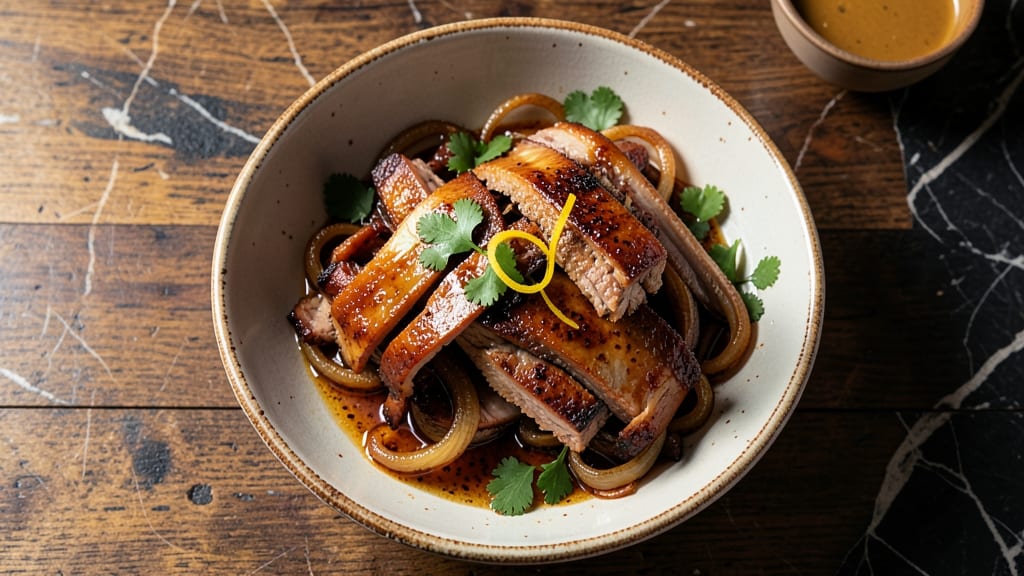
This 2-hour pulled pork recipe delivers restaurant-quality tenderness without requiring an all-day commitment. After years of perfecting my technique—from Charleston pits to Atlanta kitchens—I’ve developed a method that transforms tough pork shoulder into melt-in-your-mouth perfection using just one pot.
The secret lies in a precise balance of time, temperature, and a dry rub that builds flavor while the meat breaks down.
What sets this recipe apart is the foolproof timing: no need to babysit the cooker or guess when the pork is ready.
A simple dry rub of smoked paprika, brown sugar, and garlic creates a bark that locks in moisture, while the slow cooker’s gentle heat ensures every fiber becomes tender. By the time you shred it, the meat will fall apart with just a fork—no knives required.
This is the kind of pulled pork that makes people ask for seconds before they even finish their first plate.
Once you’ve achieved that fall-off-the-bone texture, the possibilities are endless. Serve it piled high on toasted buns with tangy coleslaw, or let guests build their own sandwiches with pickles, onions, and your favorite BBQ sauce.
The leftovers? Even better the next day, reheated with a splash of broth to keep it juicy. This isn’t just pulled pork—it’s a centerpiece that turns any meal into a celebration.
For those who love the smoky depth of traditional pit cooking but need a quicker solution, this method delivers restaurant-quality results in half the time.
No special equipment beyond a slow cooker or oven, and no complicated steps—just a reliable technique that’s been tested on thousands of pounds of pork. Let’s get started on making your next gathering unforgettable.
Ingredients for 2 hour pulled pork
Seven spices, one pot, and pork that melts like butter—no pit required.
| Ingredient | Amount | Notes |
|---|---|---|
| Pork Shoulder (Bone-In) 🐖 | 3 lb | Well-marbled, 3-4 inches thick |
| Smoked Paprika 🌶️ | 2 tbsp | High-quality for smoky depth |
| Brown Sugar 🍚 | 2 tbsp | Light or dark works |
| Garlic Powder 🧄 | 1 tbsp | Freshly ground preferred |
| Ground Black Pepper 🌶️ | 1 tsp | Freshly cracked for heat |
| Kosher Salt 🧂 | 1 tsp | Diamond Crystal preferred |
| Onion Powder 🧅 | 1 tsp | For balanced flavor |
| Apple Cider Vinegar 🍎 | ¼ cup | Enhances tenderness |
| Beef Broth 🥫 | 1 cup | Low-sodium preferred |
| Honey 🍯 | 1 tbsp | For subtle sweetness |
| Fresh Rosemary 🌿 | ½ tsp | Chopped, for aroma |
| Fresh Thyme 🌿 | ½ tsp | Leaves only, chopped |
| Yellow Onion 🧅 | 1 whole | Diced for serving |
| Hamburger Buns 🍞 | 4 whole | Toasted for serving |
The pork shoulder is where it all begins. Look for bone-in cuts at Costco or Whole Foods—they're cheaper per pound and add flavor. A 3-pound bone-in shoulder gives you enough for leftovers (trust me, they're worth it). If your cut has a thick fat cap, don't trim it—fat equals flavor and moisture. For the spices, Penzeys or local spice shops have the best quality, but the grocery store stuff works fine if it's fresh. Smoked paprika should smell rich and smoky, not dusty. The fresh rosemary and thyme? Grab a small bunch and use half now, save the rest for garnish later.
No smoked paprika? Regular paprika plus a pinch of liquid smoke gets you close. Short on honey? Maple syrup works one-to-one. The apple cider vinegar is non-negotiable though—it tenderizes the meat while adding tang. For the beef broth, low-sodium is key—you don't want to over-salt the pork. If you're feeling fancy, use homemade broth, but store-bought in a pinch is totally fine. The onion powder can be swapped for dried onion flakes, but fresh onion in the serving sauce makes a huge difference. And if you're making this for a crowd, double the dry rub—just keep the proportions the same.
This pork keeps like a champ. Store leftovers in the fridge for 4-5 days, reheating with a splash of broth to keep it juicy. For longer storage, freeze portions for up to 3 months. The buns toast best in a skillet with a little butter—Trader Joe's has the best ones, but any soft hamburger bun works. Make extra rub while you're at it—I always have a jar in my pantry for quick BBQ chicken or roasted potatoes. The secret to perfect pulled pork? Patience and low heat. Don't rush it, and you'll get that fall-apart texture every time.
Why You'll Love This Recipe
- Here’s what sold me: this pulls double duty. Slap it on buns for a lazy Tuesday dinner, or pile it high on a platter for game day—no one will guess it’s the same recipe. (Yes, even on a Tuesday night.)
- Sweet-Savory Magic: Between us, that combo of smoked paprika and brown sugar? It’s the secret weapon. The pork ends up sticky, caramelized at the edges, with just enough heat to linger—like a hug from your favorite BBQ joint, but with half the effort.
- Weeknight to Party Hero: Here’s what sold me: this pulls double duty. Slap it on buns for a lazy Tuesday dinner, or pile it high on a platter for game day—no one will guess it’s the same recipe. (Yes, even on a Tuesday night.)
- Budget-Friendly Feast: A bone-in pork shoulder stretches further than you’d think, and the spices cost pennies. I’ve fed six people for under $15, with leftovers that taste even better the next day. Honestly, it’s my go-to for when I need to impress but don’t want to break the bank.
Step-by-step instructions for smoky pulled pork
Here's how to transform a tough pork shoulder into melt-in-your-mouth perfection in just two hours.
Season and Sear the Pork Shoulder
Start by patting the 3 lb pork shoulder (bone-in) completely dry with paper towels. This step is crucial—it helps the rub stick and promotes better browning. In a small bowl, mix together the 2 tbsp smoked paprika, 2 tbsp brown sugar, 1 tbsp garlic powder, 1 tsp kosher salt, 1 tsp onion powder, 1 tsp ground black pepper, 0.5 tsp fresh rosemary, and 0.5 tsp fresh thyme. Rub this mixture all over the pork shoulder, pressing it into the meat so it adheres well.
Heat a large Dutch oven over medium-high heat. Add the pork shoulder fat-side down and sear for 5-6 minutes until the fat begins to render and the meat develops a deep golden-brown crust. Flip the pork and sear the other side for another 4-5 minutes. This initial searing locks in juices and builds flavor that will infuse the broth later.
Slow Cook with Liquid and Vinegar
Remove the pork from the Dutch oven and set it aside. In the same pot, add 0.25 cup apple cider vinegar and scrape up any browned bits from the bottom using a wooden spoon—this is where all the flavor hides. Pour in 1 cup beef broth and 1 tbsp honey, then return the pork shoulder to the pot, fat-side up. The vinegar helps tenderize the meat while the broth keeps it moist during cooking.
Bring the liquid to a gentle simmer over medium heat, then reduce the heat to low. Cover the pot and let it cook for 1 hour and 30 minutes. You want the pork to cook slowly and steadily—this ensures it becomes fork-tender without drying out. Check the liquid occasionally and add a splash of water if it reduces too much, but don't overdo it. The goal is a rich, flavorful broth, not a watery one.
Shred and Finish with Onion
Once the pork is fork-tender (you should be able to easily shred it with two forks), remove it from the pot and transfer it to a cutting board. Let it rest for 5 minutes before shredding. Discard any large fat chunks or connective tissue, then shred the pork into bite-sized pieces. Return the shredded pork to the pot and stir it into the cooking liquid.
While the pork rests, dice the 1 whole yellow onion into small pieces. Add the onions to the pot with the shredded pork and simmer for another 5-7 minutes until the onions soften and absorb the smoky flavors. Taste the mixture and adjust the seasoning if needed—you might want to add a pinch more salt or a splash of vinegar to balance the flavors. The onions add a touch of sweetness that complements the smoky, savory pork perfectly.
Serve on Toasted Hamburger Buns
Toast the 4 whole hamburger buns in a toaster or under a broiler until they're golden and crispy. Spoon the pulled pork mixture onto the buns, making sure each one gets a generous portion of both the pork and the flavorful cooking liquid. The buns should be warm and slightly crispy to hold up to the tender, juicy pork without getting soggy.
Serve immediately so the pork stays warm and the buns maintain their texture. The combination of smoky, tender pork with the sweet and tangy onion broth creates a dish that's rich, satisfying, and full of flavor. Each bite should be tender enough to pull apart with a fork, with just the right balance of sweet, smoky, and savory notes.
Pro Tips For Making 2 Hour Pulled Pork
- CRANK THE HEAT FIRST: That pork shoulder needs a hot start—sear it over medium-high heat for 5 minutes per side before adding any liquid. I used to skip this, and the meat always ended up bland and unevenly cooked. The crust locks in flavor and keeps the meat from drying out later.
- SALT THE PORK BEFORE SEARING: Generously coat the pork shoulder with salt (about 1 teaspoon per pound) at least 30 minutes before cooking—this isn’t just for seasoning. It helps break down the meat fibers faster, giving you tender pulled pork in that 2-hour window. (Yes, even if you’re impatient like me.)
- DON’T SKIP THE GARLIC POWDER: That garlic powder isn’t just for flavor—it’s the thing that makes your pulled pork taste restaurant-quality in a hurry. Use at least 1 tablespoon (more if you love garlic) and mix it directly into the brown sugar before sprinkling it on. The sugar burns slightly, but that’s where the depth comes from.
- WRAP IT IN FOIL AT 160°F: Once the pork hits 160°F, wrap it tightly in foil and let it rest in the oven or pot for 20-30 minutes. This isn’t just resting—it’s the step that turns tough meat into melt-in-your-mouth shreds. I learned this the hard way by pulling it too early, and the results were sad.
Regional styles of this 2 hour pulled pork
Charleston's Vinegar-Braised Style
In Charleston, we take pulled pork to another level by embracing the acidity of apple cider vinegar—it's not just tenderizing, it's transforming. I learned this technique from Chef Chen, who'd braise pork with vinegar and let it sit overnight for true fall-apart texture.
For our 2-hour version, we use ¼ cup vinegar in the cooking liquid to break down collagen faster while adding bright tang. The key is balancing it with 1 tbsp honey to prevent over-acidification.
Serve with a side of pickled okra—a Charleston staple that cuts through the richness. 🍎
Texas-Style Smoked and Shredded
Texas pitmasters focus on low-and-slow heat with wood smoke, but we're adapting it for speed. Swap the Dutch oven for a smoker oven (or use your oven with a smoker box and wood chips).
Cook the pork at 225°F for 1 hour 45 minutes instead of simmering, then finish with 1 tbsp Texas-style BBQ sauce mixed into the shredded pork. Top with pickled jalapeños and sliced white onions for that true Texas BBQ experience.
I keep a bag of Travis Park BBQ sauce in my freezer specifically for these occasions. 🌶️
Georgia's Peach-Glazed Twist
Back home in Georgia, we sweeten our pulled pork with fresh peaches—a tradition from my grandmother's kitchen. After shredding the pork, stir in ½ cup peach preserves and 1 tbsp bourbon (I use Buffalo Trace for authenticity).
Simmer for 5 minutes to let the flavors meld, then serve with peach slices on top. The natural sweetness of Georgia peaches pairs perfectly with the smoky rub. For extra flair, garnish with toasted pecans and a drizzle of peach BBQ sauce. 🍑
Atlanta's Spicy Kick
Atlanta's BBQ scene loves heat, so I add 1 tbsp hot sauce (like Maryland's Hot Shot) to the cooking liquid during the final 10 minutes of simmering. For an extra punch, mix ½ tsp cayenne pepper into the dry rub.
Serve with spicy coleslaw made with Carolina Gold mustard and a dash of cayenne. This version is perfect for those who want their pulled pork with a little fire. I always keep a bottle of Georgia Grown hot sauce on hand for this exact purpose. 🔥
Carolina's Mustard-Based Rub
In the Carolinas, we often use mustard as a base for our dry rubs—it adds tang and helps tenderize. For this variation, replace 1 tbsp of the smoked paprika with 1 tbsp yellow mustard powder. The mustard enhances the pork's natural flavors while adding a subtle depth.
Pair this version with Carolina-style vinegar slaw and serve on brioche buns for extra richness. This technique comes from my time working at a North Carolina BBQ joint during my apprenticeship. 🧂
Modern Fusion: Coffee-Infused
For a contemporary twist, add 1 tbsp instant coffee granules to the dry rub and ½ cup strong brewed coffee to the cooking liquid. The coffee enhances the smokiness and adds a subtle bitterness that balances the sweetness.
This version works beautifully with dark chocolate-dusted buns or as a filling for chocolate croissants. It's a fusion I developed after experimenting with coffee-rubbed meats at The Smoky Pig**. ☕
Nutrition facts
Frequently asked questions
Why does this recipe use a Dutch oven instead of a slow cooker?
The Dutch oven gives you the best of both worlds: it allows you to sear the pork first for deep flavor, then simmer it gently with the lid on. This creates a richer cooking liquid that infuses the meat, unlike many slow cookers that can't handle high initial heat. Once you've seared, you can transfer it to your slow cooker if preferred—just add the vinegar and broth after searing to maintain the same results. The key is that controlled sear that builds flavor before the long cook.
Can I use boneless pork shoulder instead of bone-in?
You can, but bone-in pork shoulder delivers better flavor and moisture. The bone adds natural gelatin during cooking that keeps the meat incredibly tender. If using boneless, look for a well-marbled cut and reduce the cooking time by about 15-20 minutes since it cooks faster. For the best texture, stick with bone-in when possible—it's worth the extra few minutes of cooking time.
What's the best way to reheat leftovers without drying them out?
Always reheat pulled pork with a splash of liquid—either the original cooking broth or water—to restore moisture. I recommend 1-2 tablespoons per cup of pork. Warm gently in a skillet over low heat or in the microwave in 30-second intervals, stirring between each. Never reheat to a boil, as this turns the meat rubbery. For extra flavor, add a pinch of smoked paprika or a dash of apple cider vinegar while reheating.
How do I know when the pork is fully cooked?
The pork is done when it reaches an internal temperature of 203°F and shreds easily with two forks. The meat should pull apart cleanly with minimal resistance. For extra confidence, check the thickest part of the shoulder—this is where connective tissue lingers the longest. If you're unsure, let it cook 10-15 minutes longer rather than risking undercooked meat, as it continues cooking slightly after removal from heat.
Can I make this recipe in an oven instead of on the stovetop?
Preheat your oven to 275°F and follow the same searing steps in a skillet. Transfer the seared pork to a baking dish with the vinegar and broth, then cover tightly with foil. Bake for 1 hour 30 minutes, checking occasionally to ensure the liquid doesn't evaporate completely. The oven method is especially good for hands-off cooking—just set it and forget it until the pork is tender. The results will be just as flavorful as the stovetop version.