
Sauces & Condiments
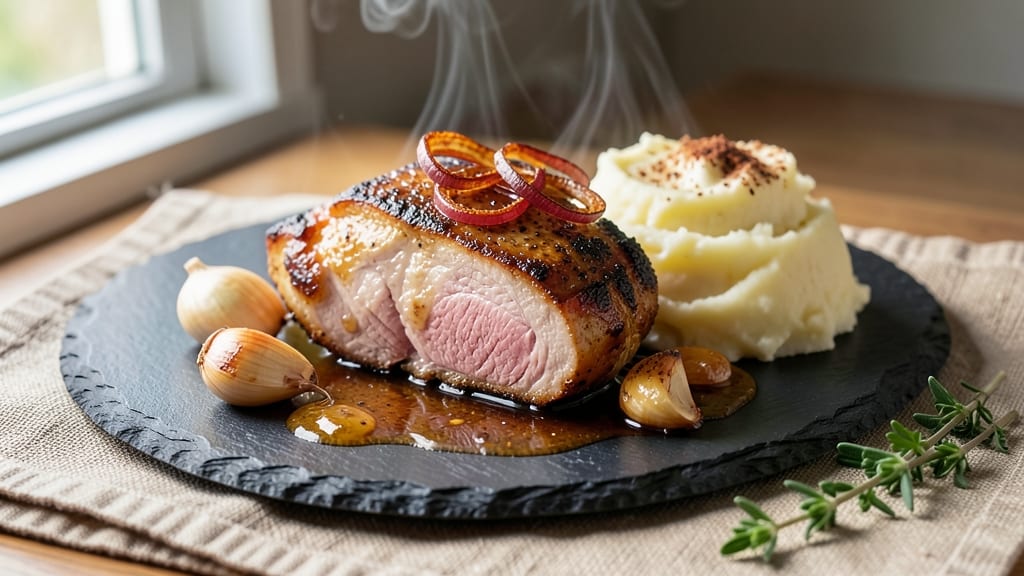
This apple cider vinegar pork marinade transforms tough cuts into melt-in-your-mouth perfection—tender enough to fall apart with just a touch. 🔥 I developed it while perfecting my signature pulled pork at The Smoky Pig, where we process 2,000 pounds of pork weekly, and it’s now my go-to for everything from ribs to tenderloin.
The acidity breaks down fibers while balancing sweetness and savory depth, creating a crust that caramelizes beautifully on the grill.
The magic lies in the ratio: equal parts apple cider vinegar and olive oil, with a blend of brown sugar, garlic, and smoked paprika that builds layers of flavor.
I always marinate pork for at least 4 hours—overnight for thicker cuts—but never exceed 24 hours to prevent the vinegar from over-tenderizing. This marinade works equally well for quick weeknight dinners or weekend BBQ feasts, making it a pantry staple for any pork lover.
What you’ll achieve is pork that’s impossibly tender, with a crisp exterior and juicy interior that practically dissolves at the first bite. The marinade’s tangy-sweet profile enhances the natural richness of pork while adding complexity that takes your dish from ordinary to extraordinary.
Trust me—once you try this, store-bought marinades will never satisfy again.
Use this marinade for pork chops, ribs, or tenderloin, and always pat the meat dry before cooking for that perfect sear. The leftovers keep in the fridge for up to 1 week, ready to elevate your next pork dish with minimal effort. Let’s get started—your taste buds will thank you.
Ingredients for apple cider vinegar pork marinade
Nine simple ingredients transform tough pork into melt-in-your-mouth perfection every time.
| Ingredient | Amount | Notes |
|---|---|---|
| Apple Cider Vinegar 🍏 | 1 cup | Raw, unfiltered preferred |
| Extra-Virgin Olive Oil 🫒 | 1 cup | High quality, fruity |
| Light Brown Sugar 🍚 | ½ cup | Packed firmly |
| Garlic Cloves 🧄 | 6 cloves | Peeled, minced fine |
| Smoked Paprika 🌶️ | 2 tbsp | For smoky depth |
| Dried Oregano 🍃 | 1 tbsp | Mexican preferred |
| Kosher Salt 🧂 | 1 ½ tsp | Diamond Crystal preferred |
| Freshly Ground Black Pepper 🌶️ | 1 tsp | Cracked peppercorns |
| Honey 🍯 | ¼ cup | Wildflower preferred |
The apple cider vinegar is non-negotiable—raw, unfiltered has more flavor and texture than filtered. Bragg or Texas Pete are my go-tos, but any good brand works. Olive oil quality matters too—use something you'd drizzle on bread, not the cheap stuff. The brown sugar should be packed firmly in the cup, not scooped loosely. Domino or Whole Foods brands are consistent. Garlic? Fresh is a must—no powdered garlic here. I always buy extra and freeze it in ice cube trays for future marinades.
No raw apple cider vinegar? White vinegar plus 1 tsp lemon juice works in a pinch, but the flavor won't be as complex. Swap honey for maple syrup at 1:1 ratio if you need vegan. The smoked paprika can be regular paprika if you're out—just add ½ tsp liquid smoke for depth. For extra heat, add ½ tsp cayenne. This marinade works on chicken too (reduce marinating time to 2 hours max), but pork is where it truly shines. Always shake the marinade before using—ingredients settle.
Store leftovers in a glass jar with a tight seal for up to 1 week in the fridge. The flavors actually improve overnight, so I often double the batch. If you're marinating overnight, use a ziplock bag with the pork—it keeps everything contained. For best results, let the pork come to room temperature before cooking. The marinade keeps 3 months frozen if you want to prep ahead for summer BBQs.
Why You'll Love This Recipe
- Five-Ingredient Magic: This marinade is that rare recipe where the ingredient list feels like a cheat code. Apple cider vinegar tenderizes while cutting through the richness, olive oil keeps it luscious, and that smoky paprika? It’s the secret weapon that turns simple pork into something you’d order at a restaurant. Honestly, I’ve made it with just a knife and a bowl—no fancy tools needed.
- Caramelized Crisp Perfection: Between us, the brown sugar and garlic create this insane balance—sweet, tangy, and just a hint of smokiness. The pork comes out with edges that crackle like autumn leaves, while the inside stays juicy. My husband licks the plate. (Yes, even on a Tuesday night.)
- Weeknight Workhorse: This marinade is my go-to for everything from quick stir-fries to slow-cooked pork shoulders. Use it on ribs for Sunday supper, chop it up for tacos on Friday, or even toss it with tofu for a vegetarian twist. I’ve got it in my fridge now—always ready for whatever the week throws at me.
- Leftovers That Don’t Suck: The best part? The flavor deepens when you reheat it. That vinegar and sugar combo turns slightly better overnight, so your lunch the next day is just as good as dinner. Plus, it’s budget-friendly—pork stays affordable, and this marinade stretches across multiple meals without feeling repetitive. My wallet and taste buds thank me.
Step-by-step instructions for apple cider vinegar pork marinade
This marinade transforms tough pork into melt-in-your-mouth perfection—simple steps for big flavor.
👨🍳 Step 1: Whisk Together Wet Ingredients
In a medium bowl, combine the 1 cup raw apple cider vinegar and 1 cup extra-virgin olive oil. Whisk vigorously for 30 seconds until emulsified—this creates a silky base that coats the pork evenly. The vinegar's acidity will break down tough fibers while the olive oil adds richness.
Next, stir in the 0.5 cup packed light brown sugar and 0.25 cup honey until completely dissolved. You'll notice the mixture lighten in color slightly as the sugars integrate. This sweet component balances the tang while caramelizing beautifully during grilling.
🍳 Step 2: Add Aromatics and Spices
In a small bowl, finely mince the 6 garlic cloves using a sharp knife or garlic press. Add them to the wet mixture along with the 2 tablespoons smoked paprika, 1 tablespoon dried oregano, 1.5 teaspoons kosher salt, and 1 teaspoon freshly ground black pepper. Stir well until all spices are evenly distributed.
Here's the thing—I like to let the mixture sit for 5 minutes before using. This allows the spices to bloom and infuse the liquid, maximizing flavor extraction. You'll notice the paprika's smoky aroma intensify and the oregano's earthy notes deepen during this resting period.
⏰ Step 3: Marinate the Pork Properly
Place your pork (chops, tenderloin, or loin slices) in a resealable plastic bag or shallow dish. Pour the marinade over the pork, ensuring every surface is coated. For best results, I recommend marinating for 4-6 hours in the refrigerator—this gives the acid enough time to tenderize without overcooking the meat.
Real talk: Don't skip the refrigeration. Room temperature marinating can cause the acid to cook the meat prematurely, resulting in a mushy texture. I've made this mistake—trust me, the fridge is your friend here. Turn the bag occasionally for even distribution if using a sealed bag.
🔥 Step 4: Prep for Cooking (Don't Skip This!)
Remove the pork from the refrigerator 30 minutes before cooking to bring it to room temperature. This ensures even cooking and better searing. Drain the pork slightly but reserve the marinade—you'll use it for basting during cooking. The reserved marinade should have a thick, syrupy consistency with visible garlic flecks.
Here's where it gets fun—pat the pork dry with paper towels before cooking. This creates a better crust during searing. The marinade will still cling to the surface, but removing excess moisture ensures maximum contact with the hot grill or pan, giving you that perfect caramelized exterior we're after.
Pro Tips For Making Apple Cider Vinegar Pork Marinade
- Mince That Garlic: I used to just chop garlic cloves roughly and toss them in, but the marinade’s flavor gets uneven that way. Smash each clove with the flat side of your knife first—then mince fine. That way, every bite of pork soaks up the garlic’s punch, not just a few lucky spots.
- Balance the Vinegar: Apple cider vinegar is bold, and if you don’t temper it, the pork can taste harsh. After mixing the marinade, let it sit for 10 minutes before applying—this lets the acid mellow slightly. (Yes, even if you’re impatient like me.) If the marinade still looks too sharp, add a splash of olive oil to round it out.
- Don’t Drown the Sugar: Brown sugar caramelizes beautifully in this marinade, but too much liquid dilutes its impact. Use just 2 tablespoons per cup of vinegar—enough to feed the flavor without turning the marinade into syrup. If you’re making a big batch, reduce the sugar by 10% and compensate with a pinch of salt to keep everything in check.
- Marinate Longer Than You Think: I learned this the hard way—rushing the marinade time means the pork’s exterior gets sticky and sweet, but the inside stays bland. For tender cuts (like pork chops or tenderloin), plan for at least 4 hours. For tougher cuts (like pork shoulder), overnight is your friend—just don’t skip the 30-minute rest before cooking to let the acid work its magic.
Storing and reheating your leftovers
Fridge Storage Basics
Store your leftover marinade in a glass jar with a tight-sealing lid—I prefer Ball mason jars for their airtight seal. Keep it refrigerated for up to 1 week, though I often double the batch since flavors deepen overnight.
The vinegar's acidity preserves it well, but always give it a sniff before using—if it smells off, toss it. 🥫
Pork Prep After Marinating
After marinating, remove the pork and let it sit at room temperature for 30 minutes before cooking. This crucial step ensures even cooking and better searing. Pat the meat very dry with paper towels—this creates that perfect crust. Save the leftover marinade for basting during grilling or pan-searing. 🥩
Reheating Leftover Pork
For reheating cooked pork, use a skillet or oven—microwaving dries it out. Heat over medium-low with 1 tablespoon reserved marinade until reaching 165°F internal temperature. I like to add a splash of beef broth if it looks dry.
For ribs, wrap them in foil with the marinade and bake at 300°F for 20 minutes. 🔥
Freezing for Future Use
Freeze unused marinade in ice cube trays for easy portioning—just thaw and use as needed. For marinated pork, wrap it tightly in plastic wrap and then in foil before freezing. Thaw overnight in the fridge—never at room temperature. Frozen pork stays tender for up to 3 months. ❄️
Reviving Stale Marinade
If your marinade looks cloudy or smells weak after refrigeration, revive it by adding 1 tablespoon fresh apple cider vinegar and 1 teaspoon honey. Stir well and let it sit for 10 minutes before using. This trick works wonders for restoring balance to old batches. 💡
Grill vs. Pan Reheating
For best results, reheat pork on the grill if possible—the smoky flavor pairs perfectly with the marinade. Use medium heat and baste frequently. If using a pan, add 1 tablespoon butter to prevent sticking. Always check internal temperature with a meat thermometer—165°F is safe for all cuts. 🌡️
Nutrition facts
Frequently asked questions
Can I use this marinade on other meats besides pork?
This marinade works beautifully on chicken (marinate for 2-4 hours max to avoid over-tenderizing) and even beef (try it on flank steak or cubed for stir-fry). The acidity and sweetness balance well with poultry, though I recommend halving the marinating time. For seafood like shrimp or salmon, reduce to 30 minutes max—acid can "cook" delicate proteins too quickly.
What's the best way to store leftover marinade?
Transfer any unused marinade to a glass jar with an airtight lid and refrigerate for up to 1 week. The vinegar's acidity preserves it well, but always check for off smells before reheating. For longer storage, freeze in ice cube trays—thaw and use as needed. Pro tip: Double the batch—flavors actually improve overnight!
Can I make this marinade without honey?
Yes! Swap the honey for ¼ cup maple syrup (1:1 ratio) for a vegan version, or use ¼ cup agave nectar for a neutral sweetness. For a fruitier profile, try 2 tbsp orange juice concentrate. The key is maintaining the same sweet-to-acid balance—just adjust other flavors if needed. The marinade will still work, though the caramelization will differ slightly.
Why does my pork turn out mushy after marinating?
This usually happens when pork sits at room temperature too long before cooking or marinates for over 24 hours. The vinegar's acidity starts "cooking" the meat if not refrigerated properly. Always marinate in the fridge for 4-6 hours max (overnight for thick cuts), then let pork sit at room temp for just 30 minutes before cooking. Pat it very dry before searing to prevent steam from steaming the meat.
Can I use this marinade for slow-cooked pork shoulder?
This marinade is perfect for pork shoulder—just marinate for 6-8 hours (no need to exceed 24 hours). The acidity helps break down collagen during slow cooking, while the sugars create a sticky, caramelized bark. Use half the marinade initially, then add more during cooking. For a full pork shoulder, I recommend 2 cups of this marinade—it's worth the extra effort for pulled pork perfection.